
Watch Me Make It
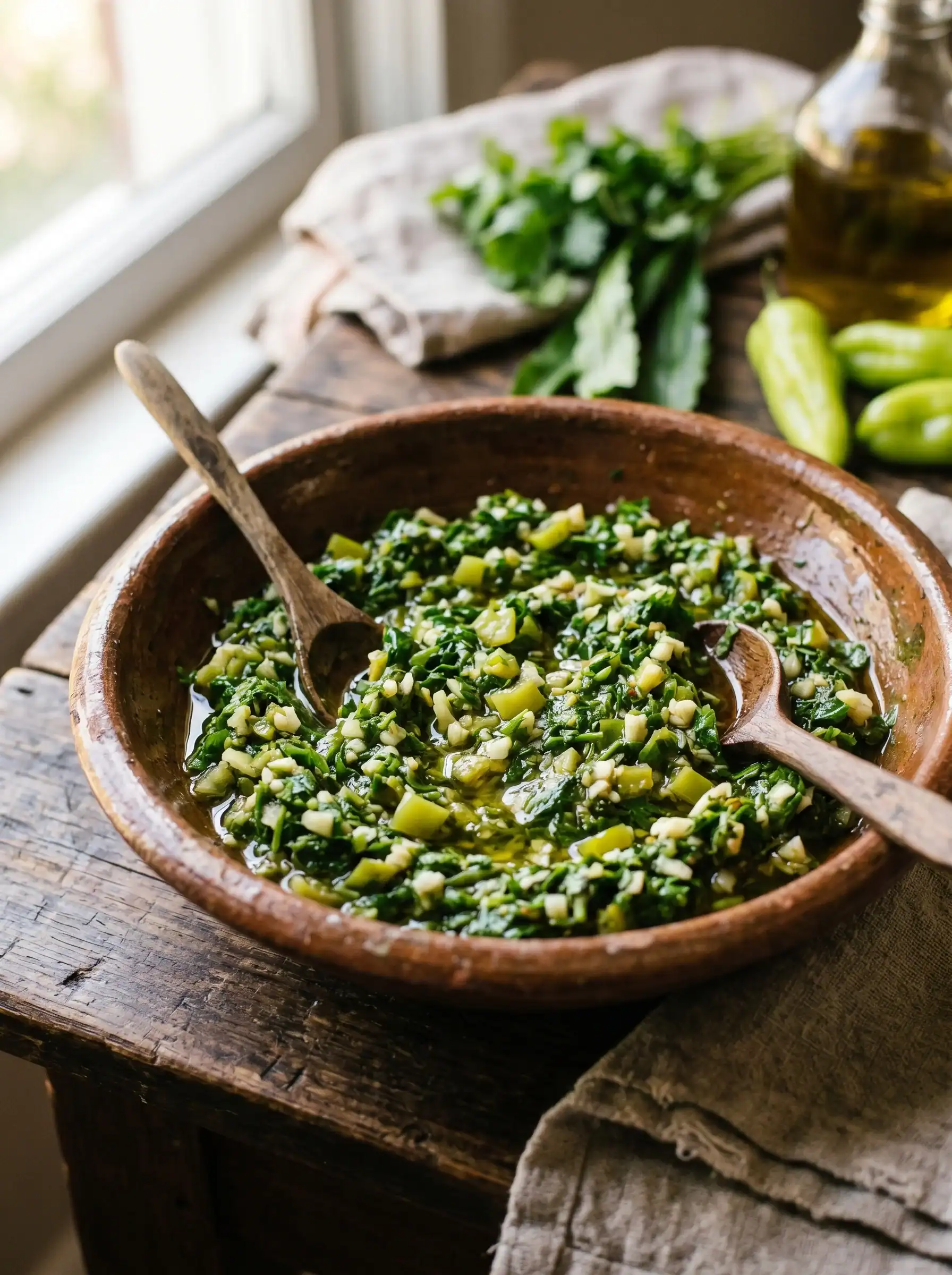
What Is Sofrito Dominicano?
Sofrito is a cooked or raw aromatic base used across Latin American and Caribbean cuisine. But here's what most people don't realize: Dominican sofrito, Puerto Rican sofrito, and Spanish sofrito are three completely different things. Spanish sofrito is tomato-based — olive oil, tomatoes, garlic, onion. It's the Mediterranean version. Puerto Rican sofrito (also called recaíto) is typically blended raw and uses recao, ají dulce, culantro, and sometimes tomatoes. It's stored in the fridge or freezer and added to dishes uncooked. Dominican sofrito? We cook it directly in the pot. It hits hot oil first — that's what builds the flavor. We don't typically blend it into a smooth paste. We chop it, let it sweat, let the aromatics bloom in fat, and build from there. And we do not use tomatoes. That's a non-negotiable in my kitchen. The Dominican flavor base is built around a specific set of ingredients you won't find in every Latin kitchen — and that's exactly what makes our food taste like our food.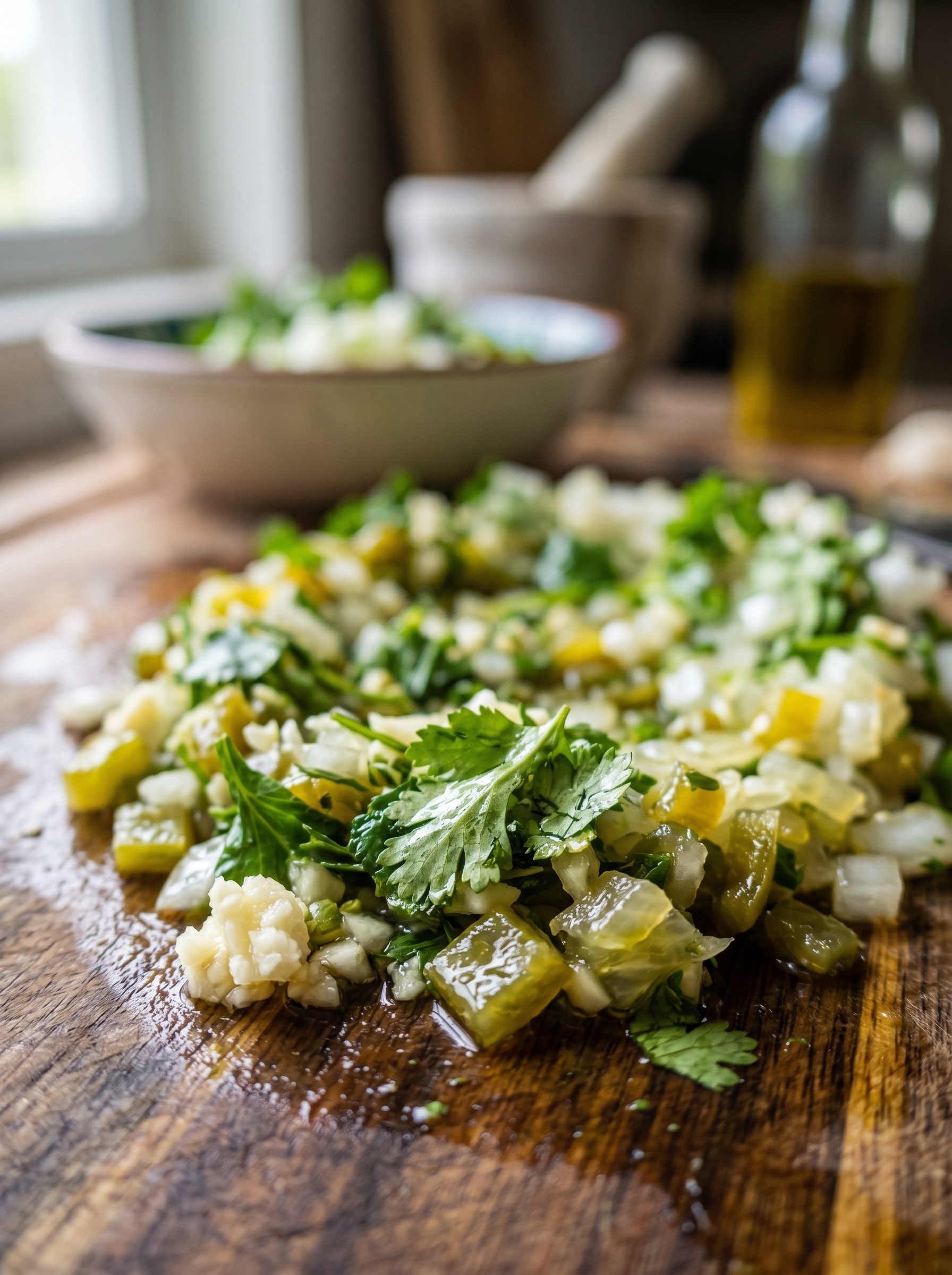
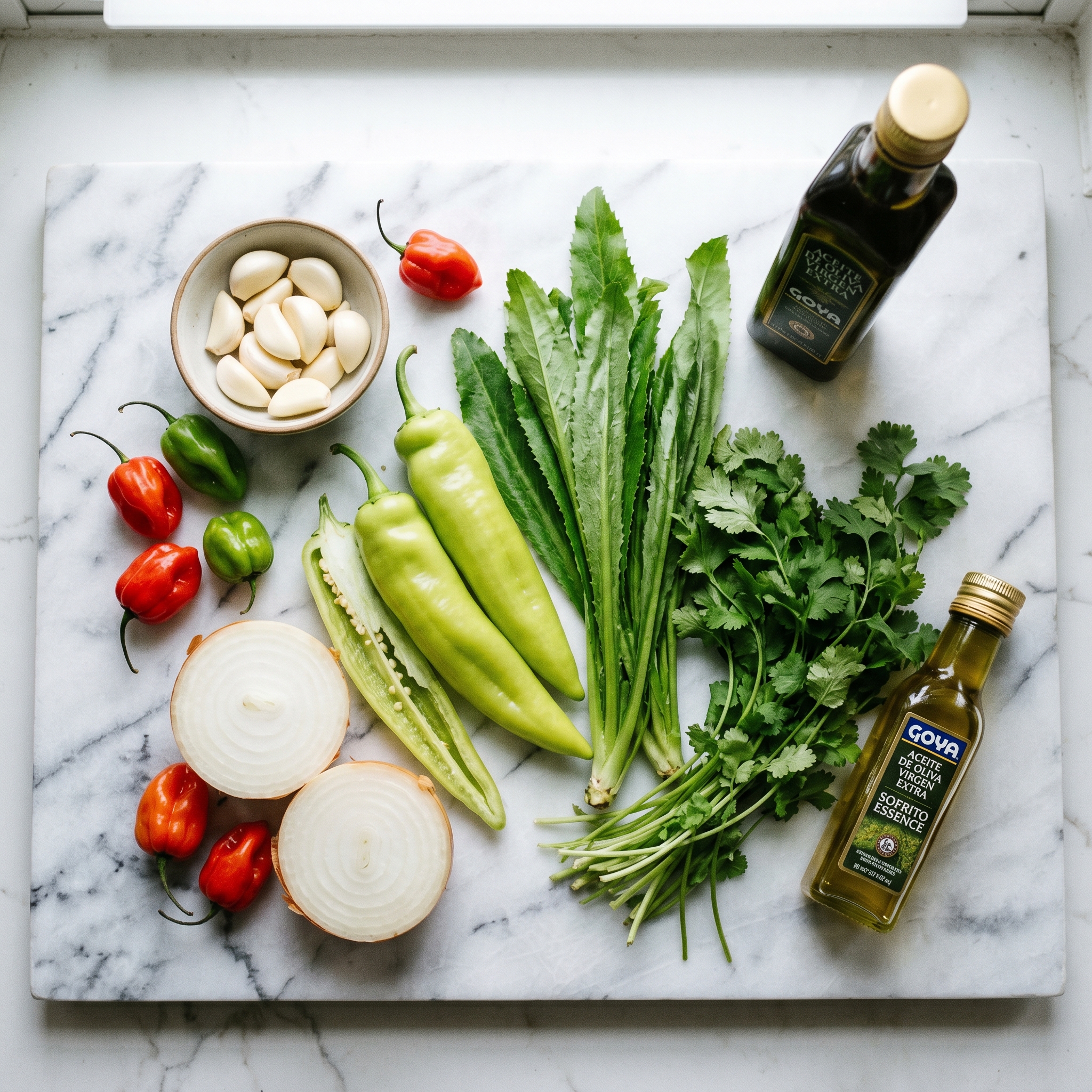
The Ingredients That Make It Dominican
Ají Cubanela (Cuban/Italian Frying Pepper)
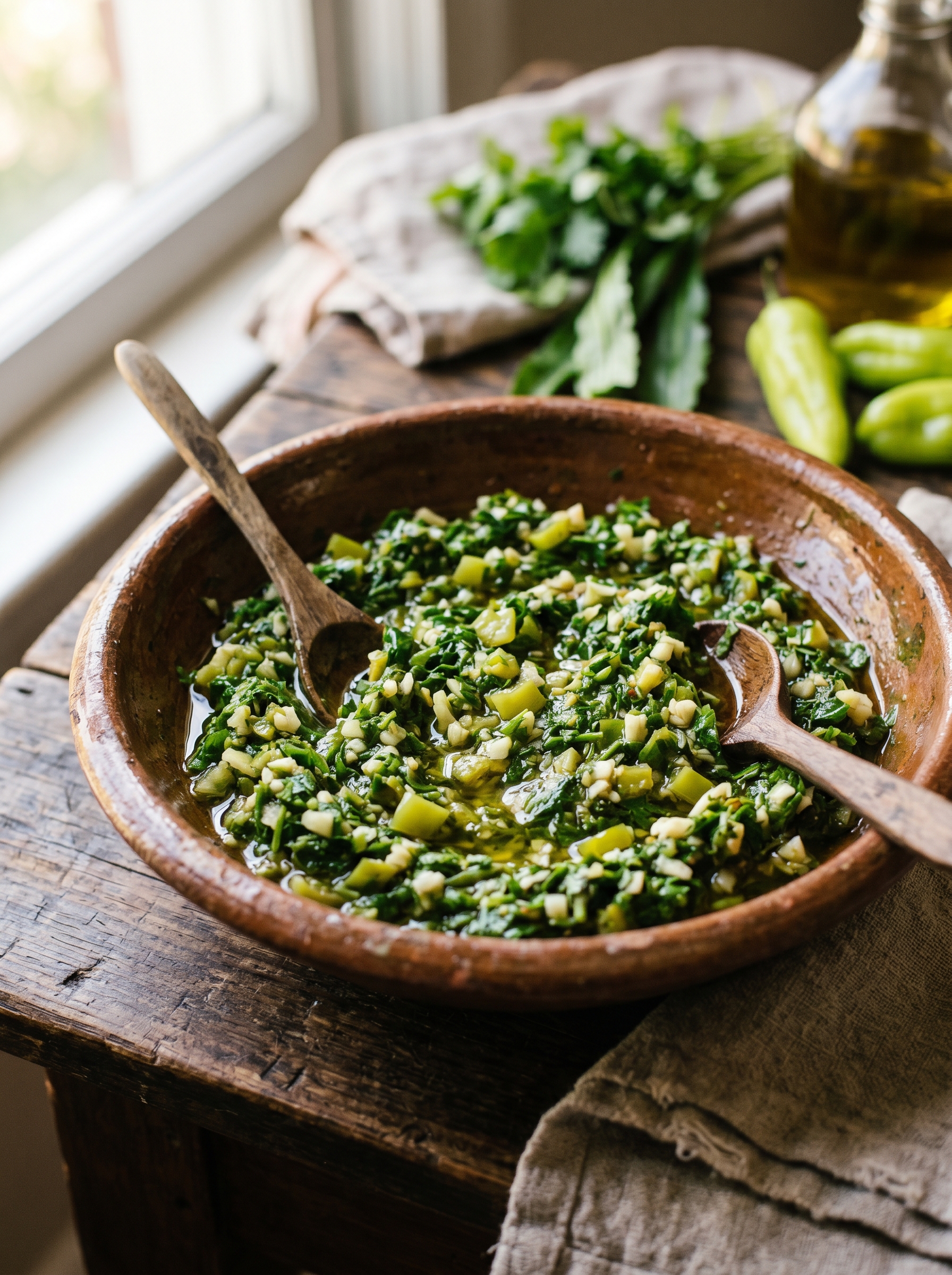
This is the backbone of Dominican sofrito. Light green, mild, slightly sweet — cubanela gives Dominican food that distinct aromatic quality that you can't replicate with bell pepper alone. If you can't find cubanela, a light green Italian frying pepper is the closest substitute. Do not use jalapeño — that changes the entire flavor profile.Recao (Culantro)
Not cilantro — recao. Also called culantro or shadow beni, recao has long serrated leaves and a flavor that's similar to cilantro but much more intense and earthy. It's used widely in Dominican, Puerto Rican, and broader Caribbean cooking. You'll find it at any Latin or Caribbean grocery store. If you truly cannot find recao, use extra cilantro — but know that it's not the same.Cilantro
We use both. Recao and cilantro together create the herbal complexity that makes Dominican sofrito taste like home. Don't skip either one.Garlic
A lot of it. Dominicans are not shy with garlic. Fresh only — never jarred.White Onion
White or yellow onion. Red onion changes the flavor and color in ways that don't work here.Ají Caballero (optional)
This is the one hot pepper native to the Dominican Republic. Small, thin-walled, fruity heat. If you want a subtle kick in your sofrito, add one or two. If you want it mild — skip it. Most Dominican sofrito is not spicy.Olive Oil or Vegetable Oil
Used to sauté the sofrito directly in the pot before adding your main protein or ingredients.Every Dominican Makes It Different
I want to say this clearly: there is no single "correct" Dominican sofrito recipe. You will go to ten Dominican households and find ten variations. Some families add ají gustoso. Some add a splash of vinegar. Some blend it smooth, some leave it chunky. Some add a tomato paste after the sofrito sweats — that's a separate step, not part of the sofrito base itself. What makes it Dominican isn't a precise formula. It's the combination of cubanela, recao, garlic, and the technique of cooking it directly in hot oil first. That's the throughline. Everything else is your family's variation. This is my variation. My mother's influence, adapted over years of cooking in Pennsylvania, far from Santo Domingo but never far from home.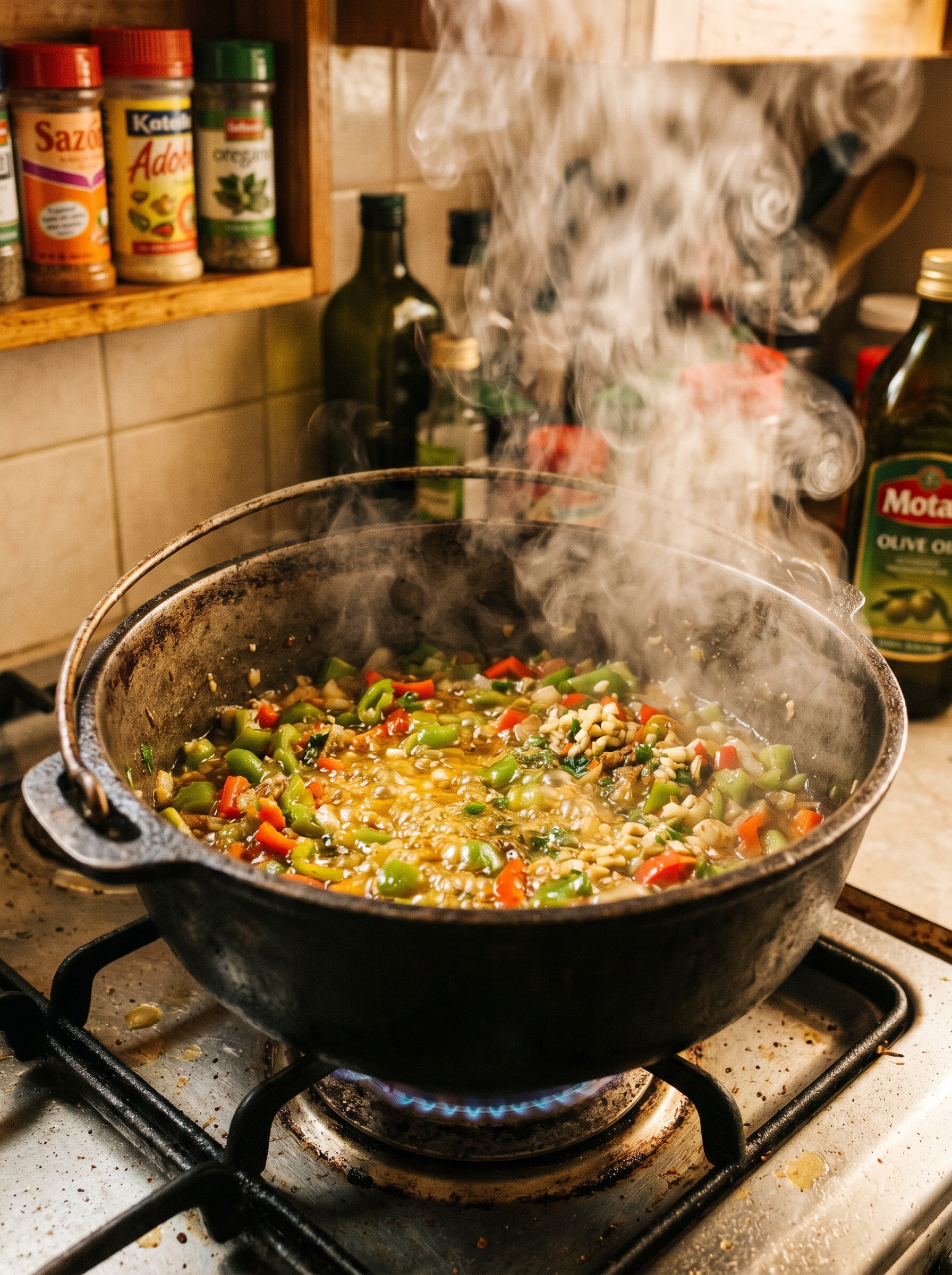
Sofrito Dominicano Recipe
Ingredients
Method
- Finely chop the ají cubanela, white onion, garlic, recao, and cilantro. If using ají caballero, mince it as well. Keep everything roughly the same size so it cooks evenly.
- Heat olive oil in a caldero or heavy-bottomed skillet over medium heat until shimmering — about 1 minute. The oil needs to be hot enough to sizzle the aromatics immediately.
- Add the garlic and onion first. Cook for 2 minutes, stirring frequently, until softened and fragrant but not browned.
- Add the ají cubanela (and ají caballero if using). Stir to combine. Cook for another 2 minutes until the pepper softens and releases its aroma into the oil.
- Add the recao and cilantro. Stir everything together and cook for 1 final minute. The herbs will darken slightly and release their oils into the base. Season with salt.
- Use immediately as the flavor base for your dish, or let cool completely before storing. To use: add your protein or next ingredients directly on top of the sofrito in the same pot.
Video
Notes
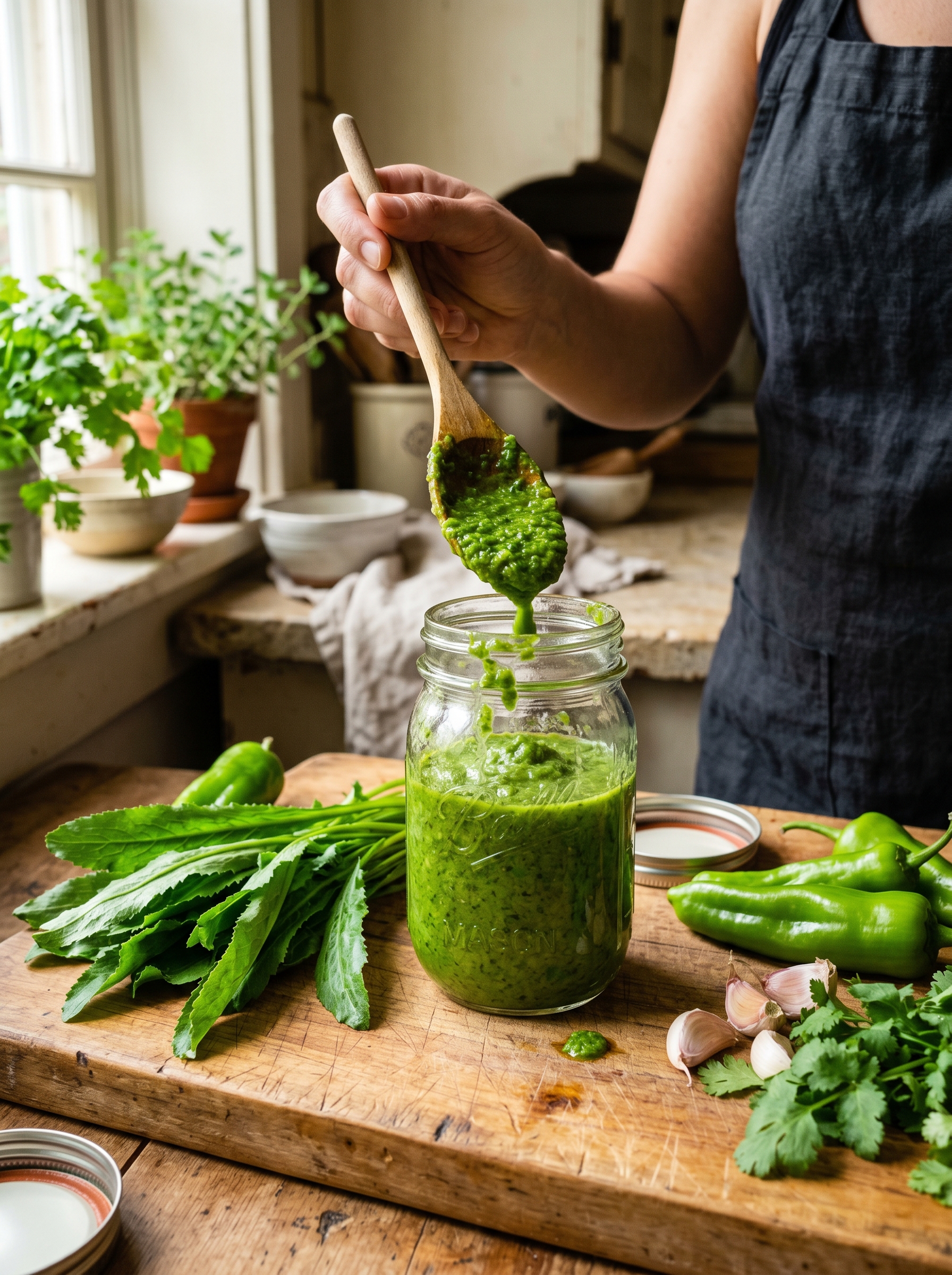
STORAGE: Refrigerate in an airtight jar up to 1 week.
FREEZE IT: Spoon into an ice cube tray, freeze solid, transfer to freezer bag. Each cube = 1 tablespoon. Keeps 3 months.
EVERY DOMINICAN MAKES IT DIFFERENT: Some blend it smooth, some add ají gustoso, some add a splash of vinegar. This is my version.
NO TOMATOES: Dominican sofrito does not include tomatoes in the base.
Tried this recipe?
Let us know how it was!How to Store Dominican Sofrito
What to Cook With Sofrito Dominicano
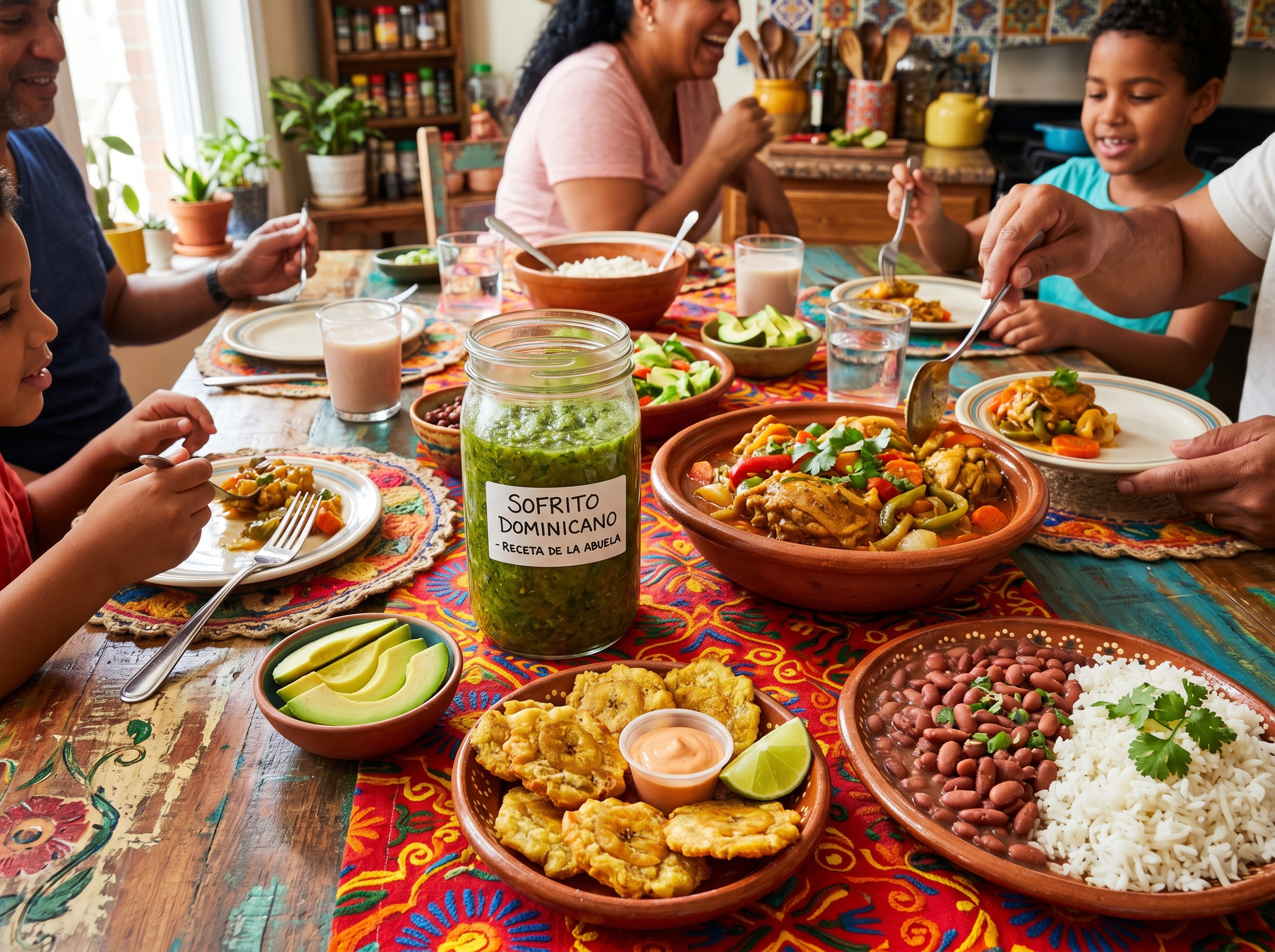
- Pollo Guisado — Dominican stewed chicken. Sofrito goes in right after the chicken is browned and the azúcar quemada base is built.
- Carne Guisada — Dominican beef stew. Same technique, same sofrito base, deeper flavor from the beef fat.
- Habichuelas Guisadas — Dominican stewed beans. Sofrito is the first thing in the pot, before the beans, before the water.
- Sancocho Dominicano — The seven-meat stew that feeds a crowd. Sofrito builds the entire flavor foundation.
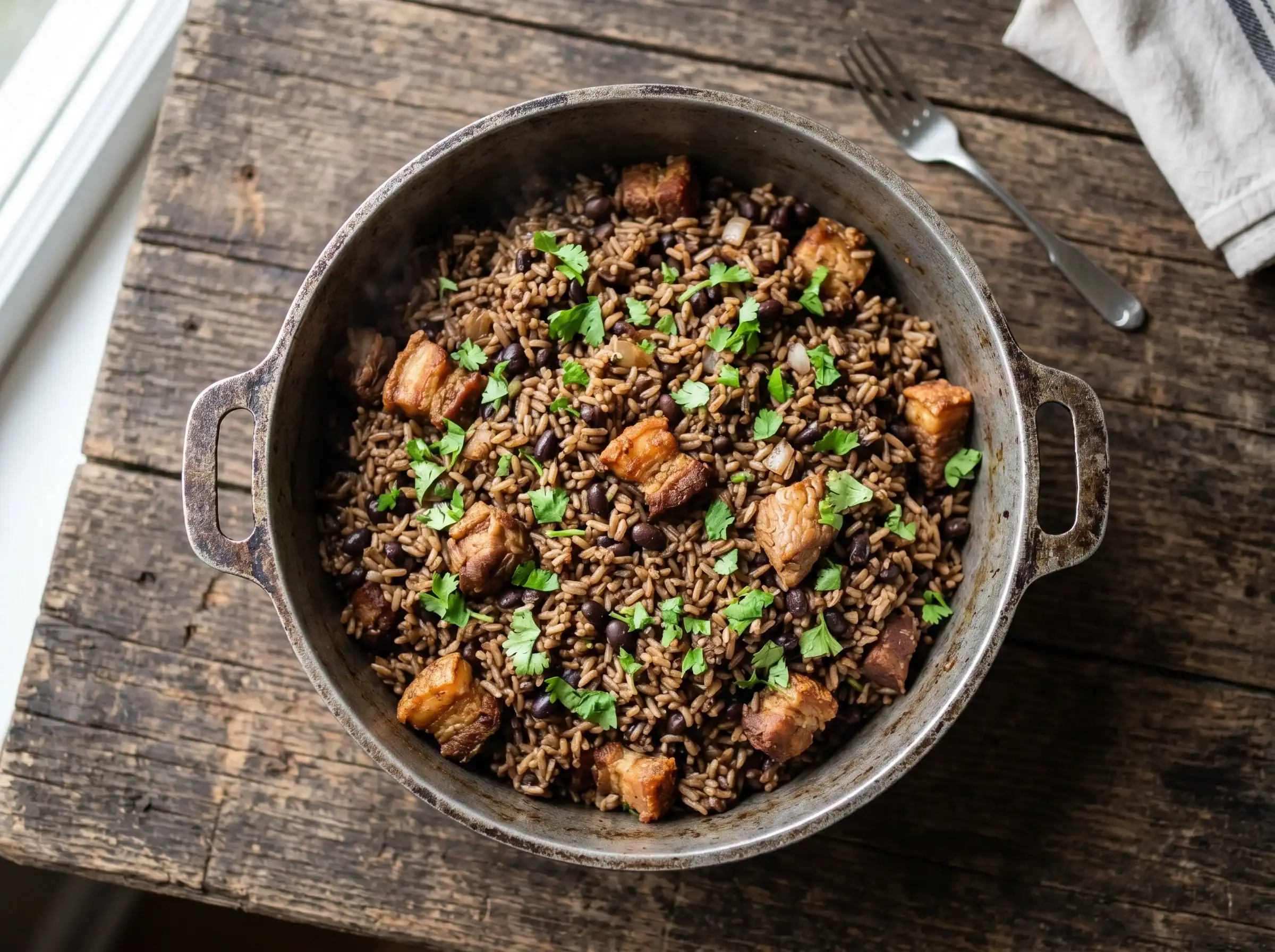
- Moro Locrio — Rice, beans, and pork in one pot. Sofrito goes in with the pork, early, before the rice.
- Arroz Blanco Dominicano — Even plain white rice gets a small amount of sofrito in the cooking water for flavor.
Tools I Use for This Recipe
The right tools make sofrito easier and better. Here is what I use in my kitchen:
- Wüsthof Chef Knife — sharp knife makes the fine chop fast and clean
- Boos Cutting Board — large enough to chop all the aromatics at once
- Cuisinart 14-Cup Food Processor — if you want a smoother blended sofrito
Dominican Sofrito vs. Puerto Rican Sofrito — What's the Difference?
This comes up constantly, so let me break it down clearly: Dominican sofrito: Cooked in hot oil at the start of a dish. Chunky or finely chopped. No tomatoes in the base. Key ingredients: cubanela, recao, cilantro, garlic, onion. Puerto Rican sofrito (recaíto): Usually blended into a smooth green paste. Often stored raw and added to dishes without cooking it first in oil. Uses ají dulce peppers, which are sweeter and more floral than cubanela. Sometimes includes tomatoes. Both are delicious. Both are essential to their respective cuisines. They are not interchangeable — and if you're making Dominican food, you want Dominican sofrito.You May Also Like
- Dominican Pollo Guisado — Authentic Stewed Chicken
- Mangú Dominicano — Dominican Mashed Plantains
- Dominican Sancocho — Authentic 7-Meat Stew
- Habichuelas Guisadas — Dominican Stewed Beans
- Lechon Asado Dominicano — Whole Roasted Pig


Leave a Reply