
Pork tenderloin is the leanest, most tender cut on the whole pig — but that leanness is exactly why so many people end up with dry, chalky meat. The fix is simpler than you think: a quick brine, a hard sear in a screaming-hot skillet, and a short finish in a 400-degree oven. The result is juicy, golden-brown tenderloin that stays moist from edge to center. Once you nail this method, dry pork tenderloin becomes a thing of the past.
About This Recipe
Here's something that'll blow your mind: pork tenderloin wasn't always the lean cut we know today. Until the 1980s, American pigs were bred for fat content, and tenderloin was actually marbled with enough intramuscular fat to stay moist during cooking. But when health trends demanded leaner meat, breeding changed everything. Modern pork tenderloin has 75% less fat than its predecessors, which is why so many home cooks struggle with dryness today. This shift happened so gradually that most recipes never adapted their techniques. The old "cook until white throughout" advice that worked for fatty pork became a disaster for today's ultra-lean tenderloins. That's why I always tell people to forget everything they think they know about cooking pork. The tenderloin on your cutting board is fundamentally different from what your grandmother cooked, and it demands modern techniques like lower temperatures, careful timing, and proper resting to achieve the juicy results we're all chasing.
Ingredients for Never Make Dry Pork Tenderloin
- 2 lb Pork Tenderloin
- 2 tablespoon extra light olive oil or avocado oil, divided
- 1 teaspoon kosher salt, or to taste
- ½ teaspoon freshly ground black pepper
- ½ teaspoon smoked paprika
- 1 teaspoon Italian seasoning
- 1 teaspoon garlic powder
- 1 teaspoon ground coriander
- ½ teaspoon dried rosemary
- Italian parsley for garnish (optional)
Substitutions & Variations
- Dijon mustard: Use yellow mustard mixed with a pinch of ground mustard seed, or try a Caribbean-style mustard with scotch bonnet pepper for heat. This creates a spicier, more tropical flavor profile that pairs beautifully with the pork's richness.
- Fresh rosemary and thyme: Substitute with Dominican oregano (orégano poleo) and fresh cilantro for an island twist. This combination brings the herbaceous, citrusy notes common in Caribbean marinades and seasoning blends.
- Smoked paprika: Replace with sazón con culantro y achiote or plain achiote powder for authentic Dominican color and flavor. The achiote adds an earthy, slightly peppery taste with that signature orange-red color beloved in Caribbean cooking.
- Honey: Use brown sugar or coconut sugar mixed with a splash of rum for a Caribbean glaze. This creates a deeper molasses note with subtle rum undertones that caramelize beautifully on the pork.
- Olive oil: Substitute with coconut oil for searing to add subtle tropical flavor that complements Caribbean seasonings. The coconut oil's higher smoke point also helps achieve better browning on the tenderloin.
- Garlic: Create a sofrito base by blending the garlic with bell peppers, onion, and cilantro instead of just mincing. This Dominican cooking technique infuses the pork with more complex, layered flavors than garlic alone.
How to Make Never Make Dry Pork Tenderloin
- Trim the silver skin from the pork tenderloins. Pat dry with paper towels.
- Mix Dijon mustard, garlic, rosemary, thyme, paprika, salt, and pepper into a paste. Rub all over the tenderloins.
- Heat olive oil in an oven-safe skillet over medium-high heat. Sear the tenderloins on all sides until golden brown, about 2-3 minutes per side.
- Transfer the skillet to a preheated 400°F oven. Roast for 15-20 minutes until the internal temperature reaches 145°F.
- Remove from oven. Add butter and honey to the pan and baste the tenderloins.
- Rest for 10 minutes before slicing into medallions. The temperature will carry over to a safe 145°F. Drizzle with pan juices and serve.
What to Serve With Never Make Dry Pork Tenderloin
This juicy pork practically begs for my Dominican-style yuca with garlic mojo - the creamy, starchy root vegetable soaks up those beautiful pan juices while the bright citrus cuts through the richness. It's how my abuela would have served it, and trust me, she knew what she was doing.
The sweet, caramelized exterior on this tenderloin pairs beautifully with something sharp and acidic like my quick-pickled red onions. Those tangy, crunchy ribbons wake up your palate between bites of the rich pork, creating the perfect flavor balance that keeps you coming back for more.
For something completely different, try serving thick slices alongside creamy polenta with roasted mushrooms. The earthy fungi echo the herbs in your pork seasoning, while the smooth polenta provides a luxurious base that makes this feel like a proper restaurant dish.
Frequently Asked Questions
1. Why does pork tenderloin dry out so easily?
Pork tenderloin is extremely lean — almost no intramuscular fat to keep it moist. Every degree past 145 internal dries it out significantly. Precision is essential with this cut.
2. What is the most important tip for juicy tenderloin?
Use a meat thermometer and pull at 140 degrees. Let it rest 8 minutes — carryover heat brings it to a safe 145. This single technique transforms dry tenderloin into juicy perfection.
3. Should I brine pork tenderloin?
Yes — brining is the best insurance policy against dryness. A 30-minute soak in salted water or an overnight dry brine adds moisture that stays in the meat during cooking.
4. What cooking method keeps tenderloin juiciest?
Sear all sides in a hot skillet for 2-3 minutes each, then finish in a 400 degree oven for 15-18 minutes. The sear locks in moisture while the oven gently finishes cooking.
5. Should I remove the silver skin?
Always — the silvery membrane does not break down during cooking and contracts, squeezing moisture out of the meat. Removing it is essential for tender, juicy results.
6. What temperature should the oven be?
400 degrees after an initial stovetop sear. This moderate-high heat cooks the lean tenderloin quickly enough to stay moist without the exterior drying out before the center finishes.
7. How long does pork tenderloin need to rest?
8-10 minutes loosely tented with foil. This is critical — the juices redistribute throughout the meat. Cutting too soon sends them flooding onto the cutting board.
8. Is it safe to eat pork at 145 degrees?
Yes — the USDA updated their guidelines in 2011. Pork at 145 degrees with a 3-minute rest is completely safe. The meat may be slightly pink inside, which is perfectly normal and desirable.
9. What glazes or sauces prevent dryness?
A honey garlic glaze, Dijon herb crust, or balsamic reduction applied during cooking creates a protective layer that seals in moisture while adding flavor.
10. How do I slice pork tenderloin?
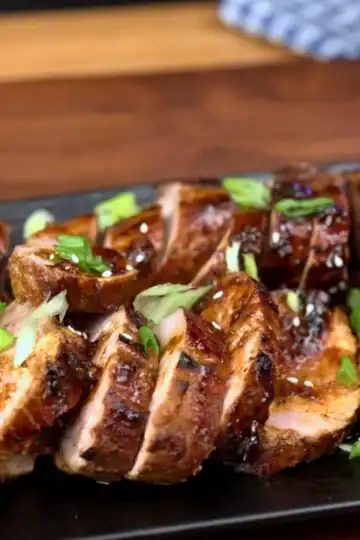
After resting, slice crosswise into ½-inch thick medallions against the grain. Fan on a platter and drizzle with any accumulated pan juices for the most attractive presentation.
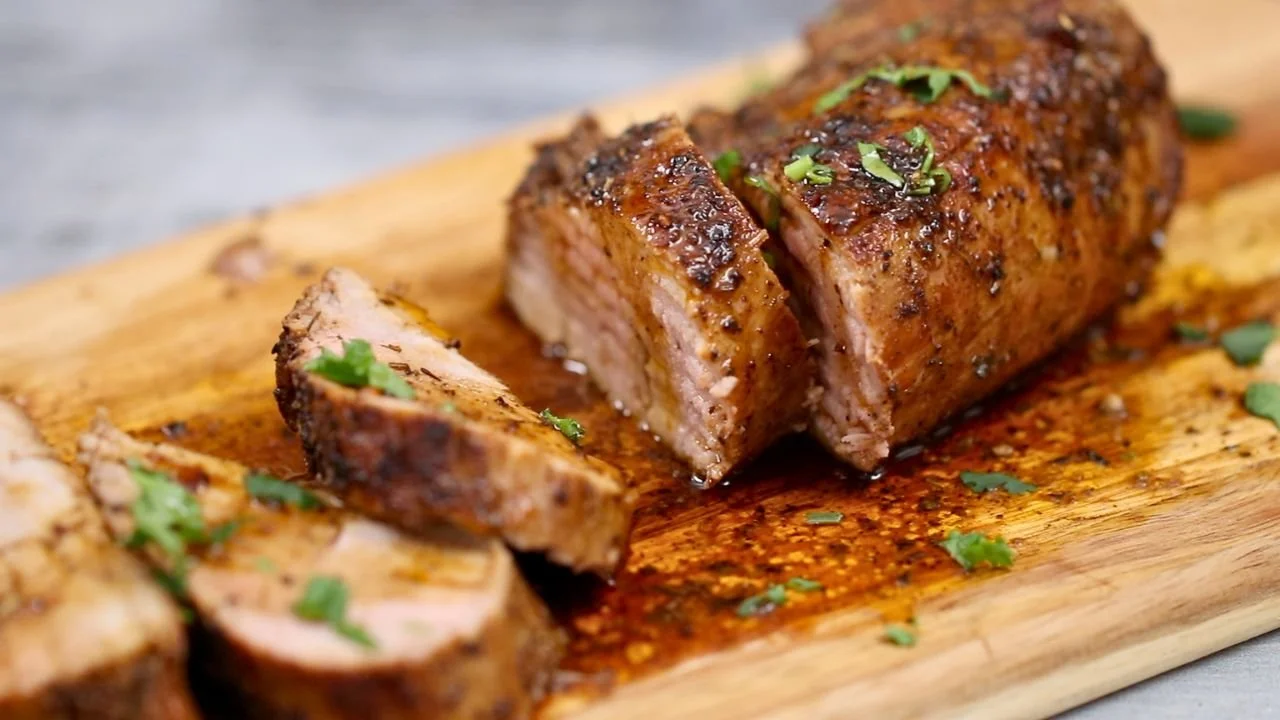
Never Make Dry Pork Tenderloin Again
Ingredients
Method
- Preheat the Oven: Preheat your oven to 400°F (200°C) and position the rack in the middle.
- Prepare the Pork Tenderloin: Trim any excess fat and silver skin from the pork tenderloin. Pat it dry with paper towels to ensure a good sear. Pierce the tenderloin all over with a fork to help the seasoning penetrate and keep the meat juicy.
- Season the Pork: Rub the tenderloin with 1 tablespoon of oil. Combine the kosher salt, black pepper, smoked paprika, Italian seasoning, garlic powder, ground coriander, and dried rosemary in a small bowl. Sprinkle the seasoning mixture over the tenderloin, and use your hands to rub the spices into the meat until it’s evenly coated.
- Sear the Pork: Heat the remaining tablespoon of oil in a large oven-safe skillet over medium-high heat. Cast iron or a Dutch oven works best. Once the oil is hot, add the pork tenderloin and sear it on all sides until browned, about 6 minutes total.
- Roast in the Oven: Transfer the skillet to the preheated oven. Roast the pork tenderloin, uncovered, for 13–15 minutes, flipping it halfway through. Check the internal temperature; it should reach at least 145°F (63°C) in the center for medium-rare. For a more well-done tenderloin, cook until it reaches 160°F (71°C).
- Rest and Serve: Remove the tenderloin from the oven and transfer it to a cutting board. Let it rest for 5–10 minutes to allow the juices to redistribute. Slice the tenderloin into 1-inch rings. Garnish with chopped Italian parsley if desired, and serve with your favorite sides.
Nutrition
Video
Notes
- Choosing the Pork: Look for pork tenderloin of similar size and thickness to ensure even cooking.
- Temperature Check: Use a meat thermometer for precise cooking. Overcooking can dry out the tenderloin.
- Resting the Meat: Allowing the pork to rest after roasting is crucial for retaining moisture and juiciness.
- Flavor Variations: You can marinate the pork overnight in a mixture of olive oil, lemon juice, and herbs for extra flavor.
Tried this recipe?
Let us know how it was!Filed Under
You May Also Like
Kitchen Tools Used in This Recipe
- Circulon Nonstick Roasting Pan with Rack
- Alpha Grillers Instant Read Meat Thermometer
- WUSTHOF Classic 8 Inch Chef Knife
As an Amazon Associate I earn from qualifying purchases.



Leave a Reply