
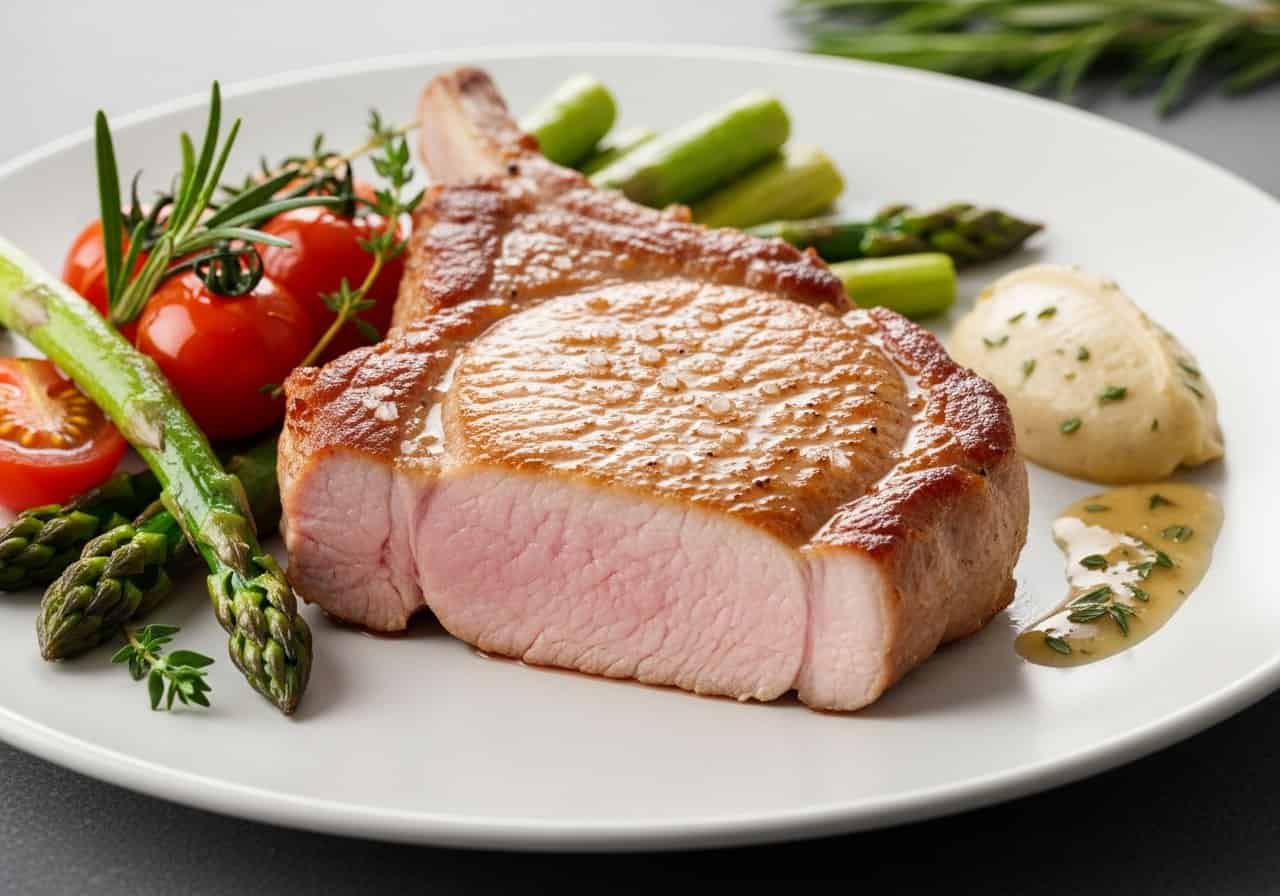
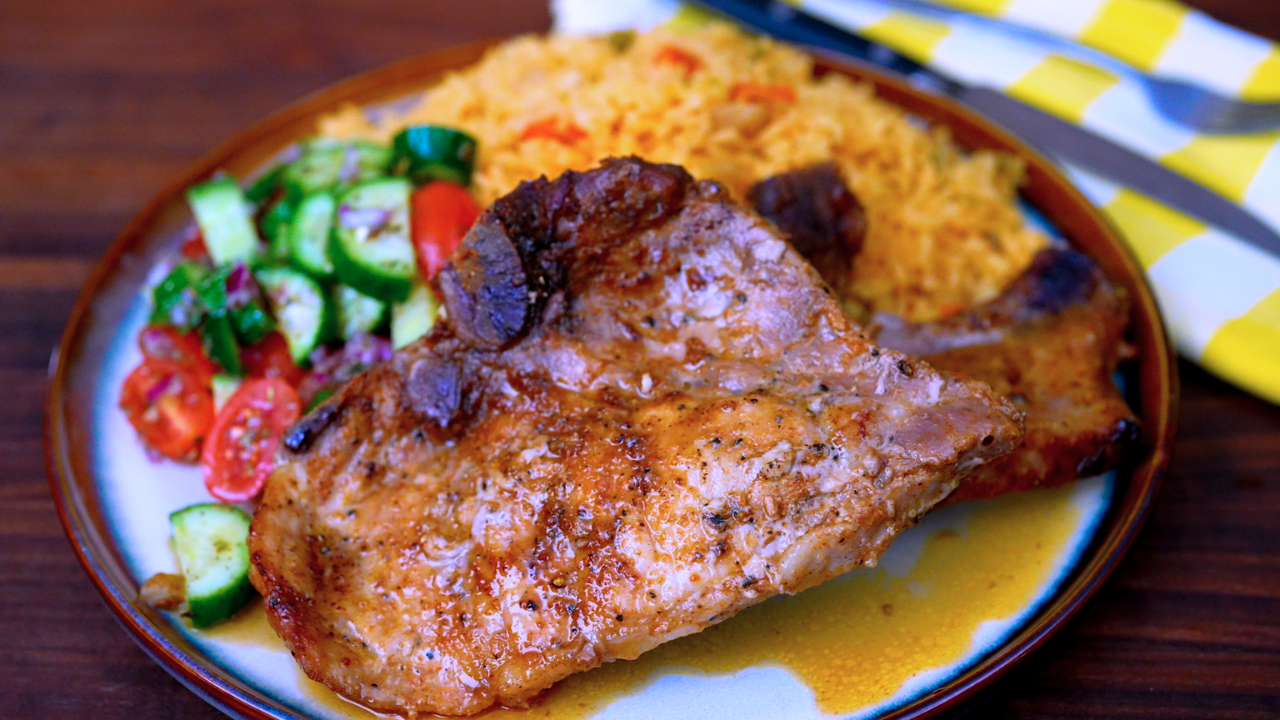
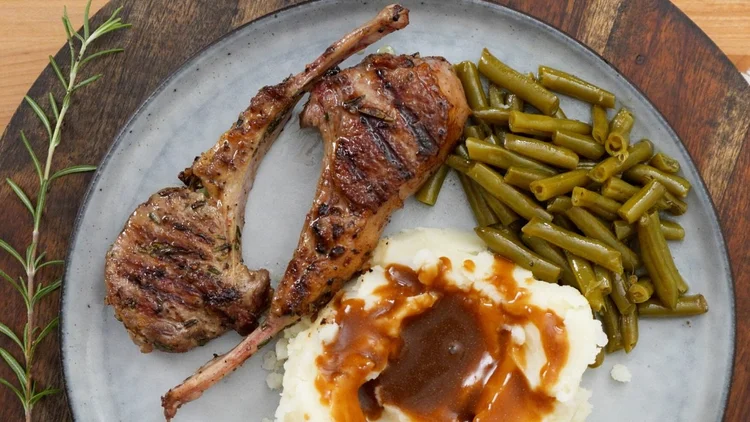
This Stop Overcooking Your Pork Chops is one of those recipes you'll find yourself making over and over again. It's simple, delicious, and always gets rave reviews. Whether you're a beginner or a seasoned cook, you're going to love how easy and tasty this turns out!
About This Recipe
Here's what shocked me when I started digging into pork chop nutrition: properly cooked pork chops (145°F internal temp) retain 25% more thiamine than overcooked ones. Thiamine is crucial for converting carbs into energy, and pork is actually one of the richest sources. But here's the kicker — when you overcook pork past 160°F, you're not just making it tough and dry, you're literally cooking away this essential B-vitamin. This is why my abuela always said 'cocina con amor, no con miedo' — cook with love, not fear. That fear of undercooked pork makes people blast it until it's leather, destroying both flavor and nutrition. The USDA dropped the safe temp from 160°F to 145°F back in 2011 for good reason. When you nail that perfect temperature, you're getting maximum nutrition AND the juicy, tender chop your family deserves.
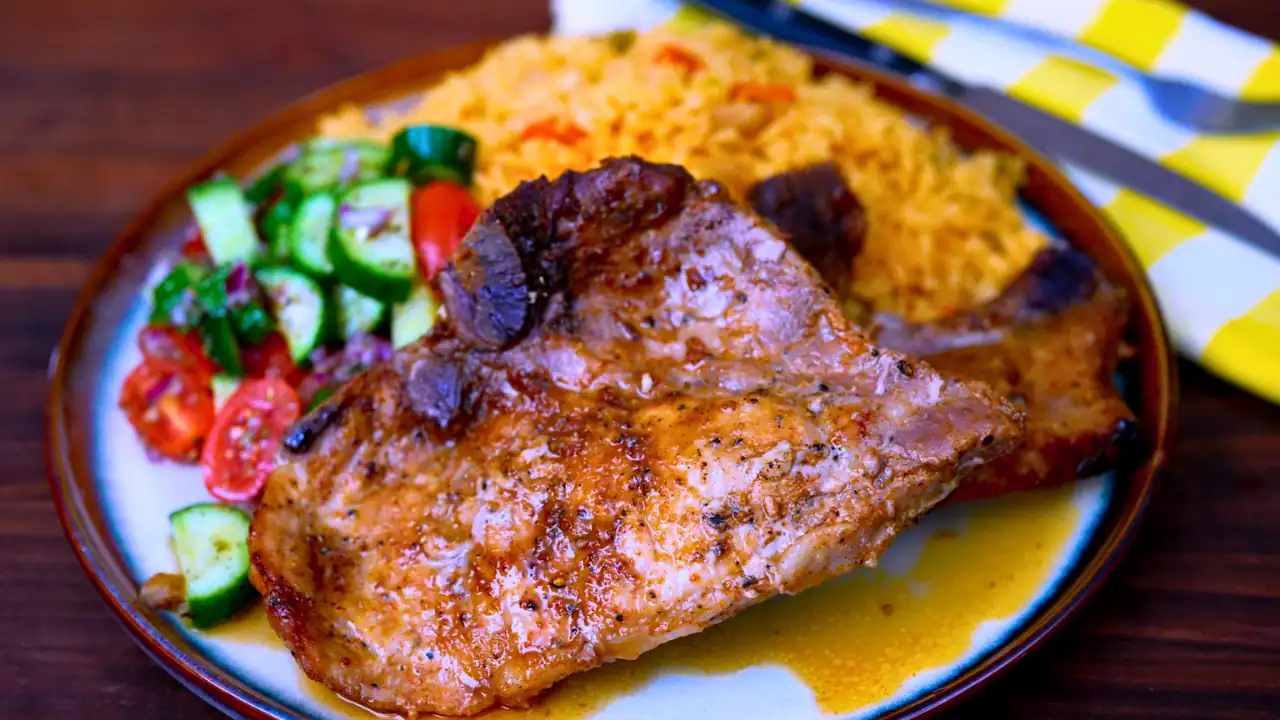
Ingredients for Stop Overcooking Your Pork Chops
- 4 bone-in pork chops (1 inch thick)
- 2 tablespoons olive oil
- 1 tablespoon garlic powder
- 1 tablespoon smoked paprika
- 1 teaspoon onion powder
- 1 teaspoon dried thyme
- Salt and pepper to taste
- 2 tablespoons butter
- 3 cloves garlic, smashed
- Fresh rosemary sprigs
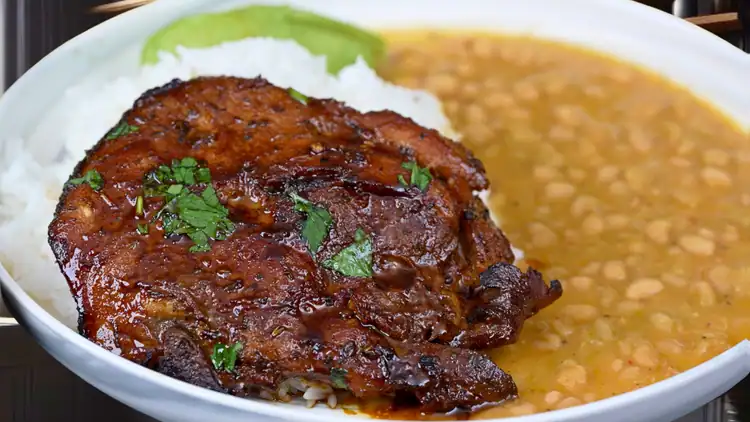
Substitutions & Variations
- Smoked paprika: Replace with 1 tablespoon sofrito powder or 2 tablespoons liquid sofrito for an authentic Dominican flavor profile that adds garlic, peppers, and cilantro notes.
- Dried thyme: Substitute with 1 teaspoon ground cumin and ½ teaspoon oregano for a more Caribbean-spiced approach that complements the pork's richness.
- Bone-in pork chops: Use boneless chops but reduce cooking time by 2-3 minutes per side since they cook faster and can dry out more quickly.
- Fresh rosemary: Replace with fresh cilantro stems added during the butter basting for a brighter, more tropical finish that pairs beautifully with Caribbean sides.
- Olive oil: Use coconut oil for searing to add a subtle tropical sweetness that enhances the pork without overpowering the seasonings.
- Garlic powder: Substitute with 1 tablespoon adobo seasoning (like Goya) for a complete Dominican seasoning blend that includes garlic, salt, and other spices in one step.
How to Make Stop Overcooking Your Pork Chops
- Remove pork chops from the fridge 30 minutes before cooking. Pat dry with paper towels.
- Mix garlic powder, paprika, onion powder, thyme, salt, and pepper. Season pork chops on both sides, pressing the seasoning into the meat.
- Heat olive oil in a cast iron skillet over medium-high heat. Sear pork chops for 4-5 minutes per side until golden brown.
- Add butter, garlic, and rosemary to the pan. Tilt the pan and continuously spoon the melted butter over the pork chops for 1-2 minutes.
- Use an instant-read thermometer. Remove pork chops at 140°F internal temperature. Carryover cooking will bring them to 145°F.
- Rest for 5 minutes before serving. The juices will redistribute for maximum tenderness.
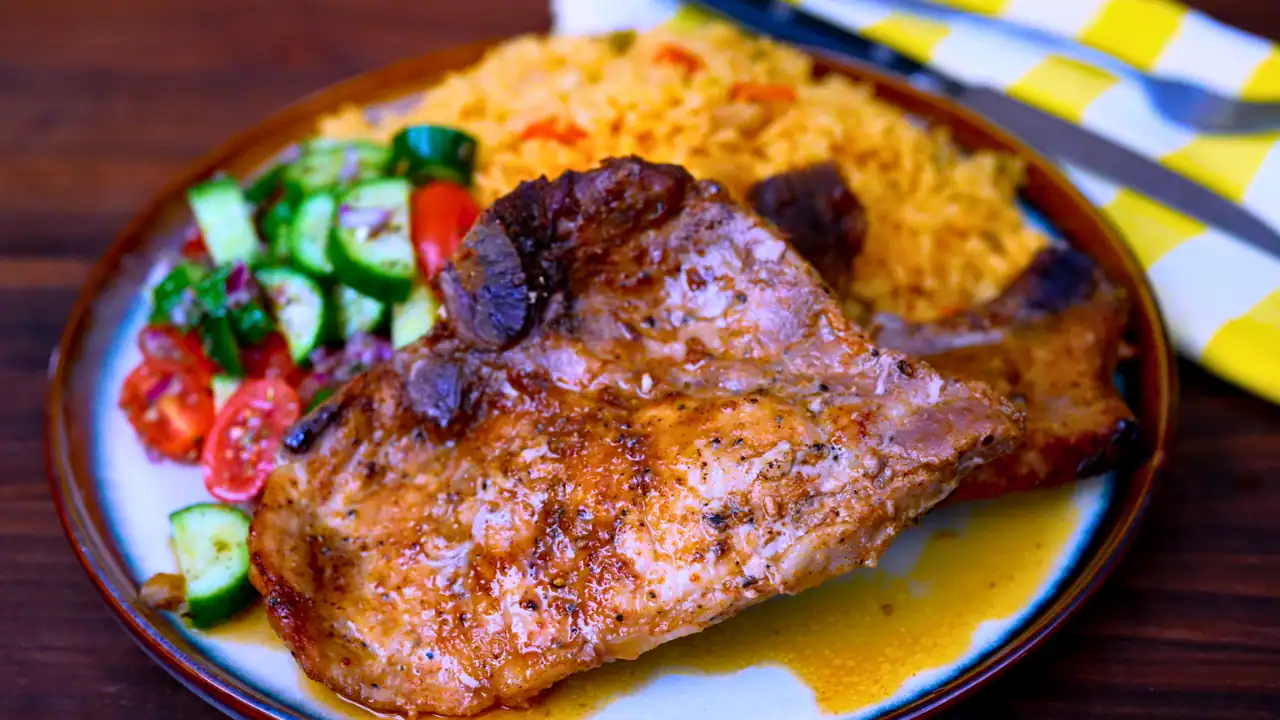
What to Serve With Stop Overcooking Your Pork Chops
These perfectly juicy pork chops pair beautifully with my Dominican-style yuca con mojo - the creamy, starchy yuca balances the rich pork while that bright, garlicky mojo cuts right through the fat. It's how my abuela served pork, and trust me, she knew what she was doing.
For something lighter, try them alongside a warm farro salad with roasted butternut squash and dried cranberries. The nutty grain adds great texture contrast to the tender meat, while those sweet-tart cranberries echo the natural sweetness that proper pork cooking brings out.
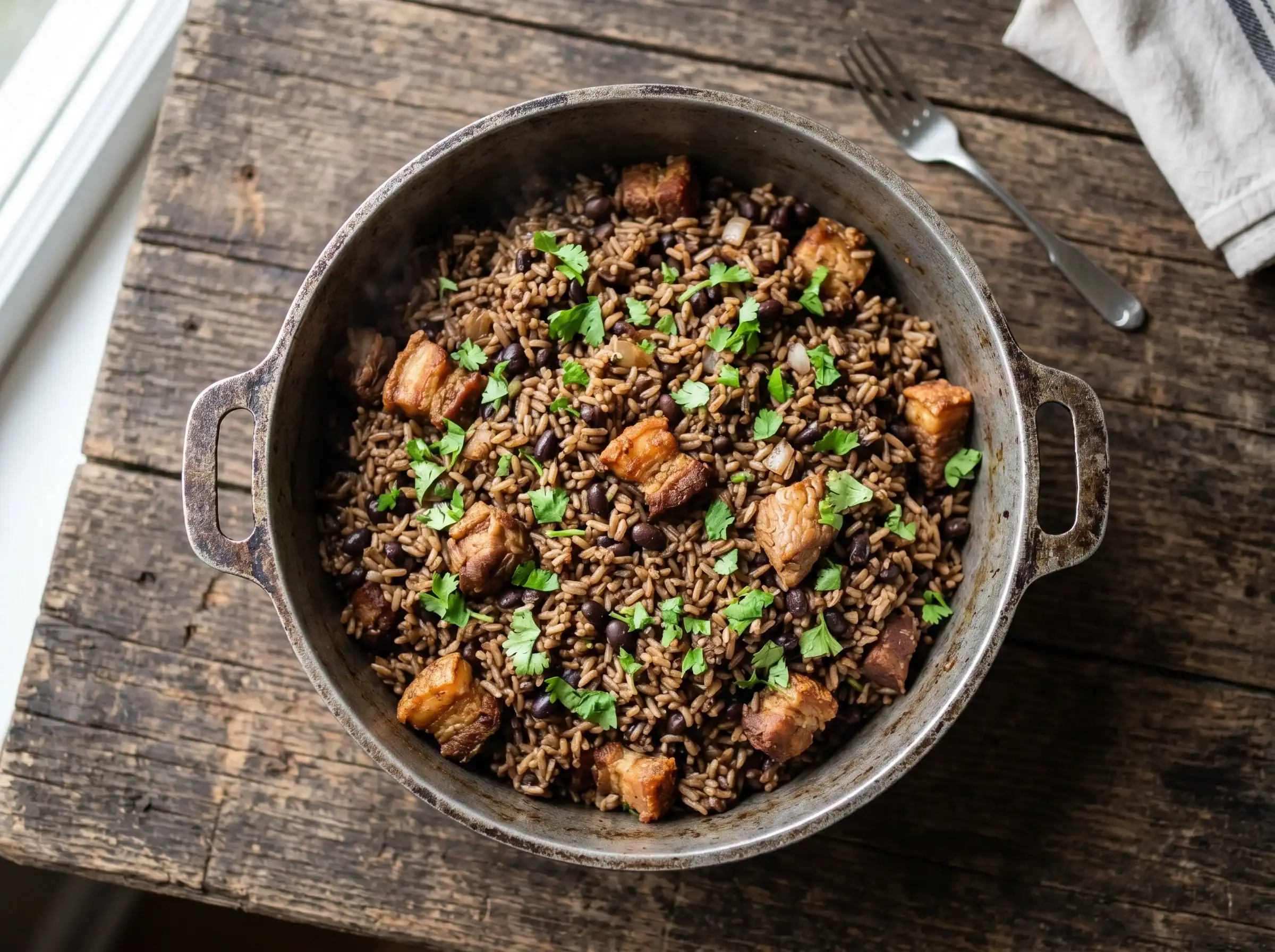
My cilantro-lime black beans make an incredible companion here - the earthy beans ground the dish while that fresh cilantro and bright lime juice wake up your palate between bites. Plus, the combination gives you a complete protein that'll keep you satisfied for hours.
Frequently Asked Questions
1. What temperature should pork chops reach internally?
145 degrees Fahrenheit per current USDA guidelines — not the outdated 160 degrees many people still follow. At 145, pork is slightly pink inside, incredibly juicy, and completely safe.
2. Why do most people overcook pork chops?
Outdated information. The USDA lowered the safe temperature from 160 to 145 degrees in 2011, but many cooks still follow the old rule. A meat thermometer eliminates guesswork.
3. How thick should pork chops be to stay juicy?
At least 1 inch thick, preferably 1.25 inches. Thin chops overcook in minutes and have almost no margin for error. Ask your butcher to cut them fresh to your preferred thickness.
4. Should I brine pork chops?
Brining is the single best thing you can do for juicy pork chops. Even a quick 30-minute soak in salted water adds 10-15% more moisture that stays in during cooking.
5. What is the carryover cooking effect?
After removing from heat, pork chops continue cooking internally as heat travels from the hot exterior to the cooler center. Pull at 140 degrees — it rises to 145 during the 5-minute rest.
6. Why is resting pork chops important?
Resting 5-8 minutes allows the muscle fibers to relax and reabsorb juices. Cutting immediately sends those juices flooding onto the cutting board instead of staying in the meat.
7. What cooking method keeps pork chops juiciest?
Searing in a hot skillet for 3-4 minutes per side, then finishing in a 400 degree oven gives the best crust-to-juice ratio. The oven's gentle heat cooks through evenly.
8. Is it safe to eat pork that is slightly pink?
Yes — pork at 145 degrees with a 3-minute rest is completely safe per the USDA. The slight pink color indicates properly cooked, juicy pork. Gray, dry pork means overcooked.
9. Do bone-in chops stay juicier than boneless?
Yes — the bone insulates the adjacent meat, slowing heat transfer and keeping that area juicier. Bone-in chops are more forgiving and have more flavor.
10. What is the best tool for checking doneness?
An instant-read digital meat thermometer is essential. Insert into the thickest part of the chop, not touching bone. This is the only reliable way to prevent overcooking.
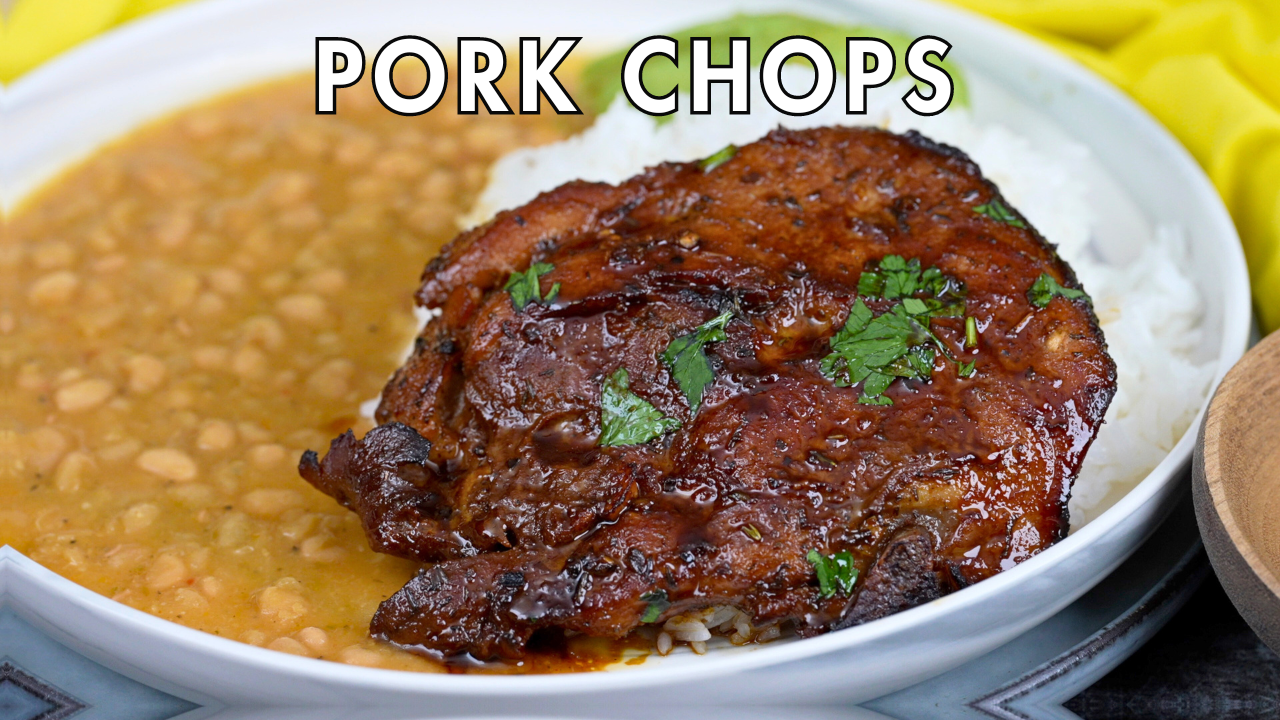
Stop Overcooking Your Pork Chops
Ingredients
Method
- Remove pork chops from the fridge 30 minutes before cooking. Pat dry with paper towels.
- Mix garlic powder, paprika, onion powder, thyme, salt, and pepper. Season pork chops on both sides, pressing the seasoning into the meat.
- Heat olive oil in a cast iron skillet over medium-high heat. Sear pork chops for 4-5 minutes per side until golden brown.
- Add butter, garlic, and rosemary to the pan. Tilt the pan and continuously spoon the melted butter over the pork chops for 1-2 minutes.
- Use an instant-read thermometer. Remove pork chops at 140°F internal temperature. Carryover cooking will bring them to 145°F.
- Rest for 5 minutes before serving. The juices will redistribute for maximum tenderness.
Nutrition
Notes
Buy bone-in chops at least 1-inch thick because thin chops are your enemy — they go from raw to overcooked in seconds, giving you no margin for error to hit that perfect 145°F sweet spot. After thousands of pork chops, I've learned this: let your thermometer probe sit for 10 seconds before reading because pork's dense muscle fibers need time to equalize around the probe for an accurate temp. Season your chops 40 minutes before cooking, not right before — salt needs time to penetrate pork's tight grain structure, and this timing gives you maximum flavor without drawing out moisture. Use the Dominican technique of 'sellado perfecto' — sear hard for exactly 90 seconds per side in a screaming hot pan, then immediately drop to medium-low because that crust locks in juices while gentle heat finishes it through.



Leave a Reply