
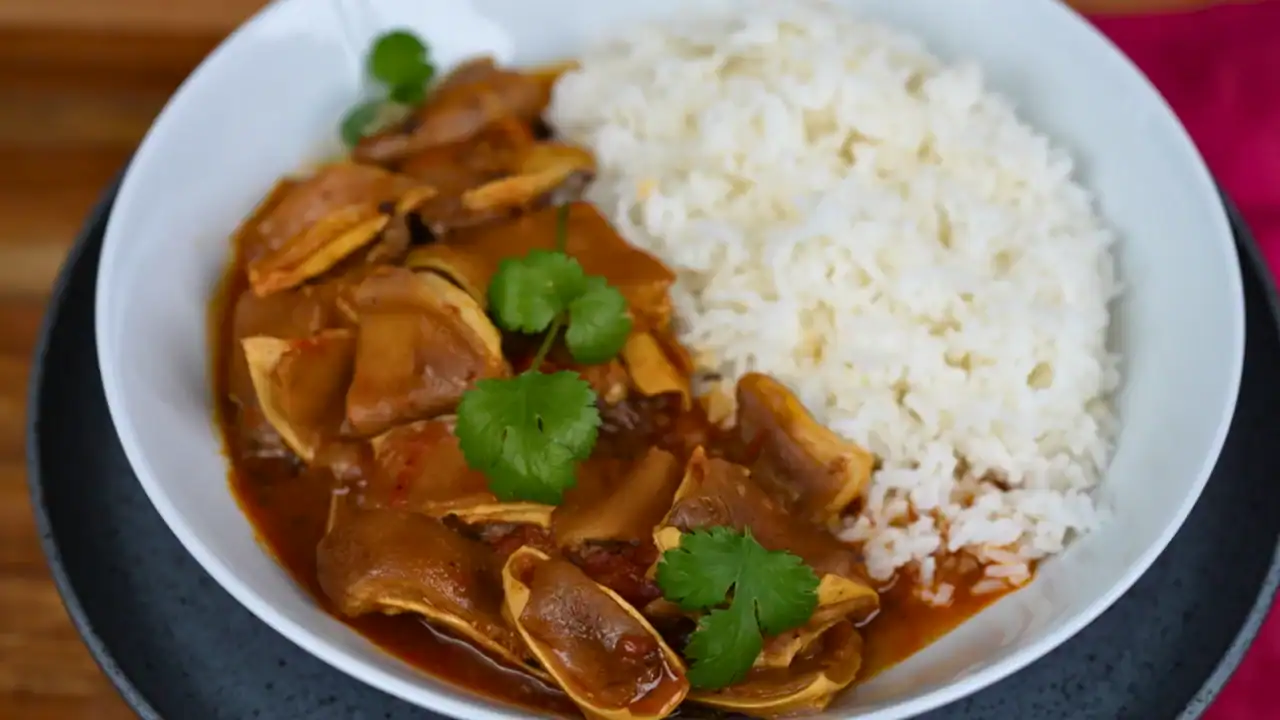
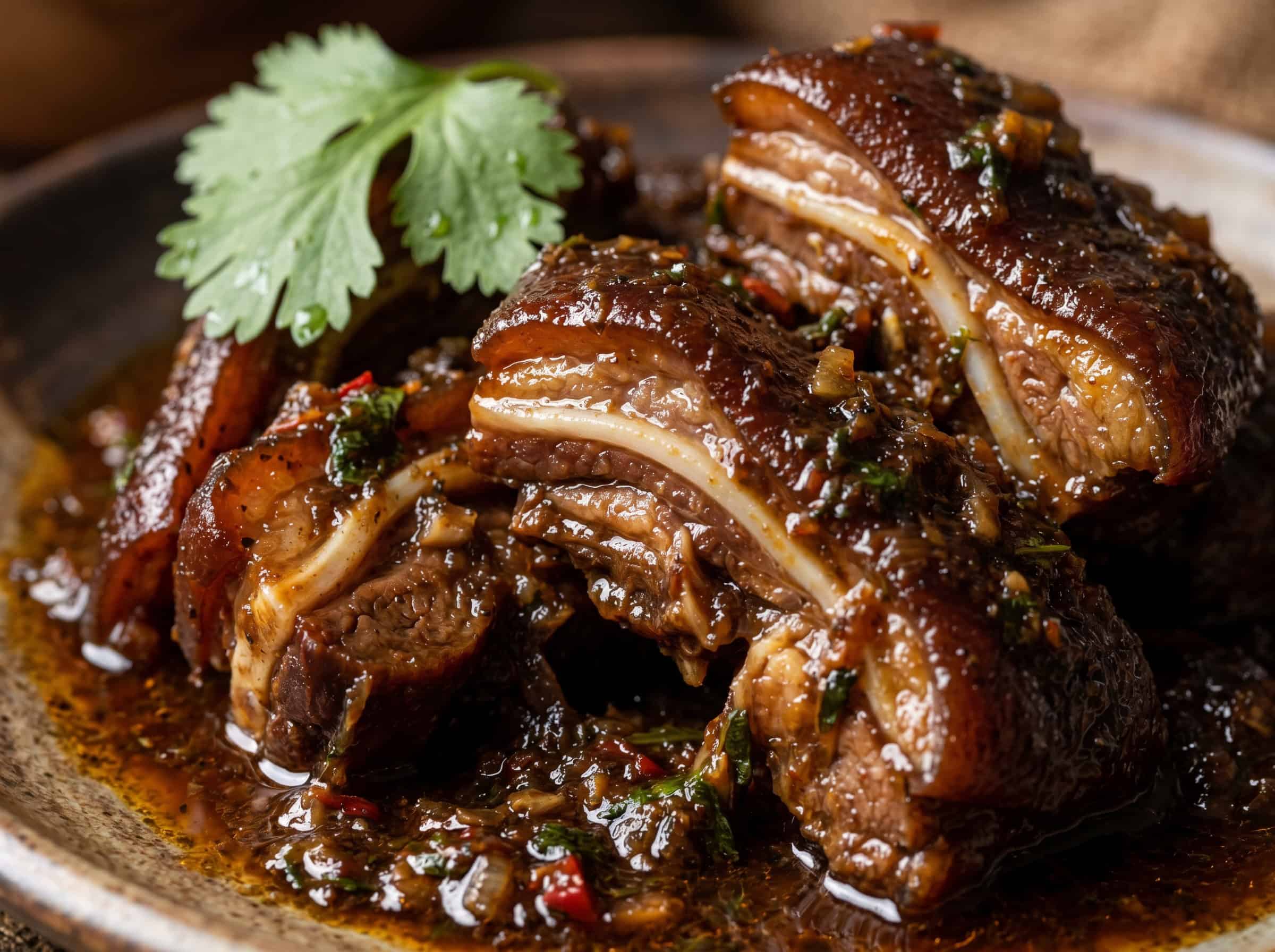
Pig Ears are one of those deeply satisfying Dominican dishes that most people outside the culture have never tried — but once they do, they’re hooked. Slow-braised in a rich tomato-and-aromatic broth until fall-apart tender, these pig ears have incredible flavor and texture you simply can’t get any other way.
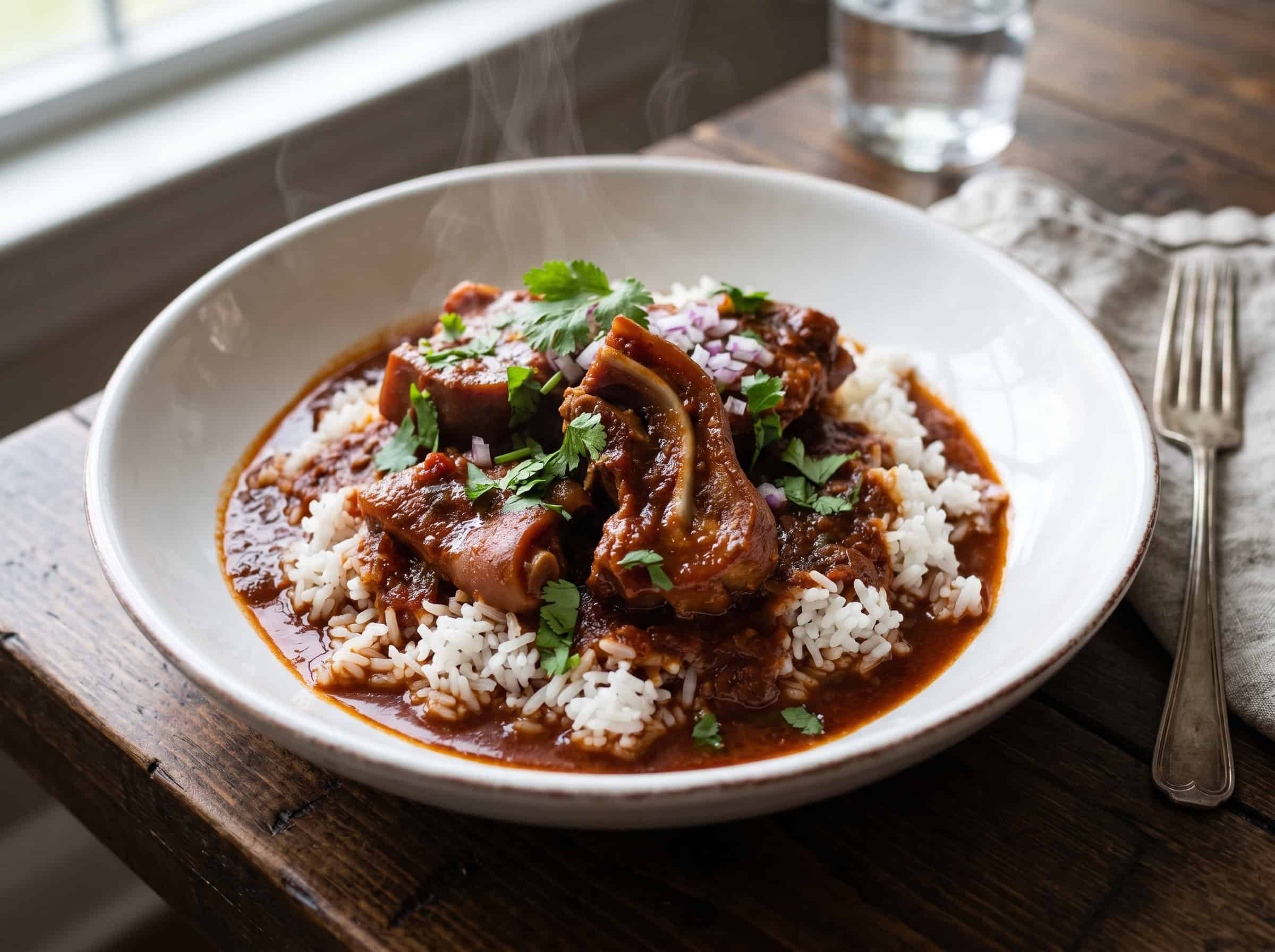
About This Recipe
¡Ay, mi gente! Let me tell you something about pig ear stew – this isn’t just food, it’s pure nostalgia in a bowl. Growing up in a Dominican household, I watched my abuela transform what others might consider “scraps” into pure gold. She’d always say, “Mijo, no se bota nada” – we don’t waste anything. This recipe carries that beautiful tradition of nose-to-tail cooking that’s been feeding Caribbean families for generations. Pig ears have been enjoyed in cuisines around the world for centuries — from Chinese cold dishes to Southern soul food to Caribbean stews like ours. They’re prized for their unique combination of tender cartilage and silky collagen that creates an incredibly rich, gelatinous broth.
What makes this version absolutely spectacular is the magic that happens during that long, slow braise. The secret isn’t just patience – it’s the perfect balance of sofrito flavors meeting that incredible natural gelatin. When those pig ears break down over hours of gentle simmering, they release collagen that transforms your simple broth into liquid silk. The garlic becomes sweet and mellow, the tomatoes melt into the base, and that combination of cumin, oregano, and smoked paprika creates layers of flavor that dance on your tongue. This isn’t fast food, hermano – this is slow love on the stove.
In many Caribbean and Latin American households, pig ear stew is considered a comfort food classic, often served at family gatherings and celebrations. There’s something deeply satisfying about serving a dish that connects us to our ancestors, especially when that luxurious, gelatinous sauce coats every grain of rice perfectly. The slow braising process breaks down the collagen into natural gelatin, giving the sauce a body so rich it’s basically a warm hug from the inside out.
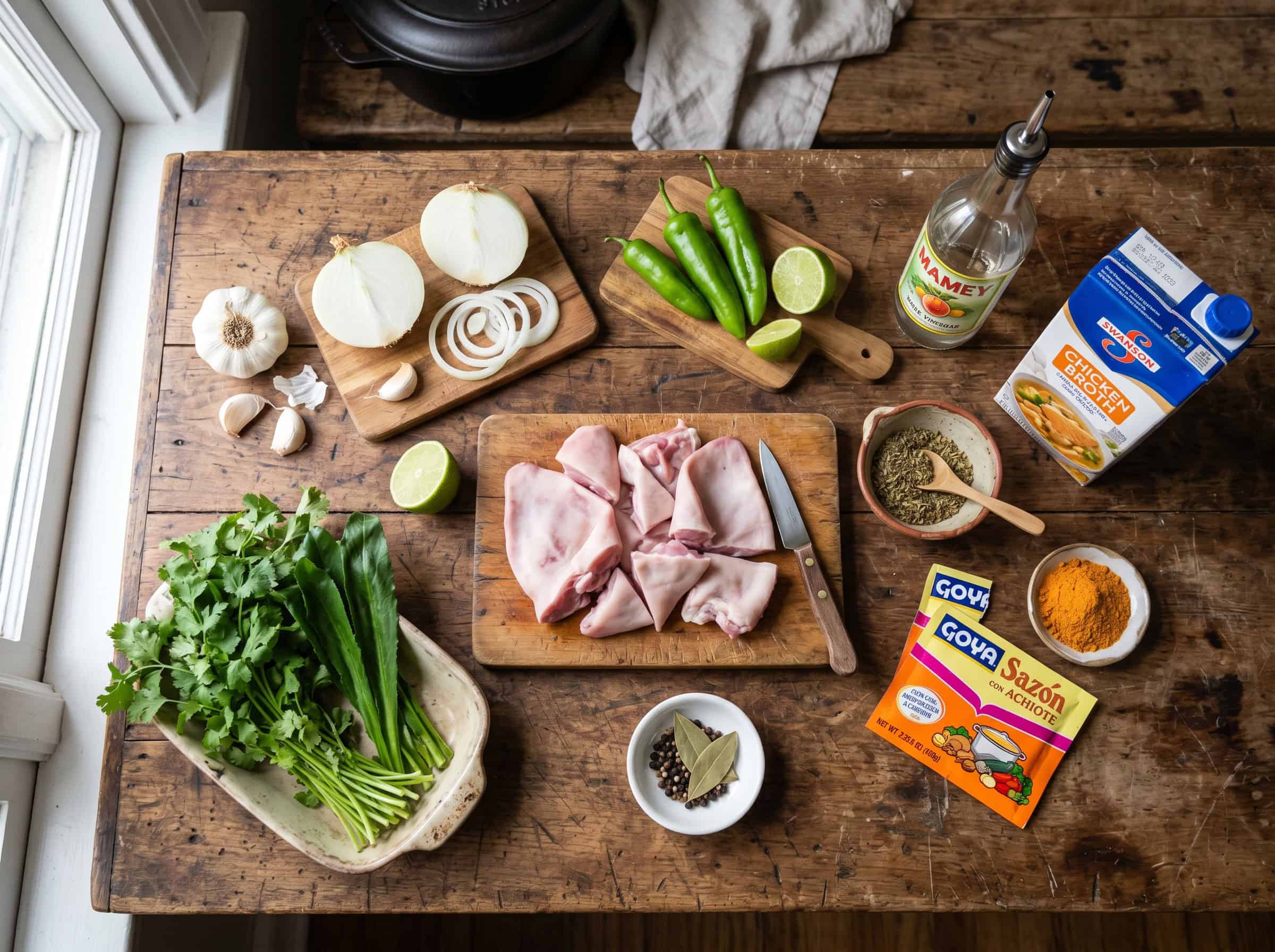
Ingredients for Pig Ears
- 4 pig ears, cleaned and trimmed
- 4 cups chicken broth
- 1 medium onion, diced
- 3 cloves garlic, minced
- 1 can (14.5 ounces) diced tomatoes
- 1 teaspoon chili powder (adjust to taste)
- 1 teaspoon ground cumin
- 1 teaspoon dried oregano
- 1 teaspoon smoked paprika
- 2 tablespoons vegetable oil
- 2 bay leaves
- Salt and pepper, to taste
- 1 lemon, juiced (for finishing)
- Fresh cilantro, chopped, for garnish
Substitutions & Variations
- Chicken broth: Use beef broth or pork stock for a richer, more robust flavor that complements the pig ears perfectly.
- Diced tomatoes: Substitute with sofrito (Dominican cooking base) for an authentic Caribbean flavor that adds depth with cilantro, peppers, and onions.
- Chili powder: Replace with scotch bonnet or habanero pepper (finely minced) to give it that signature Caribbean heat and fruity spice.
- Smoked paprika: Use achiote paste or annatto powder for the traditional Dominican color and earthy flavor.
- Vegetable oil: Swap for coconut oil to add a subtle tropical richness that enhances the Caribbean character of the stew.
- Ground cumin: Add sazón seasoning instead for that classic Dominican flavor blend with coriander and annatto.

How to Make Pig Ears
- Rinse the pig ears under cold water and vinegar to clean them. Pat them dry.
- Heat vegetable oil in a large pot over medium heat. Add the diced onion and cook until translucent, about 3-4 minutes. Add the minced garlic and cook for another minute until fragrant.
- Stir in the canned diced tomatoes (including the juices). Add the chili powder, ground cumin, dried oregano, smoked paprika, bay leaves, salt, and pepper to the pot. Stir well to combine.
- Add the prepared pig ear pieces to the pot. Pour in the chicken broth, ensuring that the pig ears are submerged. Bring the stew to a simmer.
- Reduce the heat to low and let the stew simmer, covered, for about 2 to 2.5 hours, or until the pig ears are tender and the flavors have melded together. Stir occasionally.
- Taste the stew and adjust the seasoning if necessary, adding more salt, pepper, or chili powder as needed.
- Just before serving, squeeze the juice of one lemon into the stew and stir well to incorporate. The lemon juice will add brightness to the dish.
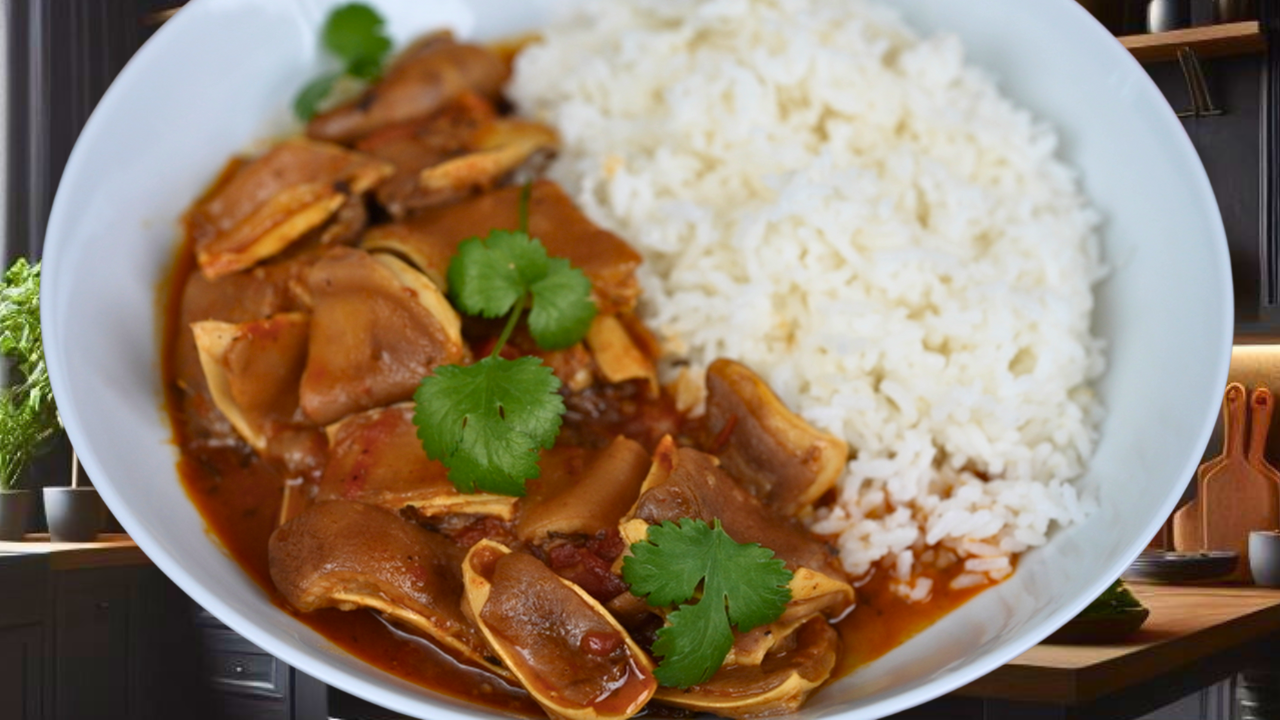
- Ladle the pig ear stew into bowls. Garnish with chopped cilantro and serve with lime wedges on the side. Serve hot with cooked rice or crusty bread.
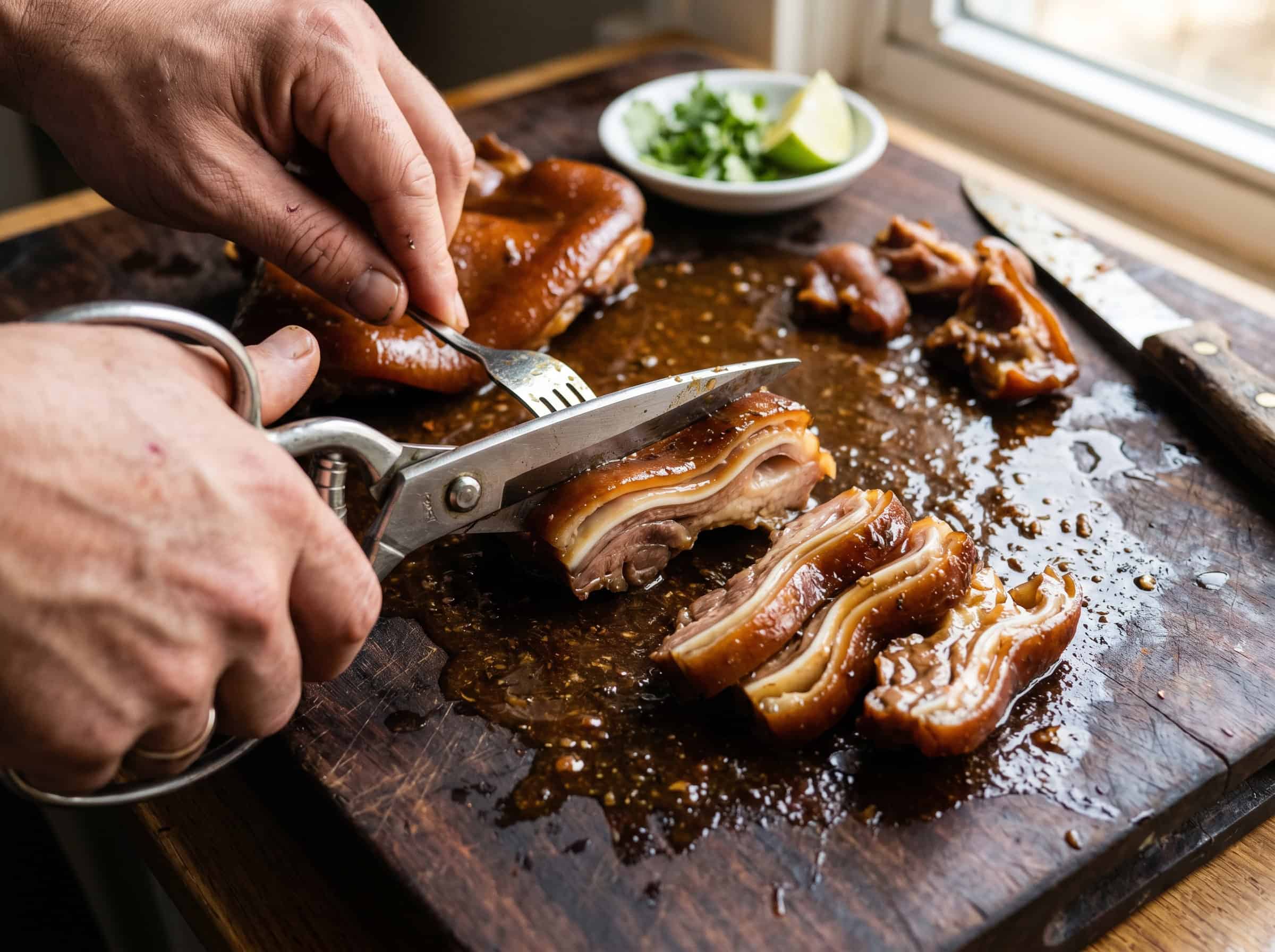
What to Serve With Pig Ears
White rice is the classic pairing — it soaks up the rich, gelatinous sauce beautifully and balances the bold flavors of the stew.
Fried sweet plantains (maduros) add a caramelized sweetness that contrasts perfectly with the savory, well-seasoned stew.
Avocado slices on the side add a cool, creamy element that rounds out the meal and adds a fresh touch.
Frequently Asked Questions
Where can I buy pig ears?
Check your local butcher shop, Latin or Asian grocery stores, or ask at the meat counter of your supermarket. They’re very affordable.
How long do pig ears take to cook?
Plan for 2–3 hours of braising on low heat. They’re done when a fork slides through easily.
Can I use a pressure cooker?
Yes! A pressure cooker cuts the time to about 45–60 minutes while achieving the same tender result.
How do I store leftover stew?
Store in an airtight container in the fridge for up to 5 days. The stew reheats beautifully on the stove.
Can I freeze pig ear stew?
Yes, it freezes well for up to 3 months. Thaw overnight in the fridge before reheating.
What gives the stew its thick sauce?
The natural collagen in pig ears breaks down during cooking, creating a rich, glossy sauce without any thickener.
Is pig ear stew healthy?
Pig ears are high in protein and collagen. When prepared with vegetables and served in moderation, it’s a nutritious meal.
How do I clean and prepare pig ears before cooking?
Thoroughly scrub the pig ears under cold running water and use a sharp knife to remove any excess hair or debris. Pat them dry before searing.
Ingredients
Method
- Rinse the pig ears under cold water and vinegar to clean them. Pat them dry.
- Heat vegetable oil in a large pot over medium heat. Add the diced onion and cook until translucent, about 3-4 minutes. Add the minced garlic and cook for another minute until fragrant.
- Stir in the canned diced tomatoes (including the juices). Add the chili powder, ground cumin, dried oregano, smoked paprika, bay leaves, salt, and pepper to the pot. Stir well to combine.
- Add the prepared pig ear pieces to the pot. Pour in the chicken broth, ensuring that the pig ears are submerged. Bring the stew to a simmer.
- Reduce the heat to low and let the stew simmer, covered, for about 2 to 2.5 hours, or until the pig ears are tender and the flavors have melded together. Stir occasionally.
- Taste the stew and adjust the seasoning if necessary, adding more salt, pepper, or chili powder as needed.
- Just before serving, squeeze the juice of one lemon into the stew and stir well to incorporate. The lemon juice will add brightness to the dish.
- Ladle the pig ear stew into bowls. Garnish with chopped cilantro and serve with lime wedges on the side. Serve hot with cooked rice or crusty bread.
Nutrition
Video
Notes
- Clean ears thoroughly — scrub with salt and lime or vinegar, then blanch before braising to remove impurities.
- Low and slow wins — cook on low heat for at least 2 hours until the ears are completely tender.
- Season generously — pig ears absorb a lot of flavor, so don’t be shy with your aromatics and spices.
- Make it a day ahead — like most stews, the flavors develop and improve overnight in the fridge.
- Skim the fat — after chilling overnight, remove the layer of solidified fat from the top for a cleaner sauce.
Tried this recipe?
Let us know how it was!Filed Under
Appetizers · Pork · Dominican
You May Also Like
- My Favorite Chili Recipe
- The Best Italian Wedding Soup I Ever Made
- Creamy Tuscan Pork Medallions with Garlic Butter Orzo
Kitchen Tools Used in This Recipe
As an Amazon Associate I earn from qualifying purchases.





Leave a Reply