
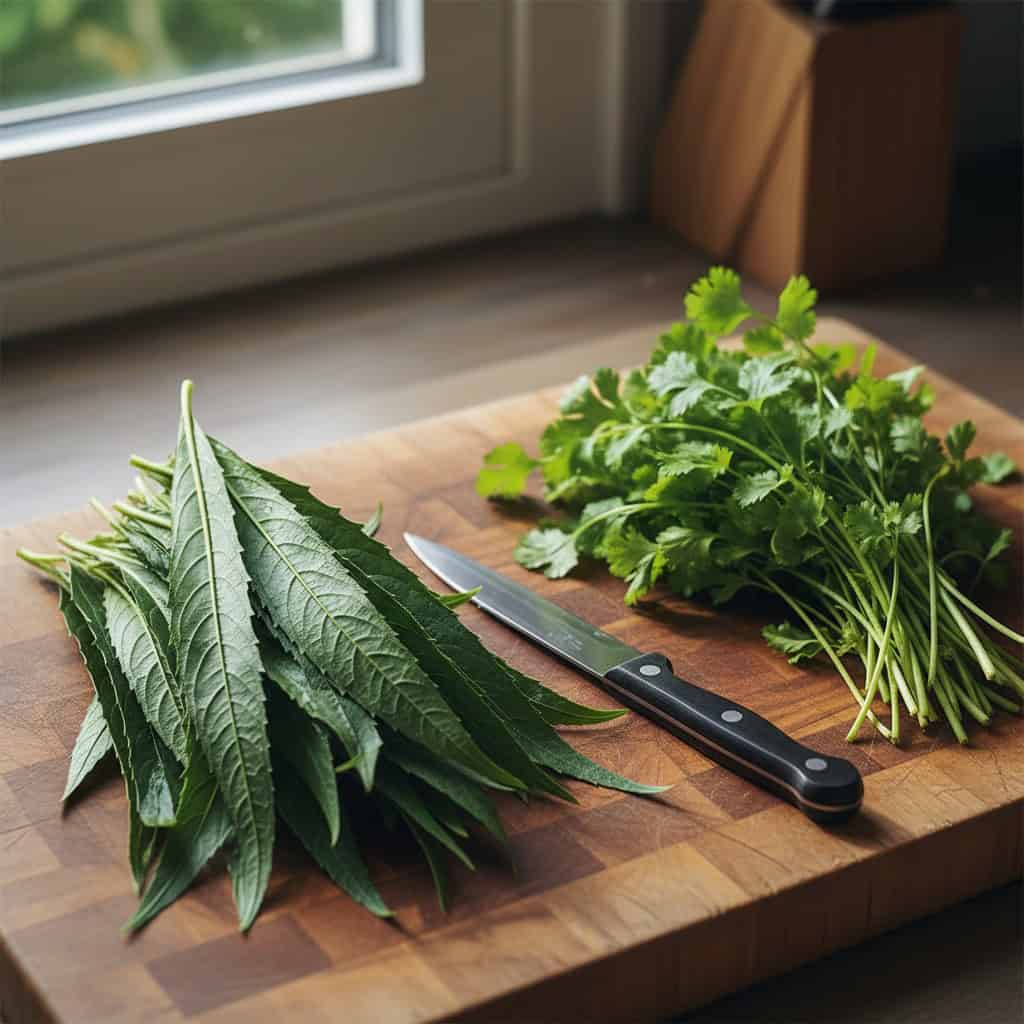
Culantro — also called recao, shadow beni, or long-leaf cilantro — is the herb that makes Dominican and Caribbean cooking taste unmistakably itself. If you've ever wondered why your sofrito tastes a little flat or your sancocho is missing something hard to name, the answer is almost always culantro. Here's what to use when you can't find it.
Most American grocery stores still don't carry fresh culantro, even in 2026. It's a Latin and Asian market staple that hasn't quite crossed over the way cilantro has — which means most home cooks outside Caribbean households end up substituting and never quite know if they got it right. This guide is the answer.
What Is Culantro?
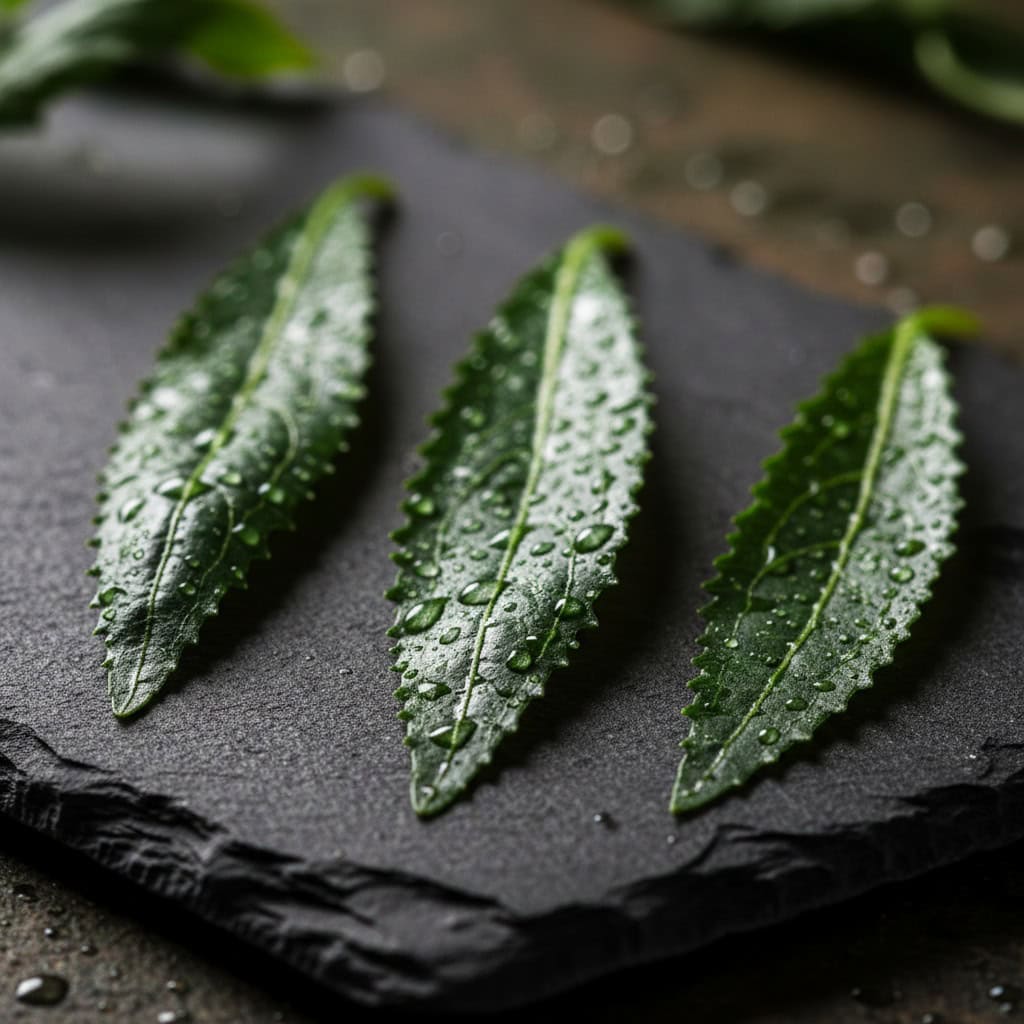
Culantro (Eryngium foetidum) is a long-leafed herb native to tropical Central and South America, with serrated edges and a flavor that's a much more intense, more complex version of cilantro. The leaves grow in a flat rosette close to the ground, look almost like a long dandelion leaf, and are sturdier and chewier than cilantro. The flavor is what matters most — culantro is earthier, more pungent, and has a slight pepperiness that cilantro doesn't have.
Other names you'll see it called:
- Recao — what Dominicans and Puerto Ricans call it
- Cilantro de monte / cilantro habanero — common in Mexico and Cuba
- Shadow beni / chadon beni — Trinidadian and Caribbean English name
- Ngo gai / sawtooth herb — Vietnamese name (used in pho garnishes)
- Long-leaf cilantro — the most common American grocery store name
Where to find it: Latin grocery stores (especially Dominican, Puerto Rican, and Mexican markets), Asian markets (especially Vietnamese and Thai), and farmers markets in areas with Caribbean or Southeast Asian communities. Almost never at standard chain grocery stores. Some Whole Foods and Sprouts carry it sporadically.
Culantro vs Cilantro — What's the Difference?
This is the most asked question, and the answer matters because it determines what to substitute and how much. Culantro and cilantro are not the same plant, despite the similar names and overlapping flavors.
- Cilantro (Coriandrum sativum): Soft, delicate, lacy green leaves on thin stems. Mild bright herbal flavor. Loses flavor quickly when cooked. Best added at the end.
- Culantro (Eryngium foetidum): Long, sturdy, serrated leaves growing flat to the ground. Much more intense and complex flavor — think cilantro turned up to 11, with added earthiness and slight peppery notes. Holds up to long cooking, which is why it's the herb of choice for slow-simmered Caribbean stews.
The two herbs share a similar primary flavor compound (linalool and other aldehydes) which is why they taste related. But culantro is much more concentrated and has additional herbaceous notes that cilantro doesn't have. If you've ever made homemade sofrito with cilantro instead of culantro, you've experienced the difference firsthand — sofrito with cilantro is good, but sofrito with culantro is unmistakably Dominican.
The Best Culantro Substitutes (Ranked)
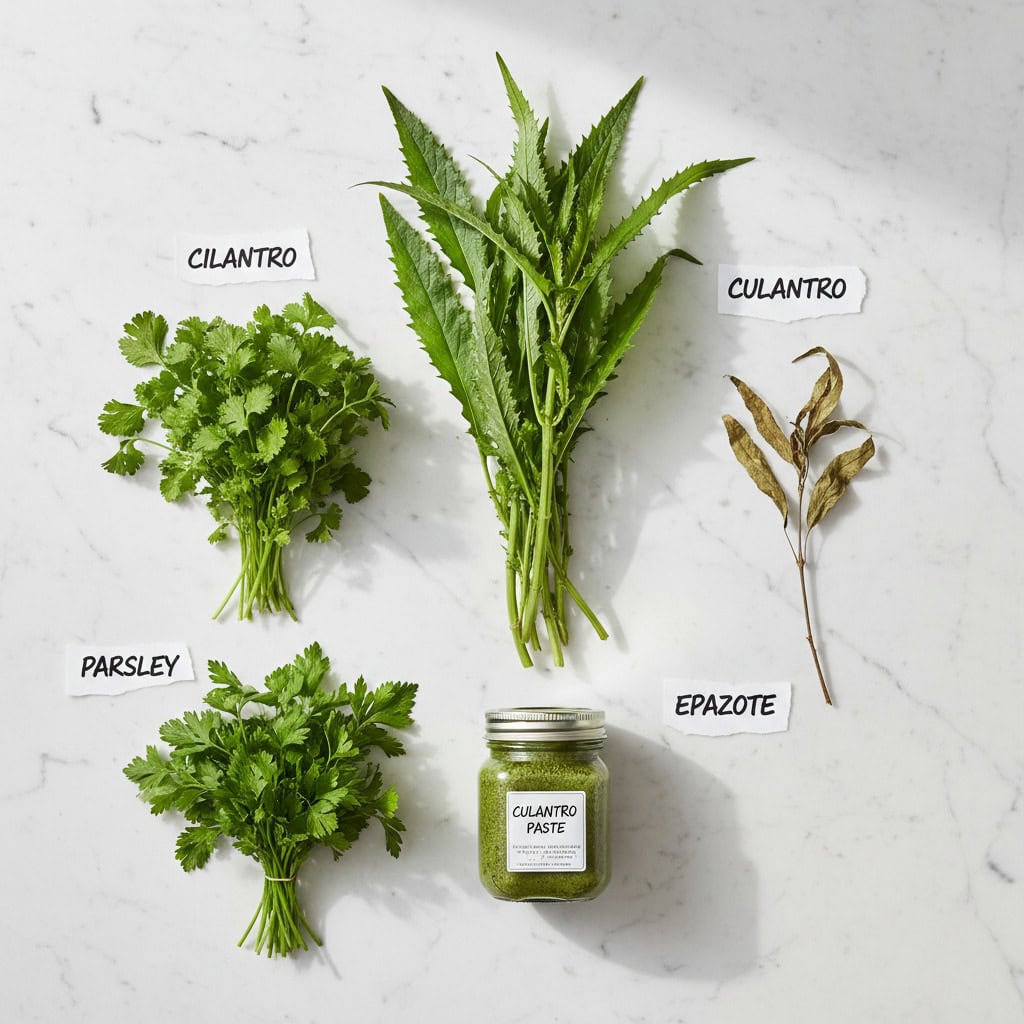
1. Frozen Culantro / Culantro Paste (Best Substitute)
If you can find frozen culantro or culantro paste at a Latin grocery store (often sold in small jars or freezer packs by Goya, La Cena, or Iberia), use it. It's actually preferred over fresh in many cases because it's already pre-blended and the flavor is highly concentrated. Use 1 tablespoon of paste in place of every 2 tablespoons of fresh culantro called for. This is also the best option for shelf-stable culantro you can keep on hand for months.
2. Cilantro (Most Available, Use Double)
Cilantro is the closest fresh substitute and the one you'll have the easiest time finding. Use roughly double the amount of cilantro for any culantro called for in a recipe. So if a recipe calls for 2 tablespoons of chopped culantro, use 4 tablespoons of chopped cilantro. The result won't be identical — you'll lose some of the earthy depth and the herb won't hold up to long cooking the same way — but you'll get the foundational flavor and brightness.
Tip: Add cilantro at the end of cooking when substituting in stews, since it loses its flavor faster than culantro does. For sofrito, blend the cilantro raw — it'll release its oils into the base.
3. Cilantro + Pinch of Epazote (Closest Flavor Match)
Epazote is a Mexican herb with strong, slightly medicinal, earthy notes. Mixing it sparingly with cilantro mimics the depth and complexity of culantro better than cilantro alone. Use 2 tablespoons of cilantro plus a small pinch (¼ teaspoon, no more) of dried epazote for every 1 tablespoon of fresh culantro. The epazote needs to be used in small quantities — too much and it overpowers the dish with its medicinal note. This is the move for sofrito and beans where you want maximum complexity.
4. Vietnamese Sawtooth Herb (Same Plant, Different Name)
If you have access to a Vietnamese or Thai grocery, look for "ngo gai" or "sawtooth herb" — it's the exact same plant as culantro, just sold under a different name in Southeast Asian markets. Often easier to find than the Latin-market version in cities with large Vietnamese populations. Use 1:1 in any recipe.
5. Parsley (Last Resort, Loses Authenticity)
Flat-leaf parsley is your last-resort substitute. It has the leafy green character but none of the cilantro/culantro flavor profile. Use this only when you absolutely have nothing else, and accept that the dish will taste different — fresher, more European, less Caribbean. Use 1.5x the amount of parsley for every measure of culantro called for. I'd honestly rather skip the herb entirely than use parsley in sofrito, but it's better than nothing in a soup or stew where you need a green note.
Culantro Substitution Conversion Chart
Here's the quick-reference chart for swapping culantro in any recipe:
| If recipe calls for… | Substitute with… |
|---|---|
| 1 tablespoon fresh culantro | 2 tablespoon fresh cilantro OR 1.5 teaspoon culantro paste OR 2 tablespoon cilantro + ¼ teaspoon dried epazote |
| 2 tablespoon fresh culantro | 4 tablespoon fresh cilantro OR 1 tablespoon culantro paste OR 4 tablespoon cilantro + ½ teaspoon dried epazote |
| ¼ cup fresh culantro | ½ cup fresh cilantro OR 2 tablespoon culantro paste |
| 1 culantro leaf | 2-3 cilantro sprigs (about 2 tablespoon leaves) |
Which Recipes Need Culantro Most?
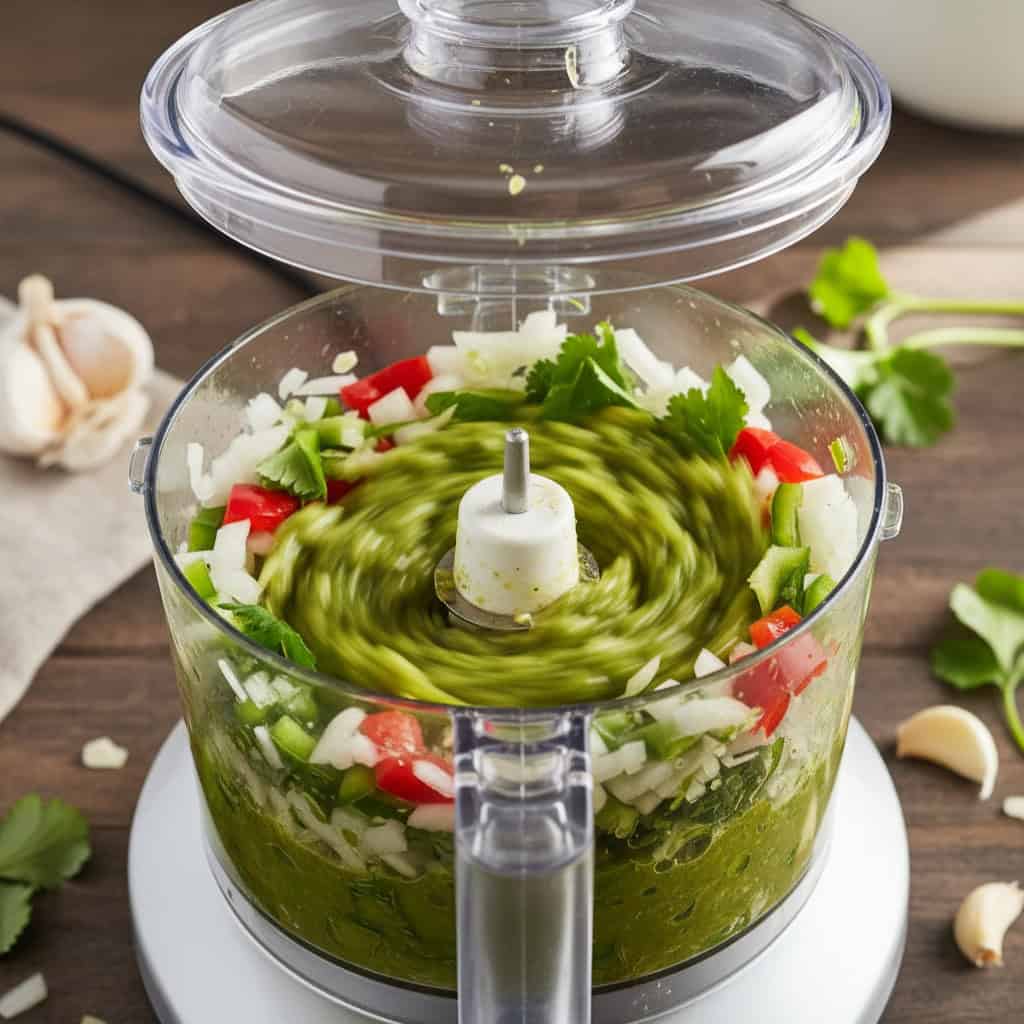
Some recipes really need culantro to taste right. Others can work fine with cilantro substituted. Here's where it matters most:
- Dominican Sofrito: Culantro is the heart of authentic Dominican sofrito. If you can only find culantro for one recipe, make it sofrito. The base flavor of all your Caribbean cooking depends on it.
- Sancocho: Long-simmered stews benefit massively from culantro because it holds its flavor through hours of cooking. Cilantro fades; culantro carries through.
- Habichuelas Guisadas: The same logic — the slow-simmered beans need an herb that doesn't fall apart over heat. Culantro gives them their signature depth.
- Pollo guisado, carne guisada, locrio: All slow-simmered Dominican mains. Culantro in the sofrito base + a fresh sprinkle at the end is the move.
Recipes where cilantro is fine and culantro isn't strictly needed include: ceviche (cilantro is preferred for its brightness), guacamole (cilantro is the standard), tacos and salsas (cilantro is what you want), wasakaka (the green Dominican sauce — cilantro and parsley are traditional).
Where to Buy Culantro
Your best bets, in order:
- Latin grocery stores: Any Dominican, Puerto Rican, Mexican, or Cuban market. Look in the fresh herb section near the cilantro.
- Vietnamese / Thai / Filipino markets: Sold as "ngo gai" or "sawtooth herb."
- Farmers markets: In cities with Caribbean or Southeast Asian communities, summer-season farmers markets often have it.
- Online: If you can't source fresh, dried culantro/recao is available on Amazon and works as a backup for soups and stews. Search dried culantro on Amazon for current options. Use about 1 teaspoon dried for every 1 tablespoon fresh called for.
- Grow your own: Culantro grows easily in warm humid climates and tolerates partial shade. Seeds are available online — it's a perennial in zones 9+ and an annual in colder zones. If you live anywhere south of Atlanta, you can grow it on a porch all summer.
How to Store Fresh Culantro
Once you find it, store it properly so you can stretch one bunch across multiple recipes:
- Refrigerated: Wrap fresh culantro in slightly damp paper towels, place in a zip-top bag with the air pressed out, store in the crisper drawer. Lasts 2-3 weeks (much longer than cilantro, which usually goes off in 5-7 days).
- Frozen: Chop fresh culantro and freeze in ice cube trays with a splash of water or olive oil. Pop out cubes as needed. Stays good 6+ months. This is what I do — one bunch yields about 12 cubes, enough for a dozen pots of sofrito or stew.
- Blended into sofrito: The best long-term storage. Blend a big batch of sofrito with culantro, freeze in ice cube trays. You get pre-portioned culantro AND your base in one step.
Frequently Asked Questions
Is culantro the same as cilantro?
No — they're different plants. They share a similar primary flavor compound, but culantro (Eryngium foetidum) has long serrated leaves and a much more intense, earthy, peppery flavor. Cilantro (Coriandrum sativum) has soft lacy leaves and a milder, brighter flavor. Culantro also holds up to long cooking, while cilantro fades fast over heat.
What can I use instead of culantro for sofrito?
Best to worst: (1) frozen culantro paste, (2) double the amount of fresh cilantro plus a pinch of dried epazote, (3) double cilantro on its own, (4) cilantro plus a pinch of dried oregano. Dominican sofrito really benefits from culantro, but cilantro will get you most of the way there if that's what you have.
How much cilantro equals one tablespoon of culantro?
Two tablespoons of chopped fresh cilantro equals roughly one tablespoon of chopped fresh culantro in flavor intensity. Always double up when substituting cilantro for culantro.
Can I use dried culantro instead of fresh?
Yes — dried culantro (or dried recao) works in soups, stews, and sofritos where it has time to rehydrate during cooking. Use about 1 teaspoon dried for every 1 tablespoon fresh called for. It won't have the brightness of fresh, but it carries the deep earthy note. Dried recao is available online and is a great pantry backup.
You May Also Like
- Authentic Dominican Sofrito Recipe — the foundation of all Dominican cooking
- Dominican Sancocho Recipe — where culantro really shines
- Habichuelas Guisadas Recipe
- Dominican Food Guide — A Beginner's Tour
The right herb makes the dish. Find it if you can. Substitute well if you can't.


Leave a Reply