
This Reverse Seared Steak is tender, savory, and full of bold flavors. It's the kind of recipe that makes any dinner feel special without requiring hours in the kitchen. Simple ingredients, amazing results — let's get cooking!

About This Recipe
Here's the beautiful science behind reverse searing: when you start low in the oven, enzymes break down muscle proteins gradually while moisture evaporates slowly from the surface. This creates what food scientists call the 'gradient effect' — your steak develops an incredibly even doneness from edge to center, something impossible with traditional searing. The magic happens around 120°F internal temp, when myosin proteins begin denaturing uniformly throughout the meat. Then comes the chemistry surprise most home cooks miss: that slow-dried surface becomes a sugar and protein playground. When you hit the screaming hot pan, the Maillard reaction explodes instantly because there's no surface moisture to steam away the heat. You get that perfect crust in 60-90 seconds per side instead of the usual 3-4 minutes. This isn't just about browning — you're creating hundreds of new flavor compounds that penetrate the meat. It's like having two completely different cooking methods work in perfect harmony.
Ingredients for Reverse Seared Steak
- 2 8-ounce NY Strip steaks, 1 inch thick
- Kosher salt — to taste
- Freshly ground black pepper — to taste
- 4 tablespoons canola oil
- 4 tablespoons butter
- 2 sprigs fresh thyme
- 2 sprigs fresh rosemary
- 3 cloves garlic — smashed
Substitutions & Variations
- NY Strip steaks: ribeye, filet mignon, or even thick-cut churrasco-style sirloin - ribeye adds more marbling for richness while filet mignon offers buttery tenderness, and churrasco-style sirloin brings that Dominican steakhouse flavor.
- Canola oil: avocado oil or refined coconut oil - avocado oil handles high heat even better and adds subtle richness, while refined coconut oil (popular in Caribbean cooking) stays neutral but gives a hint of tropical essence.
- Fresh thyme and rosemary: oregano and cilantro stems - this Caribbean herb combination infuses the butter with bright, island flavors that complement beef beautifully.
- Butter: ghee or coconut oil - ghee won't burn as easily during the high-heat searing, while coconut oil adds a subtle tropical note that pairs well with Caribbean seasonings.
- Kosher salt and black pepper: sazón completa or adobo seasoning - these Dominican spice blends add garlic, oregano, and sometimes annatto for color, creating a more complex flavor profile than plain salt and pepper.
- Smashed garlic: whole scotch bonnet or habanero pepper (seeds removed) - adds Caribbean heat and fruity flavor to the finishing butter without overwhelming the beef's natural taste.
How to Make Reverse Seared Steak
- Preheat oven to 250 degrees F (120 degrees C). Season steaks generously on all sides with kosher salt and freshly ground black pepper.
- Place steaks on a wire rack over a baking sheet. Bake for 25 minutes, or until internal temperature reaches 120-125 degrees F (49-52 degrees C) for medium-rare. Adjust time according to your preferred level of doneness.
- Heat canola oil in a stainless steel or cast-iron skillet over high heat until smoking. Sear the first side of the steak for 30 seconds, then flip.
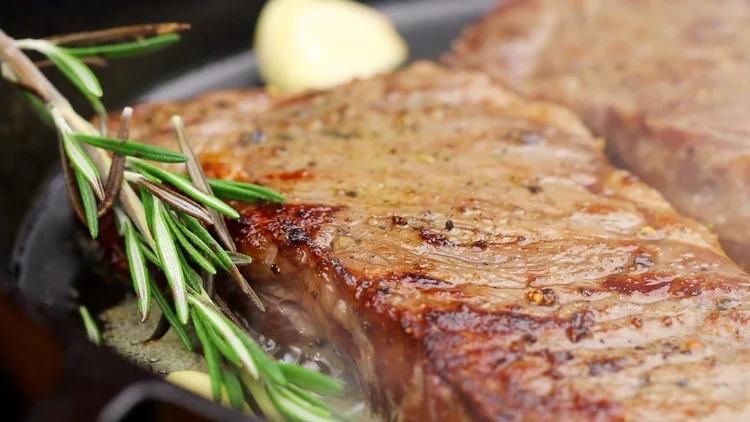
- Immediately add butter, thyme, rosemary, and garlic to the pan. Tilt the pan slightly and baste the steak continuously with melted butter for 30-45 seconds.
- Use a thermometer or the finger test for doneness: Rare 120-125 degrees F, Medium-Rare 130-135 degrees F, Medium 140-145 degrees F, Well-Done 160 degrees F and above.
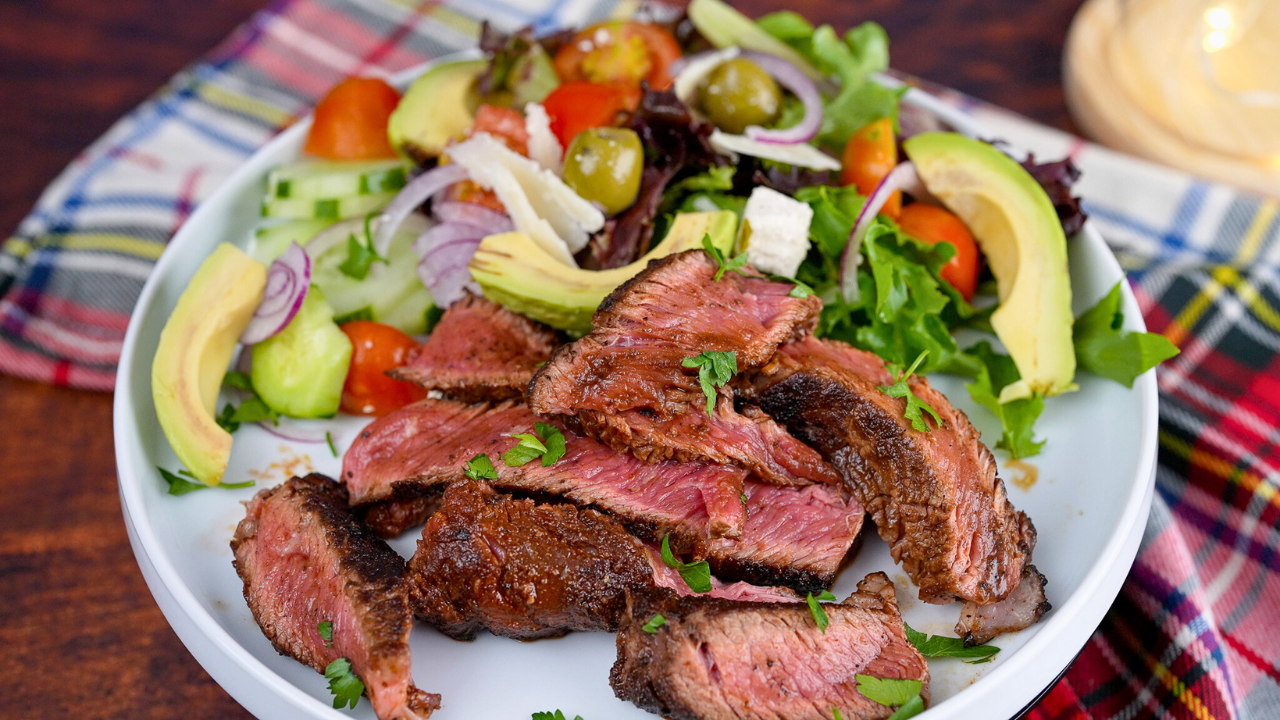
- Let the steak rest for 5-10 minutes before slicing. This allows the juices to redistribute throughout the meat. Slice against the grain and serve.
What to Serve With Reverse Seared Steak
My garlic mofongo pairs beautifully with reverse seared steak - the crispy, garlicky plantains soak up those beautiful pan juices while adding that authentic Dominican touch my abuela would approve of. The contrast between the tender beef and crunchy mofongo creates the perfect bite every time.
For something lighter, try serving this alongside roasted asparagus with a squeeze of fresh lemon and a sprinkle of sea salt. The bright acidity cuts through the rich, buttery steak while the asparagus adds that satisfying crunch and earthy flavor that complements the beef's natural richness perfectly.
Don't sleep on a simple arugula salad dressed with olive oil, aged balsamic, and shaved Parmesan - the peppery greens and tangy cheese create an incredible flavor contrast. This combination cleanses your palate between bites and makes each piece of steak taste even more luxurious.
Frequently Asked Questions
1. What is the reverse sear method for steak?
The reverse sear cooks the steak low and slow in the oven first (to your target internal temperature), then finishes with a blazing hot sear in a cast iron skillet for the crust.
2. Why is reverse searing better than traditional searing?
It produces the most even doneness edge-to-edge with no gray overcooked band. Traditional sear-first creates a gradient from well-done edges to a rare center.
3. What temperature should the oven be for reverse sear?
225-275 degrees. The low, gentle heat slowly brings the steak to temperature without overcooking the exterior. This phase takes 30-45 minutes depending on thickness.
4. What internal temperature should I pull the steak from the oven?
Pull at 10-15 degrees below your target. For medium-rare (130 final), pull at 115-120. The final sear adds the remaining degrees in about 60-90 seconds per side.
5. What cut of steak works best for reverse sear?
Thick steaks (1.5 inches or more) benefit most — ribeye, NY strip, porterhouse, or filet mignon. Thin steaks cook too quickly in the oven to use this method effectively.
6. How long does the final sear take?
60-90 seconds per side in a screaming hot cast iron skillet with oil. The surface should be completely dry — pat with paper towels before searing for the best crust.
7. Do I need to rest the steak after reverse searing?
The steak rested during the oven phase, so a long rest after searing is less critical. A brief 5-minute rest is sufficient — the internal temperature is already stable.
8. Should I use a wire rack in the oven?
Yes — placing the steak on a wire rack over a sheet pan allows air to circulate around the entire steak for the most even cooking. Without a rack, the bottom overcooks.
9. What oil should I use for the final sear?
Avocado oil or another high smoke-point oil. The pan should be smoking hot. Add butter, garlic, and thyme during the last 30 seconds and baste for extra flavor.
10. Can I reverse sear on a grill?
Yes — set up a two-zone fire with indirect heat on one side. Cook the steak on the cool side first, then sear directly over the hot coals for the final crust.
Reverse Seared Steak Video
Reverse Seared Steak
Ingredients
Method
- Preheat oven to 250 degrees F (120 degrees C). Season steaks generously on all sides with kosher salt and freshly ground black pepper.
- Place steaks on a wire rack over a baking sheet. Bake for 25 minutes, or until internal temperature reaches 120-125 degrees F (49-52 degrees C) for medium-rare. Adjust time according to your preferred level of doneness.
- Heat canola oil in a stainless steel or cast-iron skillet over high heat until smoking. Sear the first side of the steak for 30 seconds, then flip.
- Immediately add butter, thyme, rosemary, and garlic to the pan. Tilt the pan slightly and baste the steak continuously with melted butter for 30-45 seconds.
- Use a thermometer or the finger test for doneness: Rare 120-125 degrees F, Medium-Rare 130-135 degrees F, Medium 140-145 degrees F, Well-Done 160 degrees F and above.
- Let the steak rest for 5-10 minutes before slicing. This allows the juices to redistribute throughout the meat. Slice against the grain and serve.
Nutrition
Notes
Choose steaks at least 1.5 inches thick because thinner cuts cook too quickly in the oven phase, eliminating the gradient effect that makes reverse searing superior to traditional methods. After years of reverse searing, I've learned to pull the steak at 5°F below target temp because that final sear adds exactly 5°F, and carryover cooking is minimal with this method. Use a cast iron or carbon steel pan for searing because stainless steel doesn't retain heat well enough — when that cold steak hits the surface, inferior pans lose temperature and you get steaming instead of searing. Skip the oil in the pan and instead brush the steak with high-heat oil like avocado oil because this prevents smoking while ensuring even contact with the hot surface for optimal crust formation.
Tried this recipe?
Let us know how it was!Filed Under
Leave a Reply