
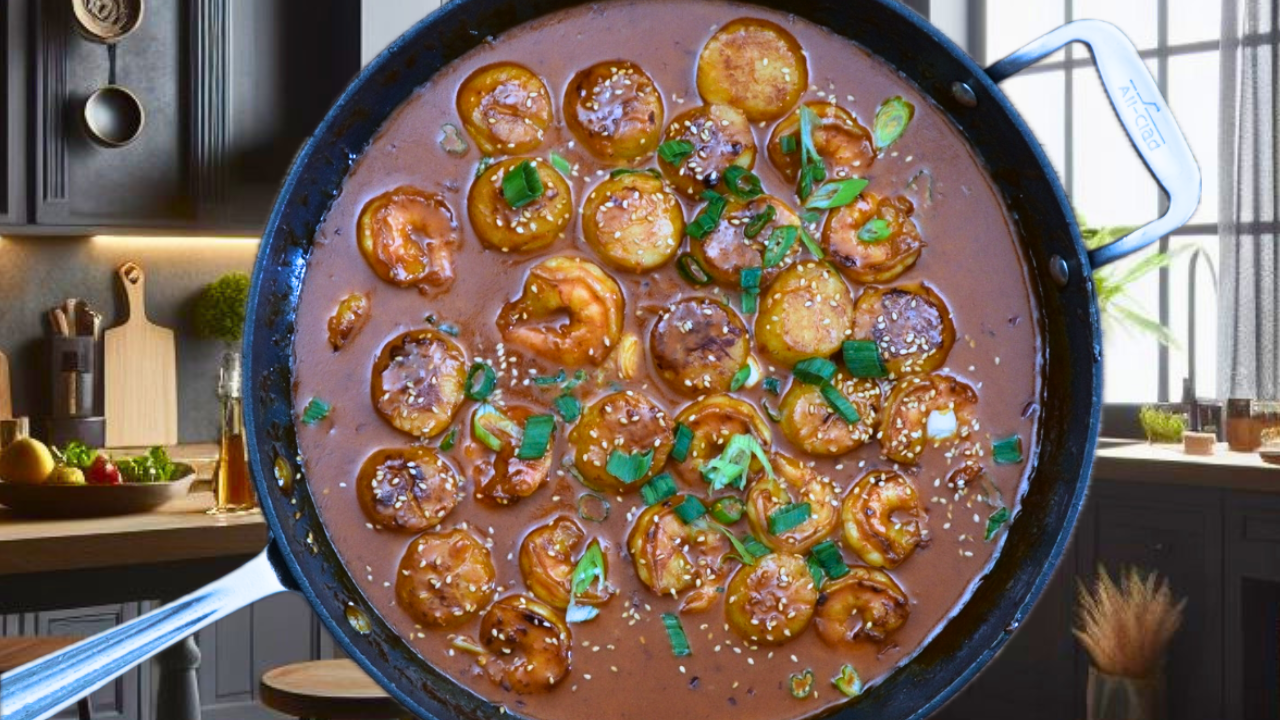
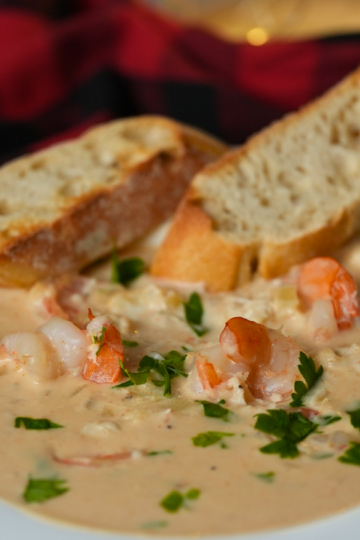
This Spicy Gochujang Scallops & Shrimp – Creamy, Bold & Irresistible! is light, flavorful, and comes together in no time. Perfect for a healthy weeknight dinner or when you want something a little more elegant, this recipe never disappoints. Fresh, simple, and absolutely delicious!

About This Recipe
Here's the fascinating science behind why gochujang transforms seafood so brilliantly: the fermented chili paste contains natural glutamates that intensify the oceanic umami in scallops and shrimp through a process called flavor amplification. When you sear the seafood first, you're creating the Maillard reaction – but here's what most home cooks don't realize: gochujang's fermented sugars caramelize at a lower temperature than regular sugars, meaning your glaze develops complex depth without burning the delicate proteins. The cream doesn't just add richness – it actually helps emulsify the gochujang's oils, creating a silky coating that clings to each piece of seafood. This is why you can't just substitute sriracha or regular chili paste; gochujang's unique fermentation creates compounds that bond specifically with seafood proteins, explaining why Korean cuisine pairs it so masterfully with everything from grilled fish to seafood pancakes.
Ingredients for Spicy Gochujang Scallops & Shrimp
- 1 lb scallops — patted dry for the best sear
- ½ lb shrimp — peeled & deveined
- 1 ½ tablespoon olive oil — divided
- 1 tablespoon butter
- 4 cloves garlic — minced
- 1 ½ tablespoon gochujang — adjust to spice preference
- ¾ cup heavy cream
- 1 ½ tablespoon soy sauce
- 1 tablespoon honey
- ½ teaspoon red pepper flakes — optional, for extra heat
- ½ teaspoon sesame oil
- 1 tablespoon chopped green onions — for garnish
- Sesame seeds — for garnish
Substitutions & Variations
- Gochujang: Replace with 1 tablespoon Dominican ají cachucha paste mixed with ½ teaspoon brown sugar for a Caribbean twist that brings fruity heat without the Korean fermented funk.
- Heavy cream: Substitute with full-fat coconut milk to create a tropical variation that pairs beautifully with the seafood while adding subtle sweetness.
- Scallops: Use chunks of firm white fish like mahi-mahi or grouper, popular in Caribbean waters, which will absorb the sauce better but won't have that coveted caramelized crust.
- Soy sauce: Swap for Maggi seasoning sauce, commonly used in Dominican cooking, which adds similar umami depth with a slightly different mineral note.
- Sesame oil: Replace with a few drops of Caribbean hot sauce like scotch bonnet oil to maintain the flavor complexity while staying true to island cuisine.
- Green onions: Garnish with finely chopped cilantro and a squeeze of lime instead, which brightens the rich sauce and adds that essential Caribbean citrus pop.
How to Make Spicy Gochujang Scallops & Shrimp
- Scallops: Pat them super dry. Heat 1 tablespoon olive oil in a pan over medium-high heat. Sear scallops for 2 minutes per side until golden brown. Remove and set aside.
- Shrimp: Add ½ tablespoon olive oil to the same pan. Cook shrimp for 1-2 minutes per side until pink and slightly charred. Remove and set aside.
What to Serve With Spicy Gochujang Scallops & Shrimp
The creamy heat from these gochujang scallops begs for something cooling and fresh. Try my Dominican-style cucumber salad with lime and red onion – the crisp vegetables and citrus cut right through that rich, spicy sauce while adding a refreshing contrast that keeps you coming back for more.
Coconut rice is absolutely perfect here, and I'm talking about the real deal with actual coconut milk, not just flakes. The subtle sweetness and creamy texture complement the gochujang's fermented heat beautifully, while the rice soaks up every drop of that incredible sauce you've worked so hard to create.
For something with more substance, grilled baby bok choy brings a slight char and bitter edge that balances the sweetness of the scallops. The Asian connection makes sense flavor-wise, and that satisfying crunch gives your mouth a break from all the tender seafood richness.
Frequently Asked Questions
1. What size scallops work best for this recipe?
Large dry-packed sea scallops (U-10 or U-12 count) give the best sear. Avoid bay scallops — they are too small to develop a proper crust in the gochujang sauce.
2. How do I get a good sear on scallops with gochujang?
Pat scallops bone-dry, get the pan smoking hot, and sear 2 minutes per side without moving. Add the gochujang glaze at the very end to prevent burning.
3. What is the difference between wet and dry-packed scallops?
Dry-packed scallops are preservative-free and sear beautifully. Wet-packed scallops contain sodium tripolyphosphate that adds water weight and prevents proper browning.
4. How spicy is the gochujang sauce on the scallops?
Medium heat — gochujang is more sweet and savory than fiery. The cream or butter in the sauce mellows the spice. Add extra gochugaru for more kick.
5. Can I use frozen scallops and shrimp?
Yes, but thaw completely under cold running water and pat extremely dry. Any excess moisture will steam instead of sear, preventing that golden crust.
6. What size shrimp should I use?
Jumbo (16-20 count) or extra large (21-25 count) shrimp match the size of the scallops visually and cook in the same 2-3 minutes per side.
7. What goes well with gochujang scallops and shrimp?
Jasmine rice, coconut rice, stir-fried bok choy, sesame cucumber salad, or garlic noodles all complement the Korean-spiced seafood beautifully.
8. Can I grill these instead of pan-searing?
Scallops and jumbo shrimp work well on the grill — thread on skewers, brush with gochujang glaze, and grill 2-3 minutes per side over high heat.
9. How do I make the creamy gochujang sauce?
Saute garlic, add gochujang paste, then stir in heavy cream, butter, and a splash of soy sauce. Simmer until it coats the back of a spoon.
10. Can I prep the gochujang sauce ahead of time?
Yes, make the sauce up to 2 days ahead and refrigerate. Reheat gently and sear the seafood fresh for the best texture.
Spicy Gochujang Scallops & Shrimp Video
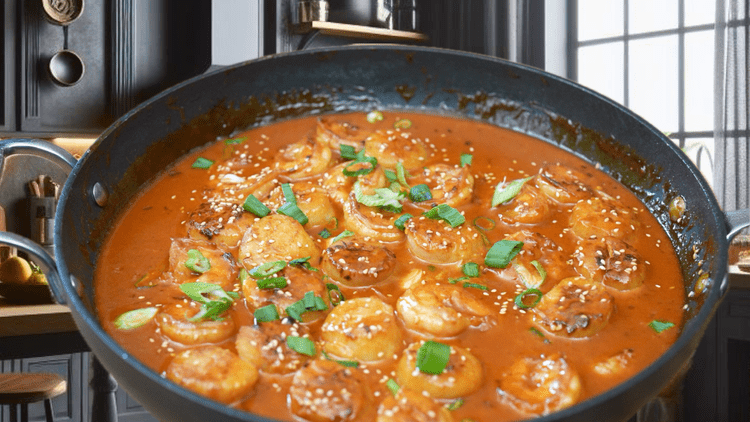
Spicy Gochujang Scallops & Shrimp – Creamy, Bold & Irresistible!
Ingredients
Method
- Scallops: Pat them super dry. Heat 1 tablespoon olive oil in a pan over medium-high heat. Sear scallops for 2 minutes per side until golden brown. Remove and set aside.
- Shrimp: Add ½ tablespoon olive oil to the same pan. Cook shrimp for 1-2 minutes per side until pink and slightly charred. Remove and set aside.
Nutrition
Notes
Buy dry-packed scallops instead of wet-packed because the added preservatives prevent proper browning and dilute the gochujang glaze, leaving you with steamed rather than seared seafood. Add the gochujang to the pan before the cream, not after – I learned this from countless batches where mixing them first created a grainy sauce that broke under heat. Choose 16-20 count shrimp specifically because smaller ones overcook before the gochujang caramelizes, while jumbo ones don't absorb the fermented flavors as effectively in this quick sear method. Pat your seafood completely dry and let it sit uncovered for 10 minutes before cooking – any surface moisture will steam the proteins and prevent the gochujang from developing its signature sticky char.
Tried this recipe?
Let us know how it was!Filed Under
You May Also Like
Shop This Recipe
Never Miss a Recipe
Get Kelvin's latest Dominican & Caribbean recipes straight to your inbox — free.
Leave a Reply