
Mamajuana is the drink I grew up around in Santo Domingo — and if you've never heard of the mamajuana drink, that's because Dominicans have mostly kept it to ourselves for 500 years. Tree bark, herbs, red wine, honey, and rum, aged together in one bottle into something completely unique. We call it 'el palo' (the stick) because of the bark inside the bottle. The locals say it's an aphrodisiac. They've been saying that for five centuries.
Mamajuana is widely considered the Dominican Republic's unofficial national drink — a title earned through centuries of cultural tradition that stretches back long before Columbus ever set foot on Hispaniola. The indigenous Taíno people, the island's original inhabitants, were the first to steep local tree barks and wild herbs into powerful medicinal teas. These infusions were used to treat ailments ranging from stomach pain to fatigue, and the Taíno regarded their knowledge of which barks and roots to combine as sacred wisdom passed from one generation to the next. That botanical foundation — the precise combination of tropical hardwood bark, roots, and dried herbs — is what makes every bottle of mamajuana unique to this day.
When Spanish colonists arrived in the late 15th century, they brought two things that would transform the Taíno herbal tradition forever: sugarcane, which eventually became rum, and grapevines, which became wine. Dominican locals began adding these new alcoholic ingredients to their traditional bark infusions, and the mamajuana drink as we know it was born. By the 1700s, mamajuana had evolved into the rum-and-wine-soaked herbal beverage recognized across the Dominican Republic today. Every Dominican family developed their own closely guarded mamajuana recipe — their own selection of barks, their preferred rum-to-wine ratio, their ideal aging time. The bottle was passed from parent to child, and the aged bark inside was treated almost as a family heirloom. For centuries, Dominicans have believed mamajuana to be a powerful aphrodisiac and cure-all, capable of boosting energy, aiding digestion, and strengthening the immune system.
One of the most remarkable aspects of making mamajuana at home is its sustainability. The bark and herbs inside the bottle can be “refueled” with fresh rum, red wine, and honey dozens of times over several years — some Dominican families have kept the same bark going for a decade or more. Each refill produces a slightly different flavor profile as the bark slowly releases its aromatic compounds. A well-maintained mamajuana bottle is essentially a living drink: it evolves and improves with every batch, growing smoother and more complex over time. This is why so many Dominicans treat their mamajuana bottle with the same reverence a Scotsman might show a prized single malt.
Growing up in Santo Domingo, every family had a mamajuana bottle on the kitchen counter — right next to the sofrito dominicano. The bark and herbs sat at the bottom permanently; you'd refill the bottle with rum, wine, and honey as you drank it down. The same bark could last for years, getting better with each refill. My uncle's mamajuana was 15 years old by the time I left for the States — he treated it like a family heirloom.
Today I'm walking you through the actual process: where to source the bark/herb mix, how to cure it (the first batch is discarded — that's important), how to make the actual drinking version, and how to refill and re-age. This is one of those uniquely Dominican experiences that more people need to know about. Let's pour.
Why You'll Love This Mamajuana Recipe
- Uniquely Dominican: Nothing else in the world tastes like real mamajuana. It's a flavor experience tied to one country.
- Reusable indefinitely: The same bottle of bark can produce dozens of refills over years. Unbeatable economics.
- Built-in conversation starter: Pour it for guests and watch the questions start flowing.
- Connects to Taíno heritage: The bark and herbs have been used in the Caribbean for over 500 years.
- Customizable strength: Adjust the rum-to-wine ratio for stronger or smoother versions.
What Is Mamajuana?
Mamajuana is a traditional Dominican beverage made by aging rum, red wine, and honey together with a mixture of tree barks, roots, and dried herbs inside a bottle. The bark and herbs steep continuously, with the alcohol mixture refilled as it's consumed. The result is a complex, deeply aromatic drink that tastes simultaneously of rum, wine, honey, and earthy forest. The color ranges from amber to deep mahogany depending on aging time. The flavor is acquired — many find it strange at first, then become devoted fans.
The history of mamajuana spans pre-Columbian to modern times. The Taíno people of the Caribbean used the same tree barks and herbs medicinally for centuries before European contact, brewing them into teas to treat various ailments. When Spanish colonizers arrived in the 1490s and brought sugarcane (which became rum) and grape vines (which became wine), the Taíno medicinal preparations were adapted to incorporate these new alcoholic ingredients. By the 1700s, mamajuana had emerged as a distinctly Dominican beverage, blending indigenous medicinal knowledge with colonial-era alcohol production. Today, it remains uniquely Dominican — no other Caribbean country has developed quite the same tradition.
Mamajuana has a strong reputation as an aphrodisiac in Dominican culture, often called 'la viagra dominicana' (the Dominican Viagra). Whether the herbs actually have aphrodisiac properties is debatable, but Dominicans have promoted this reputation for centuries. Tourists visiting the Dominican Republic often hear vendors selling mamajuana with this claim. The reputation is so strong that mamajuana has become a popular souvenir for visitors. Beyond the legends, mamajuana is also genuinely complex and delicious for those who develop a taste for it. Modern Dominican mixologists have begun incorporating mamajuana into craft cocktails, making mamajuana sours and using it as a base for tropical drinks. Whether you drink it for tradition, for the legends, or just for the unique flavor, making mamajuana at home is an experience worth having.
Did You Know? 🌿
- Mamajuana predates Columbus: Indigenous Taíno people brewed herbal teas from the same bark and root combinations long before Spanish colonizers arrived in Hispaniola. The modern version with rum and wine came after colonization, but the herbal knowledge is centuries older.
- Every bottle is unique: Because mamajuana relies on hand-picked wild bark and herbs, no two kits taste exactly alike. The region where the bark was harvested, the time of year, and even the storage conditions all affect the final flavor profile.
- It's a living drink: Each refill of rum, wine, and honey into the same bark changes the mamajuana slightly. The bark slowly releases different compounds over time, meaning the 10th batch from the same bark will taste different than the 1st — usually smoother and more complex.
Ingredients You'll Need
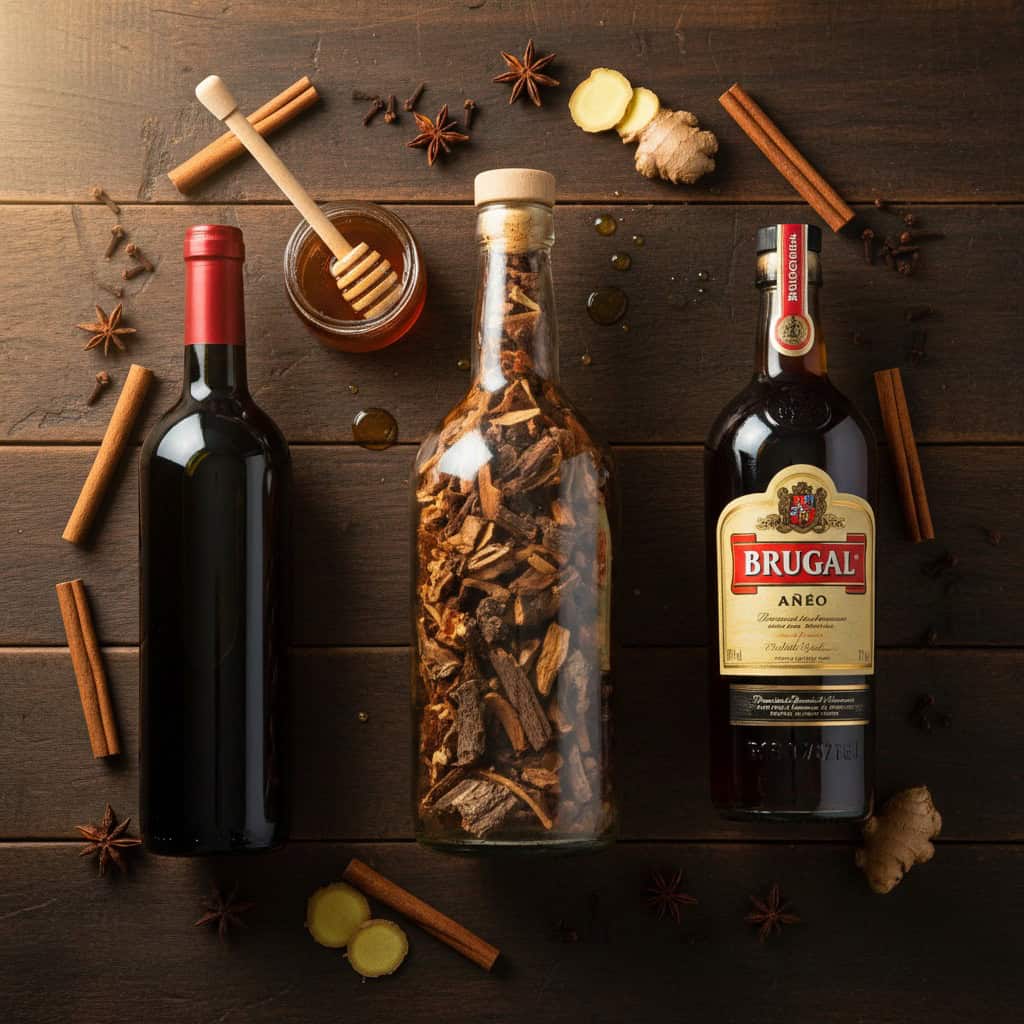
For the Bark and Herb Base
- 1 mamajuana bark/herb kit (purchase pre-made — see sourcing below)
For the First (Curing) Batch — Discard This Liquid!
- 1 bottle (750ml) red wine (basic merlot or cabernet)
- 1 cup dark rum (Brugal or any Dominican rum)
For the Drinking Batch (After Curing)
- 1 bottle (750ml) red wine
- 1 to 1.5 cups dark rum (more for stronger version)
- ½ cup honey (raw is best)
Sourcing the Mamajuana Kit
- Amazon: mamajuana kit — pre-made kits include the right bark and herb mix in a bottle ready to use.
- Latin grocery stores: Some Dominican stores sell loose bark/herb mix or pre-packed kits.
- Dominican gift shops: If you visit the DR, kits are sold everywhere as souvenirs.
- Online specialty retailers: Several US-based Dominican specialty stores sell kits with shipping.
Equipment: A glass bottle or jar large enough to hold 1 liter+ of liquid plus the bark mix. Most kits come pre-loaded in their own bottle.
Step-by-Step Instructions
Step 1 — Inspect the Mamajuana Kit
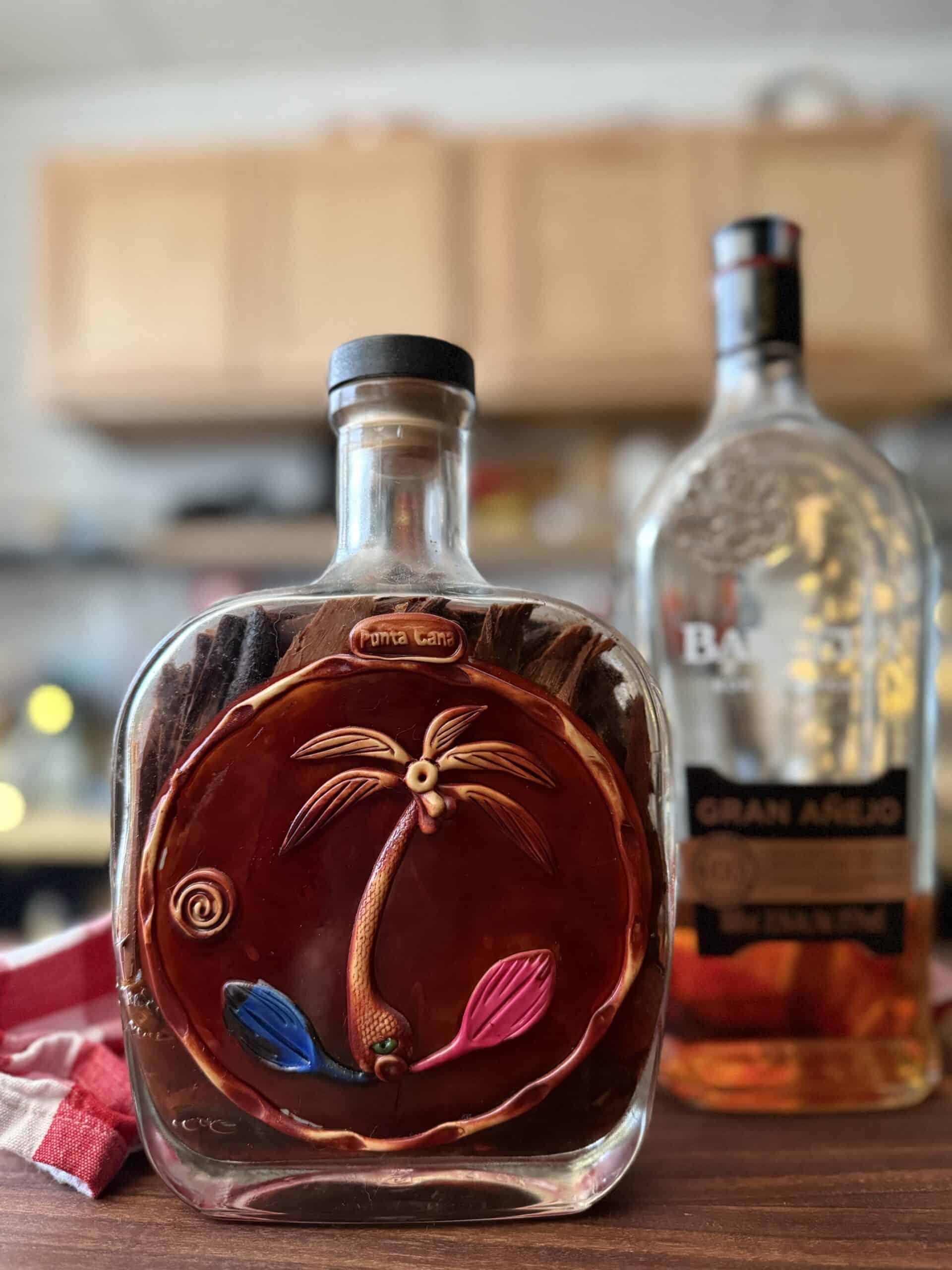
Open the kit (or bottle) and check the contents. You should see various tree barks (look like wood chips), dried roots, and various dried herbs. Don't be alarmed by how it looks — this is supposed to look like forest floor.
Step 2 — First Cure (24-48 Hours, then DISCARD)
Add 750ml red wine and 1 cup dark rum to the bottle with the bark. Cover and let sit at room temperature for 24-48 hours. This first batch CURES the wood — it removes initial bitterness and any debris. After 24-48 hours, drain ALL the liquid and DISCARD it. Do not drink this first batch. The bark stays in the bottle.
Step 3 — Make the Drinking Batch
After discarding the curing liquid, add fresh ingredients to the cured bark: 750ml red wine, 1 to 1.5 cups dark rum (more for stronger), and ½ cup honey. Cap the bottle and shake gently to combine the honey.
Step 4 — Age for 3-7 Days Minimum
Let the bottle sit at room temperature for at least 3 days before drinking. 7 days produces a more developed flavor. Some Dominicans age for weeks before pouring. Shake gently every couple of days to redistribute the honey.
Step 5 — Pour and Serve
Pour mamajuana directly from the bottle as a shot (1-2 oz) or sip in a small glass. Serve at room temperature or slightly chilled. The bark stays in the bottle permanently — never drain it out. The first pours after aging will have the most concentrated flavor.
Step 6 — Refill and Re-Age
When the bottle is about ⅓ empty, refill with the same ratio: red wine, rum, and honey. Let it re-age for 1-3 days. The bark will continue to flavor each new batch. The same bark can produce dozens of refills over months and even years. Each refill produces a slightly different flavor — Dominicans say the flavor 'matures' over time.
Pro Tips for Perfect Mamajuana
- ALWAYS discard the first cure: The first batch of liquid removes splinters, dust, and harsh tannins from the bark. Drinking it can make you sick. Always discard the first batch — every Dominican grandmother will tell you this.
- Use dark rum, not white: Dark rum (especially Dominican brands like Brugal or Barceló) provides the right molasses-and-oak depth. White rum is too clean for this drink. Don't substitute.
- Raw honey is best: Processed honey works but raw honey adds floral notes that complement the bark. If you can find local raw honey, use it. The flavor difference is noticeable.
- Adjust the rum-to-wine ratio: More rum = stronger, more spirit-forward. More wine = smoother, fruitier. Standard is 1:3 rum-to-wine. Dominican party version is closer to 1:2. Adjust to your preference.
- Don't refrigerate: Mamajuana is meant to age at room temperature. Refrigerating slows the steeping process. Keep your bottle on the counter or in a kitchen cabinet.
Variations
Mamajuana Sour
Modern cocktail variation: 2 oz mamajuana + 1 oz lime juice + ½ oz simple syrup + dash bitters. Shake with ice, strain into glass. Surprisingly delicious.
Mamajuana Hot Toddy
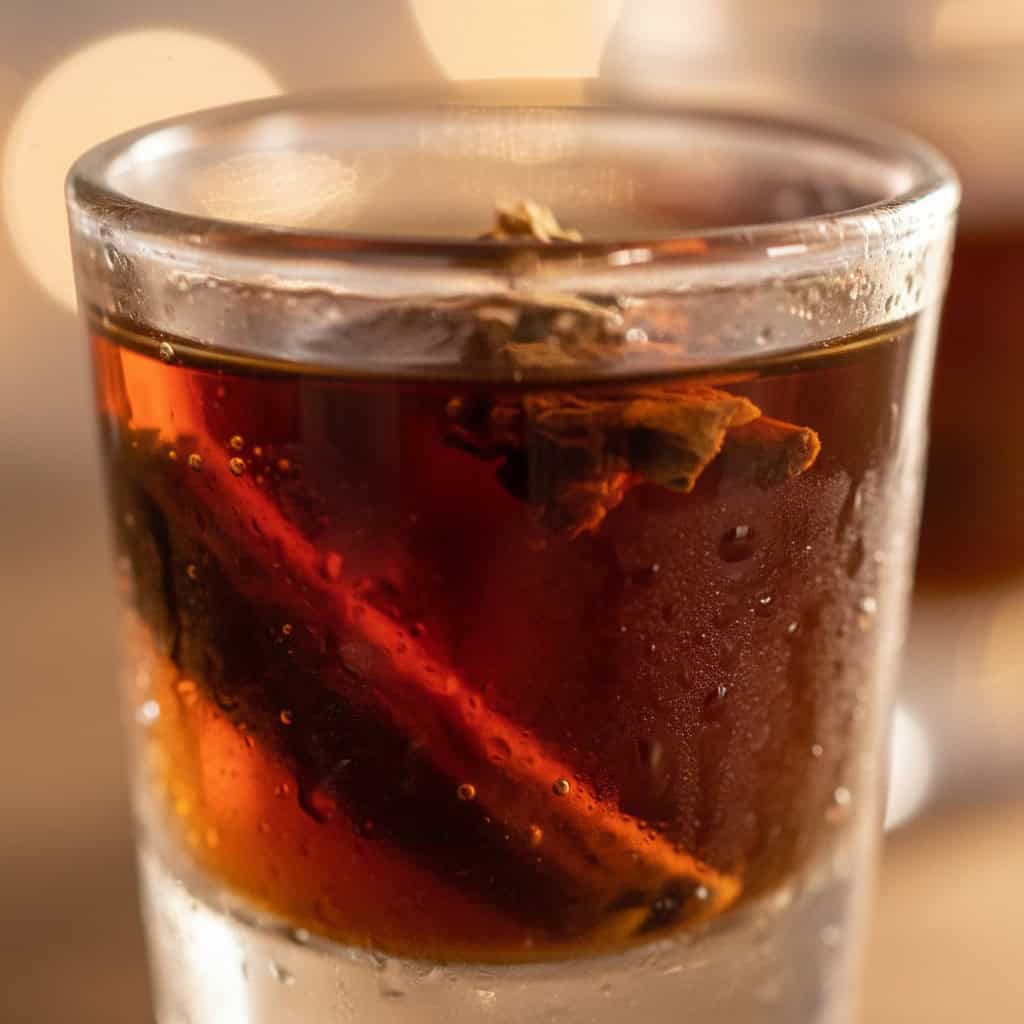
1.5 oz mamajuana + hot water + lemon + extra honey + cinnamon stick. Excellent for cold weather or sore throats.
Mamajuana Old Fashioned
Substitute mamajuana for whiskey in a classic Old Fashioned. Adds Dominican character to a familiar cocktail. Garnish with orange peel.
What to Serve With Mamajuana
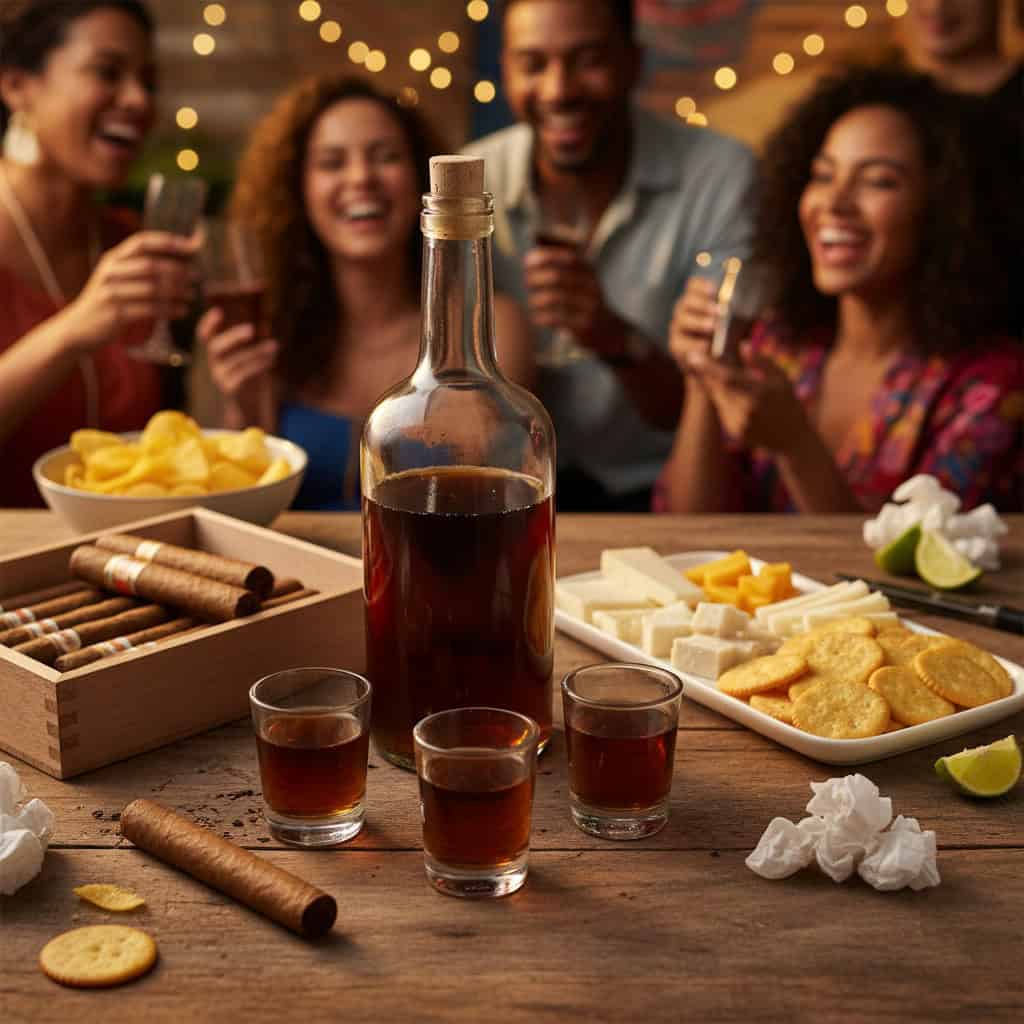
- Dominican cigars: The traditional pairing — Cohiba, Romeo y Julieta, or any Dominican-made cigar.
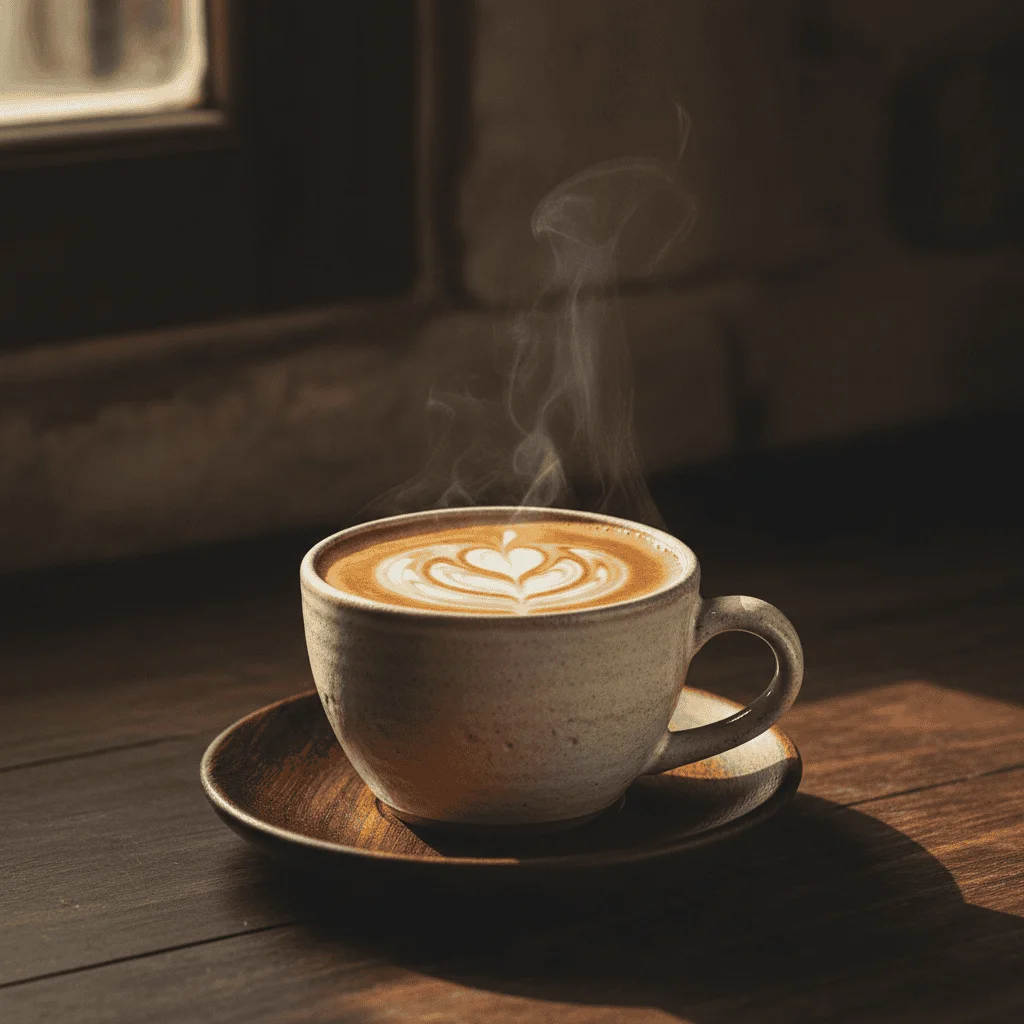
- Café Dominicano: Strong Dominican espresso as a chaser. Or try chocolate de agua dominicano for something richer.
- Chocolate: Dark chocolate squares complement the bark and honey notes.
- Cheese plate: Aged cheeses (manchego, gouda, blue) pair beautifully.
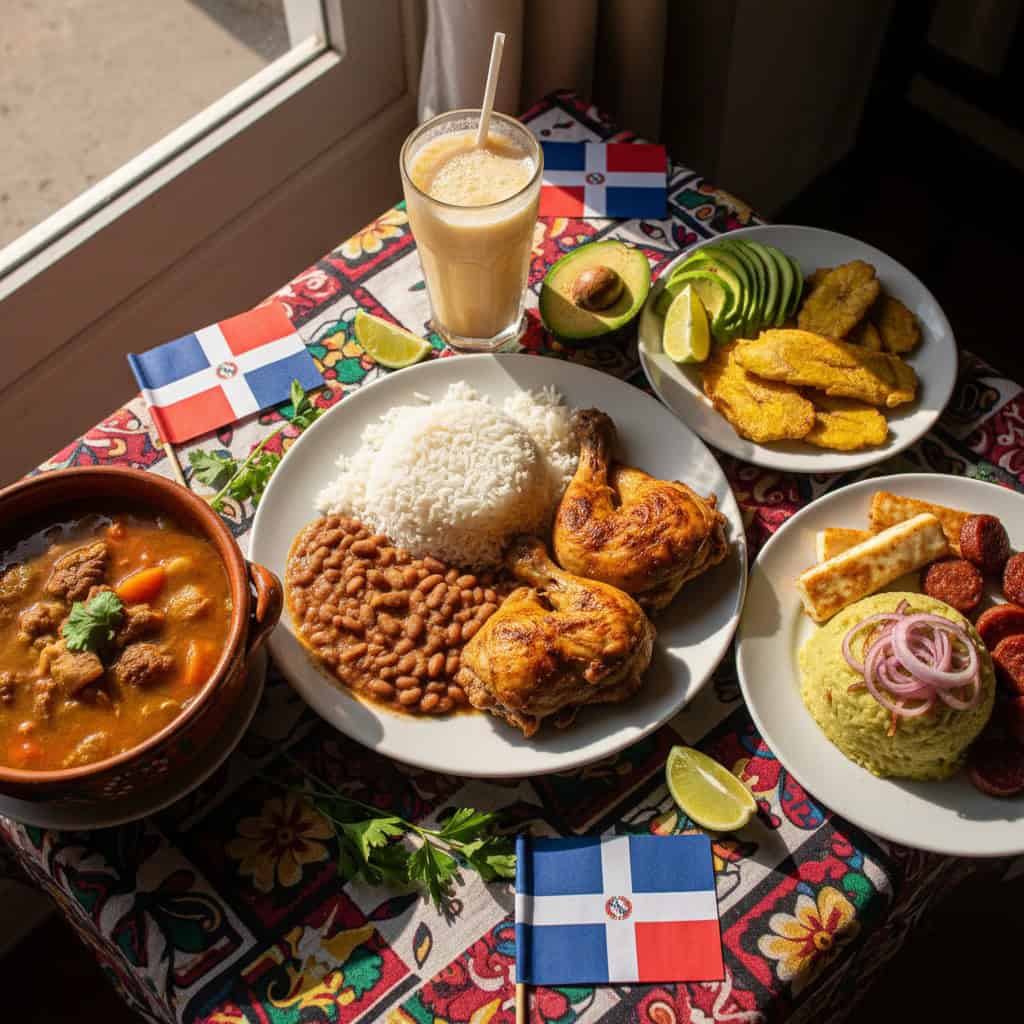
- After dinner: Mamajuana is a digestif — best after a heavy Dominican meal like La Bandera Dominicana or a plate of chicharrón de pollo.
- With other Dominican drinks: Start with a round of morir soñando or batidos dominicanos before bringing out the mamajuana.
You May Also Like
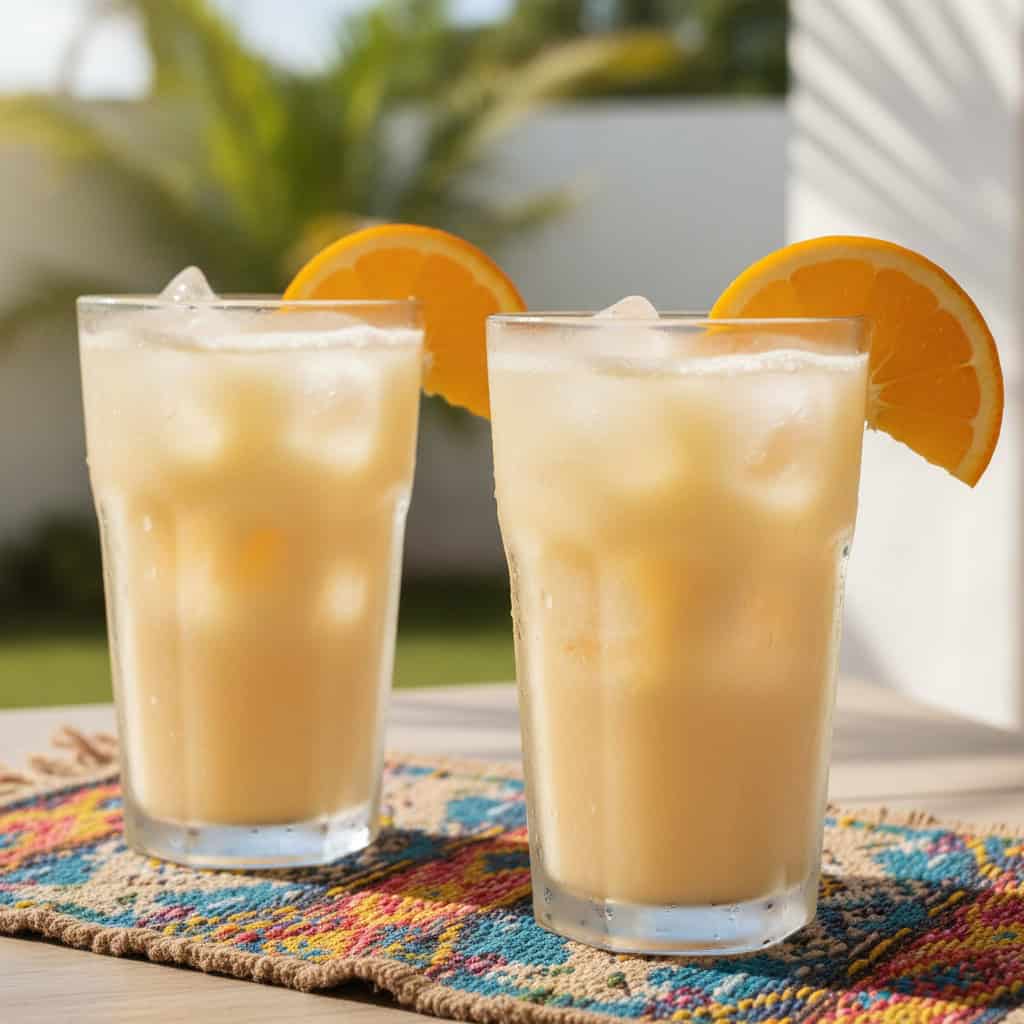
If you love mamajuana, you'll want to explore more Dominican drinks. Try morir soñando (the Dominican orange cream drink), batidos dominicanos (tropical fruit milkshakes), or coquito — the Caribbean coconut holiday drink. For something warm, don't miss chocolate de agua dominicano.
Frequently Asked Questions
Mamajuana is a traditional Dominican infused drink made by aging tree bark and herbs in a bottle with red wine, rum, and honey. It started with the Taíno people as an herbal tea; the alcohol came later. Every Dominican family keeps its own bottle, and no two taste exactly the same.
Somewhere between a spiced port and an herbal amaro — sweet from the honey, warm from the rum, woody and earthy from the bark, with the red wine underneath. The longer it ages, the smoother it gets.
After the first curing batch is discarded, the drinking batch needs at least 3–7 days, and it only improves from there. Many Dominicans never empty the bottle completely — they top it up and let the same bark work for years.
Dominican rum is the backbone — Brugal and Barceló are the classics — blended with red wine and honey over the bark and herbs. The final strength lands somewhere around a fortified wine, depending on your rum-to-wine ratio.
Dominicans say mamajuana does everything from settling digestion to boosting energy to working as 'la viagra dominicana' — it's traditionally believed to be a cure-all, which is why the bottle lives on the kitchen counter. Those are folk traditions, not medical claims. Enjoy it the Dominican way: small pours, for the flavor and the ritual.
There's no scientific proof, but it's been called 'la viagra dominicana' for centuries. Some of the herbs traditionally used (anamú, palo de Brasil) are believed in folk medicine to enhance vitality. Whether it actually works depends on who you ask. Dominicans take the claim very seriously.
It varies based on the rum-to-wine ratio and aging. Standard mamajuana is around 25-30% ABV (compared to wine at 12% and rum at 40%). It tastes smoother than that suggests because of the honey and the bark's tannins, but it can sneak up on you.
The same bark can produce 20-40 refills over months or years. Each refill produces slightly different flavor as the bark gradually loses some of its compounds. When refills start tasting weak (usually after 6-12 months of regular use), it's time to replace the bark mix.
No — the bark and herbs ARE mamajuana. Without them, you're just making sangria with rum. The unique flavor comes entirely from the steeping bark mixture. Buy a kit; don't try to substitute.
Amazon has several brands available. Latin grocery stores in Dominican neighborhoods carry them. If you visit the Dominican Republic, kits are sold everywhere as tourist souvenirs. Online Dominican specialty stores ship to most US addresses.
Most kits sold in the US come pre-loaded with bark in a bottle and may also include some pre-aged liquid. Check the label — if it says 'ready to drink,' you can drink it as-is. If it says 'needs to be cured,' follow the curing process described above.
Traditional mamajuana uses red wine. White wine doesn't provide the same color or depth. If you're determined to experiment, try a fortified wine like port — but this is a non-traditional variation.
Personal home production is legal in the US. Selling alcoholic beverages requires proper licensing — but you can absolutely make mamajuana at home for personal use. Some specialty importers sell pre-made commercial mamajuana through licensed distributors.
Room temperature, dark cabinet ideal. Don't refrigerate (slows aging) and don't expose to direct sunlight (can degrade compounds). The bottle should be tightly sealed when not pouring to prevent evaporation.
As with any alcoholic beverage, consume in moderation. Pregnant women should not drink mamajuana. People on certain medications should consult their doctor — some of the herbs in mamajuana may interact with prescription drugs. The first cure batch must be discarded for safety reasons.
Storage & Serving Notes
Room temperature storage: Keep your mamajuana bottle in a dark cabinet at room temperature. Avoid refrigerating — cold temperatures slow the aging process and mute the flavors. Avoid direct sunlight, which degrades the herbal compounds.
How long it keeps: As long as there's rum in the bottle, mamajuana is shelf-stable indefinitely. The alcohol preserves everything. I have bottles I've been refilling for 2+ years that keep getting better.
Serving temperature: Mamajuana is traditionally served at room temperature or slightly chilled — never over ice (ice dilutes and kills the flavor). For shots, straight from the bottle. For cocktails, you can chill the bottle for 30 minutes before serving.
When to replace the bark: After 6-12 months of regular refilling, when refills start tasting noticeably weaker, it's time to swap in a fresh bark kit. The old bark has given everything it's got.
Mamajuana Recipe FAQ
What is mamajuana?
Mamajuana is a traditional Dominican herbal drink made by soaking a mixture of tree bark and dried herbs in dark rum, red wine, and honey. The ingredients steep together in a bottle over days or weeks, creating a complex, deeply aromatic beverage with a flavor unlike anything else in the world. Mamajuana originated with the indigenous Taíno people of Hispaniola and has been a cornerstone of Dominican culture for over 500 years.
Is mamajuana alcoholic?
Yes, mamajuana is an alcoholic beverage. It is made with dark rum and red wine, which gives it an alcohol content typically between 30-40% ABV depending on your rum-to-wine ratio. The honey and herbal infusion can mask the strength, so sip slowly. Most Dominicans serve it in small shot glasses (1-2 oz pours) as a digestif after meals.
What does mamajuana taste like?
Mamajuana has a sweet, herbal, and slightly medicinal flavor with warm spice notes from cinnamon and star anise. The honey provides rich sweetness, the dark rum adds warmth and depth, and the tree bark contributes earthy, woody undertones. Red wine rounds everything out with fruity complexity. Many people compare mamajuana to a cross between spiced port wine and an Italian herbal amaro. The flavor deepens and smooths out with each successive refill of the bark.
How long does mamajuana take to make?
Making mamajuana from scratch requires two phases. The initial curing soak — which is discarded to remove bitterness — takes 24-48 hours. The first drinking batch then needs 1-2 weeks of steeping for the best flavor development. However, if you are refueling an existing bottle that already has seasoned bark, a fresh batch only takes 2-3 days before it is ready to drink. The longer you let it sit, the more complex the flavor becomes.
Where can I buy mamajuana bark?
Mamajuana bark kits are available at Dominican grocery stores, on Amazon (search "mamajuana kit" or "mamajuana bark"), and at specialty Latin American markets. If you visit the Dominican Republic, bark kits are sold everywhere as souvenirs — from airports to beach vendors. Several US-based online retailers also specialize in Dominican products and ship mamajuana bark kits and pre-loaded bottles nationwide.
Can you reuse mamajuana bark?
Yes, and this is one of the best things about mamajuana. The bark and herbs inside the bottle can be refueled with fresh rum, red wine, and honey 20 or more times over several years. Each refill produces a slightly different — and often smoother — flavor as the bark gradually releases different aromatic compounds. When refills start tasting noticeably weak (usually after 6-12 months of heavy use), it is time to replace the bark kit with a fresh one.
Is mamajuana legal in the US?
Yes, mamajuana is completely legal to make at home in the United States for personal consumption. However, you cannot bring pre-made mamajuana containing liquid through US customs when traveling from the Dominican Republic — the liquid will be confiscated. Dry bark kits without any alcohol are perfectly fine to bring through customs and are widely sold within the US through online retailers and Latin grocery stores.
Mamajuana
Ingredients
Method
- Inspect mamajuana kit — bark, roots, dried herbs in bottle.
- First CURE: add wine and rum to bark. Sit 24-48 hrs. Drain and DISCARD all liquid. Keep the bark.
- Drinking batch: add fresh wine, rum, honey to cured bark. Shake gently.
- Age 3-7 days room temperature. Shake every couple days.
- Pour as shots (1-2 oz). Bark stays in bottle permanently.
- Refill: when ⅓ empty, add more wine, rum, honey. Re-age 1-3 days. Repeat for years.
Nutrition
Video
Notes
Tried this recipe?
Let us know how it was!Shop This Recipe
View on Amazon →
View on Amazon →
View on Amazon →
As an Amazon Associate I earn from qualifying purchases at no extra cost to you.
Make a bottle. Age it for a week. Pour shots for friends. This is Dominican magic in a glass.
Leave a Reply