
This post contains affiliate links. I may earn a small commission at no extra cost to you.
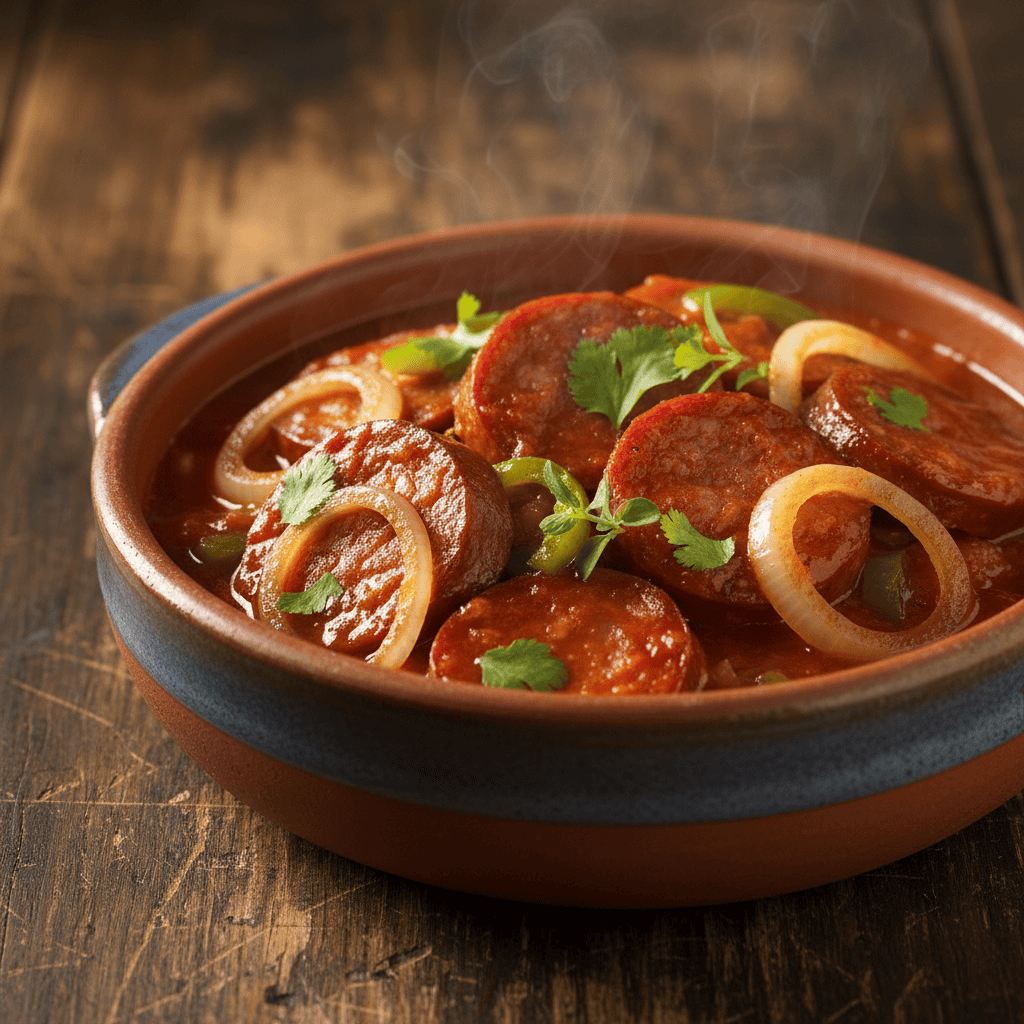
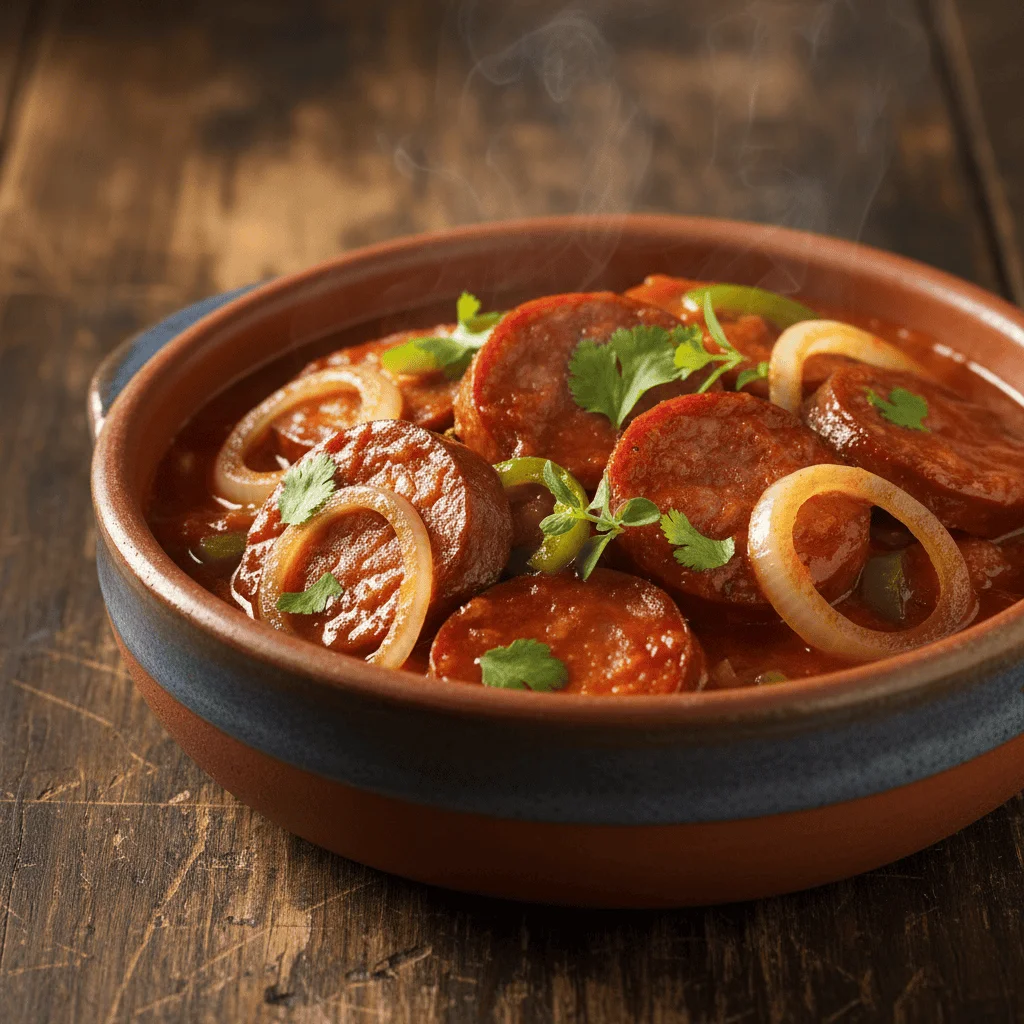
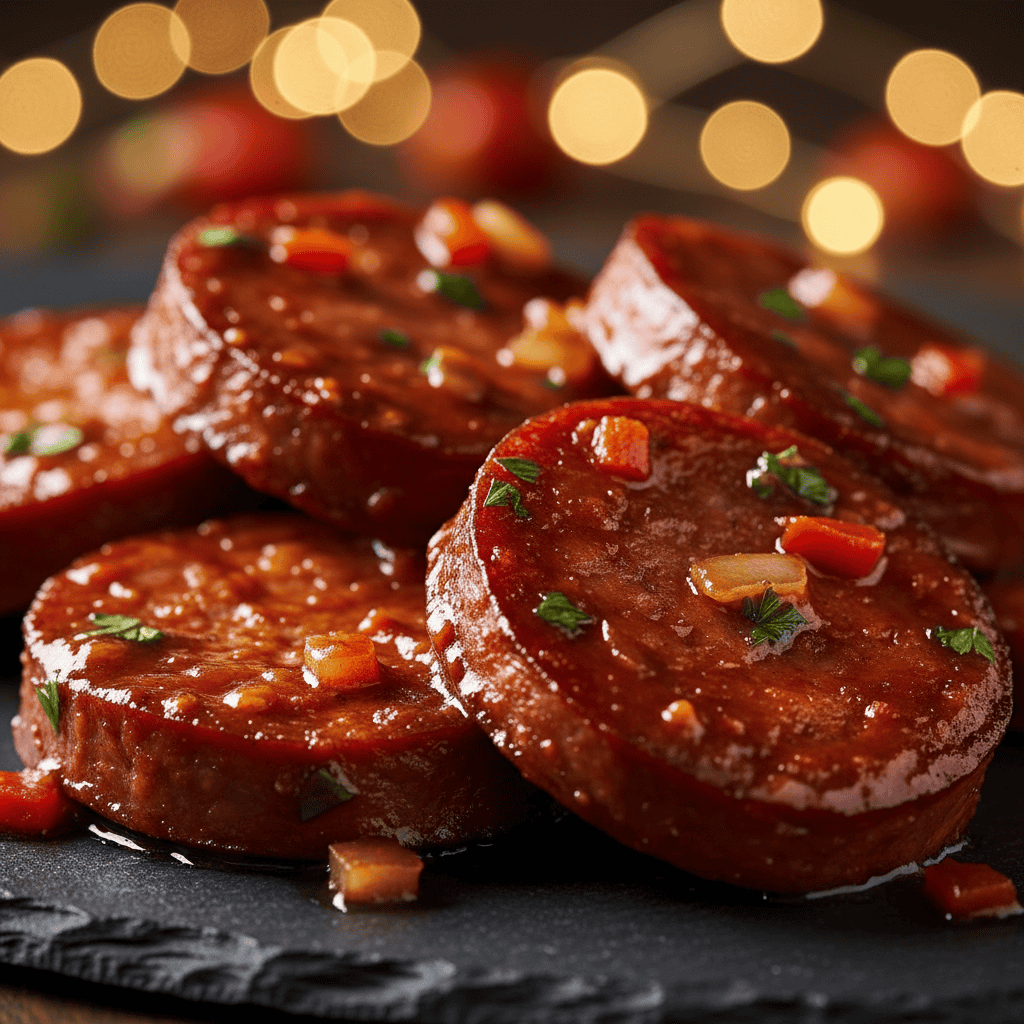
Every Dominican breakfast table knows fried salami. The thick slices of Dominican salami that go into a hot pan and come out crispy and slightly charred at the edges — that version is everywhere. But salami guisado dominicano is what happens when the salami goes into a sofrito-tomato sauce and braises low and slow until the sauce coats every slice and the flavors merge into something richer and more complex. It is the stewed version of the Dominican breakfast staple, and it is, arguably, the better one.
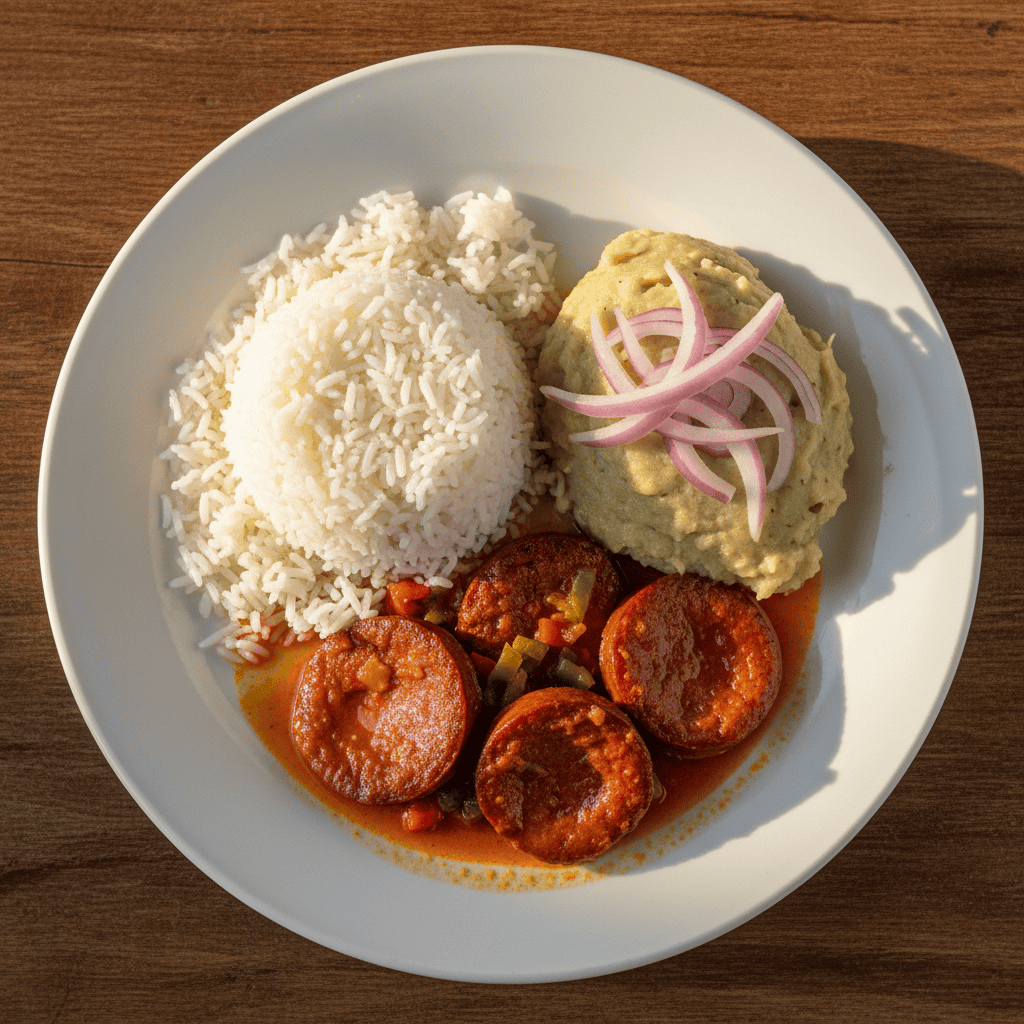
Salami guisado isn't just a breakfast dish. It crosses into lunch and dinner with ease — served alongside white rice and habichuelas guisadas, it becomes a complete Dominican lunch plate. The sofrito-tomato sauce that the salami braises in is deeply flavorful, built on the Dominican trinity of onion, garlic, and bell pepper, with tomato, oregano, and a splash of vinegar for brightness. It's a fast sauce to build — 10 minutes — and what it does to a humble salami is transformative.
The key ingredient is Dominican salami — La Cibaeña brand or similar. This is a distinct product from Italian or Spanish salami: firmer, lower in fat, designed to hold up to high heat and braising. Don't substitute with Italian salami for this dish — the texture won't be the same after stewing.
Did You Know?
- Dominican salami has Lebanese roots: Dominican salami (like many Dominican sausage products) was influenced by Lebanese immigrants who arrived in the Dominican Republic in large numbers in the early 20th century. The Lebanese brought their own preserved meat traditions, which merged with Dominican flavor profiles to produce the distinctly Dominican salami we know today.
- La Cibaeña is named after the Cibao region: The Cibao valley in the north of the Dominican Republic is the agricultural heartland of the country, famous for its livestock and food production. La Cibaeña salami takes its name from this region and has been produced there since the 1970s.
- Sofrito is the foundation of every Dominican stew: The sofrito base used in salami guisado — onion, bell pepper, garlic, tomato, oregano — is the same foundation used in pollo guisado, habichuelas guisadas, and virtually every other Dominican braised dish. Learning to build this sofrito is the single most important skill in Dominican cooking.
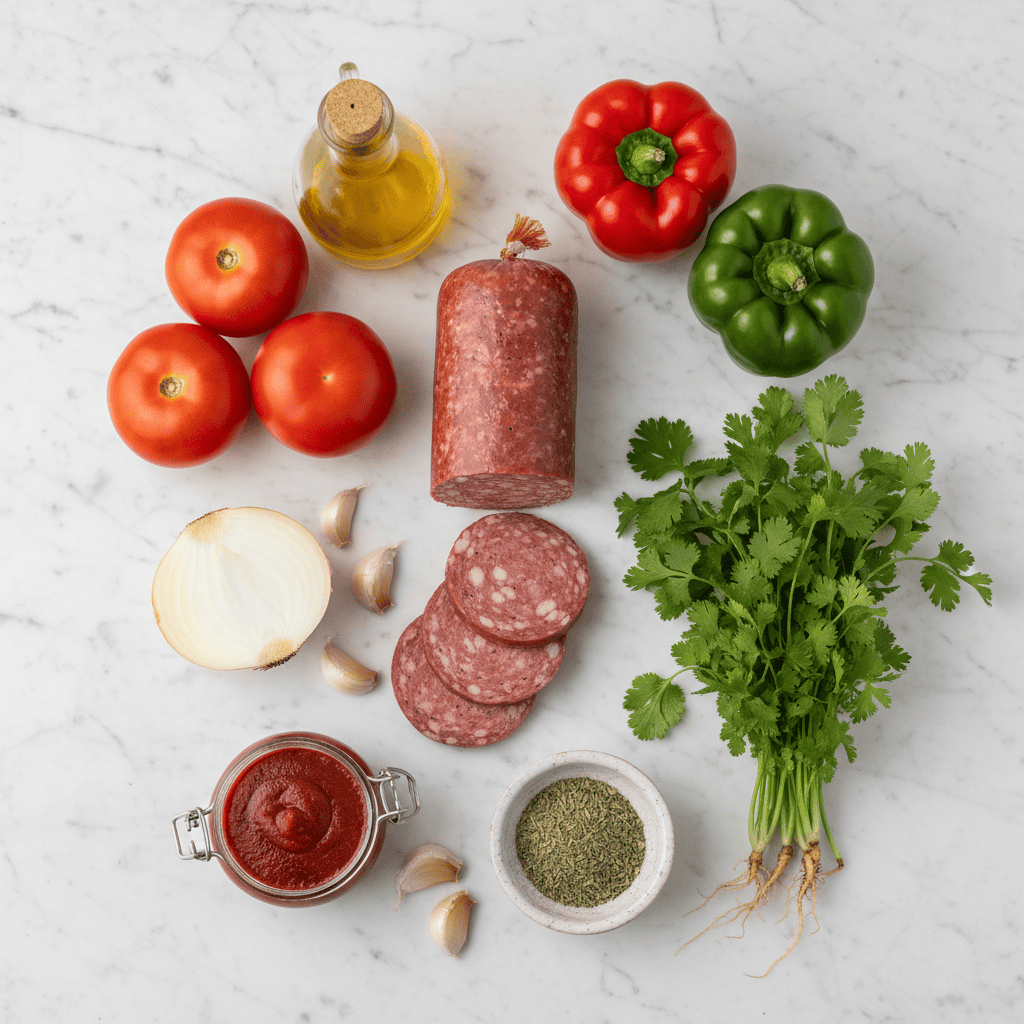
Ingredients for Salami Guisado Dominicano
- 1 lb Dominican salami — La Cibaeña or similar. Sliced ½ inch thick.
- 2 tablespoon olive oil
- 1 medium white onion — thinly sliced.
- ½ green bell pepper — sliced.
- 4 cloves garlic — minced.
- 2 medium tomatoes — diced, or 1 tablespoon tomato paste.
- ¼ cup water or chicken broth
- 1 teaspoon dried oregano
- 1 teaspoon apple cider vinegar
- Fresh cilantro to garnish
View on Amazon →
View on Amazon →
As an Amazon Associate I earn from qualifying purchases at no extra cost to you.
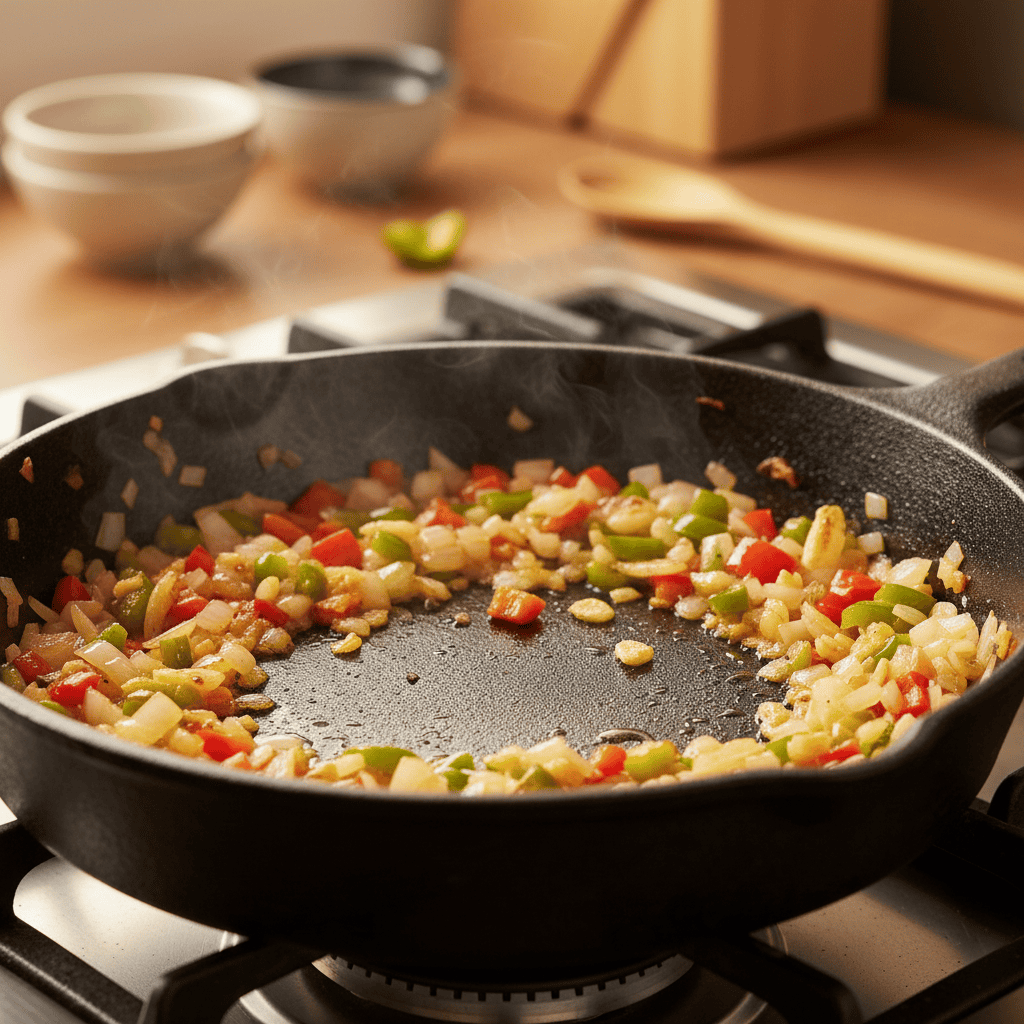
How to Make Salami Guisado Dominicano
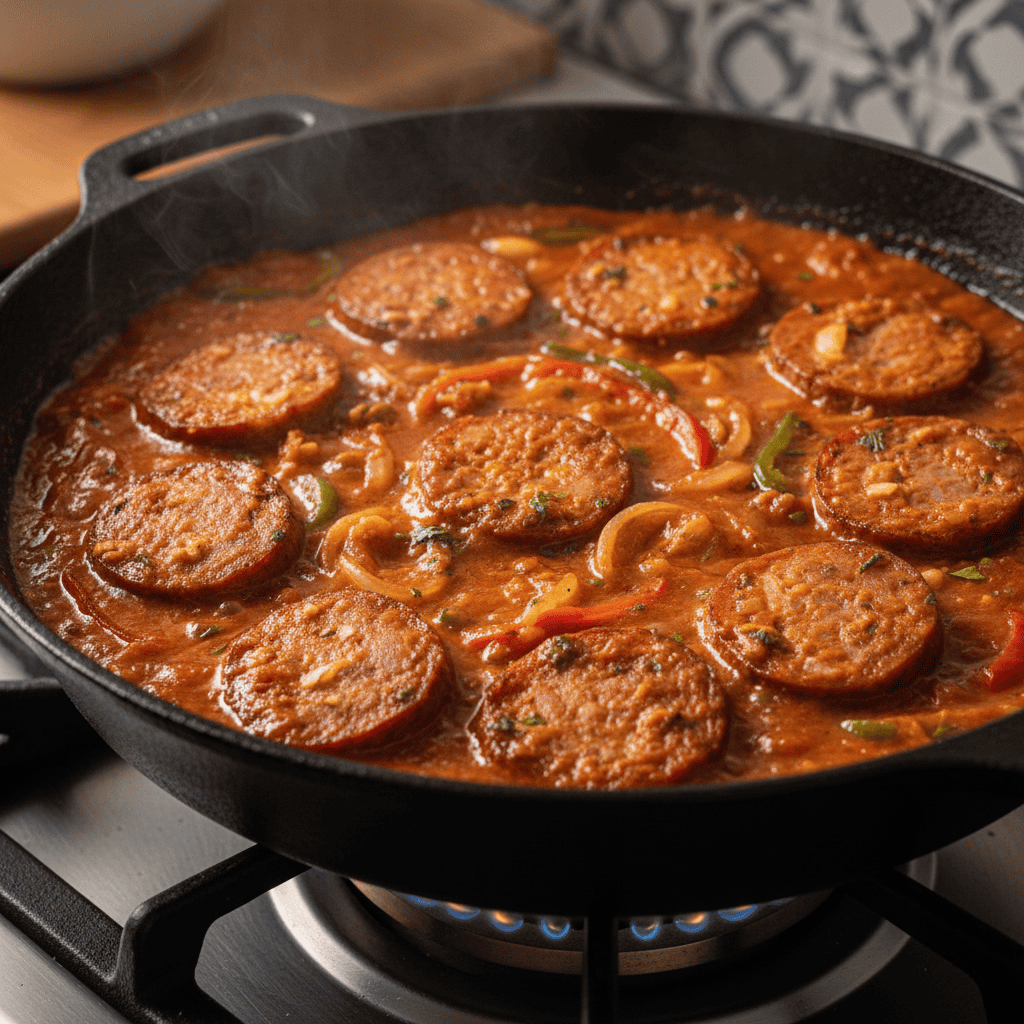
Salami Guisado Dominicano (Dominican Stewed Salami)
Ingredients
Method
- Brown the salami: Heat olive oil in a large skillet over medium-high heat. Add salami slices in a single layer. Sear 2 minutes per side until lightly browned and the fat renders slightly. Remove salami and set aside.
- Build the sofrito: In the same pan, reduce heat to medium. Add onion and bell pepper. Sauté 3–4 minutes until softened. Add garlic and cook 1 more minute until fragrant.
- Add tomato: Add diced tomatoes or tomato paste. Stir to combine. Cook 3 minutes until the tomato breaks down and the sauce deepens in color.
- Braise the salami: Return the salami slices to the pan. Add water or broth, oregano, and vinegar. Stir to coat all the salami in the sauce. Reduce heat to medium-low.
- Simmer 8–10 minutes, stirring occasionally, until the sauce thickens and coats the salami. Taste and season with salt and pepper.
- Garnish with fresh cilantro. Serve hot alongside mangu and fried eggs, or with white rice and habichuelas for lunch.
Nutrition
Notes
Tried this recipe?
Let us know how it was!Pro Tips for Perfect Salami Guisado
- Brown the salami first. Don't skip the initial sear. Two minutes per side in hot oil before the salami goes into the sauce adds color and flavor that the stewing alone can't achieve.
- Build your sofrito slowly. The onions and peppers need 3–4 minutes to soften and sweeten. Rushing them gives you a raw-tasting sauce. Patience here pays off.
- Don't over-braise. Dominican salami holds its shape well, but extended braising (more than 15 minutes) can make it slightly tough. 8–10 minutes in the sauce is the sweet spot.
- The vinegar is the brightness. A teaspoon of apple cider vinegar at the end lifts the entire sauce. Don't skip it — it's what keeps the dish from feeling heavy.
- Make a big batch. Salami guisado is even better the next day. The sauce deepens overnight. Make double, store in the fridge, reheat in 5 minutes all week.
🎬 Watch: Dominican Mangu — The Comfort Breakfast You Need to Try
What to Serve with Salami Guisado Dominicano
- Dominican Mangu — The classic breakfast pairing. Salami guisado alongside mangu is a full Dominican breakfast.
- Arroz Blanco Dominicano — For lunch, serve over white rice with beans.
- Habichuelas Guisadas — Complete the lunch plate with stewed red beans.
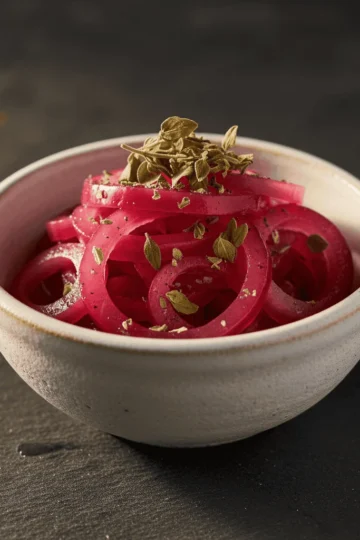
- Cebolla Roja en Vinagre — Pickled red onions over the salami guisado add a bright acidic contrast.
Frequently Asked Questions
Salami guisado dominicano is Dominican salami braised in a sofrito-tomato sauce with onions, peppers, garlic, and oregano. Unlike fried Dominican salami (which is cooked dry in a hot pan), salami guisado is stewed in sauce until the flavors merge. It is served for breakfast alongside mangu and eggs, or for lunch with rice and beans.
What type of salami is used for salami guisado?Dominican salami — La Cibaeña is the most traditional brand. Dominican salami is firmer and lower in fat than Italian or Spanish salami, specifically designed to hold up to frying and braising. Do not substitute with Italian salami, which becomes mushy when stewed.
Can I make salami guisado without tomatoes?Yes — use 1 tablespoon of tomato paste instead of fresh tomatoes for a concentrated tomato flavor with less moisture. You can also use a spoonful of sofrito sauce if you have it made. Without any tomato at all, the dish is still delicious but less saucy.
Is salami guisado served for breakfast or dinner?Both. For breakfast it is served alongside mangu and fried eggs as part of Los Tres Golpes. For lunch or dinner it is served over white rice with stewed beans (habichuelas guisadas). It is one of those Dominican dishes that crosses every meal boundary.
How do I store and reheat salami guisado?Refrigerate in an airtight container up to 4 days. Reheat in a skillet over medium heat with a splash of water to loosen the sauce, or microwave in 30-second intervals. The sauce gets better the next day as the flavors deepen.
Storage & Reheating
Refrigerator: Up to 4 days. Better on day 2. Reheat in a skillet with a splash of water.
Make ahead: This is ideal for meal prep. Make Sunday, eat all week at breakfast.
More Dominican Recipes
- Los Tres Golpes — The full Dominican breakfast plate.
- Dominican Mangu — The essential pairing.
- Pollo Guisado — The same sofrito technique applied to chicken.



Leave a Reply