
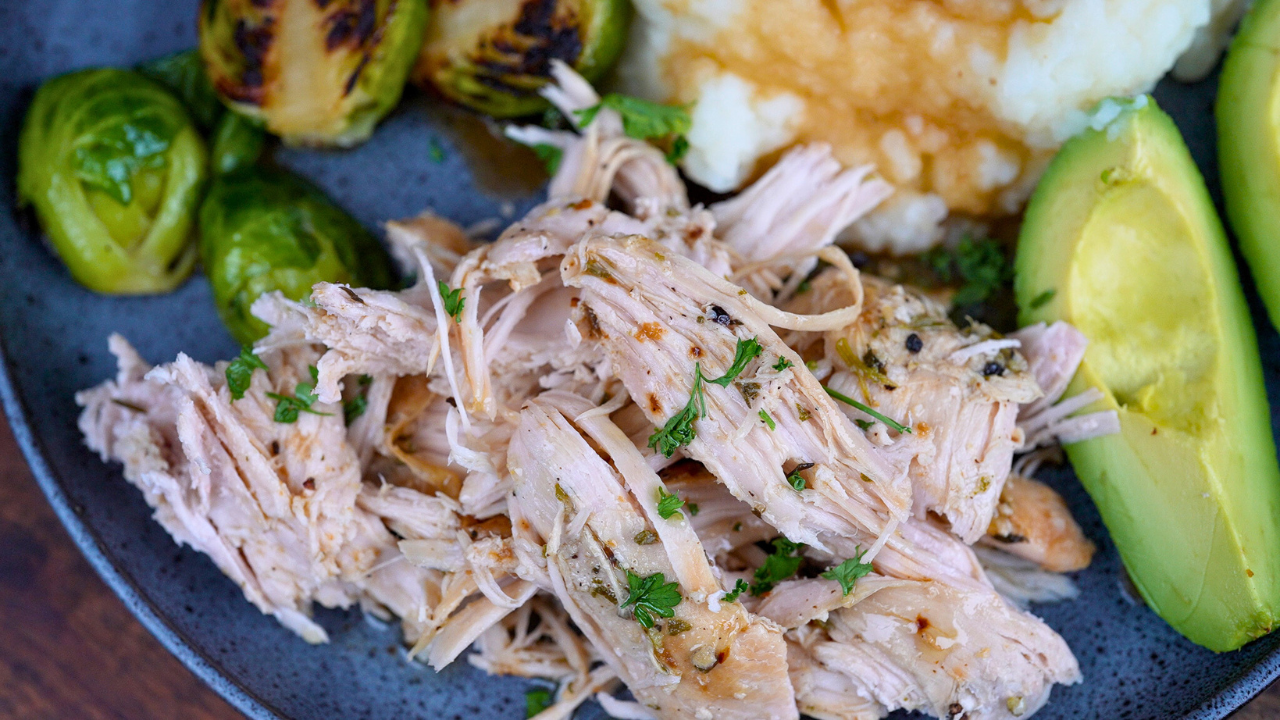
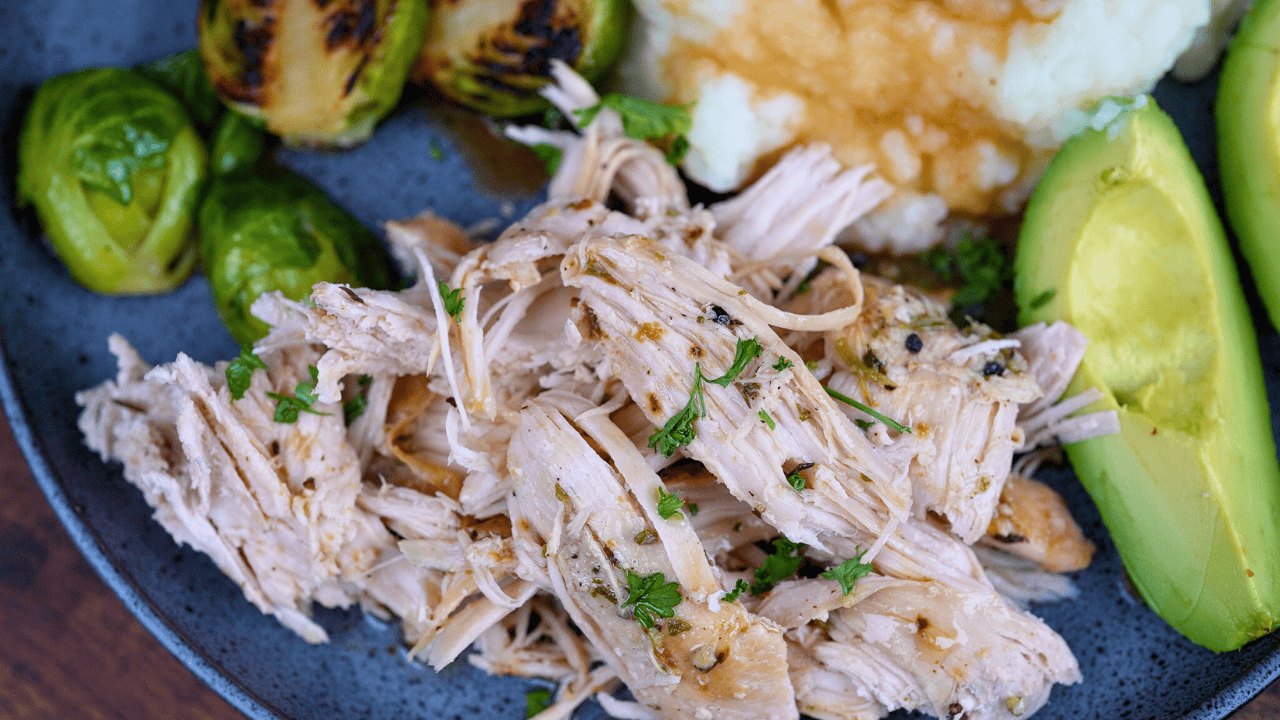
This Garlic and Herb Roasted Turkey Breast is one of those recipes you'll find yourself making over and over again. It's simple, delicious, and always gets rave reviews. Whether you're a beginner or a seasoned cook, you're going to love how easy and tasty this turns out!

About This Recipe
Here's something that'll change your turkey game: not all garlic behaves the same when roasted for hours. Hardneck garlic varieties like Music or German Extra Hardy become sweet and almost jam-like during the long roasting process, while softneck varieties (the kind you usually find at grocery stores) can turn bitter and harsh. For this turkey breast, I always hunt down hardneck garlic at farmers markets or specialty stores. The bulbs are smaller with fewer, larger cloves, but they're absolute gold for long roasting. The starches convert differently under sustained heat, creating these incredible caramelized pockets that infuse the turkey with deep, complex flavor instead of that sharp bite you get when softneck garlic overcooks. In the DR, we call this kind of slow-cooked garlic transformation 'ajo confitado' - and once you taste the difference in your turkey, you'll never go back to regular supermarket garlic for roasting.
Ingredients for Garlic and Herb Roasted Turkey
- 6 ½ lb bone-in turkey breast
- 1 full head of garlic
- Fresh Sage — 1-2 sprigs
- Fresh Rosemary — 1-2 sprigs
- Fresh Thyme — 1-2 sprigs
- Zest and juice of one lemon
- 2 tablespoons of olive oil
- 2 teaspoons of ground mustard
- 3 teaspoons of kosher salt
- Freshly ground black pepper — to taste
- ½ cup of room temperature butter
- 1 cup of white wine or chicken stock
Substitutions & Variations
- Fresh herbs: Replace with 1 tablespoon dried Italian seasoning or Caribbean seasoning blend (sazón with culantro and achiote). The dried herbs will provide a more concentrated flavor while the Caribbean blend adds that distinctive island warmth with annatto.
- White wine: Substitute with coconut milk or pineapple juice for a tropical twist that's popular in Dominican cooking. This creates a sweeter, more exotic flavor profile that pairs beautifully with the garlic and herbs.
- Ground mustard: Use 1 tablespoon Dijon mustard or 2 teaspoons of sofrito (Dominican cooking base). The sofrito will infuse the turkey with traditional Dominican flavors of peppers, onions, and cilantro.
- Lemon: Replace with lime zest and juice, or naranja agria (sour orange) if available. Lime provides a brighter, more Caribbean-style acidity that's commonly used in Dominican marinades.
- Bone-in turkey breast: Use boneless turkey breast but reduce cooking time by about 20-30 minutes. Without the bone, the meat cooks faster but may be slightly less flavorful and juicy.
- Butter: Substitute with softened cream cheese mixed with minced garlic and herbs for an extra rich, tangy coating. This creates an incredibly creamy herb crust that stays moist throughout the roasting process.
How to Make Garlic and Herb Roasted Turkey
- Preparation:Gently separate the turkey skin from the flesh, being careful not to tear the skin.Peel the full head of garlic.
- Gently separate the turkey skin from the flesh, being careful not to tear the skin.
- Peel the full head of garlic.
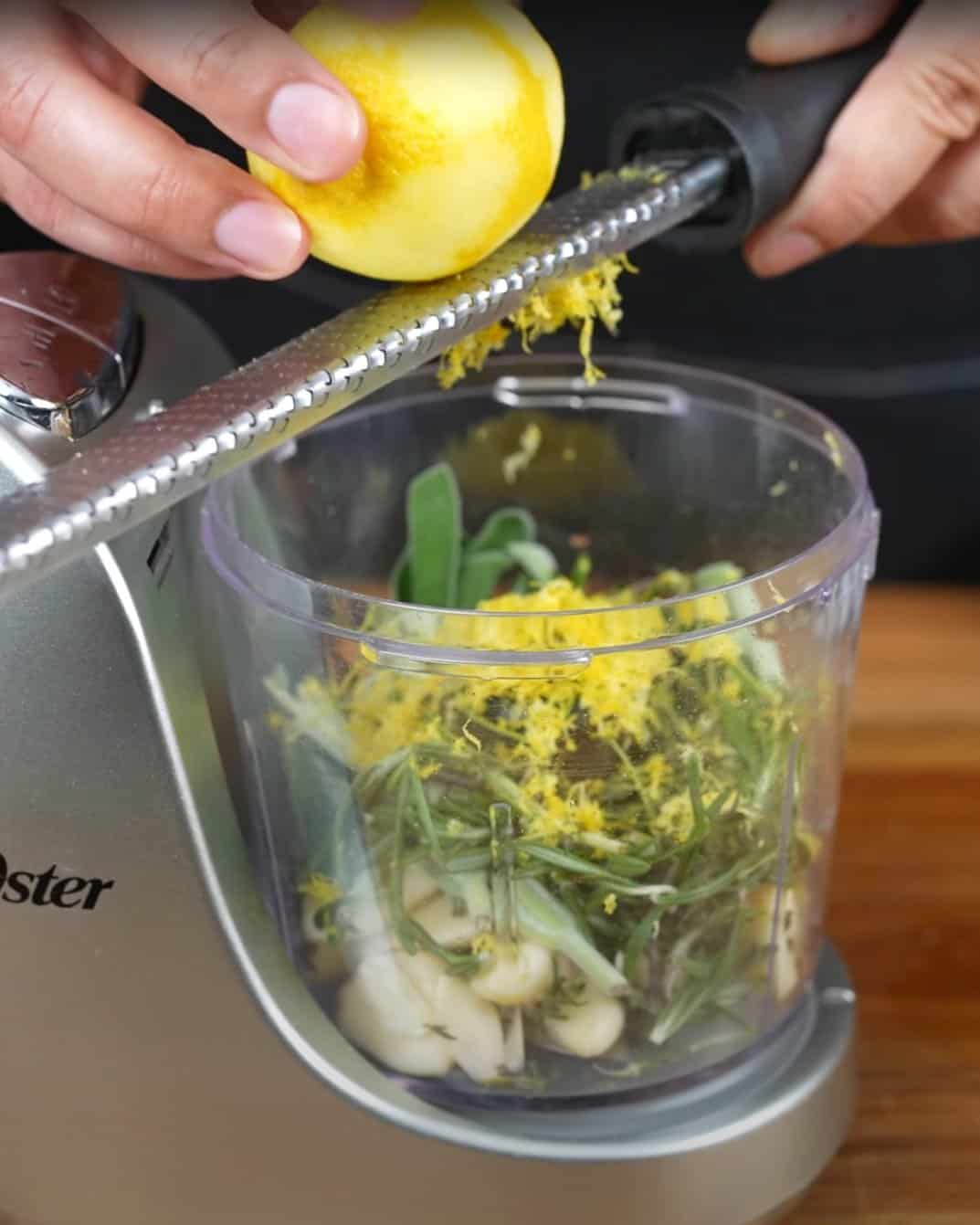
- Herb Marinade:In a small food processor, combine the garlic cloves, fresh Sage, Rosemary, Thyme, lemon zest, and lemon juice.Add olive oil, ground mustard, kosher salt, and freshly ground black pepper.Pulse until well combined.
- In a small food processor, combine the garlic cloves, fresh Sage, Rosemary, Thyme, lemon zest, and lemon juice.
- Add olive oil, ground mustard, kosher salt, and freshly ground black pepper.
- Pulse until well combined.
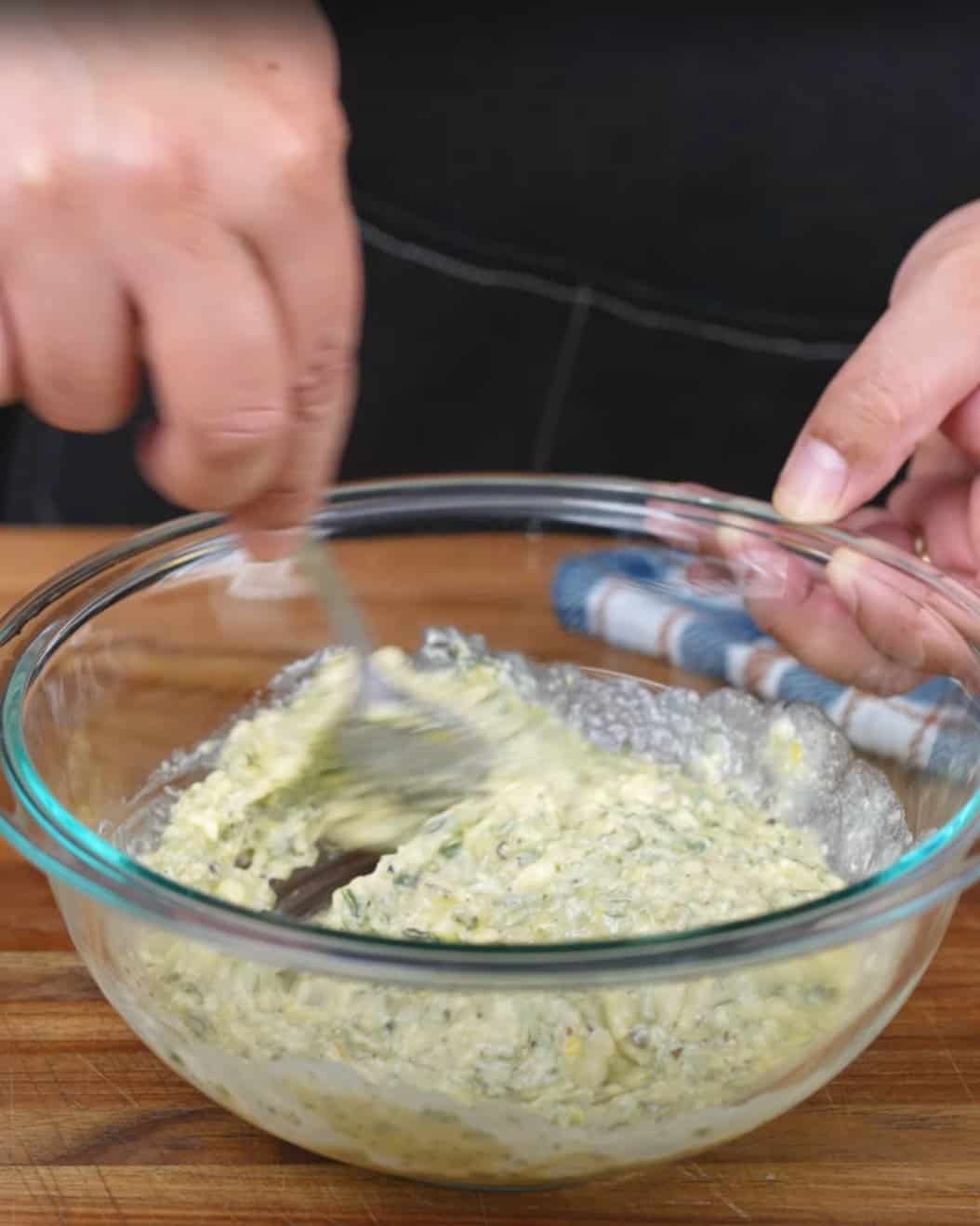
- Garlic Butter Mixture:Transfer the herb mixture to a mixing bowl.Combine with room temperature butter until thoroughly mixed.
- Transfer the herb mixture to a mixing bowl.
- Combine with room temperature butter until thoroughly mixed.
- Stuff and Prepare Turkey:Carefully stuff the garlic butter mixture under the turkey skin and inside the turkey.Preheat the oven to 325°F (165°C).
- Carefully stuff the garlic butter mixture under the turkey skin and inside the turkey.
- Preheat the oven to 325°F (165°C).
- Roasting:Place the turkey breast in a roasting pan.Pour one cup of white wine or chicken stock into the pan to provide moisture.Season with kosher salt and freshly ground black pepper.Insert an instant-read thermometer into the thickest part of the turkey breast.
- Place the turkey breast in a roasting pan.
- Pour one cup of white wine or chicken stock into the pan to provide moisture.
- Season with kosher salt and freshly ground black pepper.
- Insert an instant-read thermometer into the thickest part of the turkey breast.
- Roast:Roast the turkey at 325°F for approximately 2 hours, or until the internal temperature reaches 165°F.
- Roast the turkey at 325°F for approximately 2 hours, or until the internal temperature reaches 165°F.
- Rest and Serve:Cover the roasted turkey breast with aluminum foil and let it rest for 10-15 minutes before carving.Once rested, carve the turkey and enjoy the tender, flavorful meat.
- Cover the roasted turkey breast with aluminum foil and let it rest for 10-15 minutes before carving.
- Once rested, carve the turkey and enjoy the tender, flavorful meat.
What to Serve With Garlic and Herb Roasted Turkey
My abuela always served turkey with mangú - that creamy, garlicky mashed plantain dish that's pure Dominican comfort food. The earthiness of the plantains balances beautifully against the herb-crusted turkey, and honestly, it's tradition that just makes sense on your table.
For something fresh and bright, try my Cilantro Lime Rice alongside roasted Brussels sprouts with bacon. The citrusy rice cuts through the richness of the turkey while those caramelized sprouts add a slight bitterness that plays perfectly with the garlic and herbs.
Don't sleep on sweet potato casserole with a pecan crumble - I know it sounds like Thanksgiving only, but trust me on this. The natural sweetness complements the savory herbs beautifully, and that crunchy topping gives you textural contrast that'll have everyone asking for seconds.
Frequently Asked Questions
1. When should I roast just a turkey breast instead of a whole turkey?
A turkey breast is perfect for smaller gatherings (4-8 people), when you prefer white meat, or when you want the convenience of faster cooking and easier carving.
2. Should I buy bone-in or boneless turkey breast?
Bone-in gives more flavor and stays juicier because the bone insulates the meat during roasting. Boneless is easier to carve but needs more careful temperature monitoring.
3. What herb butter should I use?
Mix softened butter with minced garlic, fresh rosemary, thyme, sage, salt, and pepper. Rub it both under and over the skin for maximum flavor penetration.
4. What temperature should I roast turkey breast at?
Start at 425°F for 20 minutes to crisp the skin, then reduce to 350°F until the internal temperature reaches 165°F. This two-temperature method gives the crispiest skin.
5. How long does a turkey breast take to roast?
A 5-7 pound bone-in turkey breast takes approximately 1.5-2 hours at 350°F. Always use a meat thermometer rather than relying on time alone.
6. How do I get crispy skin on turkey breast?
Pat the skin completely dry, rub with butter or oil, and start at high heat (425°F). Do not cover the breast — foil traps steam and prevents crisping.
7. Should I dry brine the turkey breast?
Yes — salt the turkey breast generously and refrigerate uncovered for 12-24 hours. This seasons the meat deeply, tenderizes it, and dries the skin for better crisping.
8. What liquid should I add to the roasting pan?
Add ½ cup chicken broth or white wine to the bottom of the pan. This prevents the drippings from burning and creates flavorful liquid for gravy.
9. How do I make gravy from the drippings?
Strain the pan drippings, skim the fat, bring to a simmer, and whisk in a flour-butter roux. The garlic and herb flavors from the turkey infuse into an incredibly flavorful gravy.
10. How do I carve a turkey breast?
Let it rest 15-20 minutes first. For bone-in, slice along the breastbone and remove each half whole, then slice crosswise against the grain into ¼ inch slices.
Garlic and Herb Roasted Turkey Video
Garlic and Herb Roasted Turkey Breast
Ingredients
Method
- Preparation:Gently separate the turkey skin from the flesh, being careful not to tear the skin.Peel the full head of garlic.
- Gently separate the turkey skin from the flesh, being careful not to tear the skin.
- Peel the full head of garlic.
- Herb Marinade:In a small food processor, combine the garlic cloves, fresh Sage, Rosemary, Thyme, lemon zest, and lemon juice.Add olive oil, ground mustard, kosher salt, and freshly ground black pepper.Pulse until well combined.
- In a small food processor, combine the garlic cloves, fresh Sage, Rosemary, Thyme, lemon zest, and lemon juice.
- Add olive oil, ground mustard, kosher salt, and freshly ground black pepper.
- Pulse until well combined.
- Garlic Butter Mixture:Transfer the herb mixture to a mixing bowl.Combine with room temperature butter until thoroughly mixed.
- Transfer the herb mixture to a mixing bowl.
- Combine with room temperature butter until thoroughly mixed.
- Stuff and Prepare Turkey:Carefully stuff the garlic butter mixture under the turkey skin and inside the turkey.Preheat the oven to 325°F (165°C).
- Carefully stuff the garlic butter mixture under the turkey skin and inside the turkey.
- Preheat the oven to 325°F (165°C).
- Roasting:Place the turkey breast in a roasting pan.Pour one cup of white wine or chicken stock into the pan to provide moisture.Season with kosher salt and freshly ground black pepper.Insert an instant-read thermometer into the thickest part of the turkey breast.
- Place the turkey breast in a roasting pan.
- Pour one cup of white wine or chicken stock into the pan to provide moisture.
- Season with kosher salt and freshly ground black pepper.
- Insert an instant-read thermometer into the thickest part of the turkey breast.
- Roast:Roast the turkey at 325°F for approximately 2 hours, or until the internal temperature reaches 165°F.
- Roast the turkey at 325°F for approximately 2 hours, or until the internal temperature reaches 165°F.
- Rest and Serve:Cover the roasted turkey breast with aluminum foil and let it rest for 10-15 minutes before carving.Once rested, carve the turkey and enjoy the tender, flavorful meat.
- Cover the roasted turkey breast with aluminum foil and let it rest for 10-15 minutes before carving.
- Once rested, carve the turkey and enjoy the tender, flavorful meat.
Nutrition
Notes
Buy a bone-in turkey breast instead of boneless because the bone acts as a natural heat conductor, cooking the meat more evenly from the inside out while keeping it incredibly moist throughout the long roasting process. Create herb paste pockets by gently loosening the skin and spreading the garlic-herb mixture directly on the meat, not just under the skin surface, because this creates multiple flavor layers that penetrate deeper as the turkey roasts. After years of making this, I learned to tent the breast with foil only when the skin reaches your desired golden color, not from the start, because you want that initial high-heat browning to lock in the herb crust before gentle cooking. Use fresh thyme over dried for this recipe because the oils in fresh thyme leaves slowly release during the long roasting time, perfuming the meat, while dried thyme can become dusty and lose potency in extended heat.
Tried this recipe?
Let us know how it was!Filed Under
You May Also Like
Never Miss a Recipe
Get Kelvin's latest Dominican & Caribbean recipes straight to your inbox — free.
Leave a Reply