
Pernil is the dish that makes a Dominican party a Dominican party. There is no Christmas Eve, no New Year's celebration, no major birthday in my family that doesn't have a pernil sitting on the table — usually surrounded by moro de gandules, ensalada de papa, and a hovering crowd of cousins waiting to tear into the chicharrón skin. Growing up in Santo Domingo, the smell of pernil roasting all night was the smell of celebration.
This is the recipe I make every December — the same one my dad taught me, with the same wet adobo we've been using for 30 years. The secret isn't fancy ingredients. It's time, patience, and respecting the marinade. You're going to slash that pork shoulder, fill every cut with garlic and seasonings, and let it sit overnight. Then you're going to roast it low and slow until the meat falls apart and the skin crackles like glass.
If you've never made a real Dominican pernil before, this is the recipe to start with. I'll walk you through every step, every shortcut to avoid, and every trick I've learned for getting that perfect crispy chicharrón.
Why You'll Love This Pernil Recipe
- Crispy crackling skin: The Dominican technique creates that shatter-glass crispy chicharrón that everyone fights over.
- Fall-apart tender meat: Slow-roasting at 325°F for 4+ hours breaks down all the connective tissue.
- Feeds a crowd: An 8-10 lb pork shoulder feeds 12-15 people for under $30 — the most cost-effective party meat.
- Make ahead: Marinate up to 48 hours before roasting. The longer it sits, the more flavor.
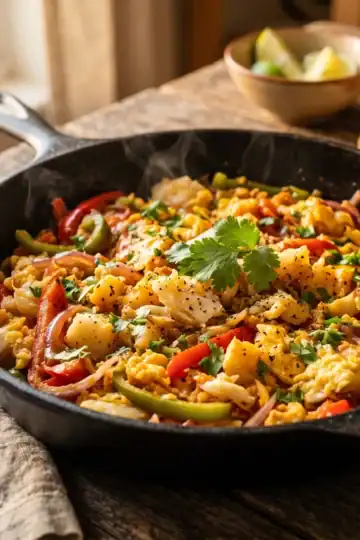
- Perfect leftovers: Leftover pernil makes incredible sandwiches, tacos, fried rice, and breakfast hash.
What Is Pernil?
Pernil is slow-roasted pork shoulder, a centerpiece dish across the Spanish-speaking Caribbean. The Dominican version is distinct from Puerto Rican pernil in subtle but important ways: we use a wet marinade (mojo) rather than a dry rub, we slash the meat deeper and stuff garlic paste into every cut, and we typically use the picnic shoulder rather than the Boston butt. The result is incredibly juicy meat with a deeply flavorful crust and that signature Dominican crispy skin.
Pernil traces its roots back to colonial-era Spain, brought to the Caribbean by Spanish settlers and adapted with indigenous Taíno cooking techniques and African flavor profiles. In the Dominican Republic, pernil became the centerpiece of Christmas Eve (Nochebuena) and New Year's celebrations — special occasions worth the all-day cooking commitment.
What makes Dominican pernil special is the combination of three things: the wet adobo marinade made with sour orange (naranja agria), garlic, oregano, and salt; the deep slashing technique that lets the marinade penetrate the meat; and the two-stage roasting process — covered low and slow first, then uncovered with high heat at the end to crisp the skin into chicharrón.
Did You Know?
- The name "pernil" comes from Spanish "pierna," meaning leg — though today the shoulder is most commonly used throughout the Caribbean because of its higher fat content and better results when slow-roasted.
- Pernil is the centerpiece of Nochebuena (Christmas Eve) in the Dominican Republic. Families prepare it the night before, marinating overnight, and roast it for 8+ hours. The smell of pernil slow-roasting is the official scent of the holiday season in Santo Domingo.
- Sour orange (naranja agria) is the secret weapon. This bitter citrus — used across the Caribbean but rarely found in mainstream US grocery stores — breaks down proteins in the marinade for more tender meat while adding a complex, tangy flavor that regular orange juice simply cannot replicate.
Ingredients You'll Need
For the Pork
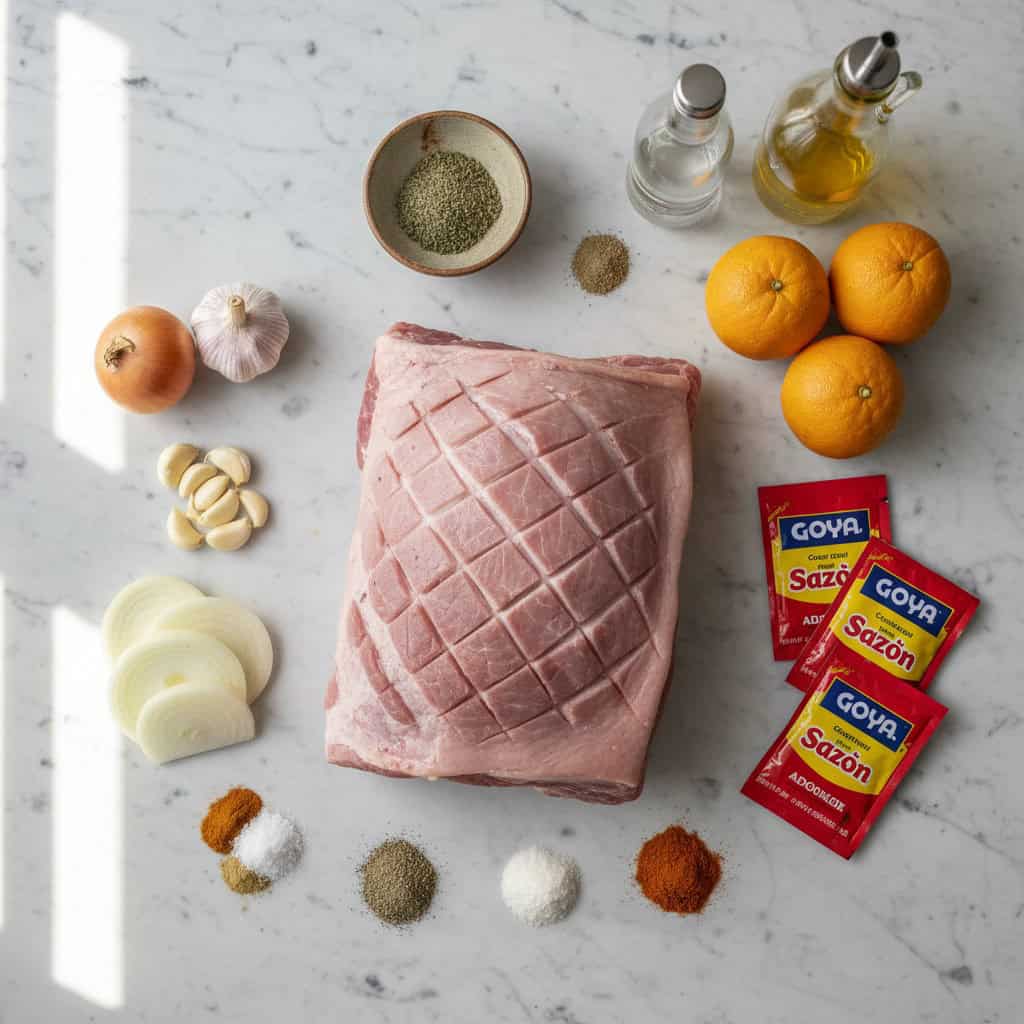
- 1 (8-10 lb) bone-in, skin-on pork shoulder (picnic shoulder or pernil cut)
For the Wet Adobo Marinade
- 2 full heads of garlic, peeled (about 20-25 cloves)
- 1 medium yellow onion, roughly chopped
- 3 tablespoons kosher salt
- 2 tablespoons dried oregano (Dominican preferred)
- 1 tablespoon ground black pepper
- 1 tablespoon ground cumin
- 2 tablespoons adobo seasoning
- 2 packets sazón con culantro y achiote
- ¼ cup olive oil
- ½ cup sour orange juice (naranja agria) or substitute with ⅓ cup orange juice + 3 tablespoon lime juice
- 2 tablespoons white vinegar
Equipment: A heavy roasting pan with a rack and a reliable meat thermometer are non-negotiable. I use my ThermoPro Thermometer to nail the internal temp every time.
Step-by-Step Instructions
Step 1 — Make the Wet Adobo
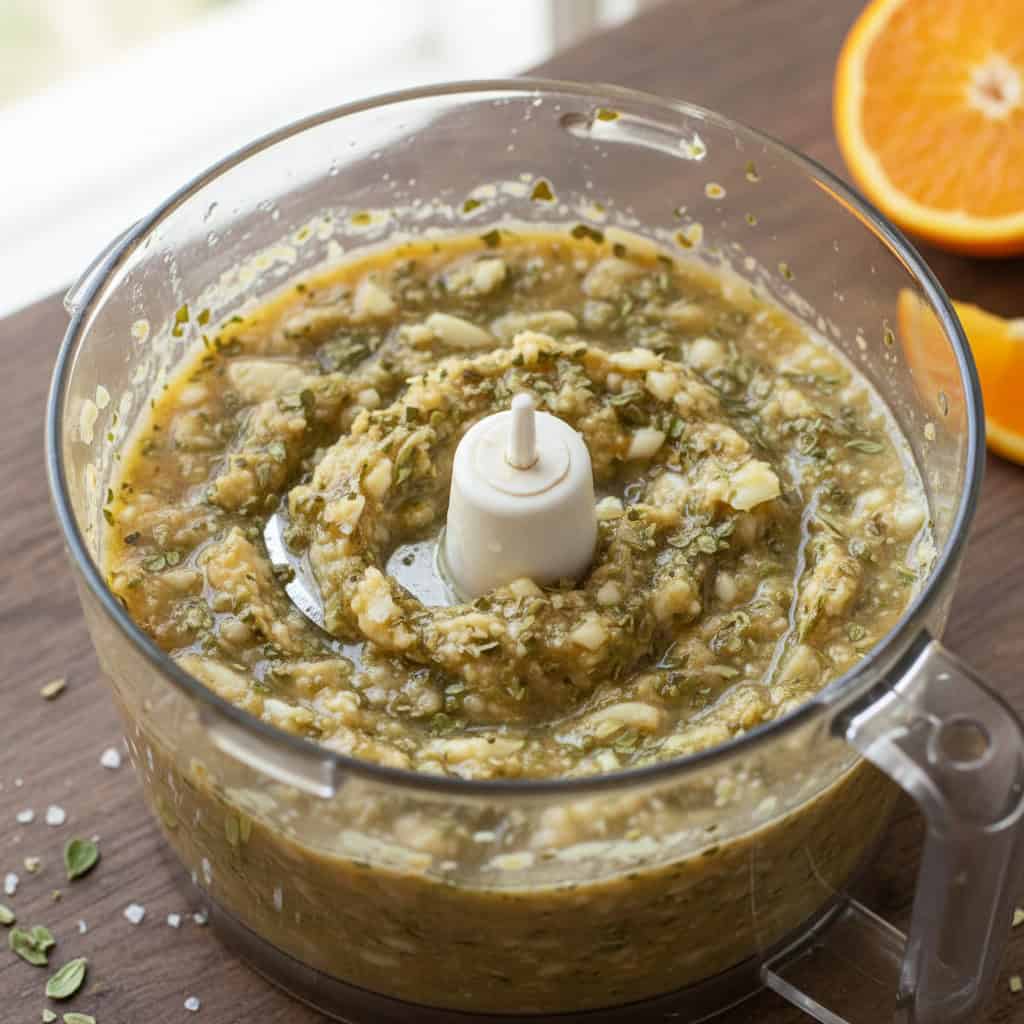
In a food processor, combine garlic, onion, salt, oregano, pepper, cumin, adobo, sazón, olive oil, sour orange juice, and vinegar. Pulse until you have a thick, chunky paste. Don't over-blend — you want texture.
Step 2 — Slash and Marinate the Pork
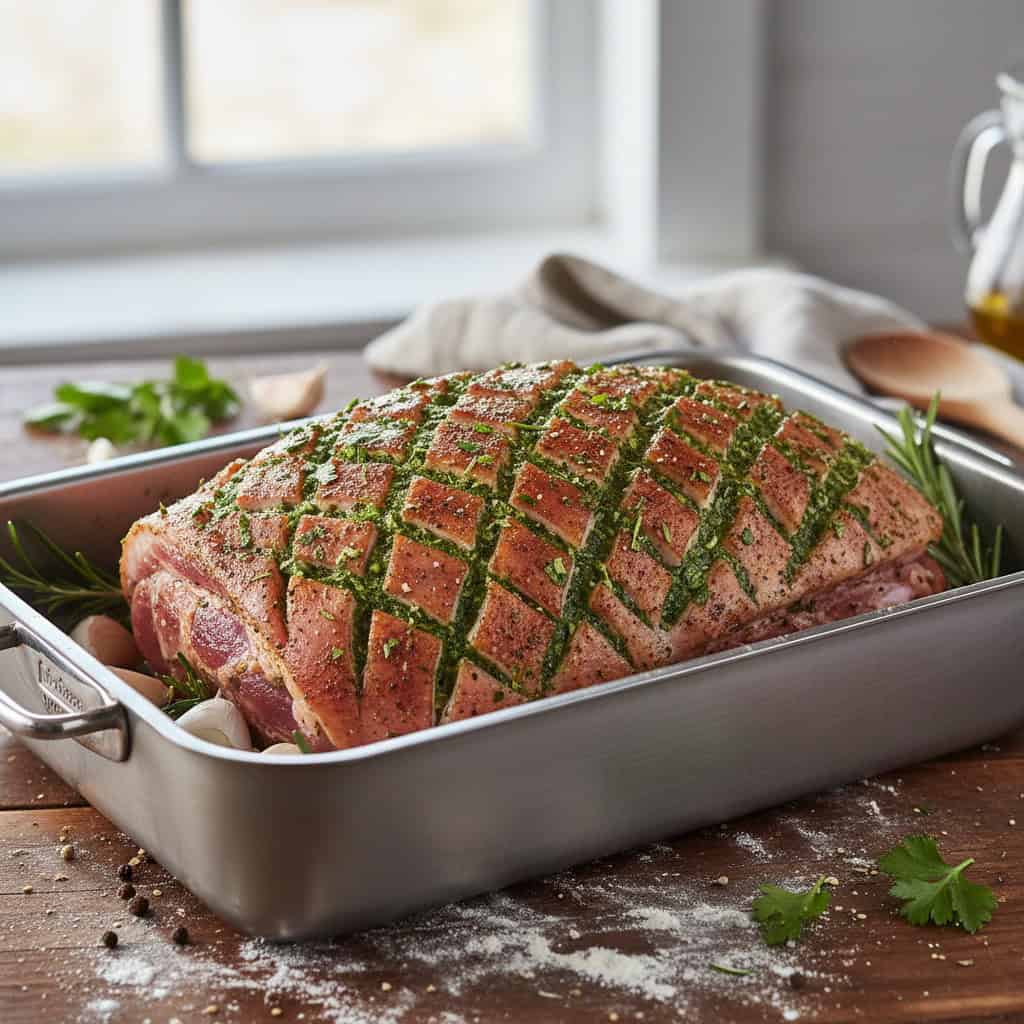
Place the pork shoulder skin-side up on a cutting board. Use a sharp knife to score the skin in a crosshatch pattern about ¼ inch deep. Flip and use the knife to make deep cuts (about 2 inches deep) into the meat — about 8-10 cuts total. Stuff the wet adobo into every cut and rub it all over the meat and under the skin. Cover and refrigerate for at least 24 hours, ideally 48.
Step 3 — Bring to Room Temperature
Take the pork out of the fridge 1-2 hours before cooking. This ensures even cooking. Preheat oven to 325°F.
Step 4 — Roast Covered
Place the pork skin-side up in a roasting pan with a rack. Pour 1 cup of water into the bottom of the pan to keep things moist. Cover tightly with foil and roast at 325°F for 4 hours.
Step 5 — Crank the Heat
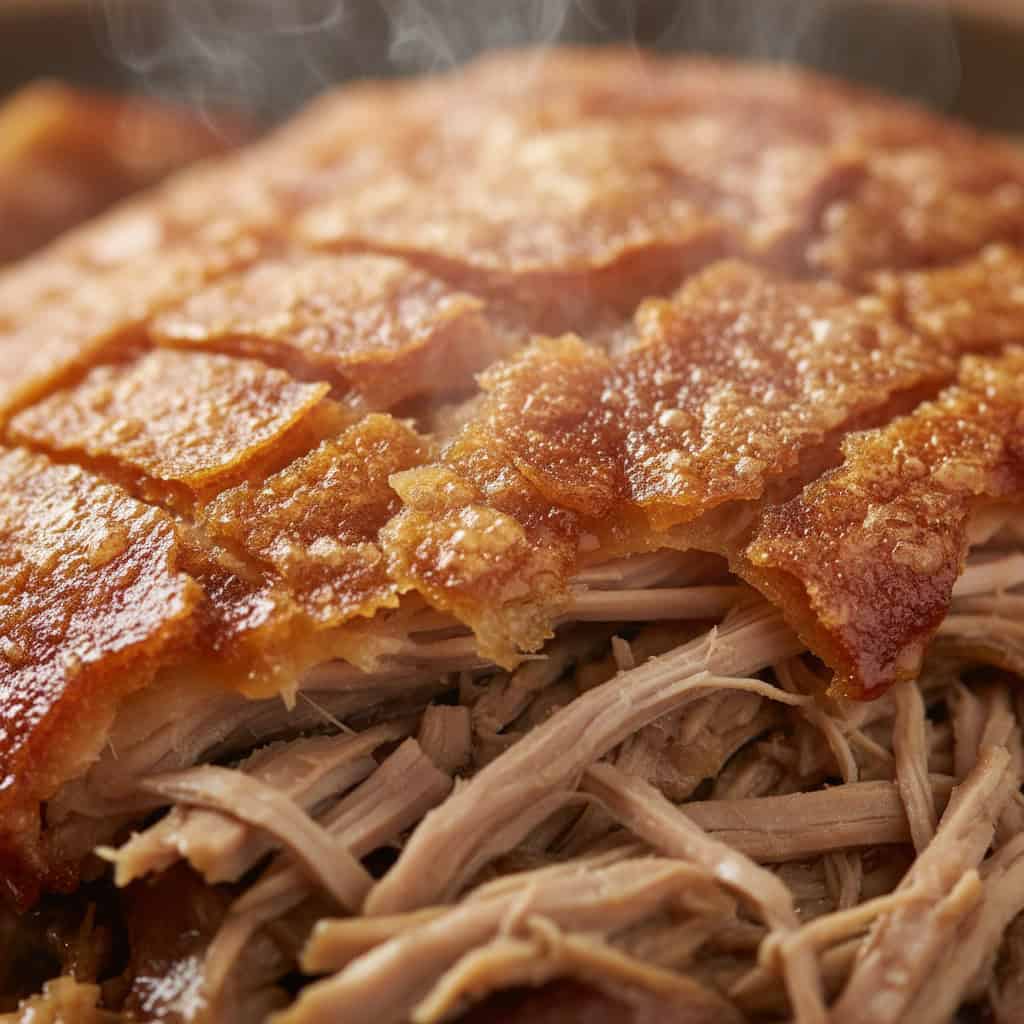
Remove the foil. Drain off most of the rendered fat and liquid (save it for moro!). Increase oven temperature to 425°F. Roast uncovered for 45-60 minutes until the skin is crackling crispy and the internal temp reaches 195°F.
Step 6 — Rest and Carve
Let the pernil rest for 20-30 minutes before carving. This is critical — cutting too early lets all the juices run out. Pull the chicharrón skin off in pieces, then shred or slice the meat. Serve immediately.
Pro Tips for Perfect Pernil
- Use bone-in, skin-on: Boneless pork shoulders won't give you the same flavor or that beautiful chicharrón skin. The bone adds depth and the fat keeps the meat moist.
- Marinate for 48 hours minimum: Twenty-four hours is the bare minimum, but 48 is where the magic happens. The salt and acid penetrate deep into the meat.
- Don't open the oven during the slow roast: Every time you open the oven, you lose 25 degrees and add to cook time. Trust the process and leave it alone.
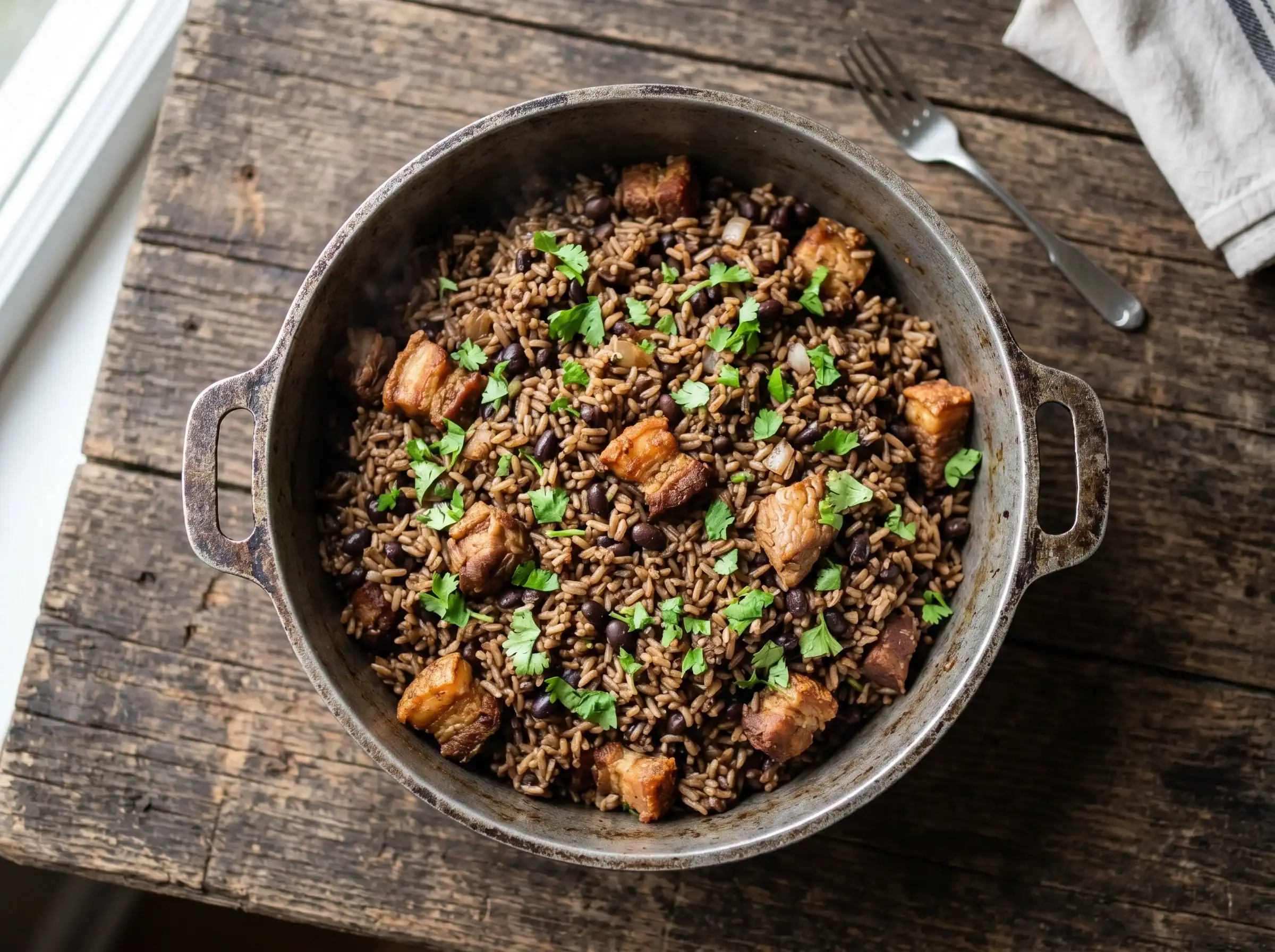
- Save the drippings: The rendered fat and pan juices are pure gold for cooking moro de gandules or arroz blanco the next day. Strain and refrigerate.
- Let it rest: Twenty minutes of resting after roasting is non-negotiable. The juices redistribute and the meat stays moist.
Variations
Slow Cooker Pernil
After marinating, place the pork shoulder skin-side up in a 7-quart slow cooker. Cook on low for 10-12 hours. Transfer to a baking sheet and broil at 500°F for 10-15 minutes to crisp the skin. The meat will be incredibly tender, though the skin won't be quite as glass-crisp as oven-roasted.
Instant Pot Pernil
Cut the pork shoulder into 4-inch chunks. Pressure cook with the marinade and 1 cup chicken stock for 90 minutes with natural release. Transfer to a baking sheet and broil 8-10 minutes for color. Faster but less traditional.
Mojo-Style Pernil
For a Cuban-Dominican fusion, double the sour orange juice and add the zest of 2 oranges to the marinade. Brighter, more citrus-forward flavor.
What to Serve With Pernil
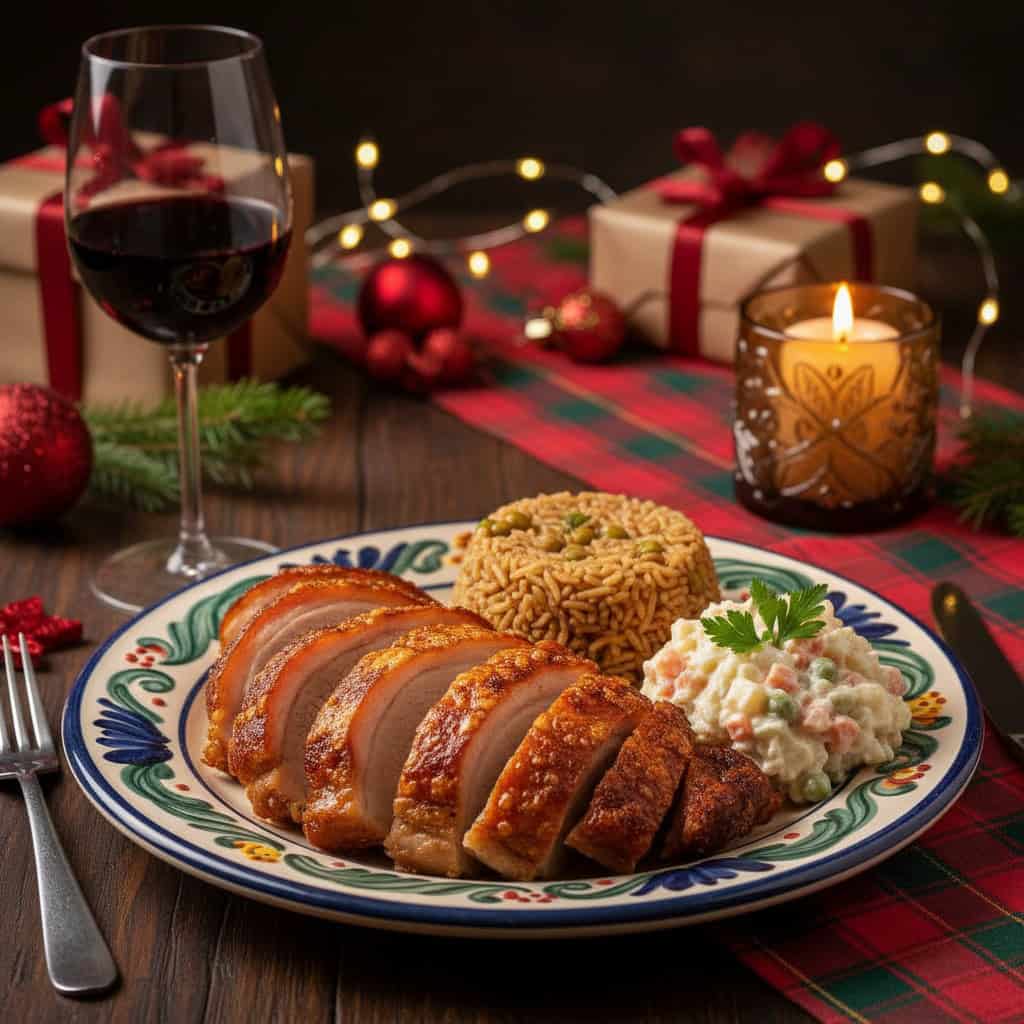
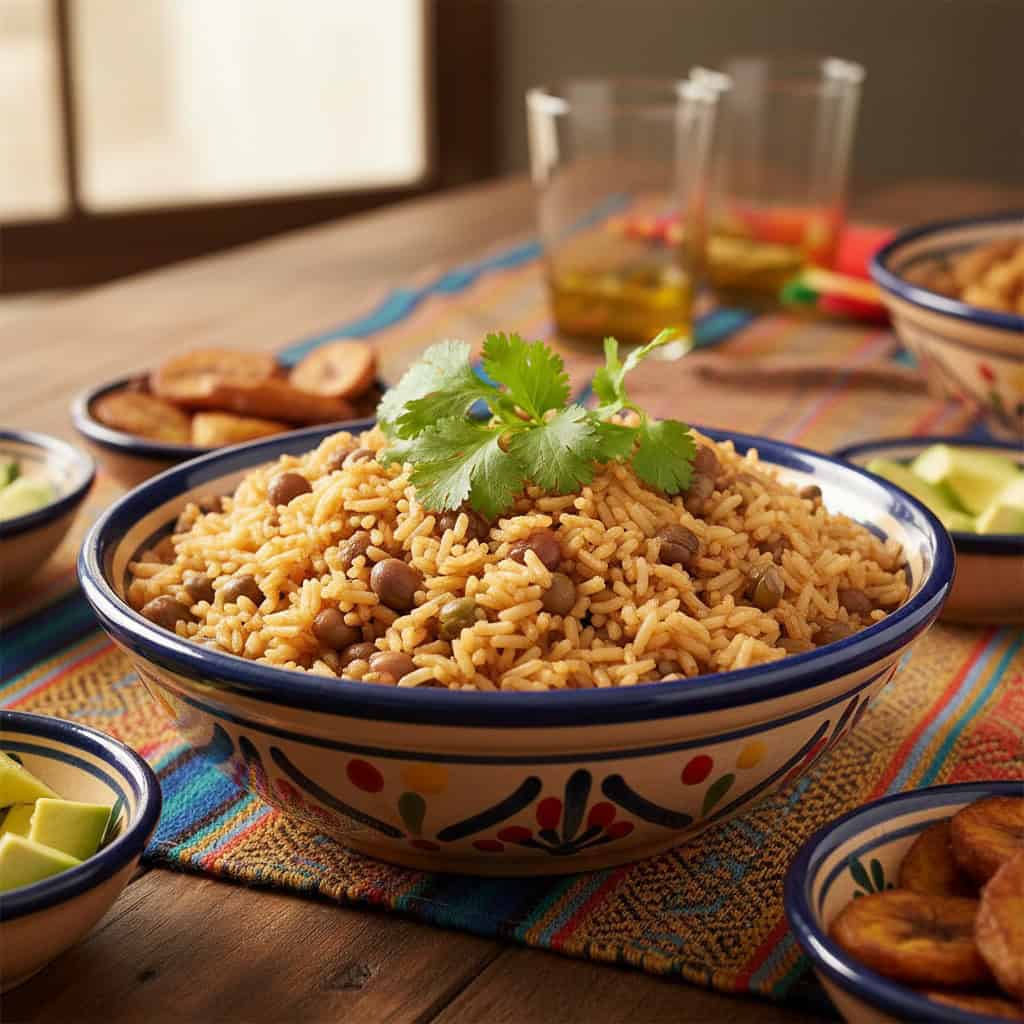
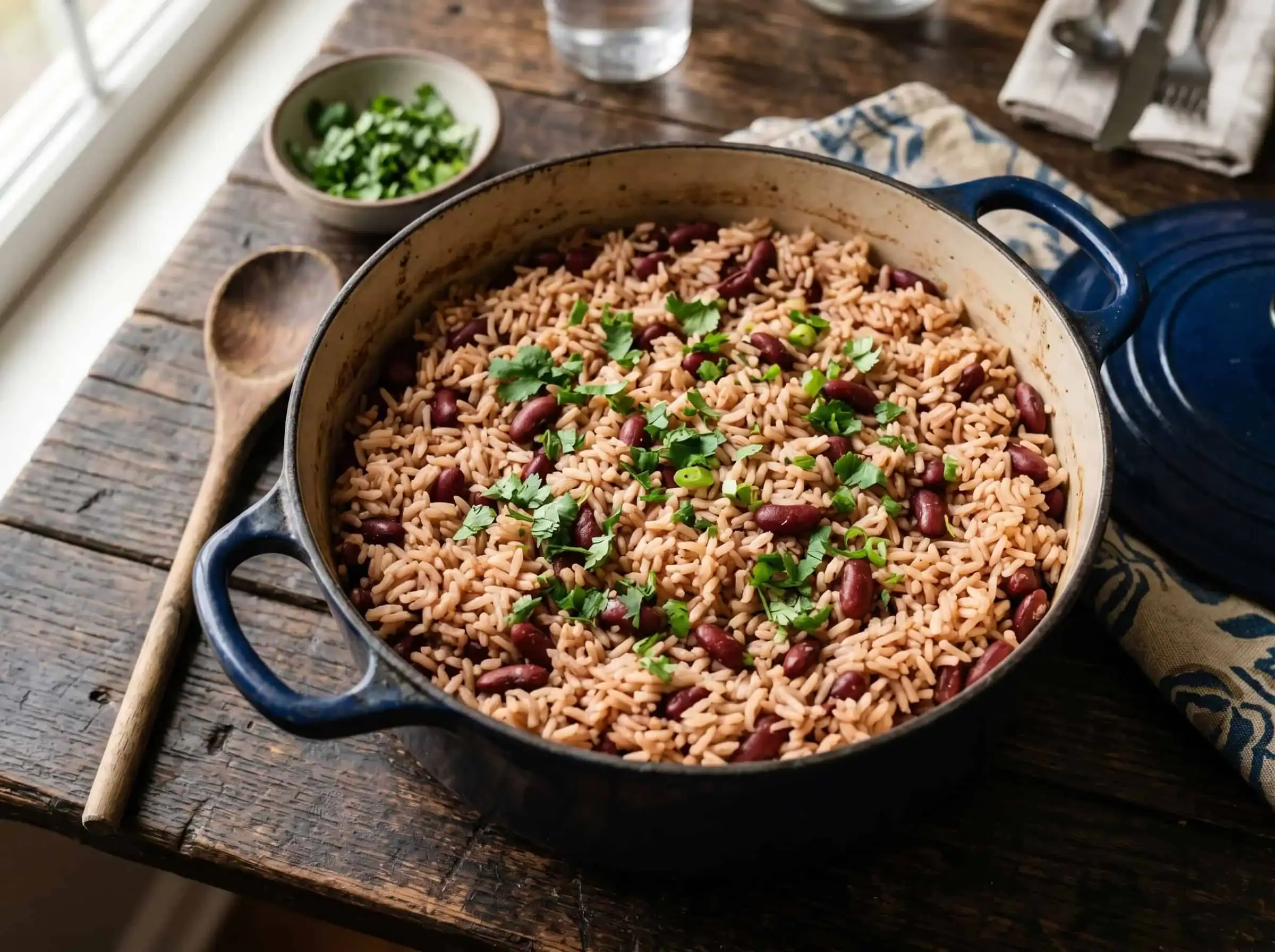
- Moro de gandules: The classic Dominican Christmas pairing. Rice and pigeon peas cooked in pork drippings.
- Tostones: Crispy fried green plantains for crunch.
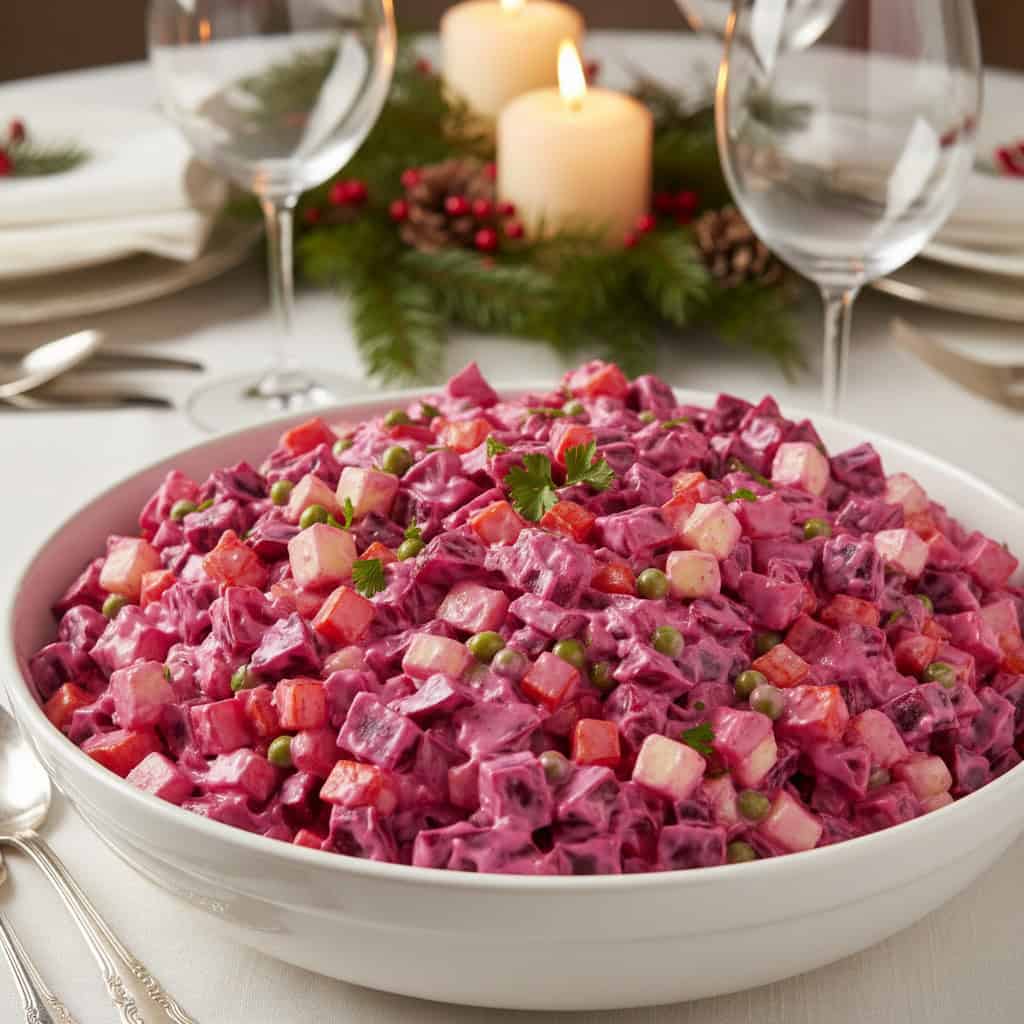
- Ensalada rusa: Dominican potato salad with carrots, peas, and mayo — every Dominican party staple.
- Ensalada verde: Simple lettuce, tomato, avocado, and red onion with lime dressing.
- Pan de agua: Soft Dominican white bread to make tripleta-style sandwiches with leftover pernil.
- Habichuelas guisadas: Classic stewed beans round out la bandera dominicana plate.
You May Also Like
Frequently Asked Questions
An 8-10 lb pernil takes about 5 hours total: 4 hours covered at 325°F, then 45-60 minutes uncovered at 425°F. Plan for an hour of resting and prep time on top of that.
What's the difference between pernil and lechón?Pernil refers specifically to the pork shoulder cut, slow-roasted in the oven. Lechón is whole roasted pig — typically cooked over an open fire or in an outdoor caja china. Both are Caribbean classics but require very different setups.
Can I substitute the sour orange?Yes — the easiest substitute is ⅓ cup regular orange juice mixed with 3 tablespoons lime juice. The acidity is what matters. Sour orange (naranja agria) is the traditional ingredient and you can find it at Latin grocery stores or in the international aisle.
How do I get the skin crispy?Three things: dry the skin completely before applying marinade, score it deeply, and finish at high heat (425°F+) uncovered for the last hour. If it's still not crispy enough, broil for the final 5 minutes — but watch it like a hawk.
How much pernil per person?Plan for about ½ to ¾ lb of bone-in pork shoulder per person. An 8 lb pernil feeds 12-15 people generously. Always make extra — leftovers are pure gold.
Can I make pernil ahead of time?Yes — the marinade actually needs 24-48 hours of refrigeration to do its magic. You can also fully roast it the day before, refrigerate, and reheat low and slow at 250°F covered with foil for an hour. Then crisp the skin under the broiler before serving.
What temperature should pernil be cooked to?For shredding-tender pernil, you want an internal temperature of 195-205°F. This is well past 'safe' (which is 145°F) but you need this high temp to break down the connective tissue. Use a meat thermometer.
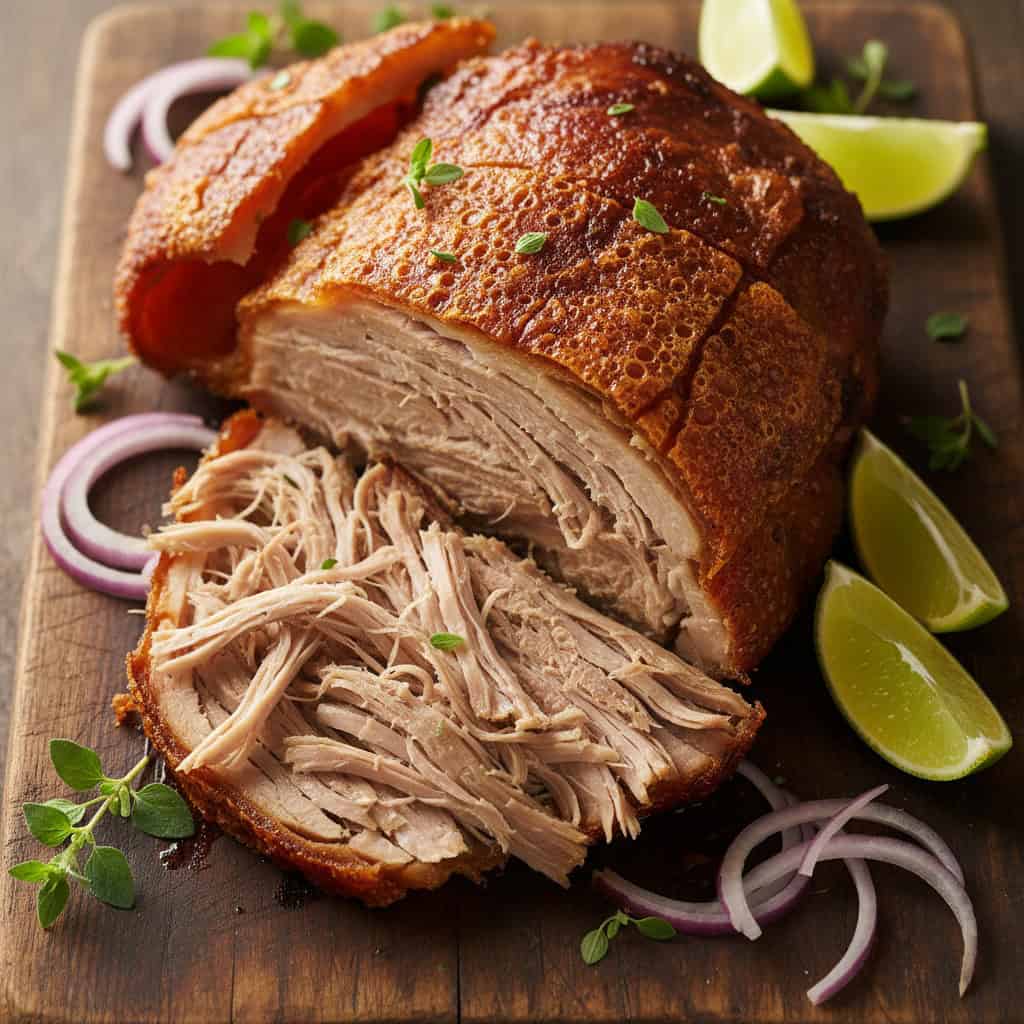
Dominican Pernil
Ingredients
Equipment
Method
- Make wet adobo: pulse garlic, onion, salt, oregano, pepper, cumin, adobo, sazón, oil, sour orange, and vinegar in food processor until thick chunky paste.
- Score skin in crosshatch pattern ¼ inch deep. Flip and make 8-10 deep 2-inch cuts in the meat. Stuff adobo into every cut. Rub all over and under skin. Refrigerate 24-48 hours.
- Bring pork to room temperature 1-2 hours before cooking. Preheat oven to 325°F.

- Place skin-side up on rack in roasting pan with 1 cup water. Cover tightly with foil. Roast 4 hours.
- Remove foil. Drain off most fat (save for moro!). Increase to 425°F. Roast uncovered 45-60 minutes until skin is crispy and internal temp is 195°F.
- Rest 20-30 minutes. Pull off chicharrón skin in pieces. Shred or slice meat. Serve.
Nutrition
Video
Notes
Tried this recipe?
Let us know how it was!Shop This Recipe
View on Amazon →
View on Amazon →
View on Amazon →
As an Amazon Associate I earn from qualifying purchases at no extra cost to you.
Make this for your next family gathering. Trust me — they'll talk about it for years.
Leave a Reply