
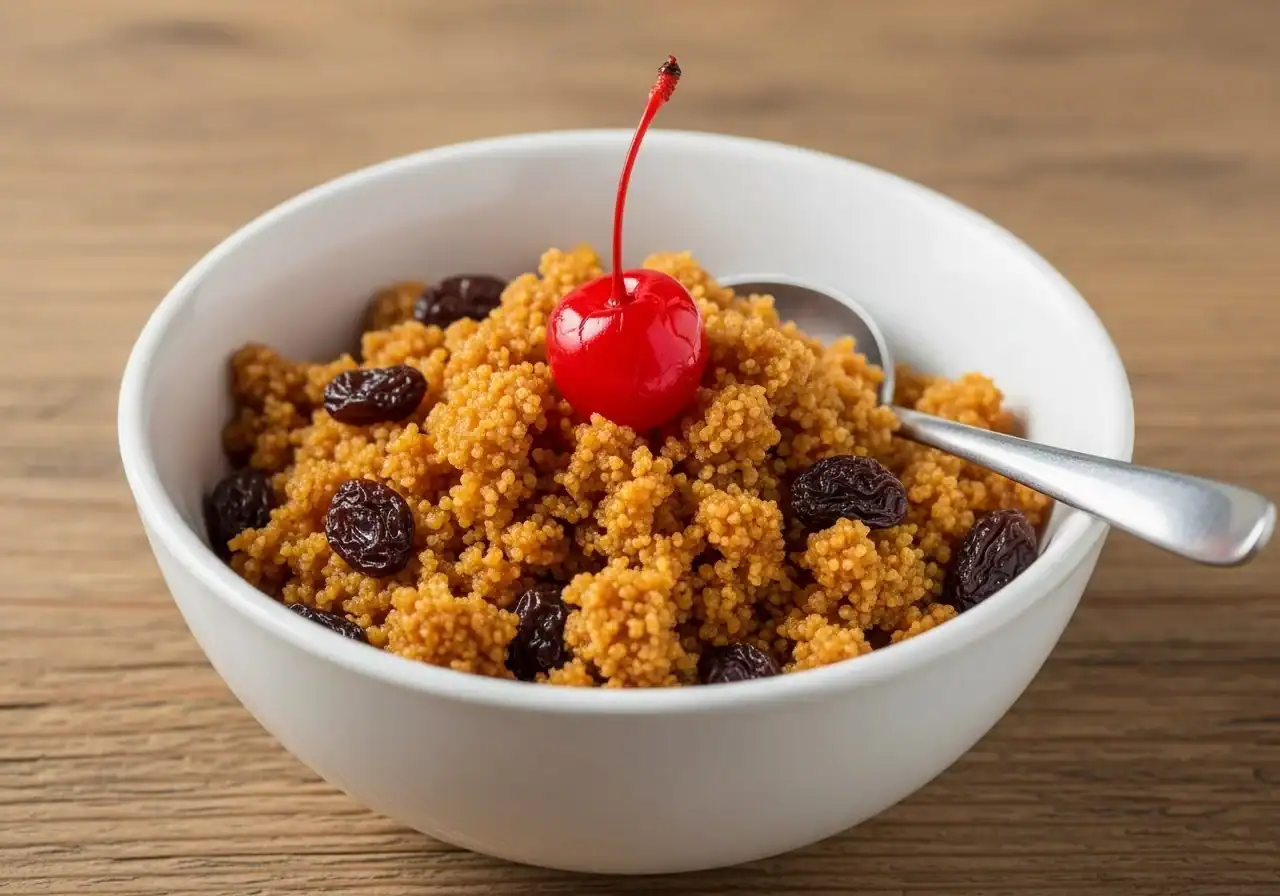
Most people throw away curdled milk. Dominicans figured out it's actually a dessert. That's leche cortada in one sentence. Somewhere a long time ago a Dominican abuela looked at a pot of milk that had gone a little funky, or had acid hit it by accident, and instead of tossing it she added sugar, cinnamon, star anise, a handful of raisins, and cooked it down until the curds turned into this golden-amber, grainy, caramelized thing that tastes like nothing else on earth. She topped it with a bright red maraschino cherry and called it dessert. That's who we are as a people.
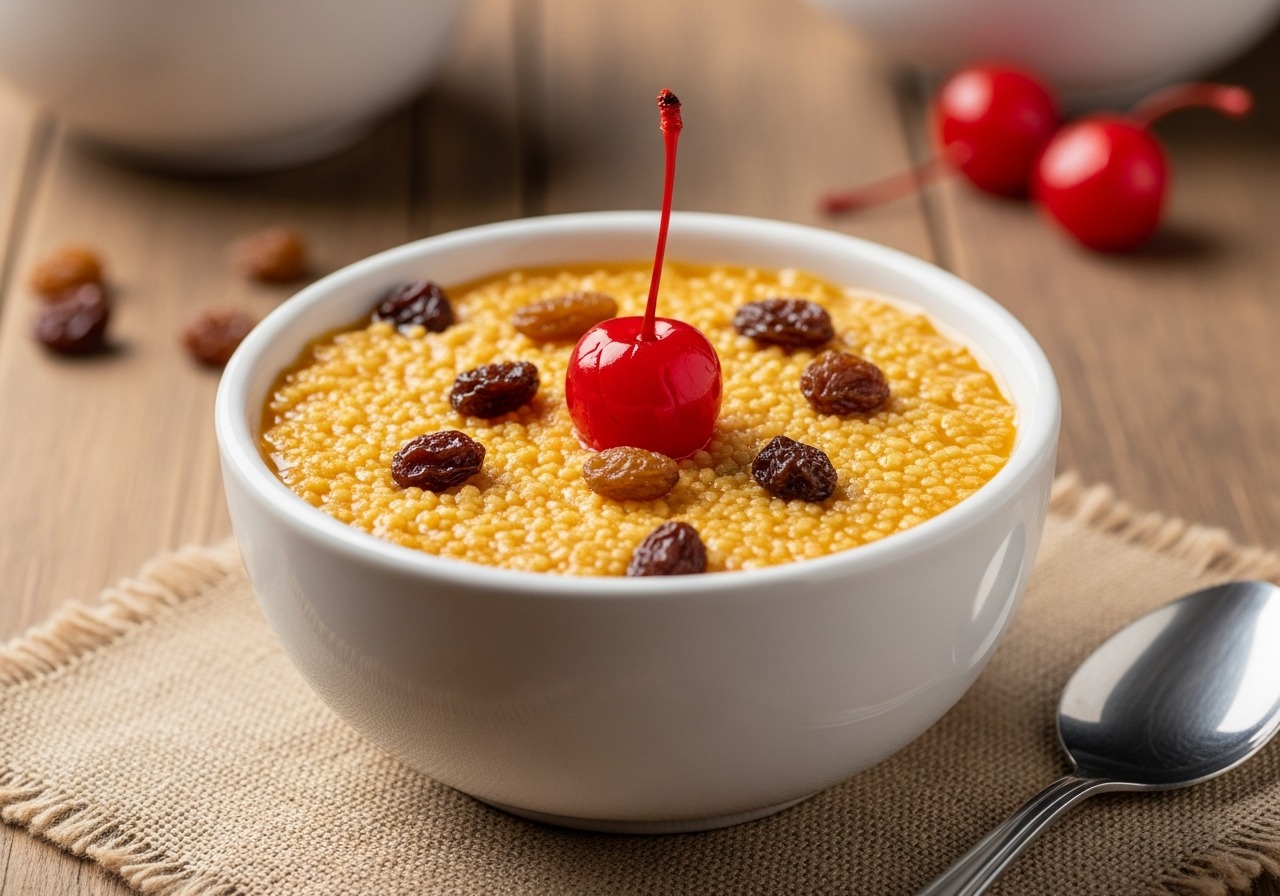
Leche cortada dominicana — literally "cut milk" — is one of the oldest desserts on the island. Older than bizcocho dominicano. Older than flan dominicano as we know it today. It's the original Dominican sweet, born out of a rural kitchen where nothing got wasted. You took whole milk, you heated it slow with sugar and warm spices, you cut it on purpose with fresh lime juice, and you cooked the curds until the sugars caramelized and the whey got absorbed and the whole thing came together into a soft, spoonable, slightly grainy pudding the color of honey. Raisins stirred in near the end. Heavy ground cinnamon on top. A maraschino cherry because every Dominican dessert gets a maraschino cherry — that's the rule.
Non-Dominicans always look at the name with their face scrunched up. "Curdled milk?" Yes. "Like… on purpose?" On purpose. Then they try a spoonful and their face changes. It doesn't taste like spoiled milk at all. Intentionally curdled milk with acid is a completely different chemistry than milk that's gone bad — curdling with acid creates clean, fresh cheese-like curds (the same way ricotta gets made), and those curds cooked in sweet cinnamon syrup taste like flan's grittier, more interesting cousin. My gringo friends have never not gone back for seconds. Not once.
Why You'll Love This Leche Cortada Dominicana
- Tastes like your Dominican abuela made it: Golden-amber, grainy, warmly spiced with cinnamon and star anise, studded with raisins, and crowned with a maraschino cherry. That's the real one.
- 9 simple pantry ingredients: Whole milk, sugar, cinnamon sticks, star anise, lime, vanilla, raisins, maraschino cherries, a pinch of salt. Nothing you don't already have.
- One pot, no special equipment: A medium saucepan and a wooden spoon. No blender, no strainer, no thermometer. That's it.
- Warm or cold — both work: Scoop it warm for Dominican comfort food, or chill it in the nevera for a refreshing version that tastes completely different and equally good.
- Fast — 25 minutes start to scoop: Faster than flan, faster than arroz con leche, faster than anything that tastes this layered.
- Zero food bloggers have this: You will not find a real leche cortada dominicana recipe in English anywhere else. I checked. This is the one.
What Is Leche Cortada Dominicana?
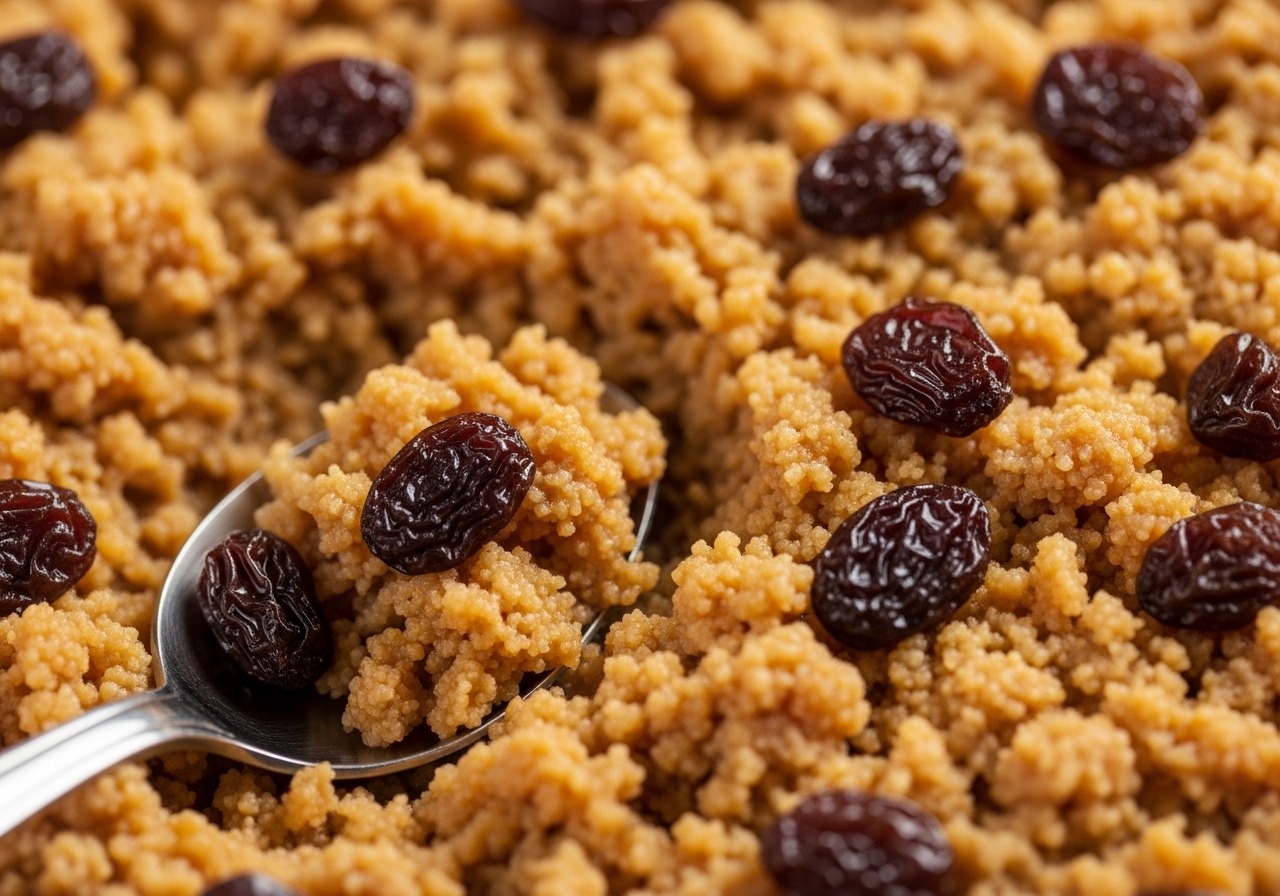
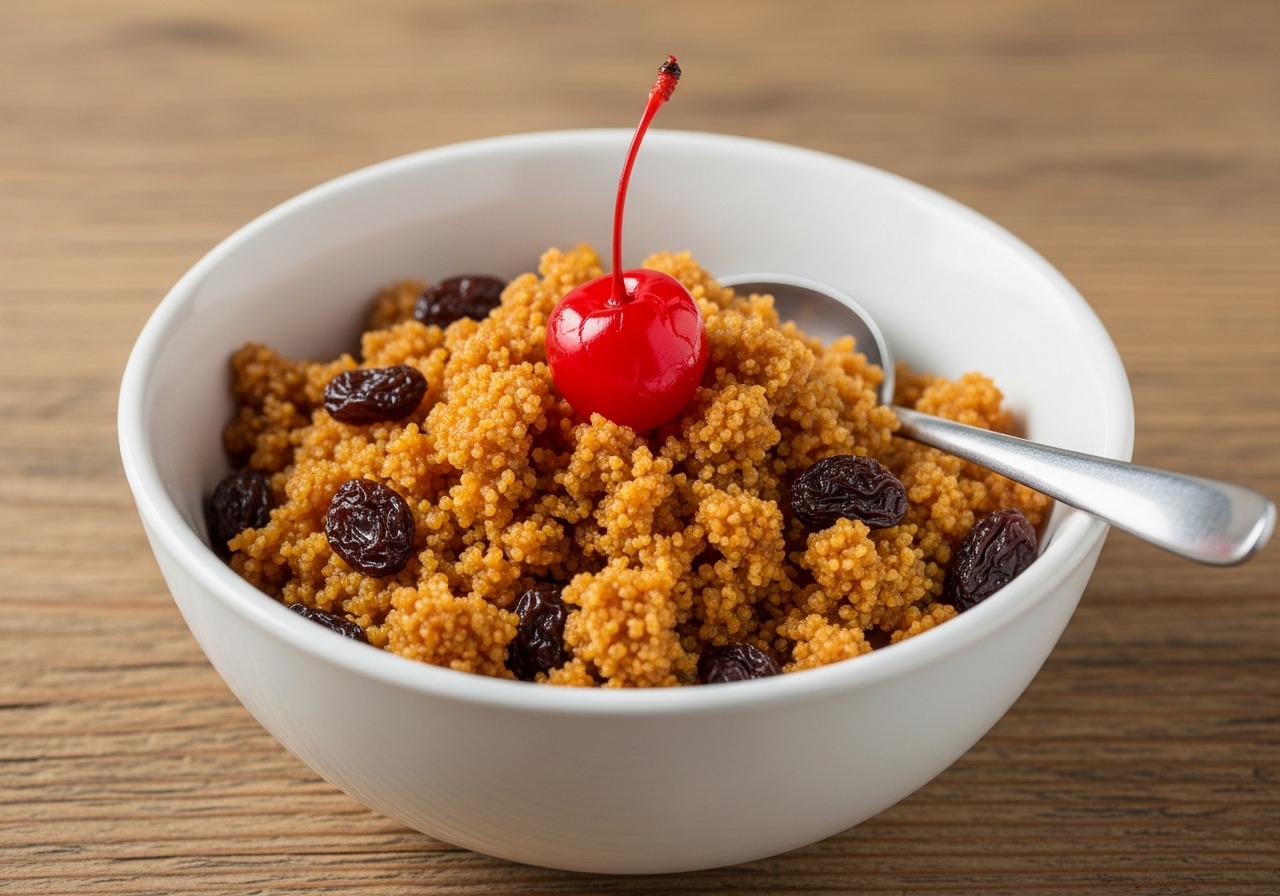
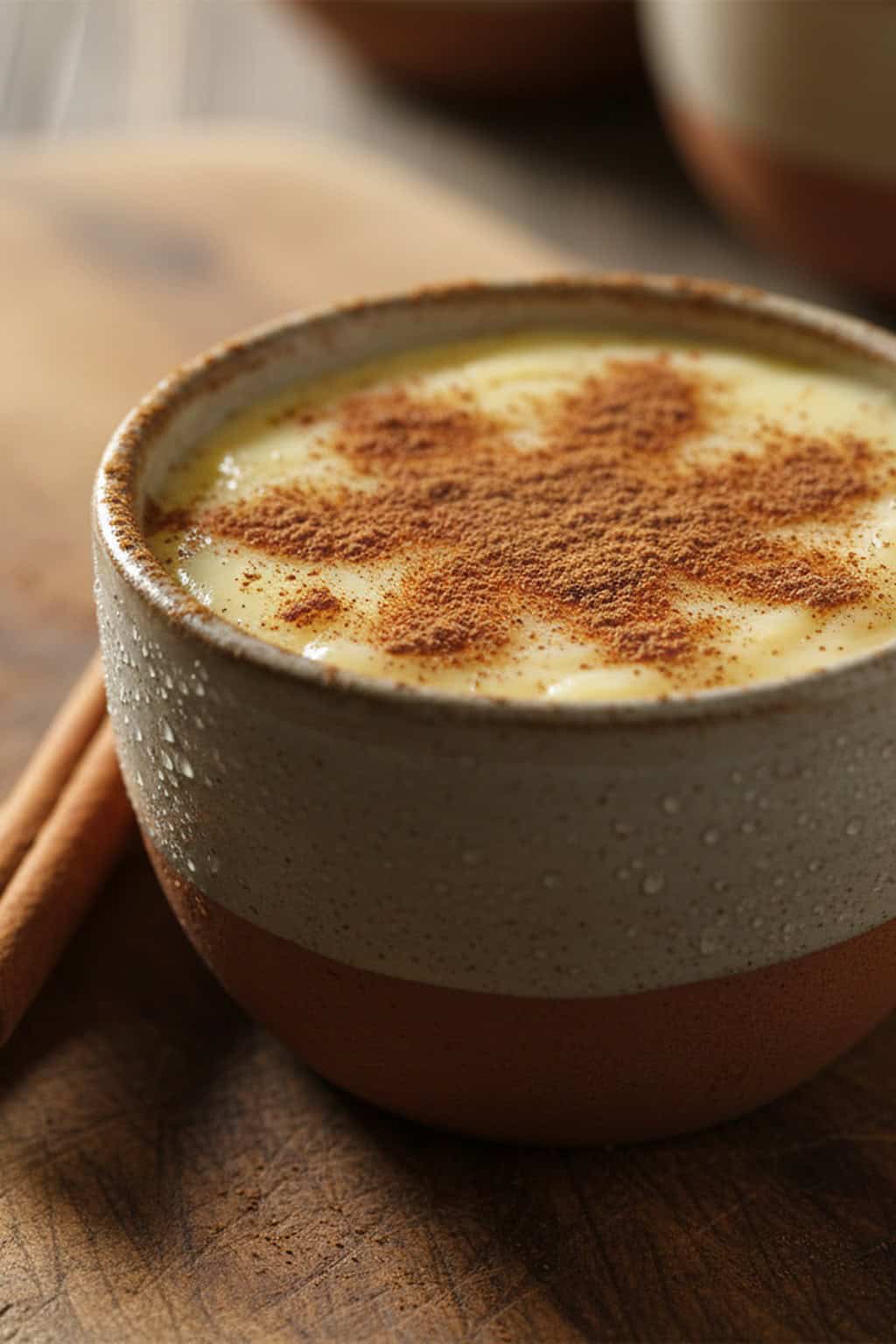
Leche cortada dominicana is a Dominican dessert made by intentionally curdling hot sweetened whole milk with fresh lime juice (or sometimes white vinegar), then cooking the curds down with sugar, cinnamon sticks, and star anise until the sugars caramelize and the whey gets absorbed. The result is a golden-amber, soft, spoonable pudding with a grainy, cottage-cheese-like texture — completely different from the smooth silkiness of flan or the creamy softness of arroz con leche. Raisins go in at the end to plump in the syrup. A maraschino cherry on top. Heavy ground cinnamon dusted over everything. Served warm for comfort or cold from the fridge for refreshment.
The roots of this dessert go deeper than almost anything else Dominican. The curdle-milk-with-acid technique is pre-Columbian in spirit — the Taíno, the indigenous people of Hispaniola, didn't have cow's milk before Spanish contact, but they had a kitchen philosophy of wasting nothing, and that philosophy is what leche cortada is built on. When the Spanish brought dairy cattle to the island, that philosophy collided with European dairy ingredients and gave rise to what we now call leche cortada. Enslaved West Africans added their own touch — the raisins, the warm spices, the slow-caramelization technique that turns white milk into something golden-brown. Three cultures in a white ceramic bowl.
Every Dominican grandmother has made this. It's the dessert you remember smelling in tu abuela's kitchen when you were six years old — cinnamon and star anise filling the whole house, the sound of her wooden spoon moving slow through the pot because she knew you couldn't stir leche cortada hard. Younger Dominicans are rediscovering it now — there's a whole wave of kids in their twenties on Dominican TikTok posting "my grandma's leche cortada" videos and going viral because so many people have never seen it before. It's having a moment. It deserved one.
How It's Different From Flan, Arroz Con Leche, and Natilla
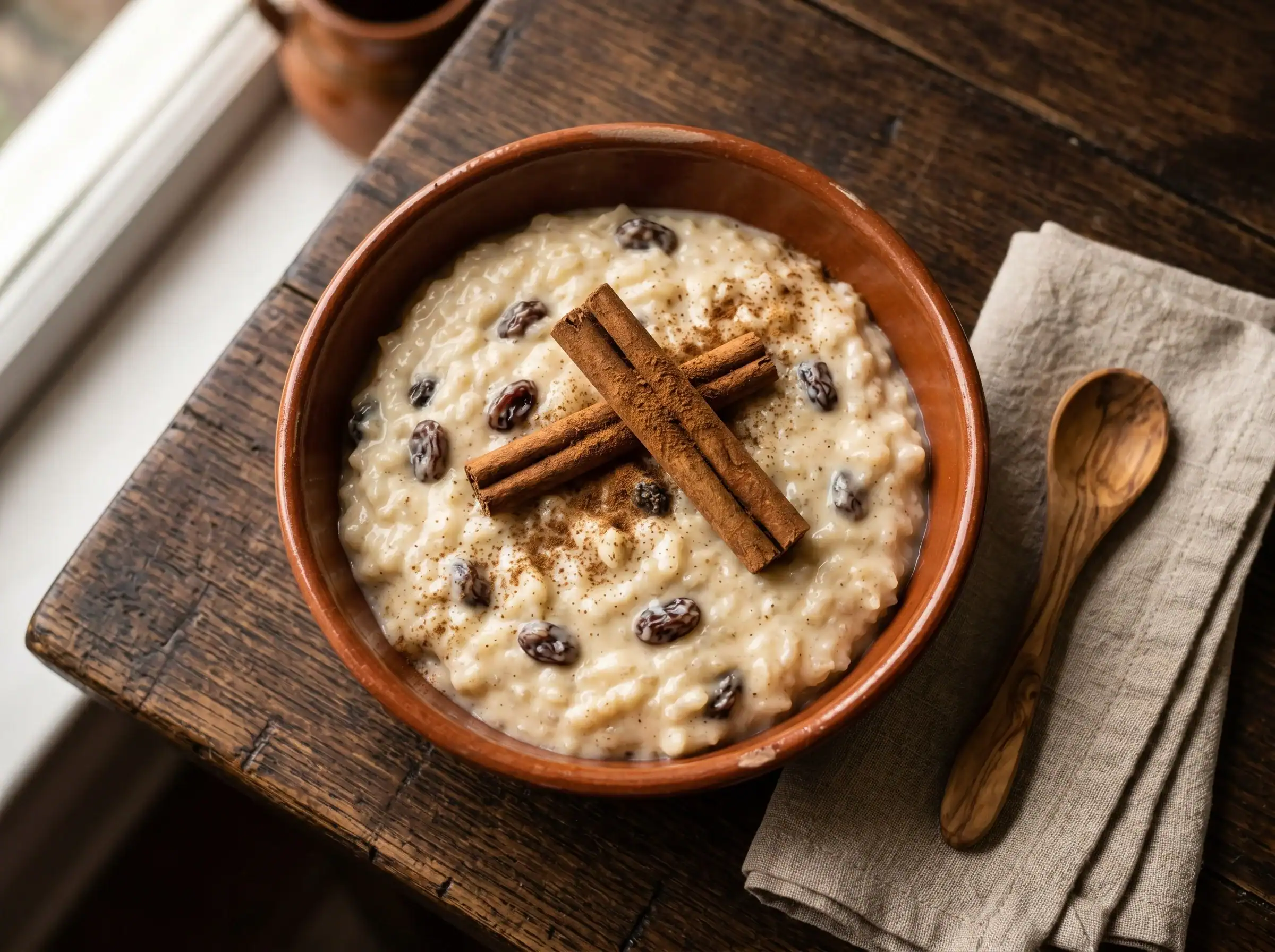
People always ask how leche cortada compares to the other Dominican milk desserts. Flan dominicano is smooth, custardy, egg-based — leche cortada is grainy, curd-based, no eggs. Arroz con leche dominicano is thick and rice-heavy — leche cortada has no rice and the texture comes from milk curds, not starch. Dominican natilla is a soft cornstarch-thickened milk pudding — leche cortada isn't thickened with anything, the curds themselves come together. And the color tells the whole story — flan is pale yellow, arroz con leche is white, natilla is ivory, but leche cortada is golden-amber from the sugar caramelizing with the milk solids over slow heat. It's its own animal entirely.
Ingredients You'll Need
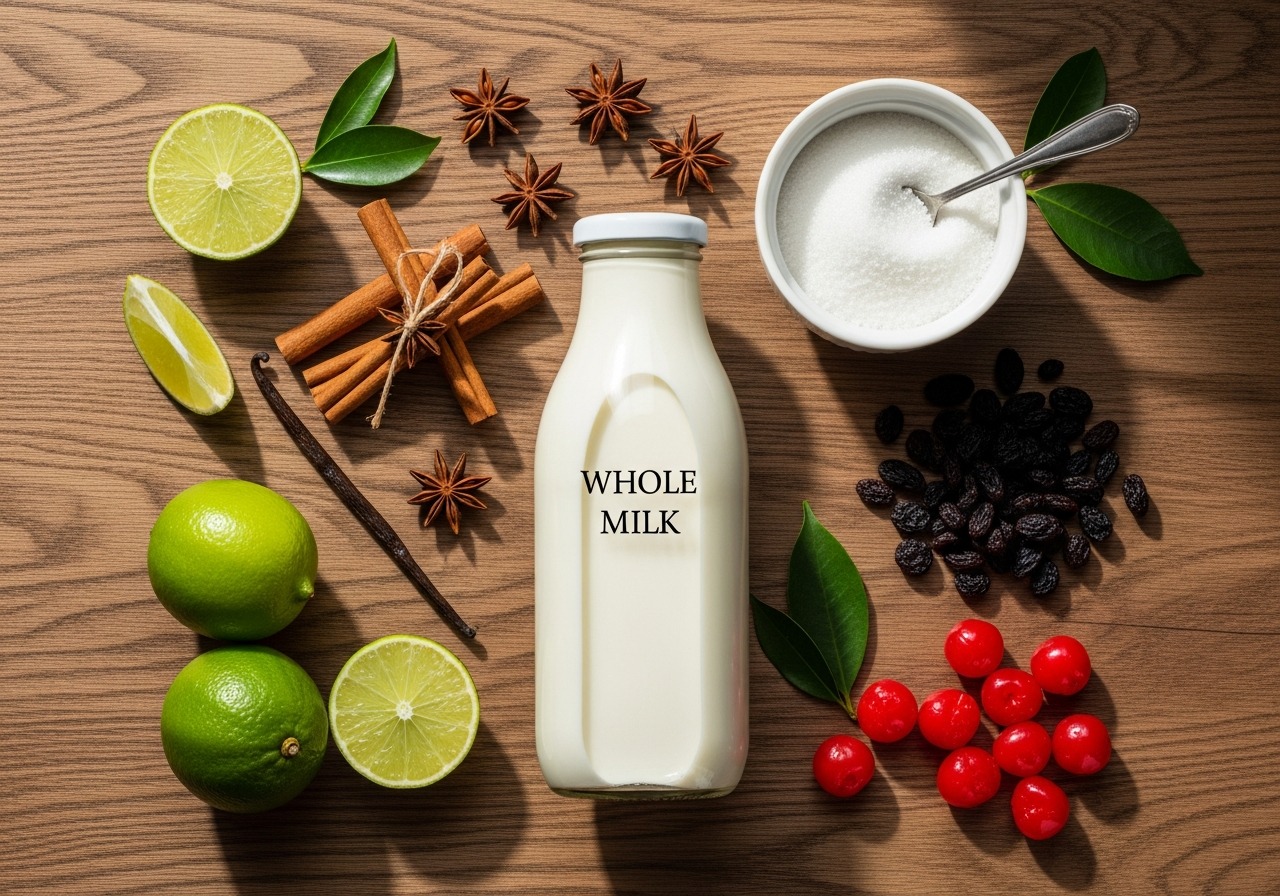
- 4 cups whole milk — full fat, non-negotiable. Low fat milk curdles unevenly and the final texture tastes thin and watery.
- ½ cup sugar — regular white. Adjust at the end if you want it sweeter.
- 2 cinnamon sticks — real sticks, not ground. Ground burns and goes muddy.
- 3 star anise pods — do not skip these. This is the spice that makes leche cortada Dominican instead of a generic Latin curdled milk dessert. Every other country's version uses just cinnamon. Ours adds the anise.
- Zest of ½ lime — just the green part, no pith.
- 3 tablespoon fresh lime juice — for curdling. Lime is brighter and cleaner than vinegar. If you absolutely can't get lime, use 2 tablespoon white vinegar.
- 1 teaspoon vanilla extract — pure, not imitation. Added at the very end so it doesn't cook off.
- ⅓ cup raisins — stirred in near the end to plump in the syrup. Golden or dark, both work.
- 6 maraschino cherries — one on top of each serving. Traditional. Every Dominican dessert gets the cherry.
- Pinch of salt — balances the sweetness. Don't skip.
- Ground cinnamon — heavy dusting on top at serving.
Equipment: A medium saucepan (heavy-bottomed works best so the milk doesn't scorch), a wooden spoon, a slotted spoon for fishing out the whole spices, and 6 small serving bowls or clear glass cups.
Step-by-Step Instructions
Step 1 — Combine Everything Except the Lime Juice
In a medium saucepan, pour in the 4 cups of whole milk. Add the ½ cup sugar, the 2 cinnamon sticks, the 3 star anise pods, the zest of half a lime, and a pinch of salt. Whisk once to start dissolving the sugar. Don't add the lime juice yet — that comes later and it's the most important timing in the whole recipe.
Step 2 — Heat Slow to a Bare Simmer
Put the pot over medium heat. Stir occasionally with a wooden spoon so the bottom doesn't scorch. You're bringing it up to a bare simmer — the moment you see tiny bubbles forming around the edges of the pot, that's it. Do not let it boil hard. Boiling breaks milk proteins in the wrong way and gives you a sad, gritty final texture. This takes about 6-8 minutes. By the time you hit the simmer, your kitchen should smell like cinnamon and star anise. That's how you know it's working.
Step 3 — Add the Lime Juice Slowly
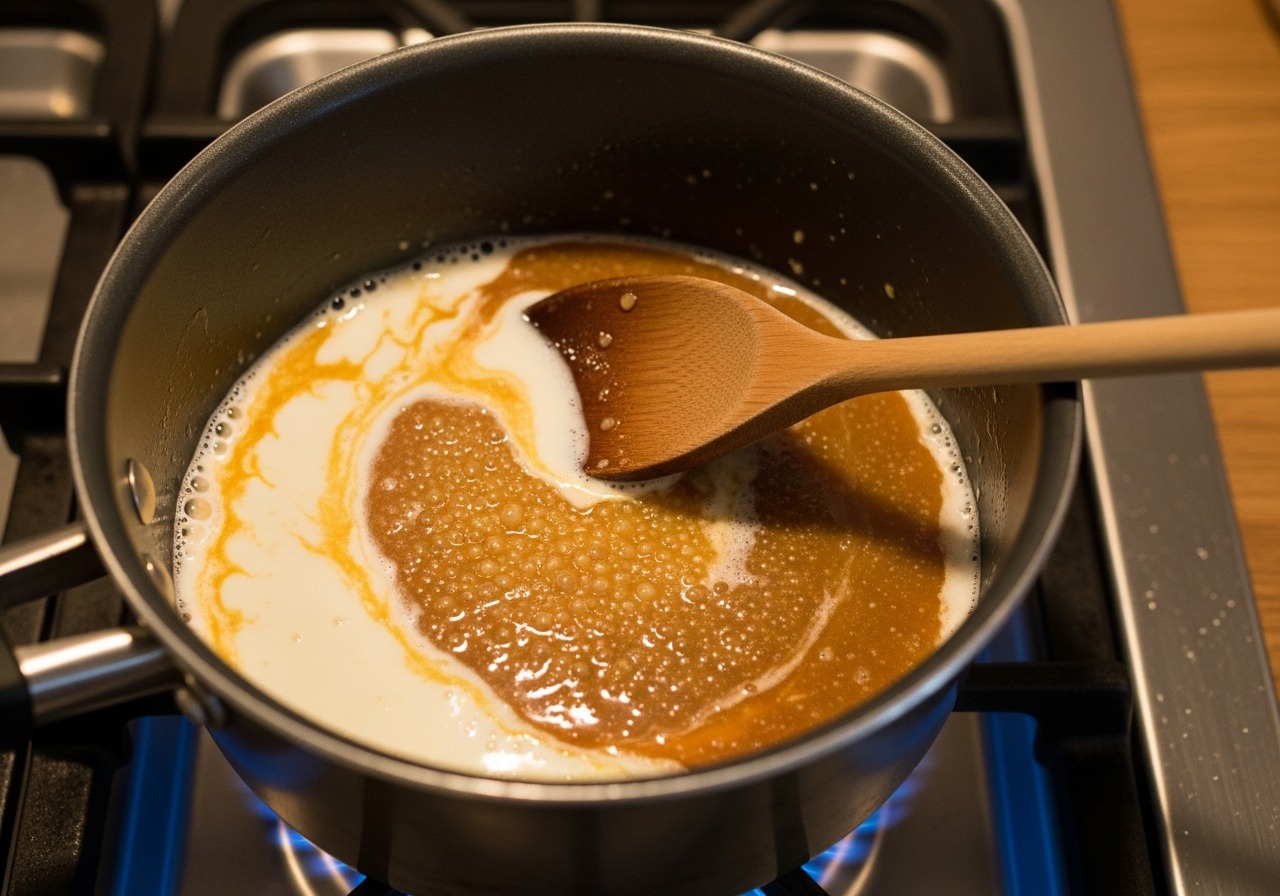
Drop the heat to medium-low. Pour the fresh lime juice into the milk in a thin, slow stream while stirring gently with your wooden spoon — this is the curdling step. The milk will break into soft white curds almost instantly. You'll see a yellowish whey separate from the white curds. Don't panic — this is exactly what's supposed to happen. That's the moment where non-Dominicans start looking concerned and Dominicans start smiling.
Step 4 — Stop Stirring Hard
This is the rule everybody breaks the first time they make it. Once the curds form, stop stirring aggressively. If you keep whisking or stirring fast, you'll break the curds into pieces too small to come together and the whole thing will end up watery and grainy in the bad way. Slow, wide, gentle passes only — like you're stirring a sleeping cat. Let the curds stay soft and loose. Let them hang out with the whey.
Step 5 — Cook Low Until Golden
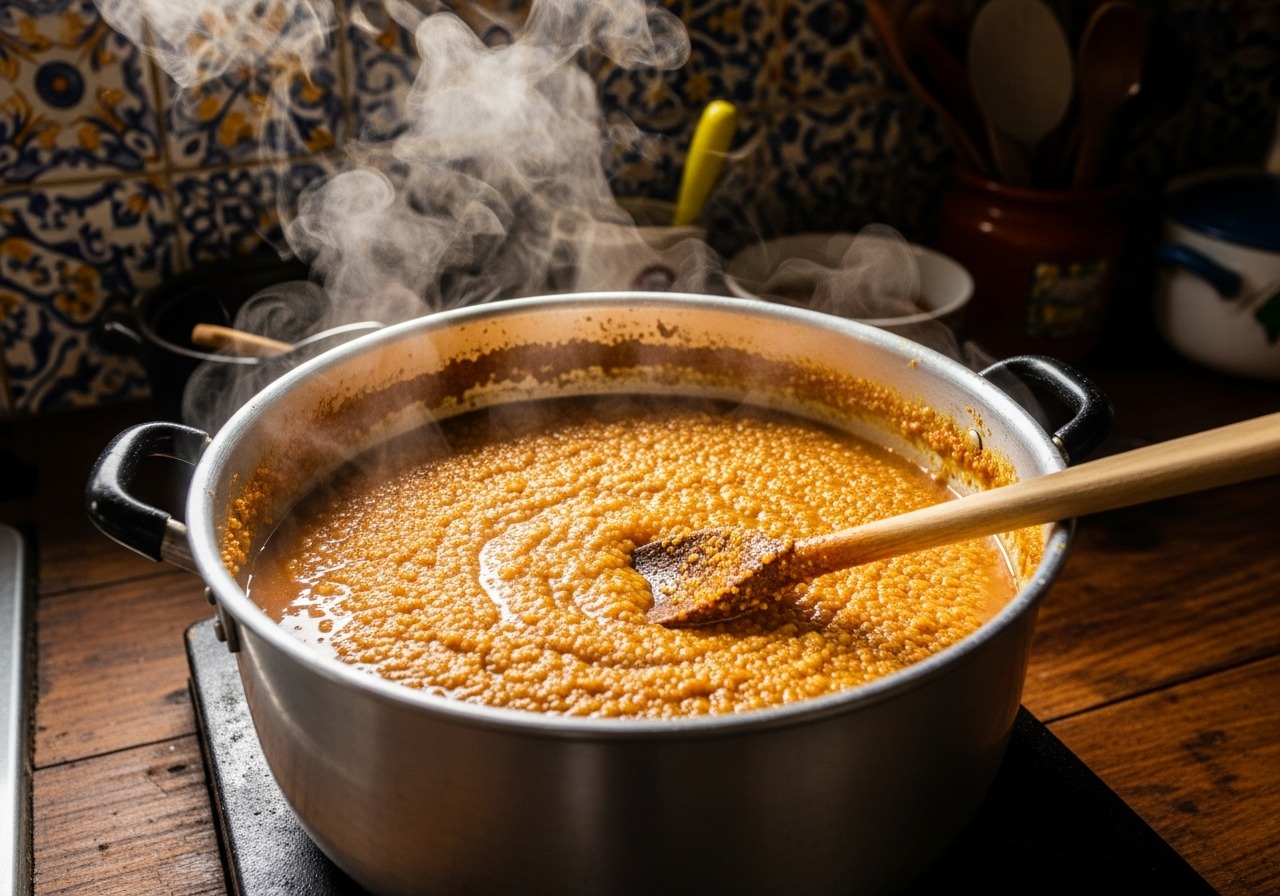
Keep the heat on low. Cook for 8-10 minutes, stirring gently every minute or so. As the water evaporates and the sugar caramelizes against the milk solids, the whole mixture will slowly turn from pale yellow to amber to golden brown. The yellow whey gets absorbed into the curds. The whole mass starts to come together and thicken. The smell in your kitchen changes — the raw lime edge fades and the cinnamon-star-anise-caramel note takes over. That's what you want.
Step 6 — The Texture Test
When you tilt the pot and the whole mixture moves as one loose mass rather than sloshing as liquid with solids in it, it's done. That's the test. You should have very little free liquid left — maybe a thin layer of golden syrup around the curds, but not a pool. If there's still visible pooling whey, cook another 2-3 minutes on low. If you've gone too far and it looks dry, splash in a tablespoon of milk to loosen it.
Step 7 — Raisins, Vanilla, and Rest
Fish out the cinnamon sticks and star anise pods with a slotted spoon — don't leave them in or the star anise will keep releasing and make it medicinal. Stir in the ⅓ cup of raisins. Let it rest off the heat for 2-3 minutes — the raisins plump in the hot syrup and absorb the cinnamon flavor. Then stir in the teaspoon of vanilla extract. Taste. If it needs a pinch more sugar, add it now while everything's still warm enough to dissolve.
Step 8 — Serve Warm or Chill for Cold
Two ways to serve and both are right. For warm: scoop into small bowls immediately, dust heavily with ground cinnamon, and crown each one with a maraschino cherry. Eat with a small spoon while steam is still rising. That's the comfort food version — it tastes like Sunday lunch at abuela's house. For cold: divide into 6 small bowls or clear glass cups, let cool at room temperature for 15 minutes, then cover and refrigerate at least 1 hour (up to overnight). Dust with cinnamon and add the cherry right before serving. Cold leche cortada is a completely different experience — the grainy curds tighten up, the flavors deepen overnight, and the whole thing reads more as a refreshing afternoon dessert. Make a double batch. Serve half warm the first night, half cold the next day.
Pro Tips for Perfect Leche Cortada
- Whole milk only — I will not be flexible on this: Low fat and skim milk do not have enough butterfat to carry the curds. You'll end up with uneven, fine, gritty curds floating in too much whey. Whole milk is what makes the curds soft and pillowy.
- Add the lime juice slow: Dumping it in all at once gives you uneven curdling — huge curds in one spot and no curdling elsewhere. A slow thin stream while gently stirring gives you even, uniform curds all through the pot.
- Never boil after adding the acid: Boiling breaks the curds too small and turns the whole thing from soft pudding into grainy liquid. Keep it at a bare simmer or low heat the entire time after the lime goes in.
- Drain the whey if needed: If you've cooked it down and there's still more free liquid than you want, tilt the pot and let a little yellow whey run off before serving. A fine mesh fine mesh strainer makes this clean.
- Fresh lime beats vinegar every time: Vinegar works but it has a sharper, more industrial flavor. Fresh lime juice brings a brighter, cleaner curdle and a subtle citrus note in the final dessert that tastes right.
- Don't skip the star anise: Every other Latin American country has some version of curdled milk dessert — Colombia, Venezuela, Puerto Rico. What makes ours Dominican is the star anise. It's subtle, you can barely identify it, but without it the whole thing tastes incomplete.
- Make a double batch: It keeps in the fridge for 4 days and genuinely gets better on day two as the flavors deepen. Make extra. You'll eat it cold out of the container standing at the fridge. That's a promise.
Variations
Coconut Leche Cortada
Replace 1 cup of the whole milk with 1 cup of full-fat coconut milk. Everything else stays the same. The result is a Caribbean-forward version — creamier, deeper, with a tropical undertone that plays beautifully with the cinnamon and star anise. Some coastal Dominican families make it this way year-round.
Spiced Ginger Version
Drop a 1-inch piece of fresh ginger (peeled, smashed with the side of a knife) into the pot with the cinnamon sticks at Step 1. Pull it out at Step 7 along with the other whole spices. The ginger adds a warm, slightly spicy back note that makes cold leche cortada especially great. Great cold weather version.
Honey-Finished Leche Cortada
Reduce the sugar in the pot to ¼ cup (instead of ½). Cook as normal. Right before serving, drizzle a spoonful of good honey over the top of each bowl. The honey melts slightly into the warm curds and adds a floral sweetness that's more delicate than the all-sugar version. Nice change-up if you make this often.
Condensed Milk Version
Stir 1 tablespoon of sweetened condensed milk into the pot at Step 7 along with the vanilla. This is how some Dominican home cooks richen it up for guests. Makes the syrup glossier and the whole thing a touch more indulgent.
What to Serve With Leche Cortada
- Pan de agua: The traditional pairing. A small piece of warm pan de agua to dip into the golden syrup around the curds. This is how it's actually eaten in Dominican homes — not as a standalone dessert but as part of a merienda with bread.
- Café negro or café con leche: A small cup of strong black Dominican coffee next to warm leche cortada is a textbook Dominican afternoon. The bitter coffee cuts the sweet pudding perfectly.
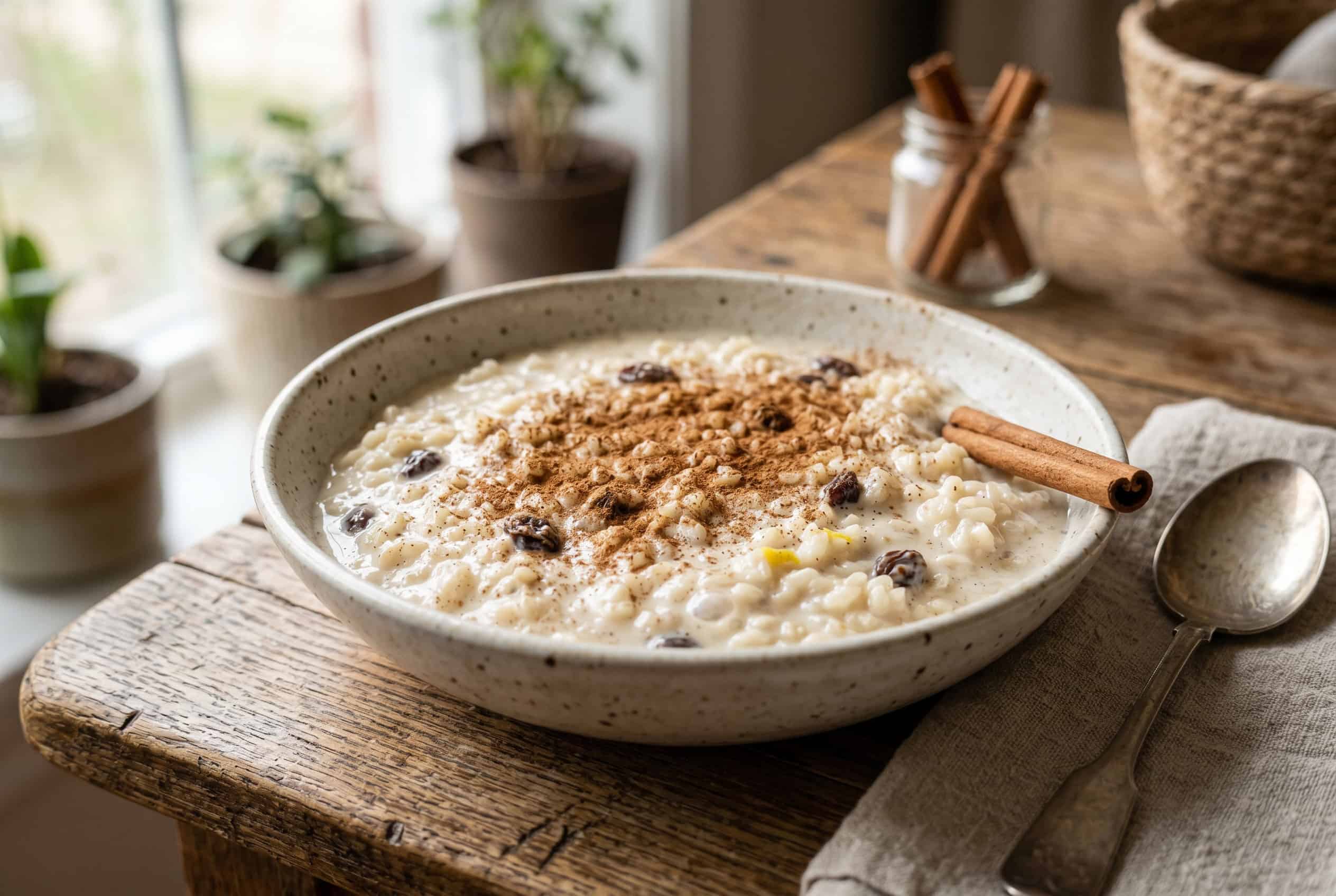
- Arroz con leche dominicano: Offer both on the same tray at a family dinner. Two Dominican milk desserts, one smooth and rice-based, one grainy and curd-based. People will try both.
- Flan dominicano: For a Dominican dessert tasting board — flan, leche cortada, and arroz con leche together on one table. The holy trinity of Dominican abuela desserts.
- Bizcocho dominicano: A slice of Dominican birthday cake and a warm bowl of leche cortada after a long Sunday lunch. That's living.
- The rest of the Dominican food guide: If you made it this far down, you're ready to cook your way through the whole table.
Cultural Notes
The Waste-Nothing Kitchen
- Born in rural kitchens: Leche cortada wasn't invented — it was discovered. Rural Dominican kitchens in the 1800s and early 1900s had no refrigeration, and milk would start to turn quickly in Caribbean heat. Abuelas learned to intentionally push that process with lime, cook the curds with the sugar they had, and turn what would've been trash into dessert. That's the whole origin.
- Pre-Columbian spirit, colonial ingredients: The Taíno philosophy of wasting nothing predates the dish — cow's milk wasn't in their kitchen. When Spanish dairy, African sugar and spice traditions, and Taíno resourcefulness collided on the island, leche cortada was one of the results.
- The abuela dessert: Ask any Dominican over 50 about leche cortada and they'll tell you their grandmother made it. Ask anyone under 30 and they might say "oh, that thing my abuela made that I never learned." It's the kind of recipe that almost disappeared in the middle generation and is getting rescued now by Dominican millennials and Gen Z on social media.
- The maraschino cherry isn't optional: Somewhere in the 1960s the maraschino cherry became non-negotiable on top of every Dominican milk dessert. Flan gets one. Arroz con leche gets one. Leche cortada gets one. It's the visual signature. Tu abuela would be offended if you served it without.
You May Also Like
📺 Watch a similar recipe: Authentic Dominican Arroz con Dulce (Coconut Rice Pudding)
Frequently Asked Questions
What is leche cortada dominicana?
Leche cortada dominicana is a traditional Dominican dessert made by intentionally curdling hot sweetened whole milk with fresh lime juice, then slow-cooking the resulting curds with sugar, cinnamon sticks, and star anise until golden and caramelized. Raisins get stirred in at the end, a maraschino cherry goes on top, and a heavy dusting of ground cinnamon finishes it. The texture is soft, grainy, and spoonable — somewhere between ricotta and pudding. Served warm or cold.
Is leche cortada safe to eat?
Yes — completely safe. Intentionally curdling fresh milk with acid (like lime juice or vinegar) is the exact same chemistry that produces ricotta, paneer, and queso fresco. You're separating fresh milk into curds and whey using food-safe acid. It's fundamentally different from drinking milk that has spoiled on its own — spoiled milk has bacterial growth, intentionally acid-curdled milk does not. People have been safely making leche cortada in Dominican kitchens for centuries.
What does leche cortada taste like?
Warmly sweet, richly cinnamon-forward, with a subtle licorice whisper from the star anise and a bright citrus edge from the lime. The texture is grainy and soft — like a looser, more interesting cottage cheese swimming in golden cinnamon syrup. Once you add the plump raisins and the maraschino cherry, you get sweet pops and a visual that reads as "dessert" to anyone at the table. It tastes like flan if flan had texture and character.
Why did my leche cortada turn out too watery?
Three usual culprits. First — you used low fat or 2% milk instead of whole. Whole milk is non-negotiable for this recipe. Second — you didn't cook it long enough after the curdle. The whey needs 8-10 full minutes on low heat to absorb into the curds and for the sugars to caramelize. Third — you stirred too hard after adding the lime juice and broke the curds too small, so they couldn't come together. Gentle slow stirs only. If it's already cooked and still watery, tilt the pot and drain off some whey.
Can I make leche cortada with plant-based milk?
Not really — not in the traditional sense. The whole recipe depends on dairy milk proteins curdling in the presence of acid, and plant-based milks don't curdle the same way. Soy milk will separate a little but the texture is wrong and the flavor tastes flat. Almond and oat milks barely react. If you need a dairy-free option, the closest flavor cousin is a coconut-milk-based dulce de coco — different dessert, but similar spice profile and color.
How long does leche cortada keep in the fridge?
Covered tightly in a container, leche cortada keeps in the fridge for up to 4 days and genuinely tastes better on day two. The flavors deepen and the texture firms up slightly overnight. Don't dust the ground cinnamon on top until you're actually about to serve each portion — dusted cinnamon turns into a damp paste after a few hours in the fridge. Keep a small dish of ground cinnamon handy and hit each serving at the last second.
What's the difference between leche cortada and flan?
They're both Dominican milk desserts but they're opposite textures and opposite methods. Flan is an egg-based baked custard — smooth, silky, jiggly, pale yellow, baked in a water bath. Leche cortada is a stovetop curdled-milk dessert with no eggs — grainy, soft, golden-amber, cooked directly in the pot. Flan needs a caramel syrup on top. Leche cortada has its own caramelization built into the curds. Totally different animals from the same family.
Can I use lemon juice instead of lime?
Yes — lemon works. The curdling chemistry is identical. The flavor difference is subtle but real. Lime juice gives a slightly sharper, greener, more tropical citrus note that tastes more "Dominican" to me. Lemon is a little softer and more floral. If lime is what you have, use lime. If lemon is what you have, use lemon. If all you have is white vinegar, use 2 tablespoons instead of 3 — vinegar is stronger acid than citrus.
Is leche cortada the same as Dominican natilla?
No — they're frequently confused but they're different desserts. Dominican natilla is a soft cornstarch-thickened milk pudding — smooth, pale, silky, thickened with starch. Leche cortada has no starch and isn't thickened with anything — the texture comes from actual milk curds that form when acid hits hot milk. Natilla is smooth; leche cortada is grainy. Natilla is white; leche cortada is golden-amber. Both are Dominican, both are delicious, both are worth knowing.
Leche Cortada Dominicana
Ingredients
Method
- Combine milk, sugar, cinnamon sticks, star anise, lime zest, and a pinch of salt in a medium saucepan. Whisk once to dissolve the sugar.
- Heat over medium heat, stirring occasionally, until the milk just begins to simmer — tiny bubbles forming around the edges. Do NOT let it boil hard. This takes about 6-8 minutes.

- Reduce heat to medium-low. Slowly add the fresh lime juice (or vinegar) in a thin stream while stirring gently with a wooden spoon. You'll see the milk break into soft white curds in yellowish whey almost immediately.
- Stop stirring hard. Move the spoon in slow, wide gentle passes only — aggressive stirring breaks the curds into pieces too small to come together. Let them stay loose and fluffy.
- Continue cooking on low heat for 8-10 minutes, stirring gently every minute or so, until the curds absorb most of the yellow whey and the whole mixture comes together into a loose, glossy pudding. When you tilt the pot and the whole mass moves as one instead of sloshing, it's done.
- Remove the cinnamon sticks and star anise pods with a slotted spoon. Stir in the raisins and let them plump for 2-3 minutes off the heat — they soften and absorb the cinnamon syrup.
- Stir in the vanilla extract gently. Taste — if it needs a tiny bit more sugar, stir it in now while everything's still warm.
- For warm: scoop into small bowls immediately, dust heavily with ground cinnamon, top each with a maraschino cherry, and serve. For cold: divide into 6 small bowls or cups, let cool at room temperature for 15 minutes, then cover and refrigerate at least 1 hour. Dust with ground cinnamon and top with a maraschino cherry right before serving cold.
Nutrition
Notes
Tried this recipe?
Let us know how it was!Shop This Recipe
View on Amazon →
View on Amazon →
View on Amazon →
As an Amazon Associate I earn from qualifying purchases at no extra cost to you.
Tu abuela was right — curdled milk is a dessert, and it's one of the best ones we ever made. Welcome to the Dominican kitchen.


Leave a Reply