
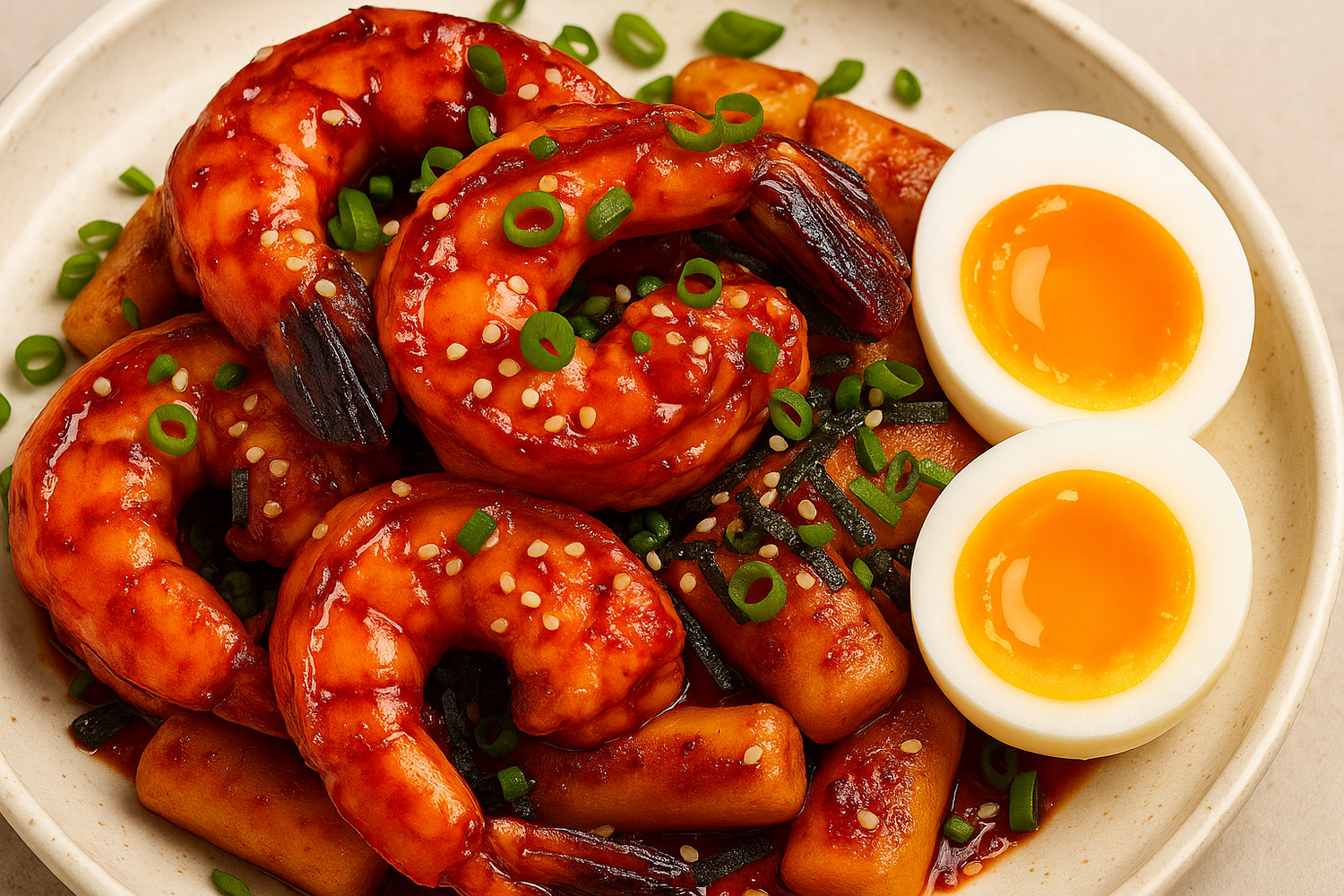
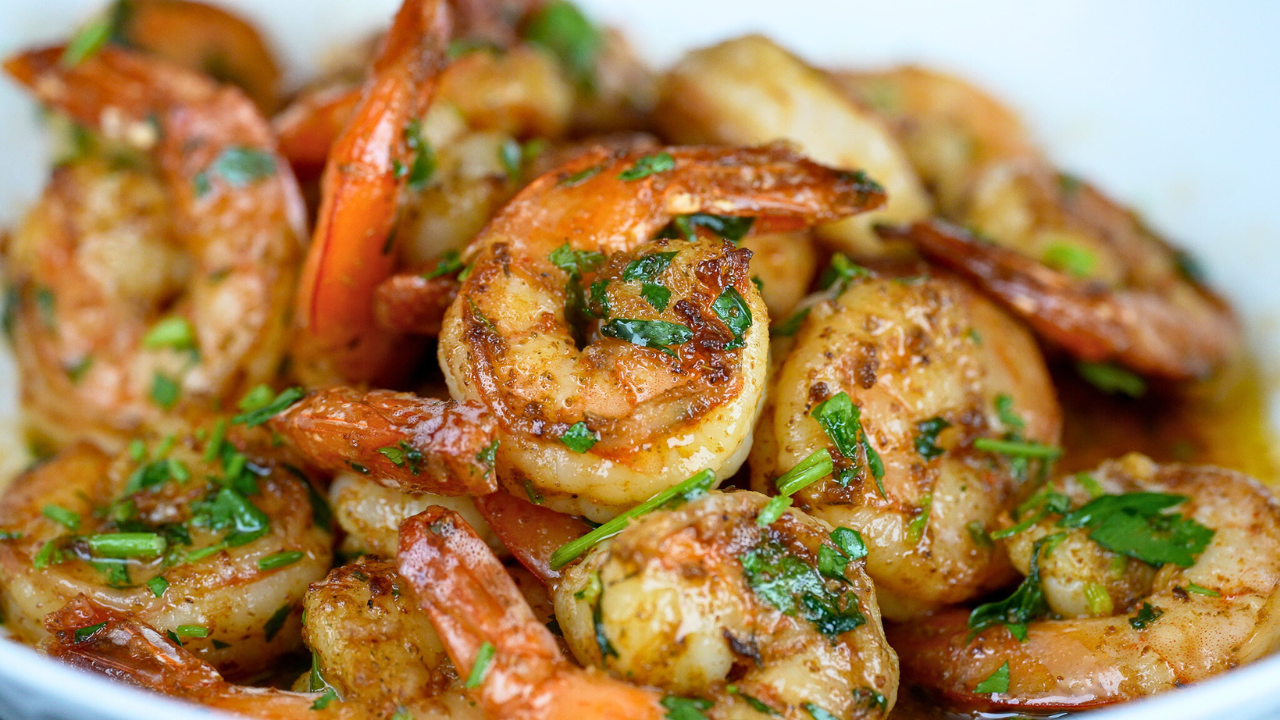
This Korean Gochujang Shrimp with Crispy Rice Cakes and Jammy Eggs is an absolute crowd-pleaser and so much easier to make than you'd think. Rich, indulgent, and perfectly sweet, it's the kind of treat that disappears fast. Get ready for everyone to ask you for the recipe!

About This Recipe
Here's what most home cooks don't realize about this dish: the gochujang creates a perfect emulsion with the shrimp's natural proteins through a process called gelation. When heated, gochujang's fermented soybean base releases glutamates that bind with the shrimp's myosin proteins, creating that glossy, coating effect you see in Korean restaurants. But here's the kicker — adding the gochujang at medium heat (not high) is crucial because temperatures above 300°F break down those protein bonds, leaving you with separated, greasy sauce instead of that silky glaze. The jammy eggs aren't just for show either — their semi-set yolks contain lecithin, a natural emulsifier that helps stabilize the gochujang when you break them into the dish. This is why Korean cooks always add eggs to spicy stir-fries. The crispy rice cakes absorb this complex sauce perfectly because their puffed structure creates more surface area than regular rice, making every bite intensely flavorful rather than bland and chewy.
Ingredients for Korean Gochujang Shrimp with Crispy
- 1.5 lb black tiger shrimp — peeled and deveined, tail-on
- 2 tablespoon gochujang — Korean chili paste
- 1 tablespoon low-sodium soy sauce
- 1 tablespoon honey — or brown sugar
- 1 teaspoon sesame oil
- 1 tablespoon rice vinegar
- 2 garlic cloves — minced
- 1 teaspoon fresh grated ginger
- 1 tablespoon neutral oil — like avocado or canola
Substitutions & Variations
- Gochujang: substitute with 1 tablespoon ají pique (Dominican hot sauce) mixed with 1 teaspoon tomato paste and ½ teaspoon brown sugar. This creates a Caribbean heat with fruity undertones instead of the fermented Korean funk.
- Black tiger shrimp: use jumbo gulf shrimp or Caribbean rock shrimp for a sweeter, more tender bite. The cooking time may reduce by 1-2 minutes with smaller shrimp varieties.
- Rice vinegar: swap with fresh lime juice for a brighter, more tropical acidity. This substitution adds that essential Caribbean citrus punch that pairs beautifully with shellfish.
- Sesame oil: replace with coconut oil for a subtle tropical flavor that complements the shrimp. The coconut notes will make this dish feel more at home in a Caribbean kitchen.
- Honey: use piloncillo (raw cane sugar) or coconut sugar dissolved in 1 teaspoon warm water. These sugars add deeper molasses notes that echo traditional Dominican sweetening methods.
- Crispy rice cakes: substitute with twice-fried sweet plantain rounds (maduros) for a Dominican twist. The caramelized plantains provide similar textural contrast while adding familiar Caribbean comfort.
How to Make Korean Gochujang Shrimp with Crispy
- In a bowl, combine gochujang, soy sauce, honey, sesame oil, rice vinegar, garlic, and ginger. Toss the shrimp in this mixture and let it marinate for 15-20 minutes. (You can refrigerate it while you prep the rice cakes.)
- If using refrigerated rice cakes, soak them in warm water for 10-15 minutes to soften. Heat a large nonstick pan over medium-high heat with a bit of oil. Add rice cakes and sear for 3-5 minutes per side until golden and crispy. Season lightly with salt and set aside.
- In the same or a separate pan, heat 1 tablespoon oil over medium-high heat. Add marinated shrimp in a single layer. Sear for 2-3 minutes per side or until shrimp is opaque and caramelized. Pour in remaining marinade at the end and cook for 1 more minute until slightly thickened and glossy.
- Plate the crispy rice cakes, top with the sticky glazed shrimp, and drizzle extra sauce on top. Garnish with scallions, sesame seeds, and a halved jammy egg.
What to Serve With Korean Gochujang Shrimp with Crispy
The heat from the gochujang begs for something cool and creamy to balance it out. My Coconut Lime Rice pairs beautifully here – the tropical sweetness tames the spice while the lime adds brightness that complements the jammy eggs perfectly.
For authentic Korean tradition, serve this alongside crisp, fermented kimchi and steamed white rice. The tangy, funky flavors of properly aged kimchi cut through the rich shrimp while providing that essential probiotic punch that Korean meals are known for.
Since we're already playing with Asian flavors, grab some butter lettuce cups and turn this into a hands-on feast. The cool, crisp lettuce wraps around the spicy shrimp and chewy rice cakes, creating perfect little flavor bombs that everyone can customize.
Frequently Asked Questions
1. What is gochujang and how spicy is it?
Gochujang is a Korean fermented red chili paste made from red peppers, rice, and soybeans. It has a sweet, savory, and mildly spicy flavor — more complex than just heat.
2. Where can I buy Korean rice cakes (tteok)?
Find them in the freezer section of Asian grocery stores, H Mart, or online retailers. Look for cylindrical or oval-shaped tteok — they crisp up beautifully when pan-fried.
3. How do I get rice cakes crispy?
Pan-fry thawed rice cakes in oil over medium-high heat without moving them for 3-4 minutes per side. They should develop golden, crunchy edges while staying chewy inside.
4. What makes a jammy egg different from soft-boiled?
A jammy egg is cooked for exactly 6.5-7 minutes — the white is fully set but the yolk is thick, creamy, and slightly gooey rather than liquid. It is the perfect middle ground.
5. Can I use a different protein instead of shrimp?
Chicken thighs cut into chunks, tofu, or thinly sliced pork belly all work great with the gochujang sauce. Adjust cooking time based on the protein.
6. How do I make the gochujang sauce?
Mix gochujang, soy sauce, rice vinegar, sesame oil, honey, and minced garlic. Adjust sweetness with more honey or heat with extra gochujang to taste.
7. Should I devein the shrimp?
Yes, always devein shrimp — the dark vein is the digestive tract. Use a paring knife or deveining tool to remove it. Leaving shells on or off is your preference.
8. How long do I cook the shrimp in gochujang sauce?
Shrimp cook fast — 2-3 minutes per side over high heat until pink and curled. Toss in the gochujang sauce at the very end to coat without overcooking.
9. What garnishes finish this dish?
Sesame seeds, sliced green onions, a drizzle of sesame oil, and a squeeze of lime are the classic finishing touches. Furikake or crushed gochugaru add extra flair.
10. Can I meal prep this recipe?
Prep the sauce, boil the eggs, and marinate the shrimp ahead of time. Cook the rice cakes and shrimp fresh when ready to eat for the best texture.
Korean Gochujang Shrimp with Crispy Video
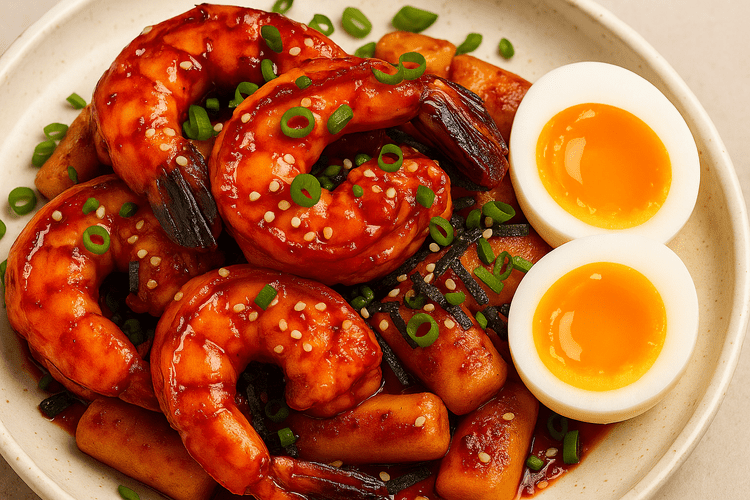
Korean Gochujang Shrimp with Crispy Rice Cakes and Jammy Eggs
Ingredients
Method
- In a bowl, combine gochujang, soy sauce, honey, sesame oil, rice vinegar, garlic, and ginger. Toss the shrimp in this mixture and let it marinate for 15-20 minutes. (You can refrigerate it while you prep the rice cakes.)
- If using refrigerated rice cakes, soak them in warm water for 10-15 minutes to soften. Heat a large nonstick pan over medium-high heat with a bit of oil. Add rice cakes and sear for 3-5 minutes per side until golden and crispy. Season lightly with salt and set aside.
- In the same or a separate pan, heat 1 tablespoon oil over medium-high heat. Add marinated shrimp in a single layer. Sear for 2-3 minutes per side or until shrimp is opaque and caramelized. Pour in remaining marinade at the end and cook for 1 more minute until slightly thickened and glossy.
- Plate the crispy rice cakes, top with the sticky glazed shrimp, and drizzle extra sauce on top. Garnish with scallions, sesame seeds, and a halved jammy egg.
Nutrition
Notes
Buy gochujang from the refrigerated section, not the shelf-stable jars, because the live fermentation cultures create deeper umami flavors that complement the shrimp's sweetness — shelf-stable versions taste flat and one-dimensional in comparison. Cook your eggs for exactly 6 minutes 45 seconds, then ice bath immediately, because this timing gives you whites that hold their shape when sliced but yolks that stay jammy enough to create that creamy sauce when mixed with the gochujang glaze. Don't rinse the rice cakes before frying them — I learned this after making soggy rice cakes dozens of times — because the surface starch creates better browning and that satisfying crunch that contrasts with the tender shrimp. Toss the cooked shrimp with a pinch of lime zest off the heat, a trick I picked up from Dominican mariscos — the citrus oils brighten the fermented flavors without overpowering the gochujang's complexity like lime juice would.
Tried this recipe?
Let us know how it was!Filed Under
You May Also Like
Shop This Recipe
Never Miss a Recipe
Get Kelvin's latest Dominican & Caribbean recipes straight to your inbox — free.
Leave a Reply