
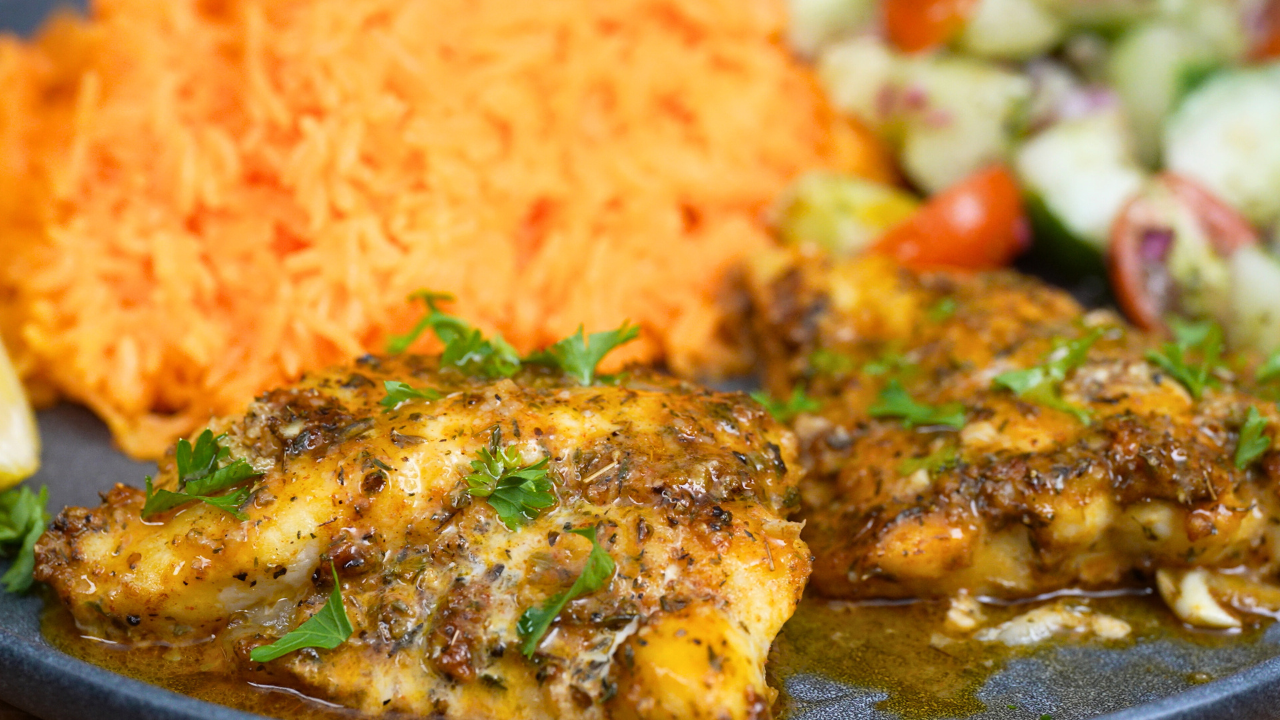
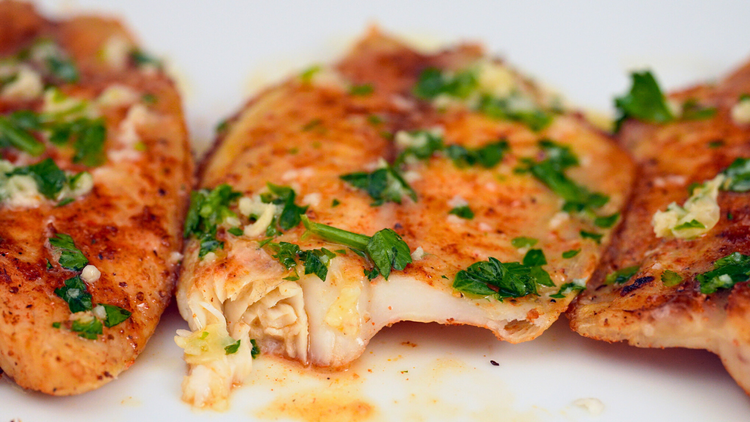
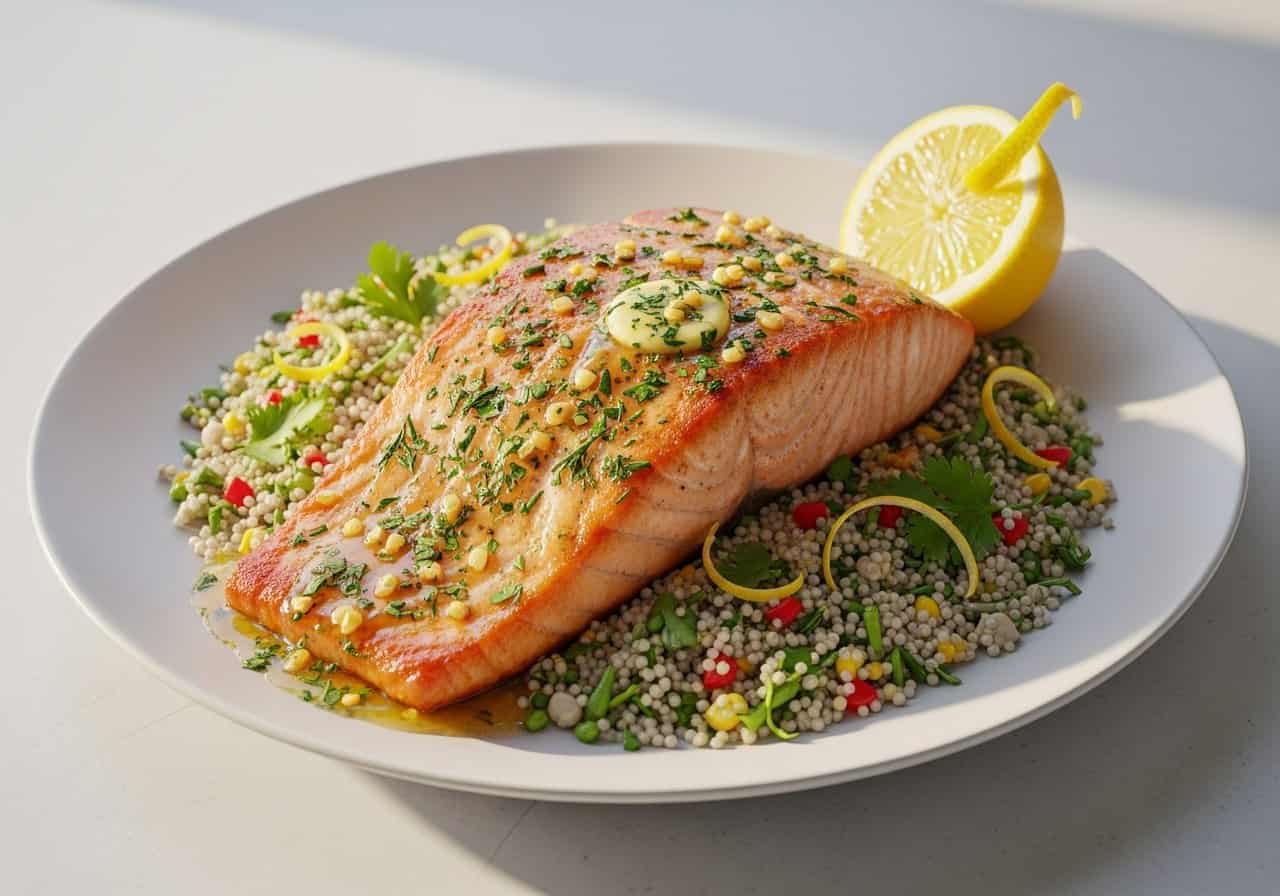
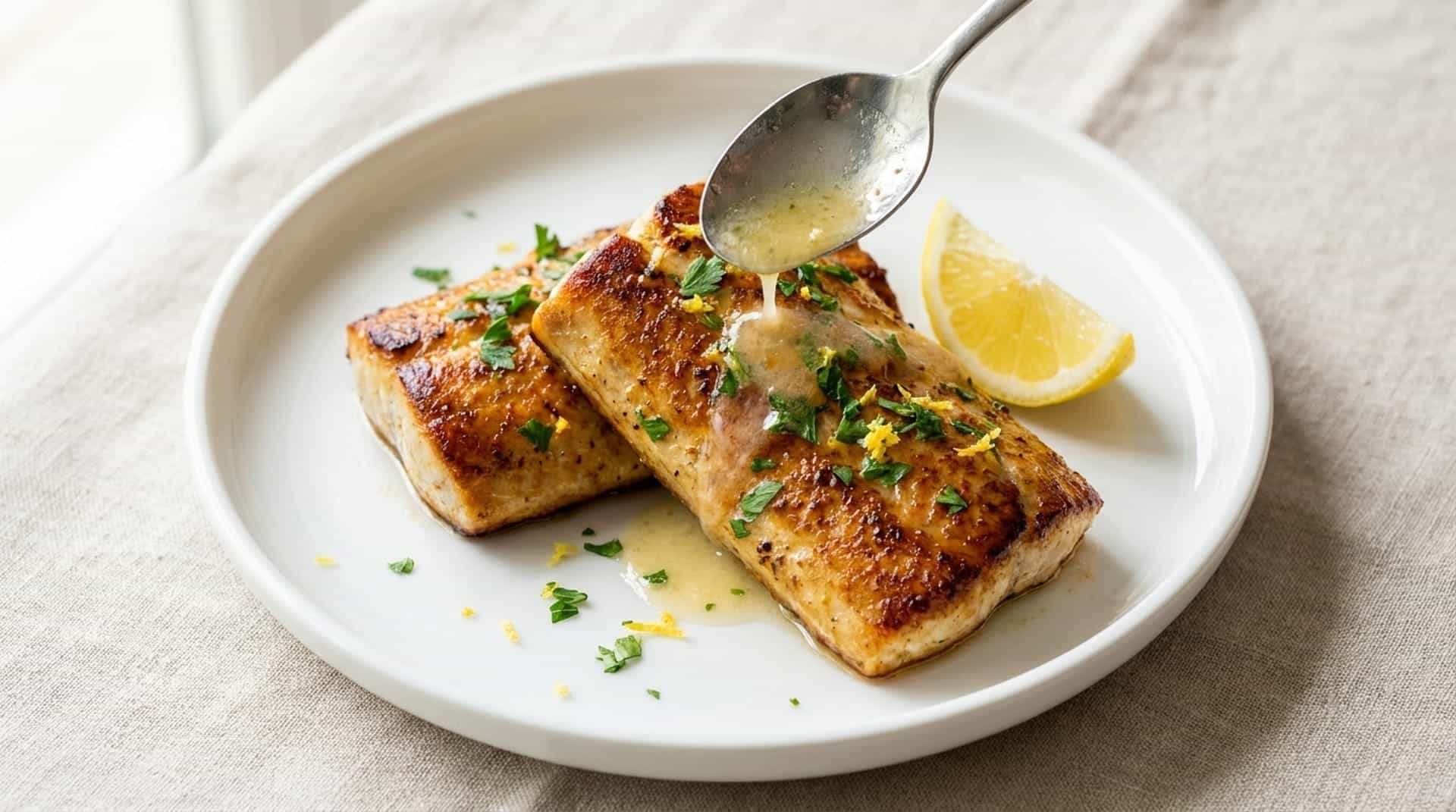
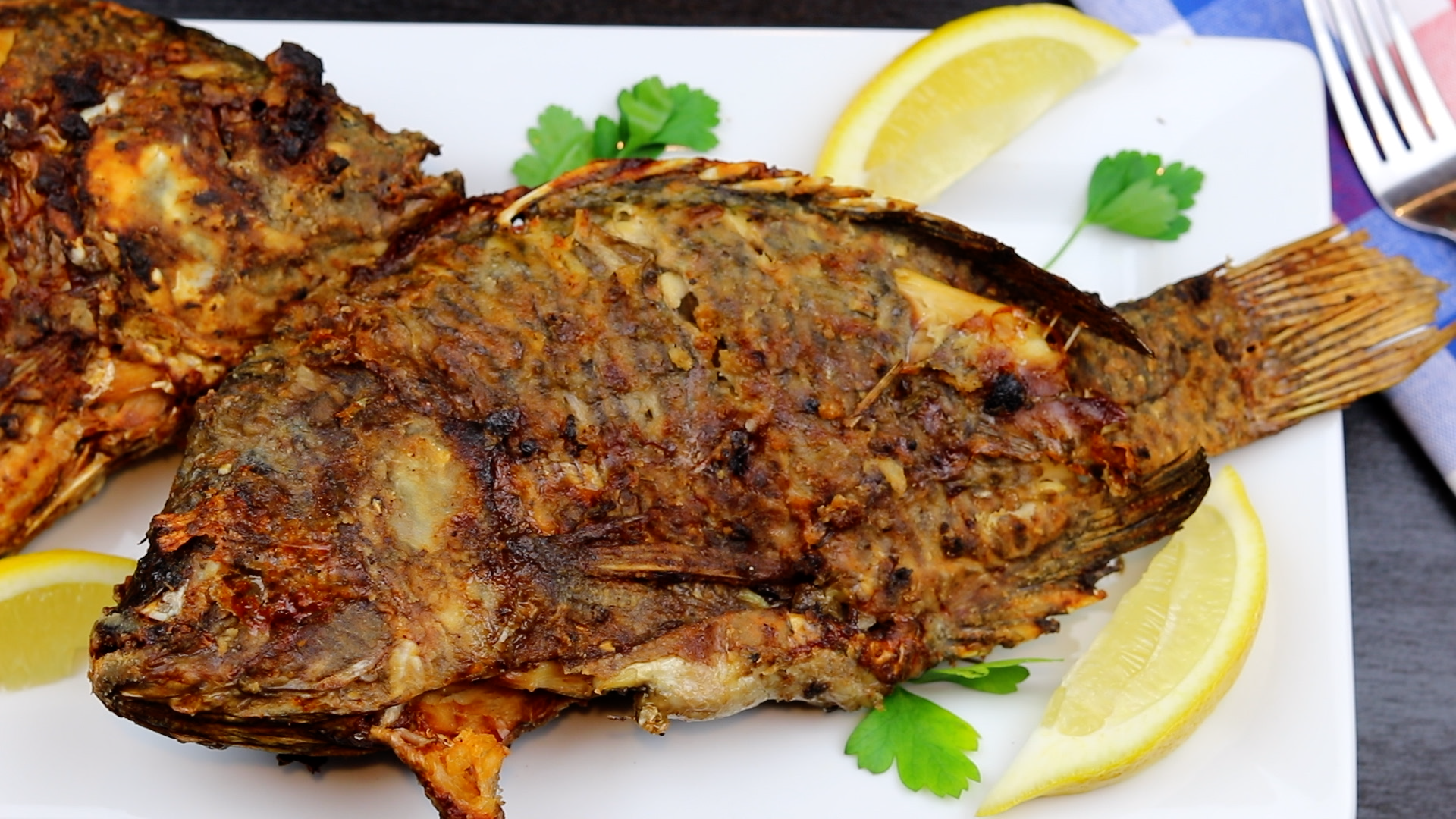
This Easy Baked Cat Fish Filles is light, flavorful, and comes together in no time. Perfect for a healthy weeknight dinner or when you want something a little more elegant, this recipe never disappoints. Fresh, simple, and absolutely delicious!
About This Recipe
Here's something that blew my mind when I started perfecting this recipe: catfish's unique protein structure actually makes it more forgiving than other white fish when baked. Unlike delicate fish that denature quickly, catfish contains higher levels of collagen and myosin, which means it stays moist even if you accidentally overcook it by a few minutes. The real game-changer is how the breadcrumb coating interacts with catfish's natural oils. When you press seasoned breadcrumbs into the fillets before baking, the fish's oils migrate upward during cooking, creating this incredible crispy-tender contrast. But here's the kicker – if you salt the fillets 15 minutes before coating, you actually draw out excess moisture through osmosis, which concentrates the fish's flavor and prevents the coating from getting soggy. This is why my abuela always said 'la paciencia hace el mejor pescado' – patience makes the best fish. That brief salting step transforms ordinary catfish into something restaurant-worthy.
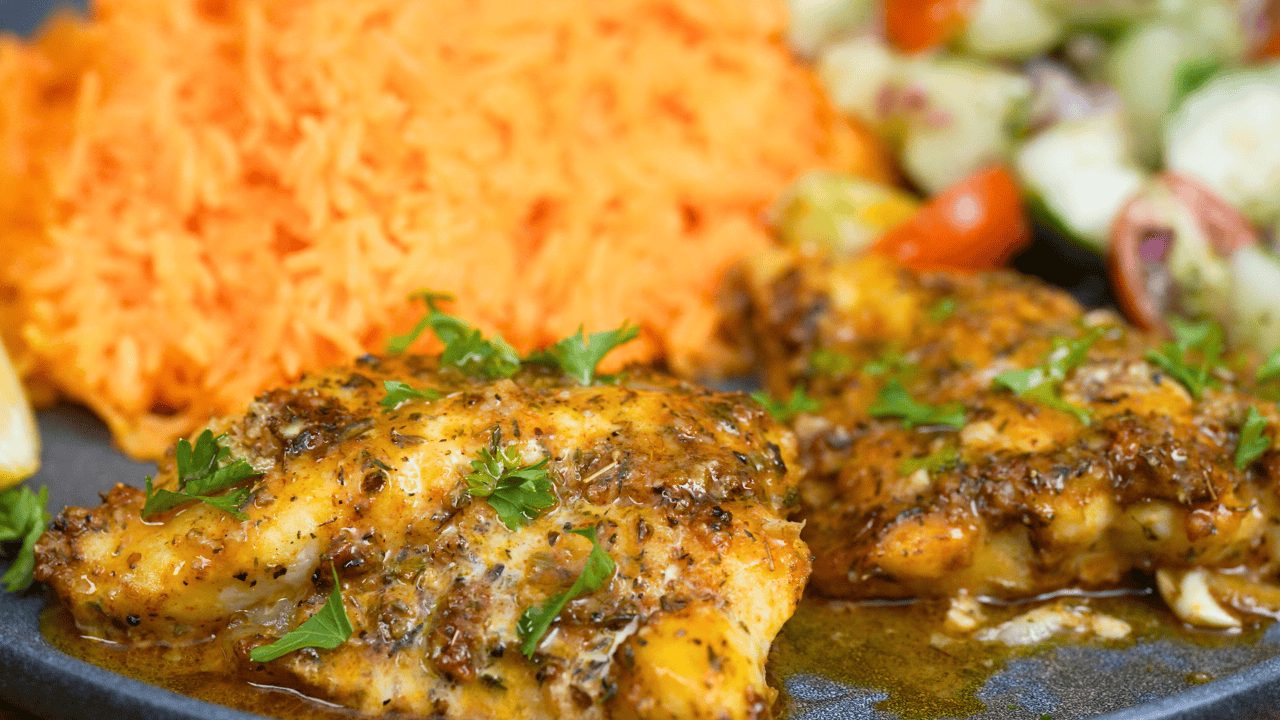
Ingredients for Easy Baked Cat Fish Filles
- 6 catfish fillets
- 2 tablespoons olive oil
- 4 cloves garlic — minced
- 1 teaspoon paprika
- 1 teaspoon dried thyme
- 1 teaspoon dried oregano
- ½ teaspoon cayenne pepper — optional
- 1 teaspoon salt
- ½ teaspoon black pepper
- 1 lemon — thinly sliced
- Fresh parsley — chopped (for garnish)
Substitutions & Variations
- Catfish fillets: Substitute with red snapper, mahi-mahi, or tilapia for a milder flavor that's popular in Caribbean cooking and readily available in most markets.
- Paprika: Replace with achiote (annatto) powder for an authentic Dominican touch that adds a beautiful orange-red color and earthy, slightly peppery flavor.
- Dried thyme and oregano: Use fresh sofrito (a blend of cilantro, culantro, garlic, and peppers) for a vibrant Caribbean flavor base that's essential in Dominican cuisine.
- Cayenne pepper: Swap with finely minced scotch bonnet or habanero peppers for authentic Caribbean heat that brings fruity notes along with the spice.
- Lemon slices: Use sour orange (naranja agria) or lime slices instead, which are more traditional in Caribbean cooking and provide a more intense citrus flavor.
- Olive oil: Replace with coconut oil for a subtle tropical flavor that complements the fish while adding richness without overpowering the seasonings.
How to Make Easy Baked Cat Fish Filles
- Preheat your oven to 375 degrees F (190 degrees C). Line a baking sheet with parchment paper or lightly grease it.
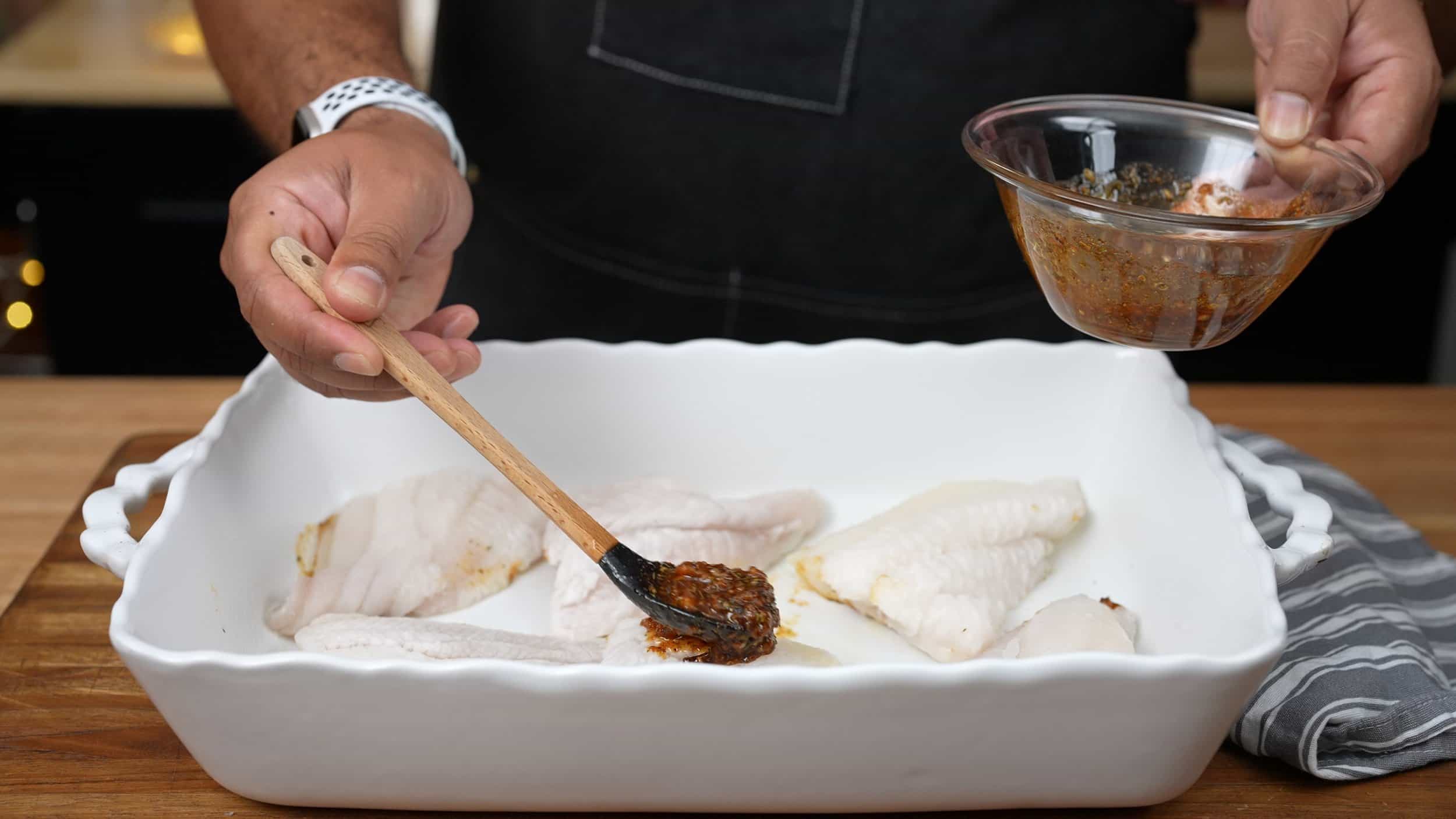
- In a small bowl, combine the olive oil, minced garlic, paprika, thyme, oregano, cayenne pepper (if using), salt, and black pepper. Mix well to form a paste.
- Pat the catfish fillets dry with paper towels. Place them on the prepared baking sheet. Brush both sides of each fillet with the olive oil mixture, ensuring they are evenly coated.
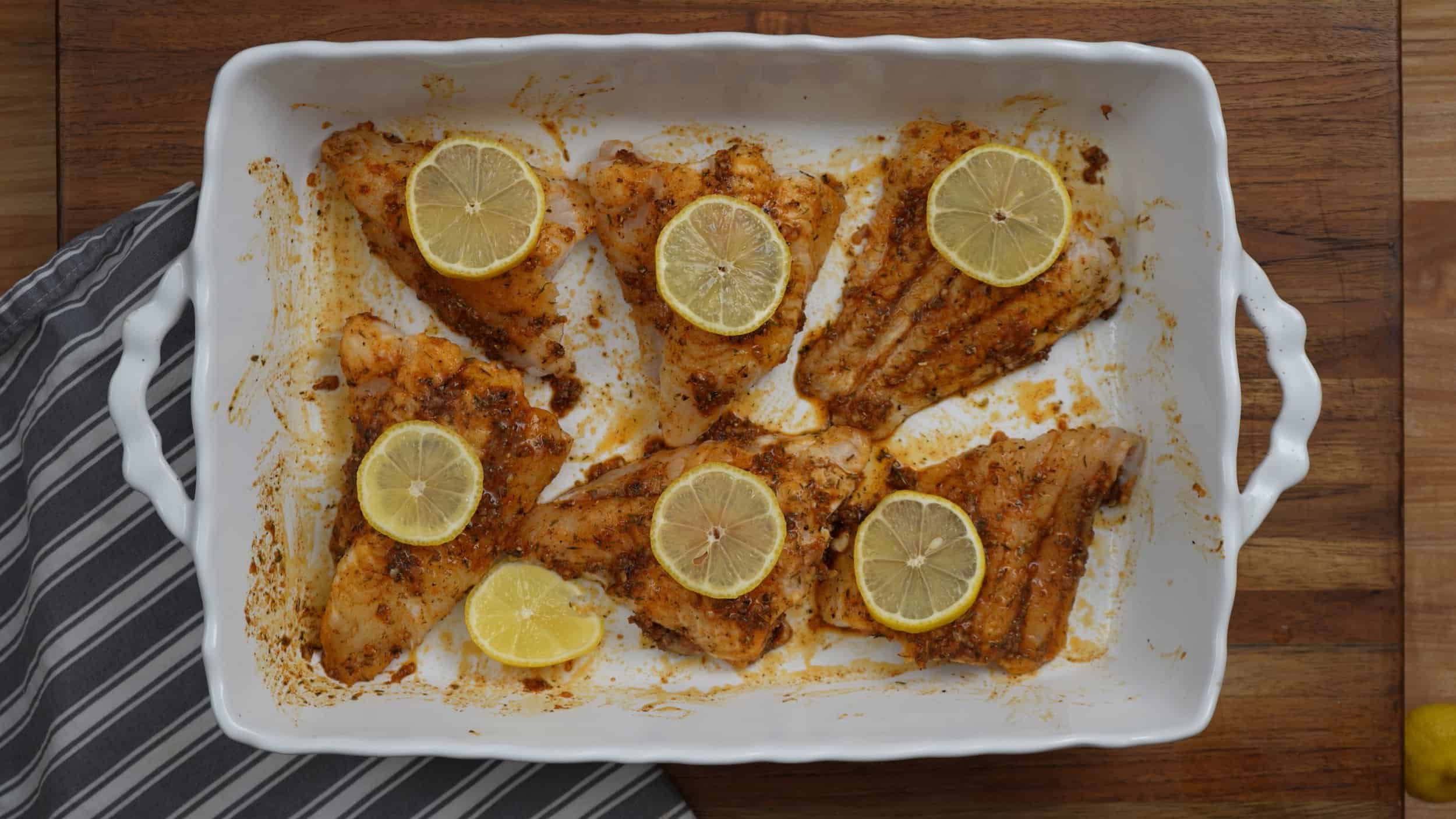
- Arrange the lemon slices on top of and around the fillets. This will add a fresh citrus flavor during baking.
- Bake the catfish fillets in the preheated oven for about 20-25 minutes, or until the fish is opaque and flakes easily with a fork. Cooking time may vary depending on the thickness of the fillets.
- Once the catfish fillets are done, remove them from the oven. Garnish with chopped fresh parsley.
What to Serve With Easy Baked Cat Fish Filles
My mom always paired catfish with sweet plantains, and trust me, there's nothing better than that contrast of flaky, seasoned fish against caramelized sweetness. The plantains' natural sugars balance the savory spices beautifully, plus they soak up any extra sauce on your plate.
For something fresh that cuts through the richness, try my cilantro-lime rice – it's got that bright, herbaceous kick that Dominican families know pairs perfectly with fried or baked fish. The lime adds acidity that makes each bite of catfish pop, while the cilantro keeps things light and aromatic.
Don't sleep on a simple avocado and tomato salad dressed with just lime juice and salt. The creamy avocado mellows any heat from your catfish seasoning, while the juicy tomatoes add freshness that makes this feel like a complete, satisfying meal.
Frequently Asked Questions
1. What temperature should I bake catfish at?
400°F for 12-15 minutes until the fish flakes easily with a fork and the internal temperature reaches 145°F. Catfish fillets are thin, so they cook quickly.
2. Do I need to soak catfish in milk before cooking?
Soaking in buttermilk for 30 minutes neutralizes any muddy flavor and tenderizes the flesh. This is a common Southern technique especially for wild-caught catfish.
3. What is the best seasoning for baked catfish?
Cajun seasoning, Old Bay, or a mix of paprika, garlic powder, onion powder, and cayenne are all excellent. Lemon pepper is another classic catfish seasoning.
4. How do I get a crispy coating without frying?
Coat the fillets in seasoned cornmeal or panko breadcrumbs, place on a wire rack over a sheet pan, and bake at 425°F. The elevated rack helps air circulate for crispiness.
5. Can I use frozen catfish fillets?
Yes, thaw completely in the refrigerator first. Pat very dry before seasoning — excess moisture prevents browning and makes the coating soggy.
6. What is the difference between farm-raised and wild catfish?
Farm-raised catfish has a milder, cleaner flavor. Wild-caught can taste muddier due to the fish's bottom-feeding diet. Both work for this recipe.
7. What sides go with baked catfish?
Coleslaw, hush puppies, french fries, mac and cheese, collard greens, and cornbread are all classic Southern sides that pair perfectly with catfish.
8. Should I remove the skin before baking?
Most catfish fillets come skinless. If yours has skin, you can bake skin-side down — the skin helps keep the fillet moist and peels off easily after cooking.
9. What sauce goes with baked catfish?
Tartar sauce, remoulade, hot sauce, or a lemon-butter sauce are all traditional accompaniments. A squeeze of fresh lemon is the simplest and most classic option.
10. How do I know when catfish is done baking?
The flesh turns from translucent to opaque white and flakes easily when pressed with a fork. Internal temperature should read 145°F at the thickest part.
Easy Baked Cat Fish Filles Video
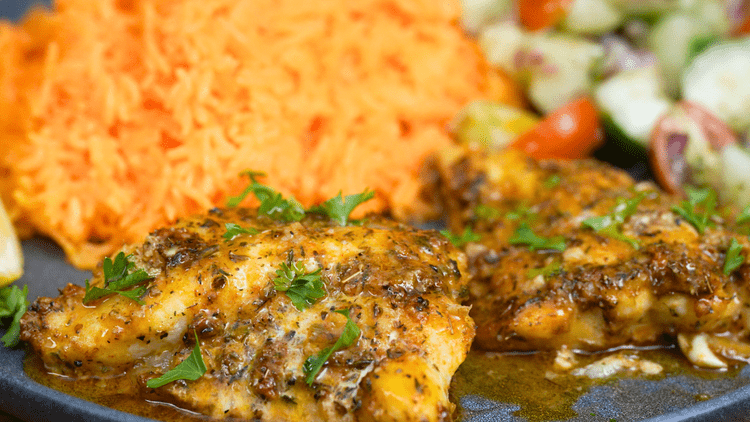
Easy Baked Cat Fish Filles
Ingredients
Method
- Preheat your oven to 375 degrees F (190 degrees C). Line a baking sheet with parchment paper or lightly grease it.
- In a small bowl, combine the olive oil, minced garlic, paprika, thyme, oregano, cayenne pepper (if using), salt, and black pepper. Mix well to form a paste.
- Pat the catfish fillets dry with paper towels. Place them on the prepared baking sheet. Brush both sides of each fillet with the olive oil mixture, ensuring they are evenly coated.
- Arrange the lemon slices on top of and around the fillets. This will add a fresh citrus flavor during baking.
- Bake the catfish fillets in the preheated oven for about 20-25 minutes, or until the fish is opaque and flakes easily with a fork. Cooking time may vary depending on the thickness of the fillets.
- Once the catfish fillets are done, remove them from the oven. Garnish with chopped fresh parsley.
Nutrition
Video
Notes
Choose catfish fillets that are uniform in thickness, ideally 1-inch thick, because catfish's dense muscle fibers cook unevenly when pieces vary in size, leaving you with some portions overcooked while others remain underdone. After years of making this dish, I learned to flip the fillets halfway through baking and brush the tops with a little melted butter – this creates an even golden crust on both sides that you simply can't achieve with one-sided baking. Use panko mixed with regular breadcrumbs in a 2:1 ratio because panko alone gets too crunchy for catfish's tender texture, while regular breadcrumbs alone don't provide enough textural contrast against the flaky fish. Score the skin side of each fillet with shallow diagonal cuts before seasoning – this prevents the fish from curling during baking and allows the seasonings to penetrate deeper, just like we do with whole fish back home in Santo Domingo.



Leave a Reply