
Disclosure: This post contains affiliate links. As an Amazon Associate I earn from qualifying purchases at no extra cost to you.
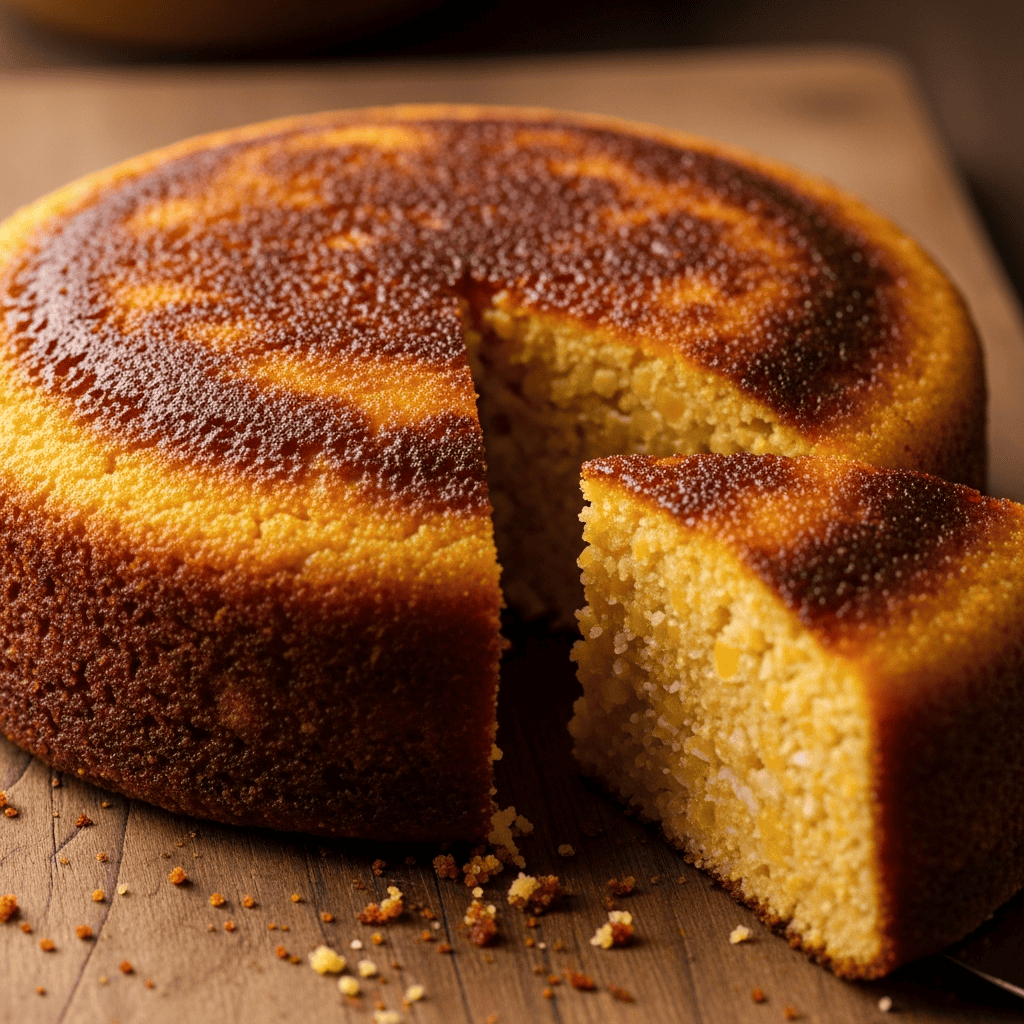
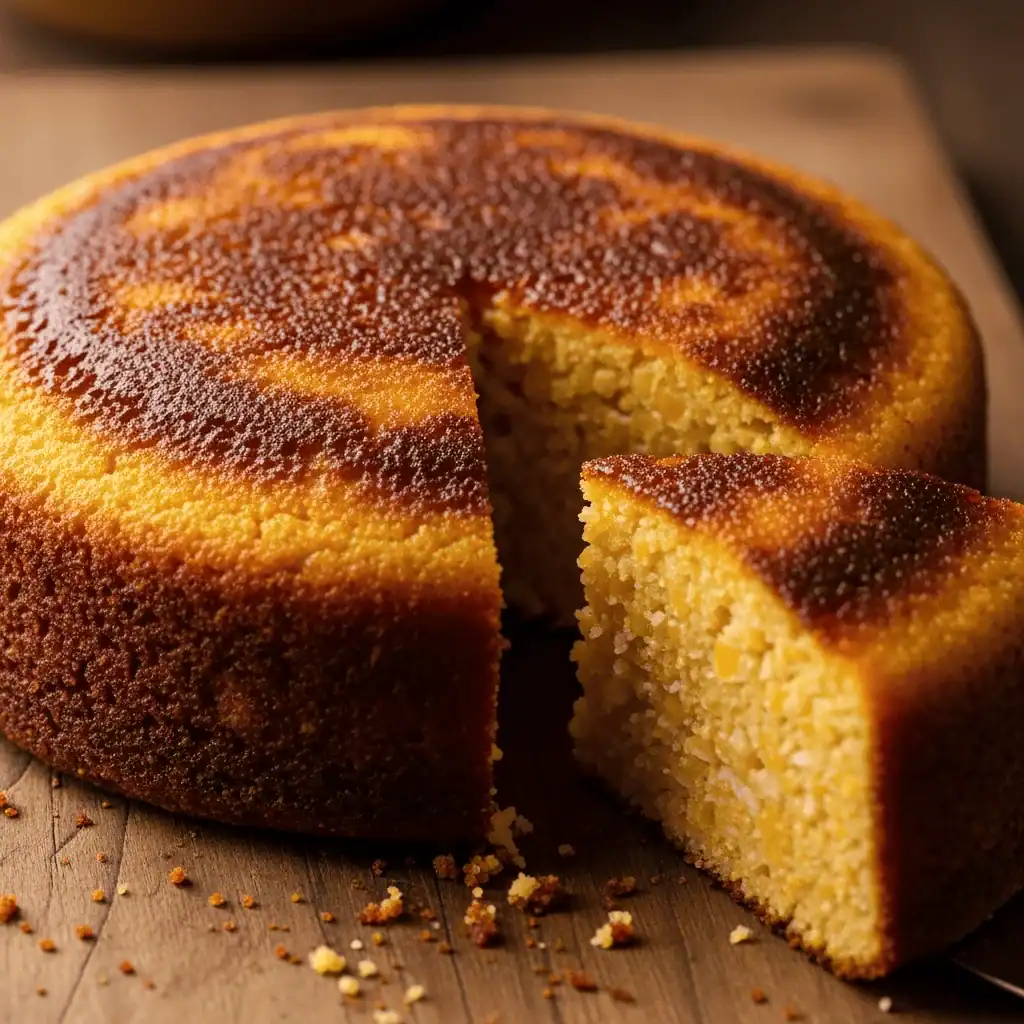
Dominican Arepa is one of the most misunderstood dishes in Dominican cuisine — and one of the most delicious. Unlike the cornmeal flatbreads you know from Colombia or Venezuela, Dominican arepa is a dense, sweet baked cake made with yellow cornmeal and coconut milk, with a beautifully caramelized golden top that forms as it bakes low and slow in the oven. It's moist, fragrant, and unlike anything else.
In the Dominican Republic, arepa is the kind of dessert you'd find wrapped in foil on a Sunday afternoon, sold by street vendors, or waiting at your grandmother's kitchen table. The aroma of coconut milk, anise, and toasted cornmeal fills the whole house while it bakes — warm, sweet, and deeply nostalgic for anyone who grew up eating it.
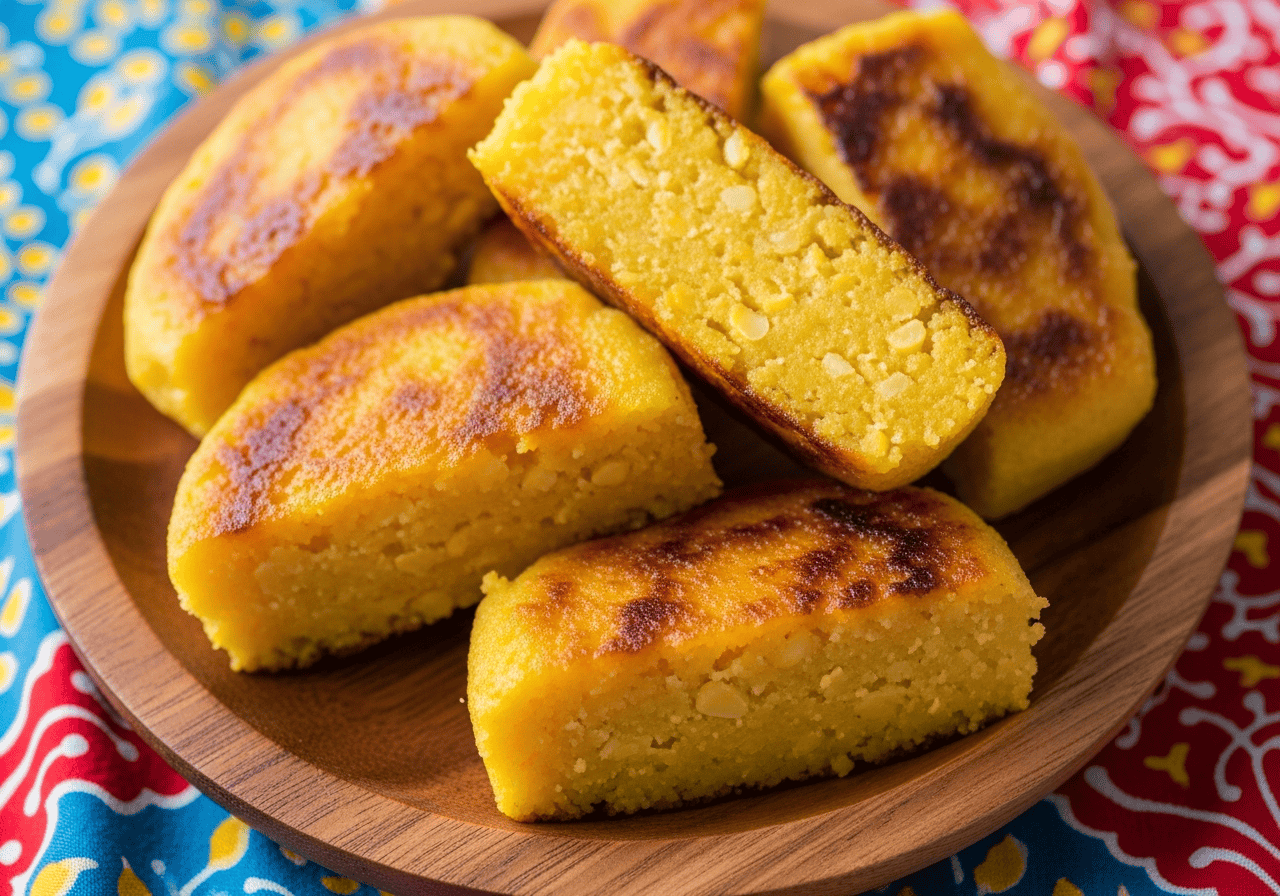
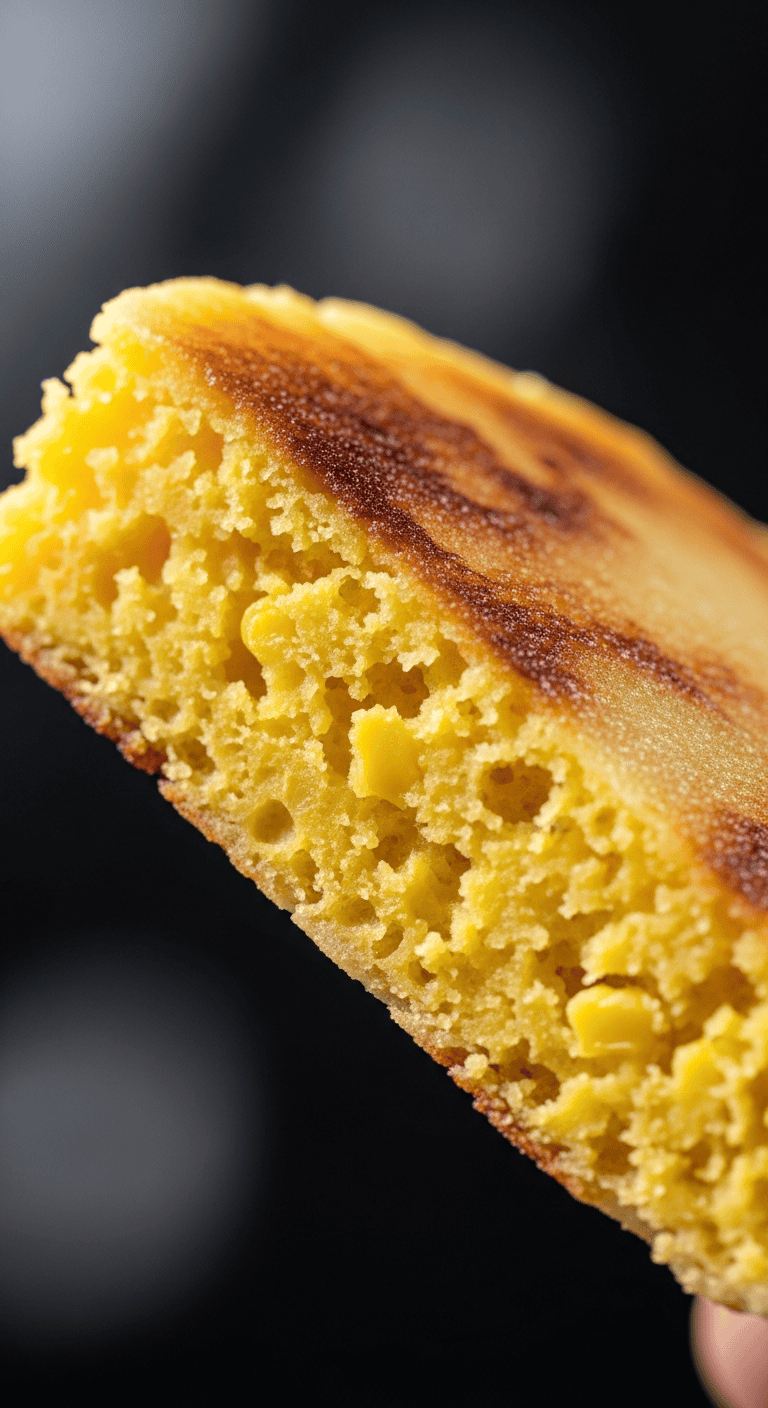
What makes this cake truly unique is the texture: dense and moist from the coconut milk, with a slightly firm, cornmeal-rich crumb that's completely different from sponge cakes or cheesecakes. It holds together beautifully when sliced and gets better over the next day or two as the coconut and anise flavors deepen.
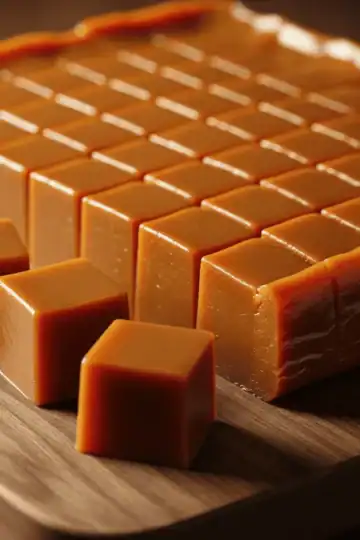
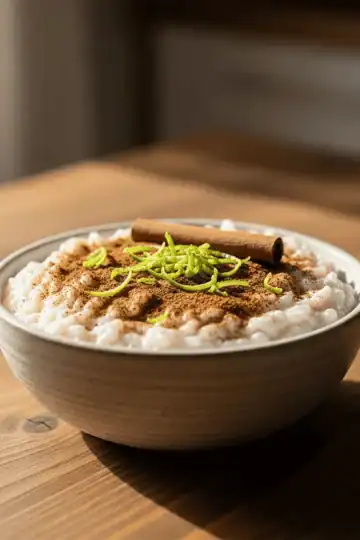
If you've never tried Dominican arepa, this recipe is your gateway. And once you have it, explore more Dominican sweets with our Arroz con Leche Dominicano and Dulce de Leche en Tabla.
🧠 Did You Know?
- Dominican arepa should not be confused with South American arepas — they are completely different foods that share only their indigenous Taino roots and the word 'arepa,' derived from the Cumanagoto word 'erepa,' meaning corn.
- Anise seeds are a traditional flavoring in Dominican arepa, reflecting the strong Spanish culinary influence on Dominican baking — anise was widely used in Spanish pastries and confections introduced during the colonial period.
- Dominican arepa is often made in large batches for celebrations, wrapped in banana leaves or foil, and gifted to neighbors and family — a tradition of food sharing that's central to Dominican community culture.
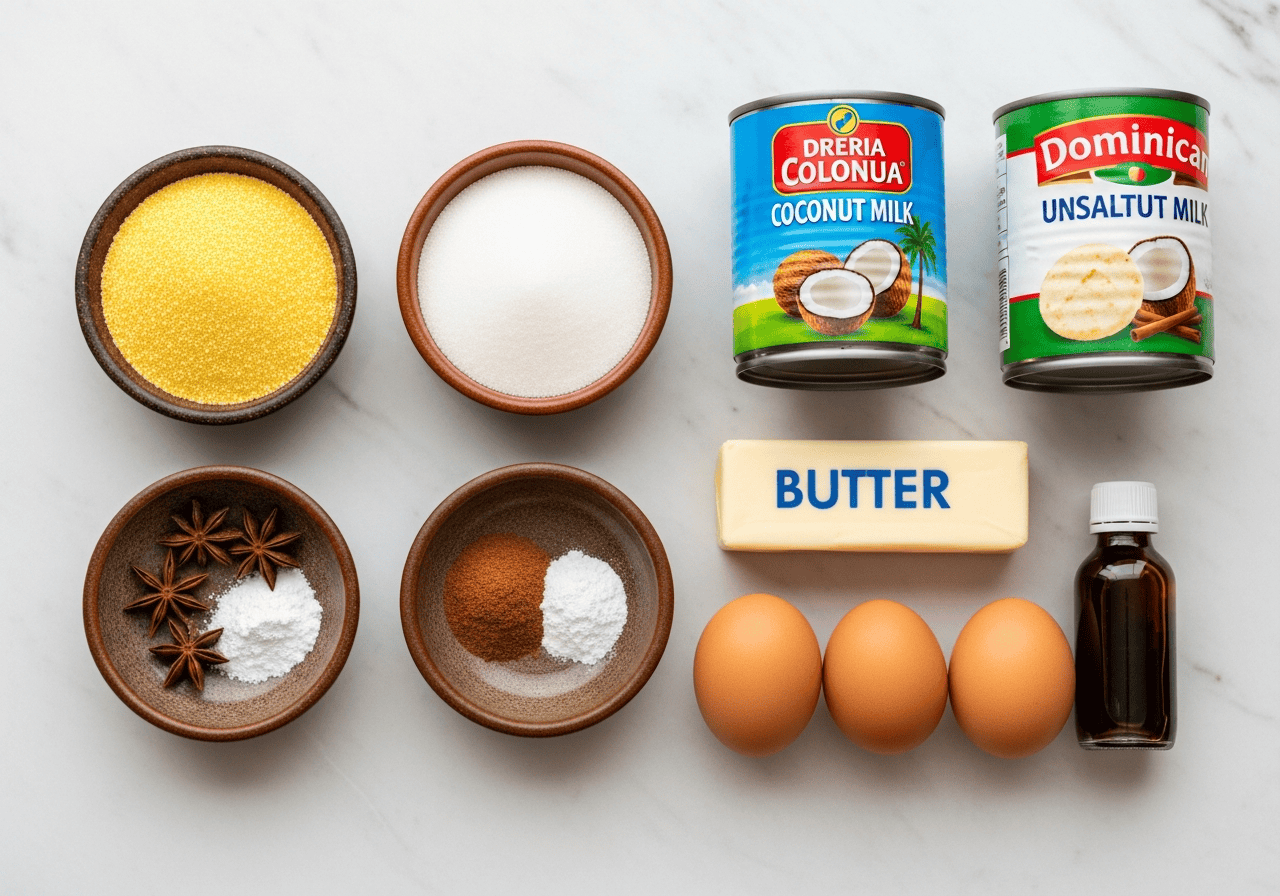
🧾 Ingredients
Full measurements are in the recipe card below. Here's what you'll need:
🛒 Shop This Recipe
View on Amazon →
View on Amazon →
As an Amazon Associate I earn from qualifying purchases at no extra cost to you.
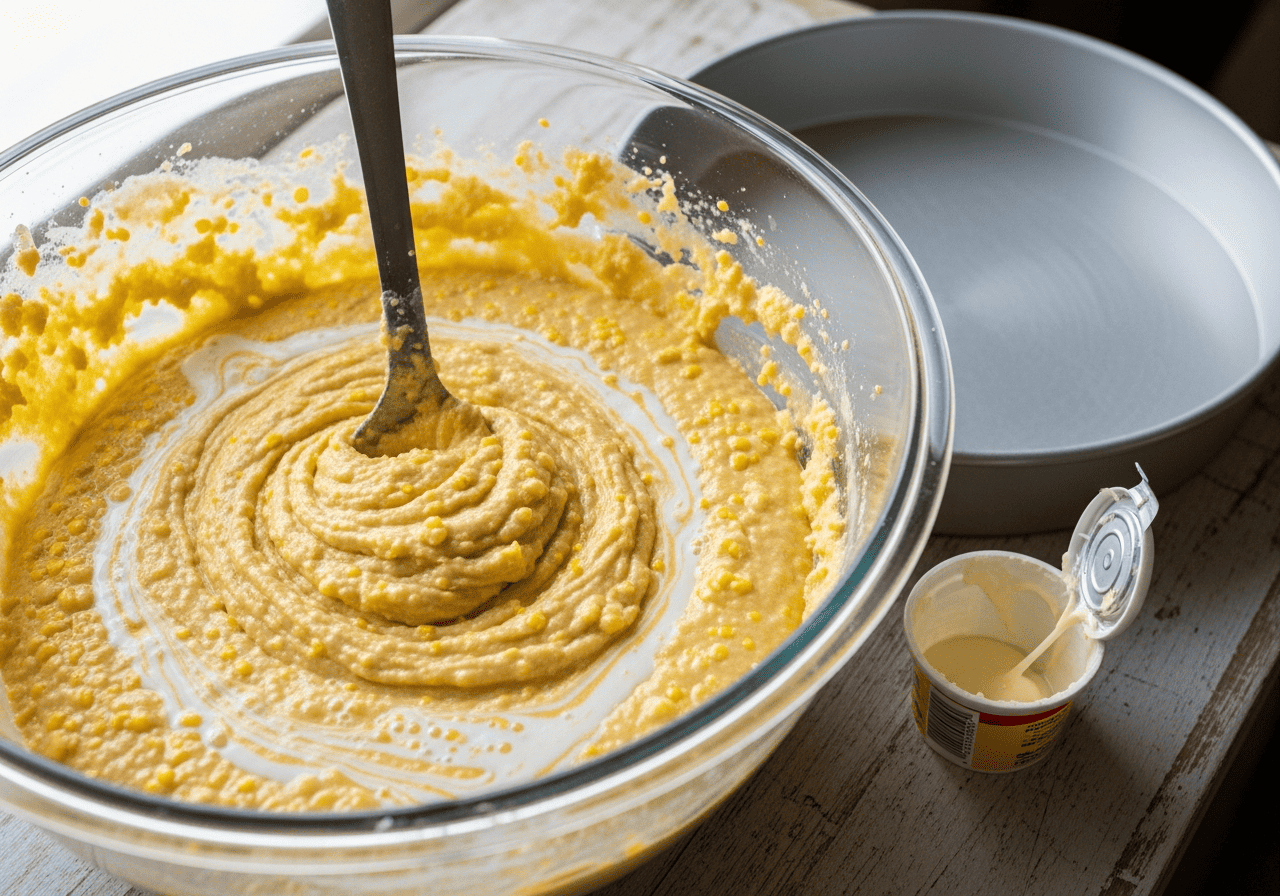
👨🍳 How to Make Dominican Arepa
Follow these steps for perfect results. Full printable recipe card with exact measurements is below.
Dominican Arepa
Ingredients
Equipment
Method
- Preheat oven: Preheat your oven to 350°F (175°C). Grease a 9-inch round cake pan or cast iron skillet generously with butter.
- Mix wet ingredients: In a large bowl, whisk together the eggs, sugar, melted butter, vanilla extract, coconut milk, and whole milk until smooth and well combined.
- Add dry ingredients: Add the cornmeal, baking powder, cinnamon, anise seeds, and salt to the wet mixture. Stir until fully combined and no dry lumps remain. The batter will be fairly loose and pourable — this is correct.
- Rest the batter: Let the batter rest for 5 minutes so the cornmeal begins to hydrate.
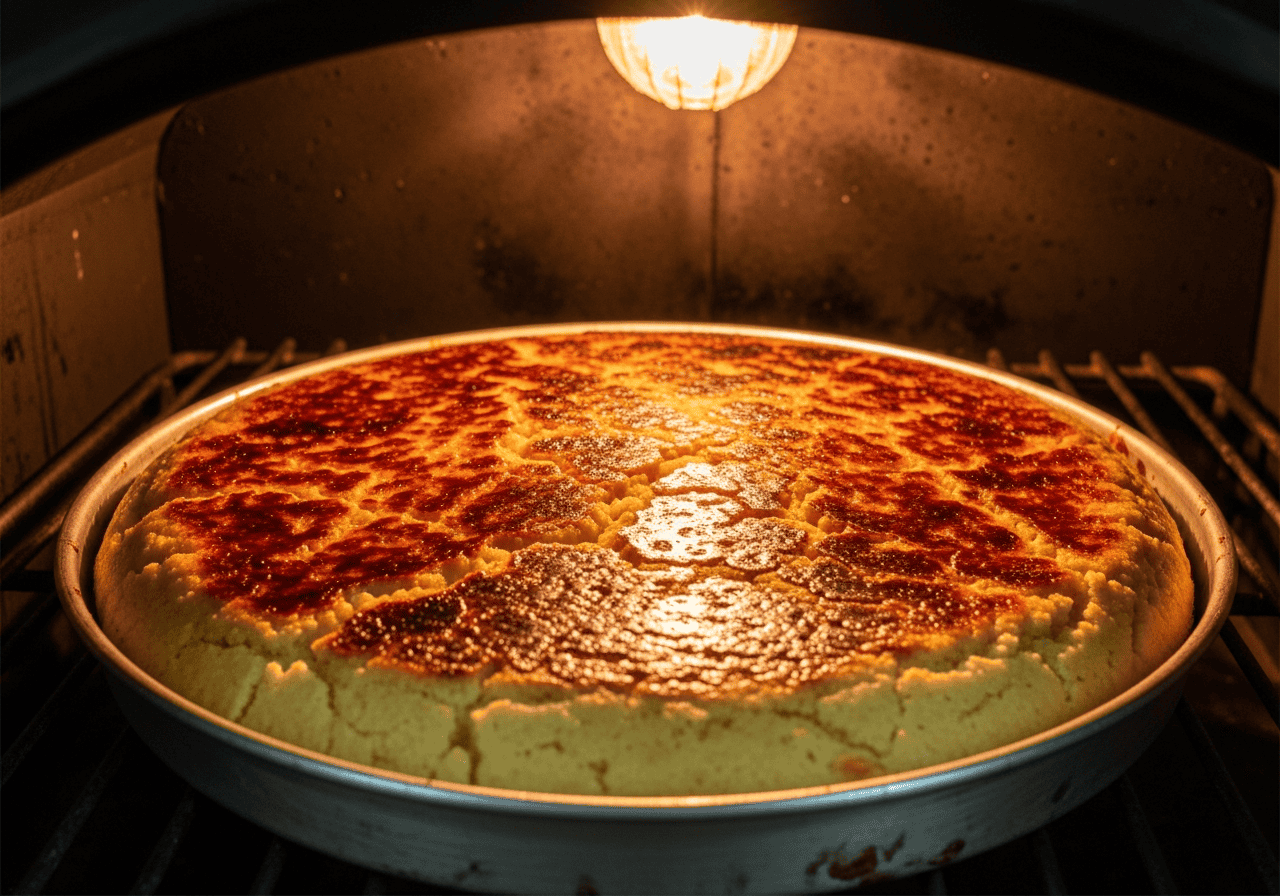
- Bake: Pour the batter into the prepared pan. Bake at 350°F for 55–65 minutes, until the top is deeply golden-brown (almost caramelized-looking) and a toothpick inserted in the center comes out clean. The top will look more caramelized than a typical cake — this is the signature appearance of Dominican arepa.
- Cool and serve: Let the arepa cool in the pan for 20 minutes before slicing. Serve at room temperature. It's even better the next day.
Nutrition
Notes
Tried this recipe?
Let us know how it was!💡 Pro Tips for Dominican Arepa
- Don't underbake — Dominican arepa needs the full 55–65 minutes to develop its characteristic dense, moist texture and caramelized golden top. A pale top means the inside is still wet.
- Let it rest overnight. The flavor deepens significantly by day two as the coconut and anise notes meld. Many Dominican households make it a day ahead intentionally.
- A cast iron skillet instead of a cake pan creates extra caramelization on the edges and bottom for an even richer result.
- The batter should be pourable but thick — if it feels too thick to pour, whisk in a splash of milk to thin it slightly.
🎬 Watch How to Make Dominican Arepa
🍽️ What to Serve With Dominican Arepa
- Arroz con Leche Dominicano
- Dulce de Leche en Tabla
- Café con Leche Dominicano
- Flan de Leche Dominicano
- Jugo de Avena Fría
❓ Frequently Asked Questions
Dominican arepa is a dense, sweet baked cake made with yellow cornmeal and coconut milk. It has a deeply caramelized golden-brown top and a moist, rich interior. It is completely different from South American arepas (which are cornmeal flatbreads) — the only thing they share is the name and their indigenous corn origins.
What type of cornmeal should I use for Dominican arepa?Fine yellow cornmeal works best for a smooth, even texture. Pre-cooked cornmeal (masarepa, like Goya or P.A.N. brand) also works and produces a slightly denser result. Avoid coarse stone-ground cornmeal — it won't hydrate properly and creates a gritty texture.
Why is my Dominican arepa too dry?The most common cause is overbaking. Dominican arepa should feel moist and dense, not crumbly. Check for doneness at 55 minutes with a toothpick. If the edges are pulling away from the pan and the top is very dark, it may be done earlier than expected — oven temperatures vary. Also ensure you're using full-fat coconut milk, not coconut cream or light versions.
Can I make Dominican arepa without coconut milk?Coconut milk is essential to the traditional flavor and moisture of Dominican arepa — substituting it significantly changes the character of the cake. In a pinch, evaporated milk or heavy cream can replace it, but the coconut aroma and richness will be missing.
How long does Dominican arepa last?Dominican arepa keeps well at room temperature for 2 days (covered) and up to 5 days in the refrigerator. It actually improves in flavor after 24 hours as the anise and coconut notes deepen. Serve at room temperature or warmed for a few seconds in the microwave.
Can I freeze Dominican arepa?Yes — wrap individual slices tightly in plastic wrap, then place in a freezer bag. Freeze for up to 2 months. Thaw at room temperature for a few hours or microwave individual slices for 30–45 seconds. The texture holds up well after thawing.
Is Dominican arepa the same as cornbread?They share cornmeal as a base ingredient, but they're quite different. Cornbread is savory (or mildly sweet), lighter, and more crumbly. Dominican arepa is a sweet dessert cake that's much denser, moister, and richly flavored with coconut milk, anise, and cinnamon. Think of cornbread as a bread and arepa as a dense dessert cake.
🥡 Storage & Reheating
Dominican arepa stays fresh at room temperature for up to 2 days, tightly wrapped. Refrigerate for up to 5 days — the flavor improves with time. Warm slices briefly in the microwave (20–30 seconds) before serving if you prefer it warm. Freeze individual slices for up to 2 months.
Leave a Reply