
Disclosure: This post contains affiliate links. As an Amazon Associate I earn from qualifying purchases at no extra cost to you.
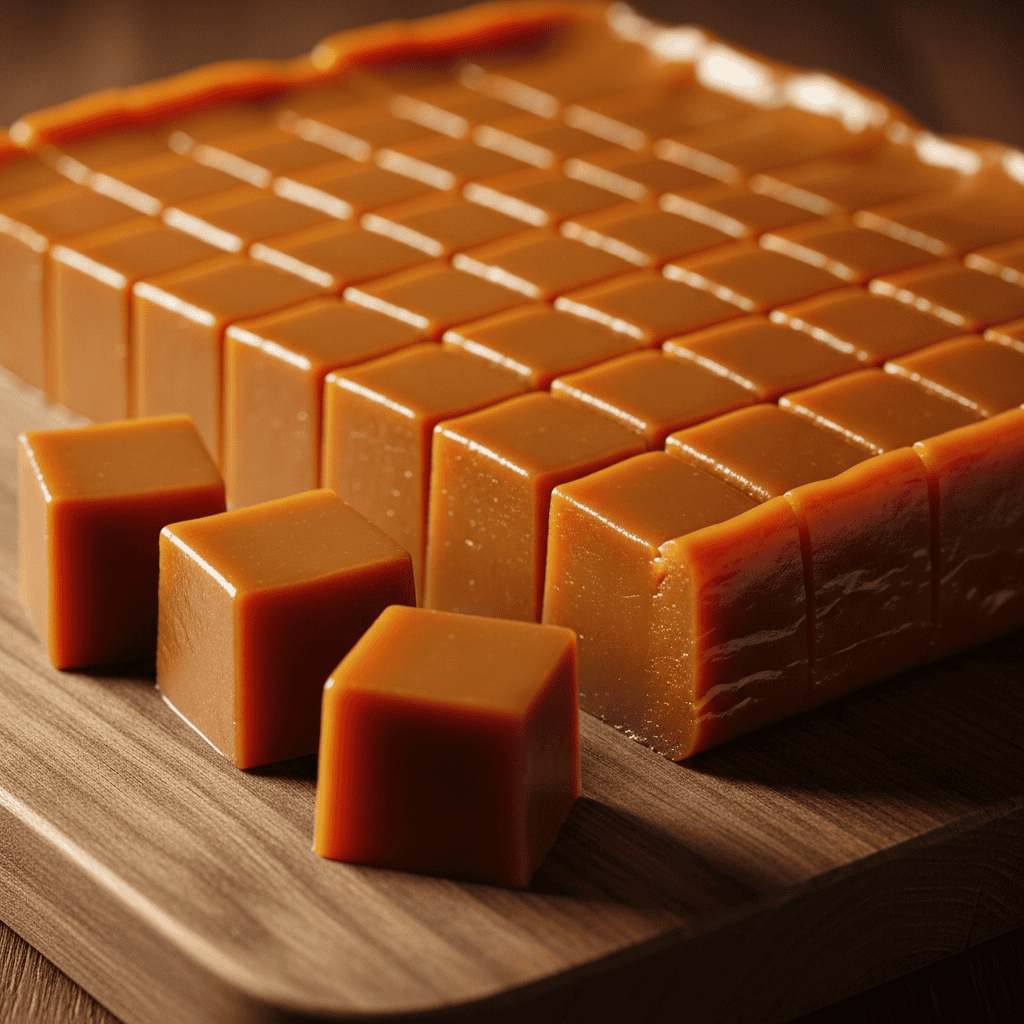
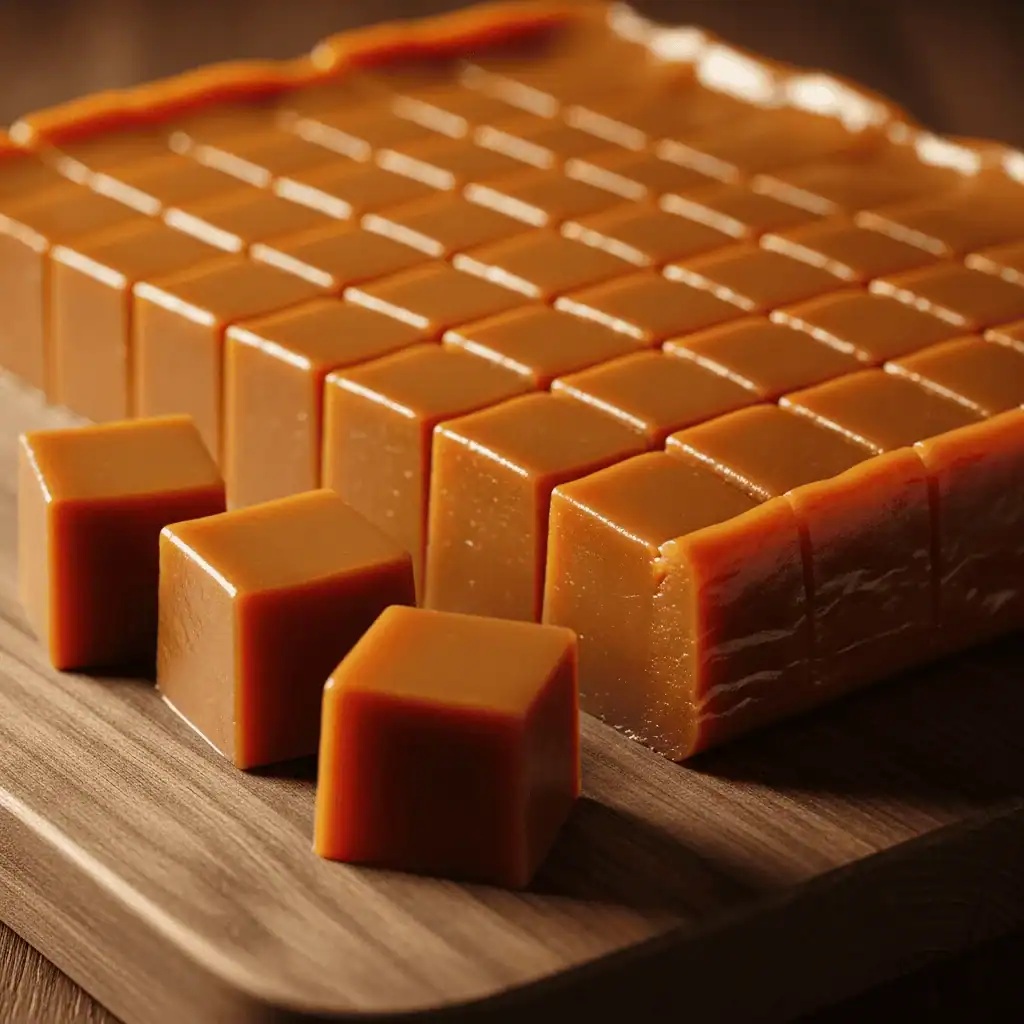
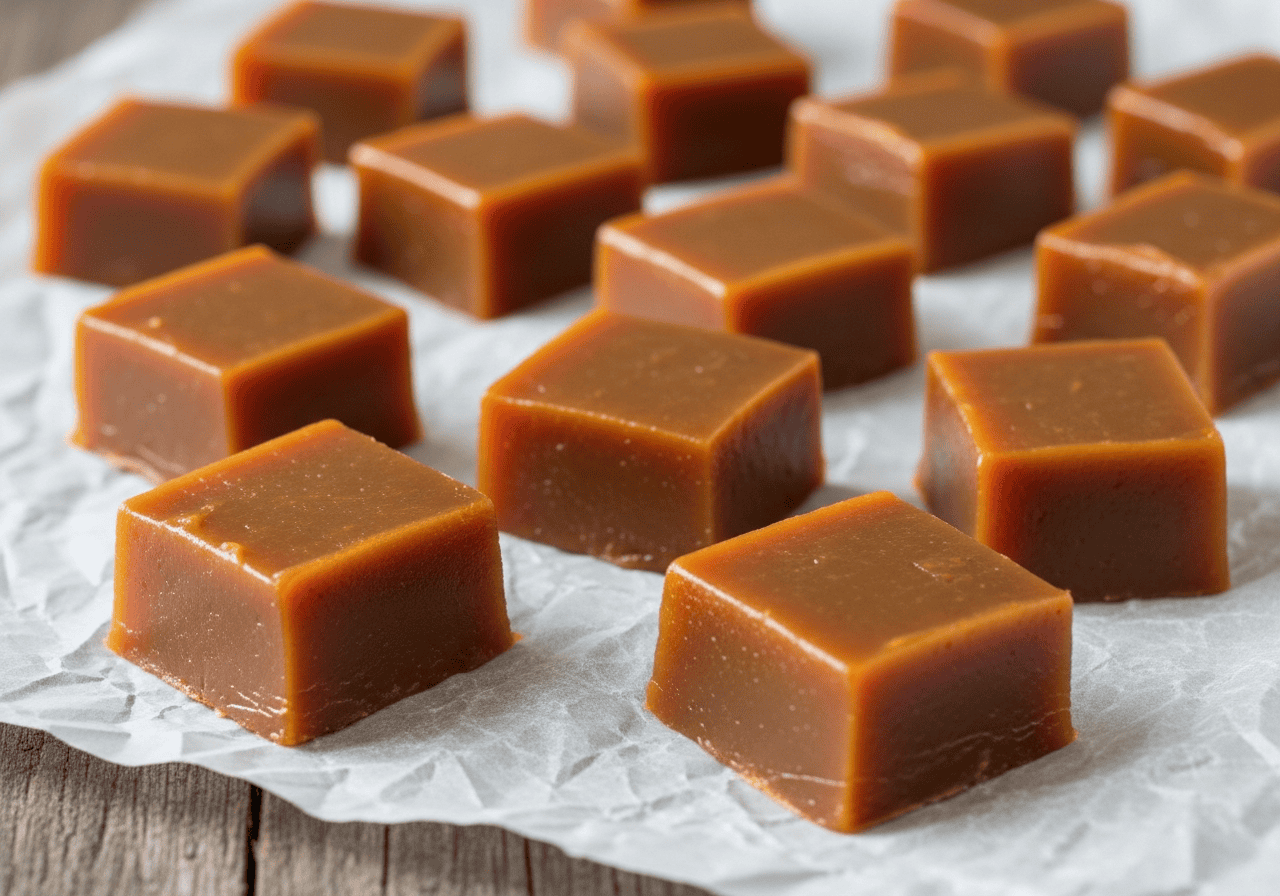
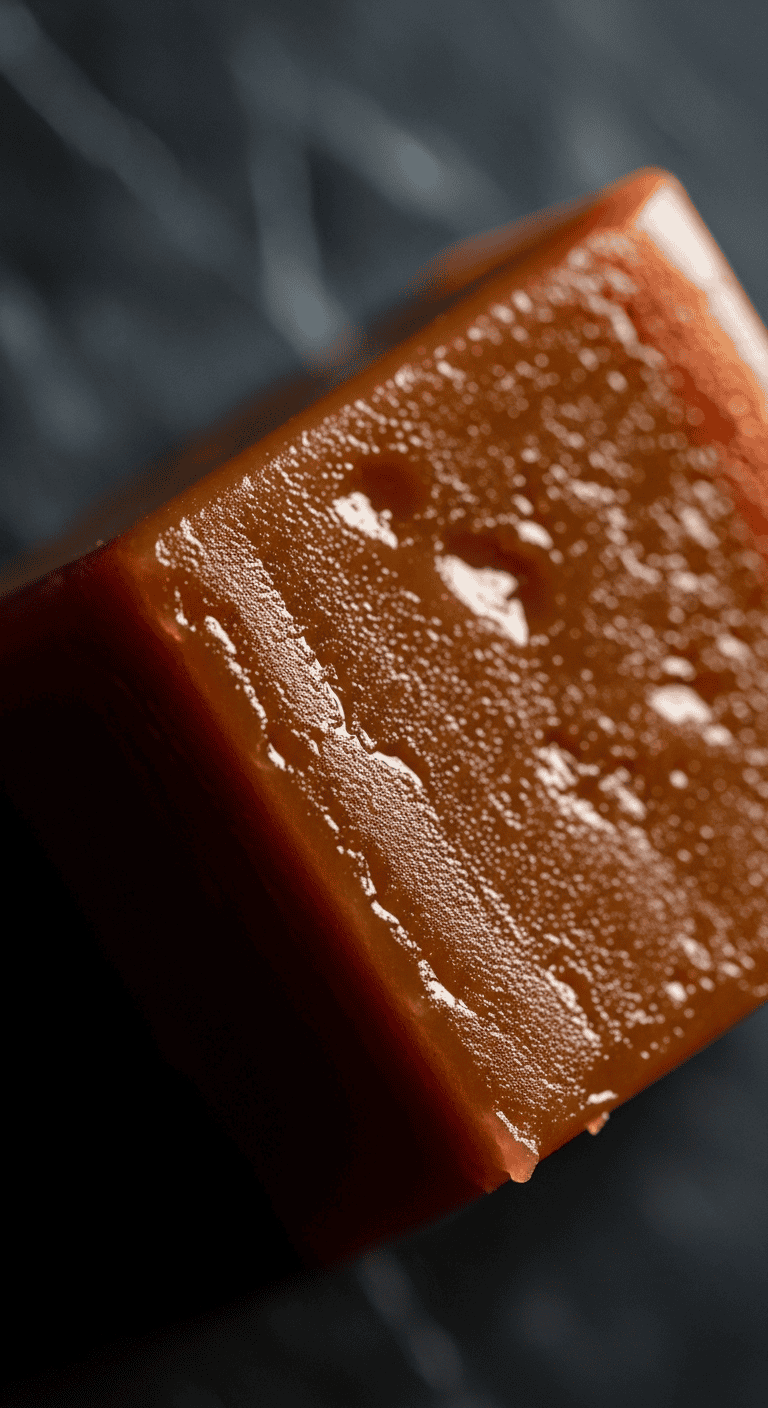
Dulce de Leche en Tabla is one of the most uniquely Dominican confections in existence — a firm, sliceable slab of deeply caramelized milk candy that bears only a name similarity to the spreadable Argentine caramel sauce most people know as dulce de leche. The Dominican version is something else entirely: a slow-cooked, concentrated milk candy that sets into a glossy, amber-colored slab you cut into squares and eat by the piece like a rich, sweet treat.
The "en tabla" part of the name means "on a board" — referring to the traditional practice of pouring the cooked candy onto a wooden board to cool and set. Today, a parchment-lined baking pan works just as well, but the name (and the magic) remains the same. When you pour the bubbling amber mixture and watch it slowly solidify into a firm, glossy slab, there's a real sense of satisfaction — you've made candy from scratch using just milk, sugar, and time.
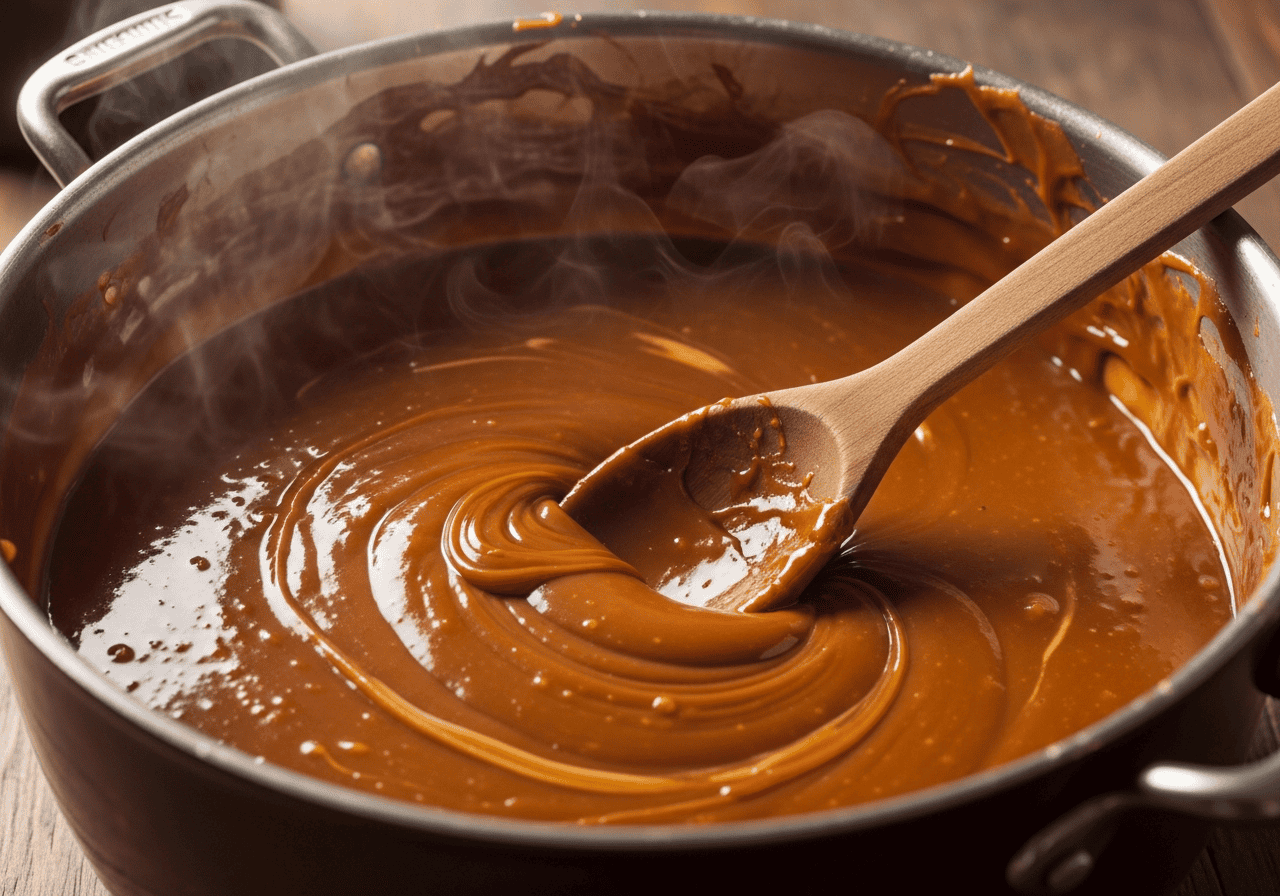
The process is meditative: you stir, you wait, you stir some more. The milk caramelizes slowly over about 90 minutes, deepening from pale ivory to a rich golden-amber. The kitchen fills with the smell of caramelized dairy and cinnamon — one of the most comforting aromas I know. Patience is the only real skill required.
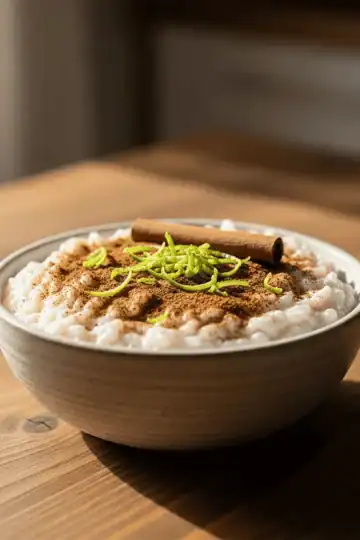
Dulce de leche en tabla is often served at Dominican celebrations and is a popular street food wrapped in wax paper. Pair it with a cup of Café con Leche or alongside our Arroz con Leche Dominicano for a full Dominican dessert spread.
🧠 Did You Know?
- Dulce de leche en tabla is made using the Maillard reaction and caramelization — the milk proteins and sugars undergo complex browning reactions over extended heat, creating hundreds of new flavor compounds that give the candy its distinctive deep, nutty-sweet taste.
- The practice of making firm milk candies is common throughout Latin America and the Caribbean, with each country having its own variation — Colombia has cocadas, Mexico has cajeta en trocitos, and the Dominican Republic has its distinctive dulce de leche en tabla.
- Traditional Dominican dulce de leche en tabla was historically made with the thick, fresh milk from pasture-raised cows — the higher fat content of farm-fresh milk produces a richer, more complex candy than commercially pasteurized milk.
🧾 Ingredients
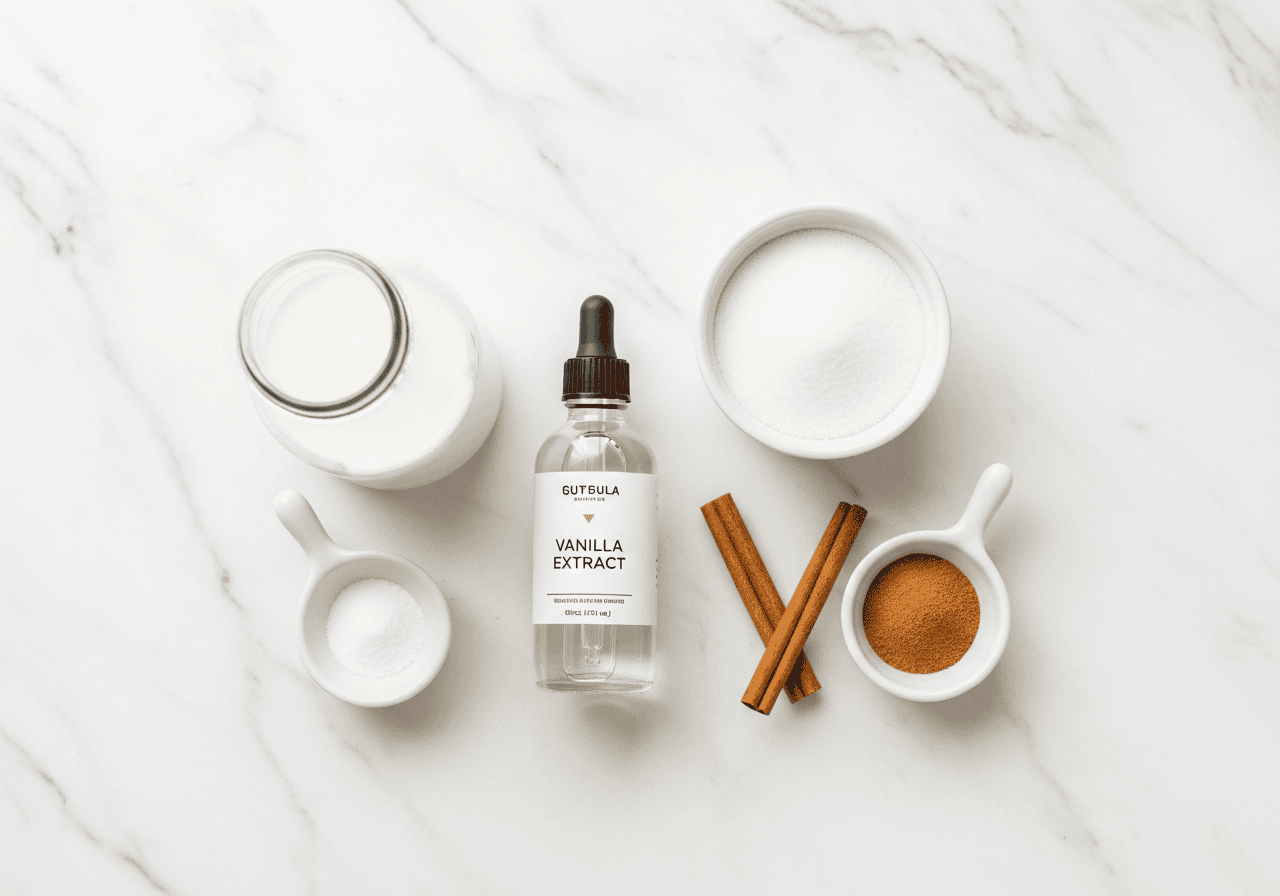
Full measurements are in the recipe card below. Here's what you'll need:
🛒 Shop This Recipe
View on Amazon →
View on Amazon →
View on Amazon →
As an Amazon Associate I earn from qualifying purchases at no extra cost to you.
👨🍳 How to Make Dulce de Leche en Tabla
Follow these steps for perfect results. Full printable recipe card with exact measurements is below.
Dulce de Leche en Tabla
Ingredients
Equipment
Method
- Prepare your pan: Line an 8x8-inch baking pan with parchment paper or butter it well. Have it ready near the stove — you'll need to pour quickly when the candy is done.
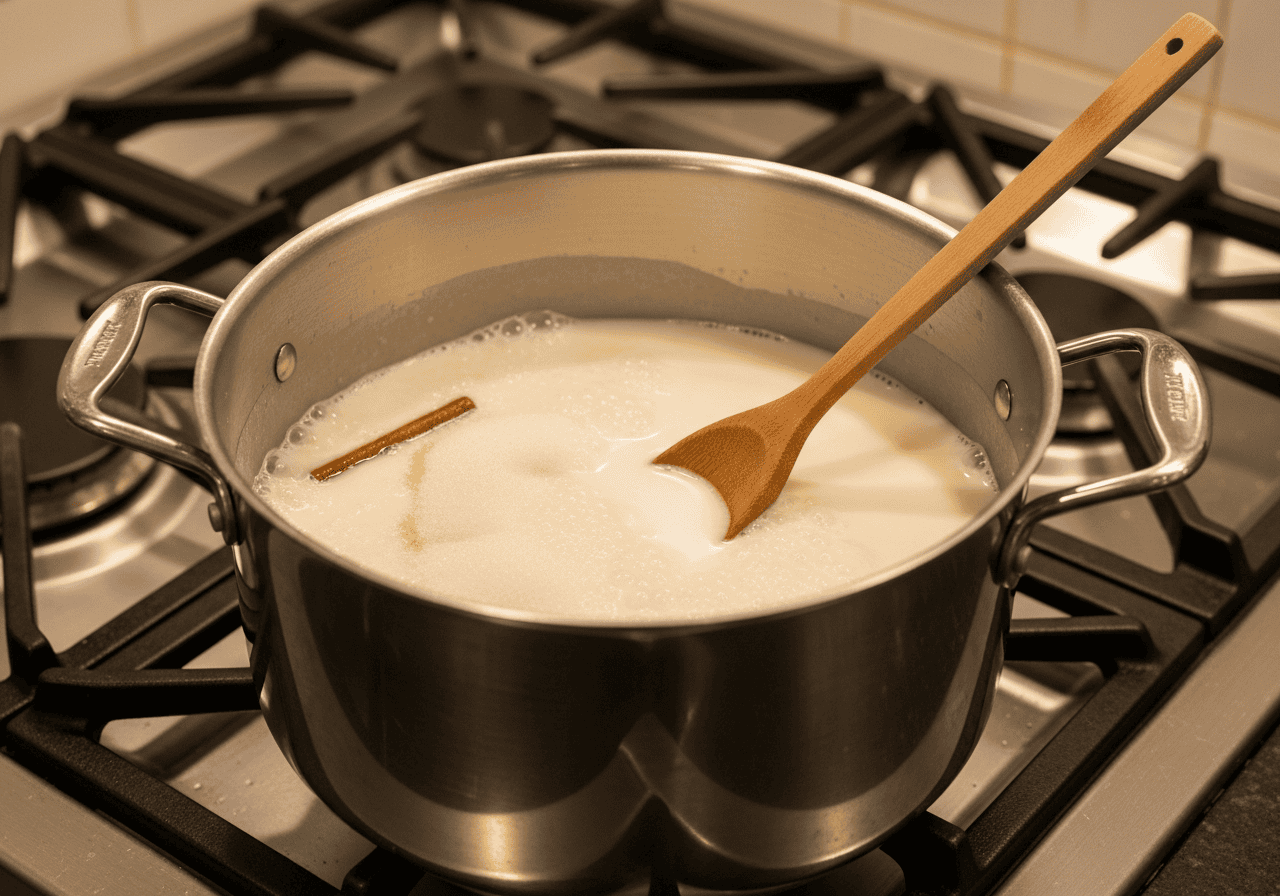
- Combine ingredients: In a large, heavy-bottomed saucepan (the mixture will bubble up significantly — use at least a 4-quart pot), combine milk, sugar, baking soda, cinnamon sticks, and salt. Stir to dissolve the sugar.
- Cook low and slow: Bring to a boil over medium heat, stirring constantly. Once boiling, reduce to medium-low. The mixture will be pale and foamy at first. Continue stirring every few minutes for the first 30 minutes.
- Deepen the caramel: After 30 minutes, begin stirring more frequently — every 1–2 minutes — as the mixture starts to thicken and darken from ivory to light golden. Remove cinnamon sticks at this point.
- Watch for the set: After 60–90 minutes total, the mixture will be a deep amber color, thick, and will pull away from the sides of the pan as you stir. Test for doneness: drop a small amount onto a cold plate — it should set firm within 30 seconds. Add vanilla extract and stir vigorously.
- Pour and set: Quickly pour the hot candy into the prepared pan and spread evenly with a spatula. Work fast — it sets quickly. Let cool completely at room temperature, 2–3 hours, until firm.
- Slice: Once fully set and firm, use a sharp knife to cut into squares or rectangles. Wrap individually in wax paper for gifting or serving.
Nutrition
Notes
Tried this recipe?
Let us know how it was!💡 Pro Tips for Dulce de Leche en Tabla
- Use a 4-quart pot minimum — the mixture can triple in volume when it boils, and a small pot means overflow and a messy stove.
- The baking soda is the secret: it raises the pH of the milk slightly, which accelerates the Maillard browning reaction and helps the candy set firmer. Don't skip it.
- Test for doneness by dropping a small spoonful onto a chilled plate — if it sets firm in under 30 seconds, it's ready. If still sticky, cook for 5 more minutes and test again.
- Pour fast and smooth — the candy begins to set within seconds of hitting the cool pan. Have everything prepped and ready before you get to this step.
🎬 Watch How to Make Dulce de Leche en Tabla
🍽️ What to Serve With Dulce de Leche en Tabla
- Café con Leche Dominicano
- Arroz con Leche Dominicano
- Flan de Leche Dominicano
- Dominican Arepa
- Suspiro Dominicano
❓ Frequently Asked Questions
Dulce de leche en tabla is a traditional Dominican firm milk candy made by slowly cooking whole milk and sugar until deeply caramelized and thickened into a slab that sets firm when cooled. It's completely different from the creamy spreadable Argentine dulce de leche — the Dominican version is a solid candy you slice and eat by the piece.
Why did my dulce de leche en tabla turn grainy?Graininess is caused by sugar crystallization, which happens when undissolved sugar crystals on the sides of the pot fall back into the mixture, or when you stir too aggressively at high heat near the end. To prevent it: wipe the sides of the pot with a wet pastry brush during cooking, and stir with smooth, even strokes rather than vigorous scraping.
How do I know when dulce de leche en tabla is ready?The cold plate test is most reliable: drop a small amount of the hot candy onto a chilled plate — it should set firm within 30 seconds. Visually, the candy will be deep amber-colored, thickened, and beginning to pull away from the sides of the pan as you stir. A candy thermometer reading of about 240–245°F (soft ball stage) also indicates readiness.
Can I use evaporated milk instead of whole milk?Yes — evaporated milk produces a slightly richer, faster-cooking dulce de leche en tabla because it's already had about 60% of its water removed. Use 2 cans (24 oz total) and reduce the initial cooking time. The color and flavor will be similar to the whole-milk version.
How long does dulce de leche en tabla last?Store at room temperature in an airtight container or wrapped in wax paper for up to 2 weeks. Refrigerated, it lasts up to 1 month. It can also be frozen for up to 3 months — wrap individual pieces and thaw at room temperature.
Why did my dulce de leche en tabla not set firm?It wasn't cooked long enough. The candy needs to reach the soft-ball stage (about 240–245°F) to set firm when cooled. If it's still soft after cooling, return it to the pot (it will re-melt), cook for another 10–15 minutes, and re-pour. Test with the cold plate method before pouring.
Can I add nuts or coconut to dulce de leche en tabla?Absolutely — stirring in ½ cup of toasted coconut flakes or chopped peanuts just before pouring is a popular variation. Add them right at the end after the vanilla, stir quickly, then pour. The additions won't affect the setting time.
🥡 Storage & Reheating
Store dulce de leche en tabla at room temperature in an airtight container or individually wrapped in wax paper for up to 2 weeks. It will soften slightly in warm weather — refrigerate in summer if needed. Refrigerated, it lasts up to 1 month. Freeze for up to 3 months.
Leave a Reply