
This post contains affiliate links. I may earn a small commission at no extra cost to you.
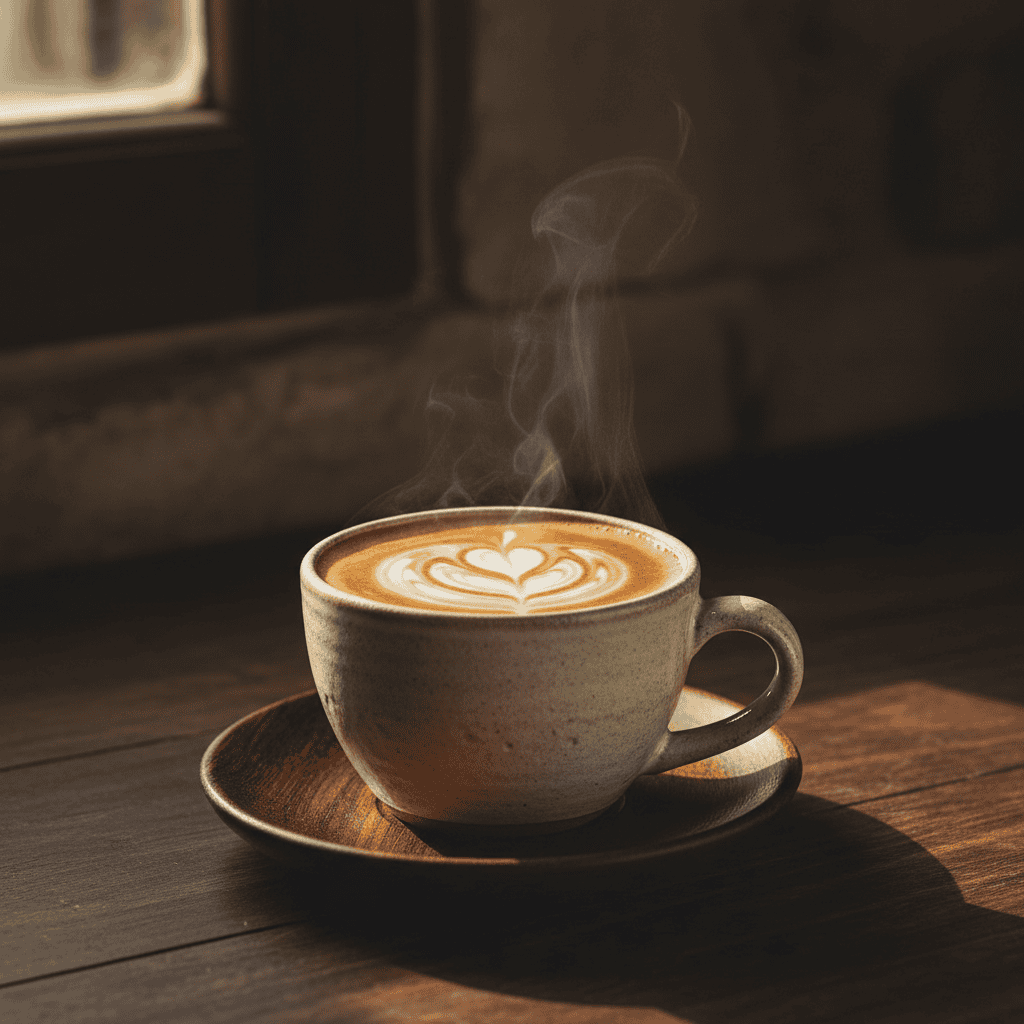
In the Dominican Republic, the morning begins with café con leche. Not an Americano, not a latte, not drip coffee — café con leche. Strong, dark Dominican roast poured into warm sweetened milk in a small ceramic cup, drunk quickly and without ceremony. It is the most democratic morning drink in Dominican culture: drunk by everyone, in every social class, from the campo to the capital, from children (in weaker ratios) to grandparents.
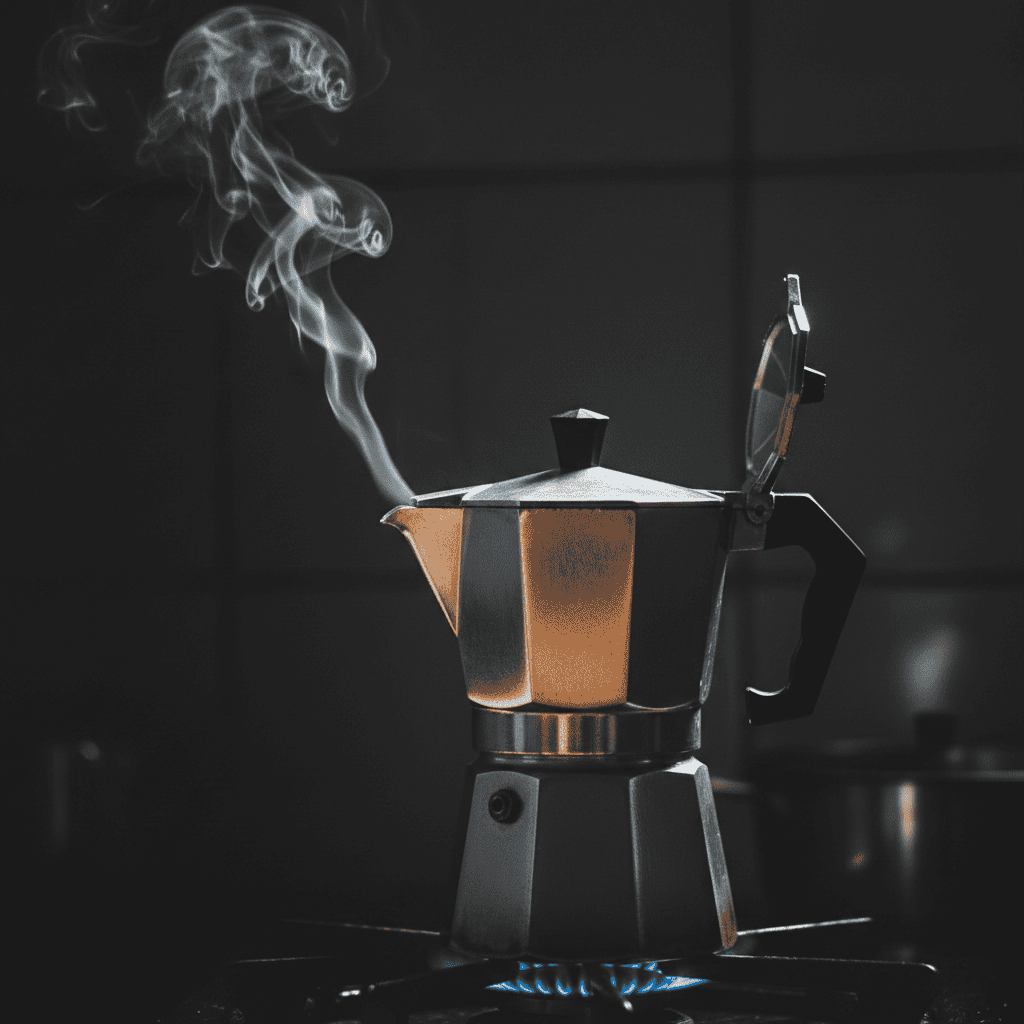
The preparation is deceptively simple but specific. The coffee must be strong — much stronger than American drip coffee. Dominicans brew with a stovetop moka pot (called a greca) or a standard drip machine with extra grounds, and the coffee-to-water ratio is aggressive. The milk must be whole milk, warmed to steaming. The sugar goes into the milk, not the coffee. And the coffee is poured into the milk — not the other way around. These details matter. They are the difference between Dominican café con leche and warm coffee with milk.
My family drank this every morning without exception. My grandmother had a greca on the stove by 6am. The smell of dark Dominican coffee mingling with warm milk is the smell of every childhood morning in Santo Domingo. There is no comfort drink more Dominican, more immediate, or more necessary.
Did You Know?
- Café Santo Domingo is the most beloved Dominican brand: Founded in 1945, Café Santo Domingo is the most consumed coffee brand in the Dominican Republic and has deep emotional significance for the diaspora. Look for it at any Latin grocery or online — it makes the most authentic Dominican café con leche.
- A pinch of salt in the grounds is an old Dominican trick: Adding a tiny pinch of salt to the coffee grounds before brewing neutralizes some of the bitter phenolic compounds in dark roast coffee. The result is a smoother, less acidic cup without any detectable saltiness. Many old Dominican coffee drinkers swear by it.
- Dominicans drink coffee sweet: Sugar in Dominican coffee culture is not optional — it is expected. The standard preparation is noticeably sweet. If you're cutting sugar for health reasons, that's completely fine, but know that you're diverging from the traditional preparation.
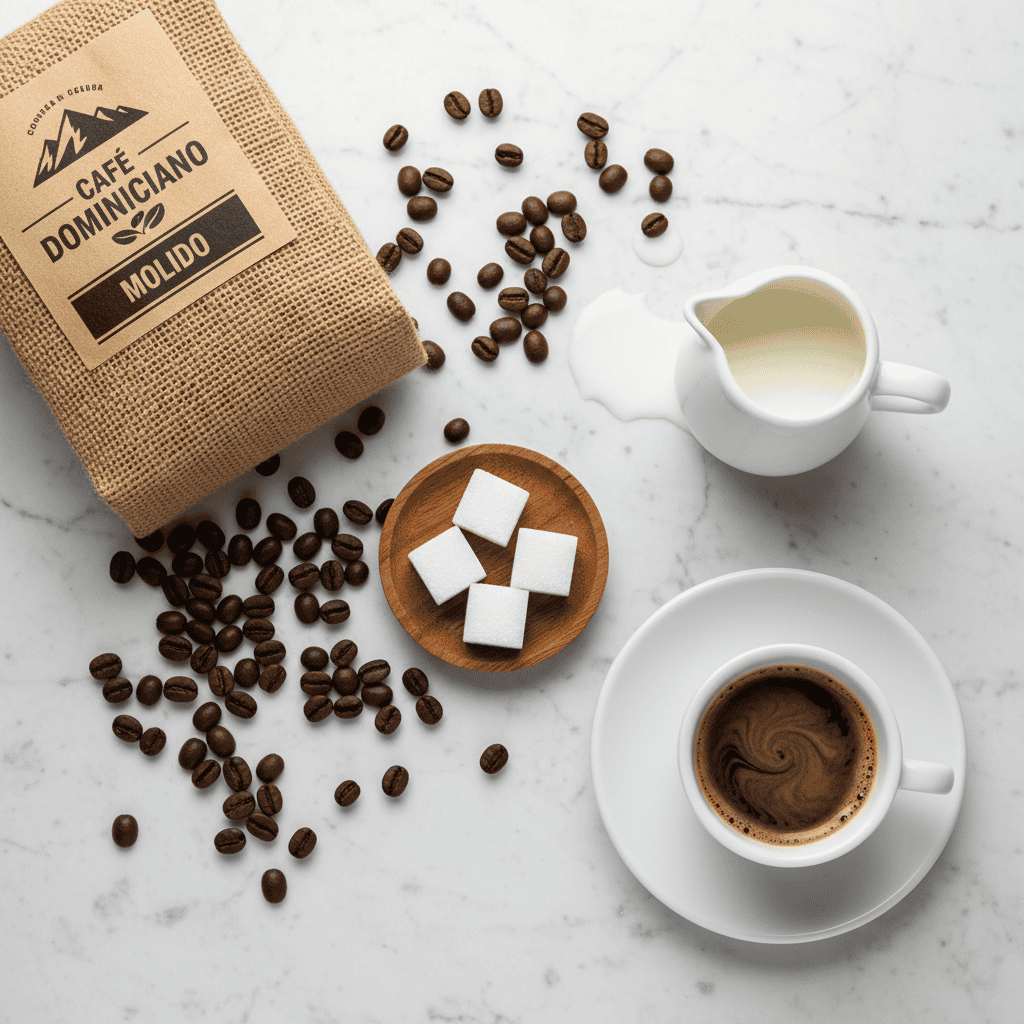
Ingredients for Café con Leche Dominicano
- 4 tablespoon Dominican dark roast ground coffee — Café Santo Domingo or Café Bustelo. A very strong ratio.
- 1½ cups whole milk — whole milk only. The fat is part of the flavor.
- ½ cup water — for brewing.
- 2 tablespoon sugar — goes in the warm milk, not the coffee.
- 1 pinch salt — in the coffee grounds. The old Dominican trick.
View on Amazon →
View on Amazon →
As an Amazon Associate I earn from qualifying purchases at no extra cost to you.
How to Make Dominican Café con Leche
Cafe con Leche Dominicano (Dominican Coffee with Warm Milk)
Ingredients
Method
- Brew the coffee: Fill a stovetop moka pot or use a drip coffee maker with a 2:1 coffee-to-water ratio (very strong). Add a pinch of salt to the grounds — this is the old Dominican trick for reducing bitterness. Brew until done.
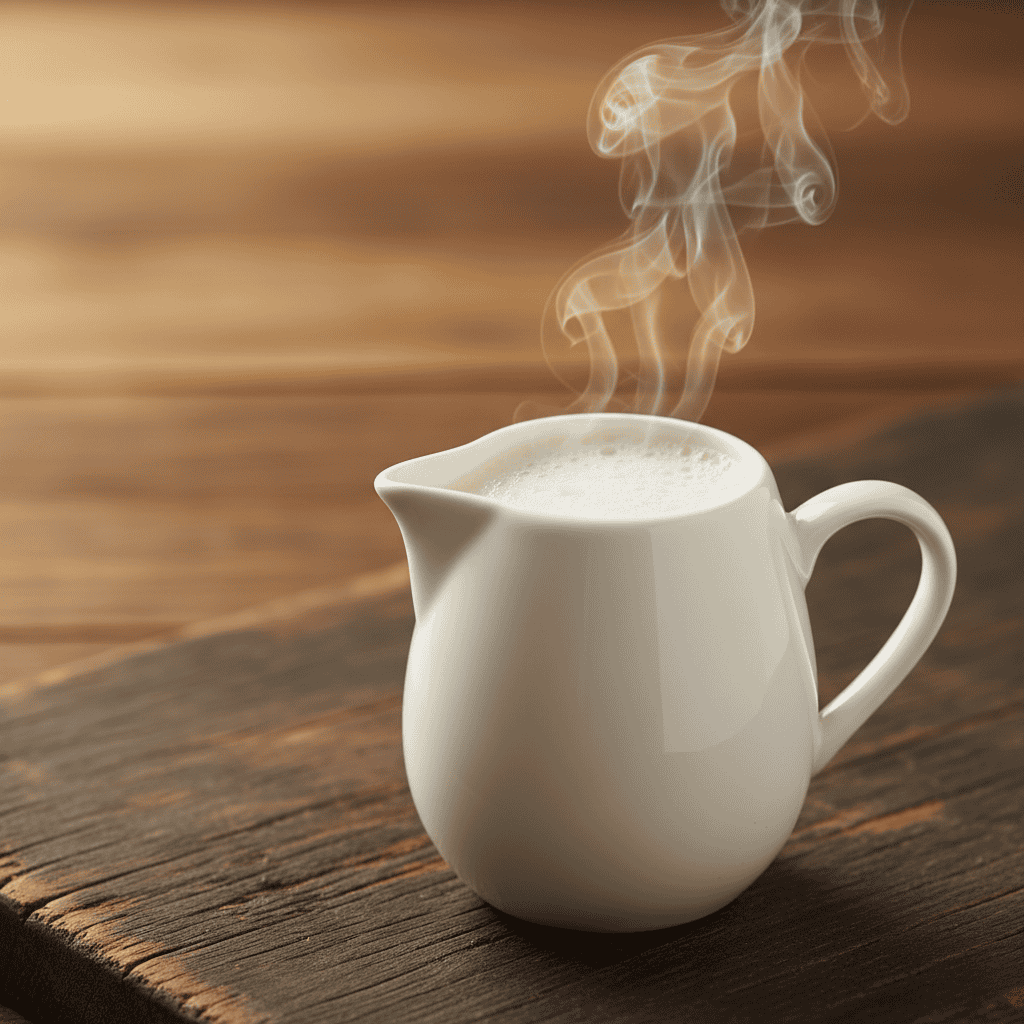
- Warm the milk: Heat whole milk in a small saucepan over medium-low heat, stirring occasionally, until steaming — about 160°F. Do not boil. Add sugar and stir to dissolve.
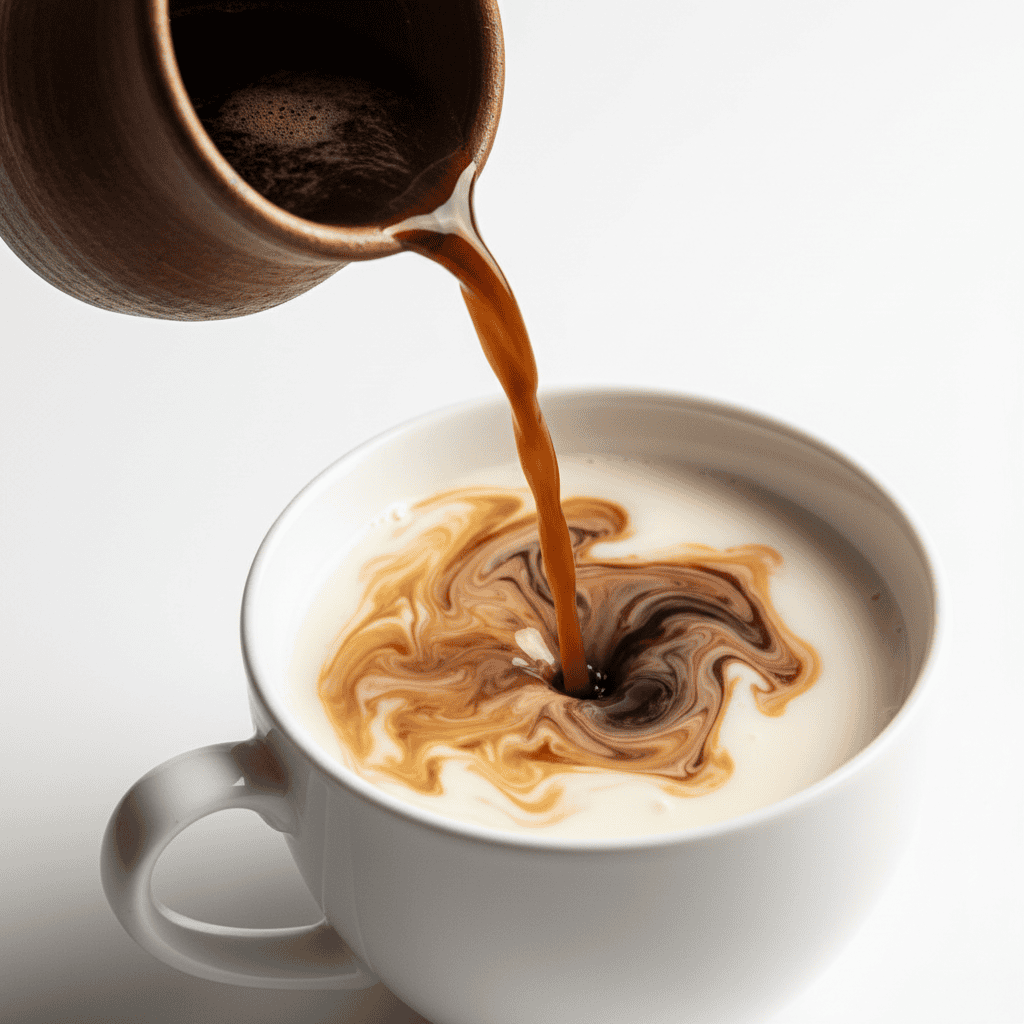
- Combine: Pour the warm sweetened milk into a mug (about ¾ full). Add the hot strong coffee to the milk — this is the Dominican order, unlike Italian cappuccino which pours milk into coffee. The ratio is roughly 2 parts milk to 1 part coffee, but adjust to your taste.
- Serve immediately. Dominican cafe con leche is drunk hot, often with bread or during Los Tres Golpes breakfast.
Nutrition
Notes
Tried this recipe?
Let us know how it was!Pro Tips for Perfect Café con Leche Dominicano
- Use real Dominican coffee. Café Santo Domingo or Café Bustelo — these are formulated for the strong, slightly bitter, deeply aromatic profile that makes Dominican café con leche taste the way it does. Generic dark roast works but doesn't hit the same notes.
- Coffee into milk, always. Pouring the coffee into the milk (not milk into coffee) is the traditional Dominican approach. It controls the ratio better and creates a different visual — the dark coffee swirling into the white milk is beautiful.
- Sugar in the milk, not the coffee. Dissolve the sugar in the warm milk before adding the coffee. It incorporates more evenly and doesn't sit at the bottom of the cup.
- Drink it hot, drink it fast. Café con leche is not a sipping drink. It is small, hot, and meant to be enjoyed quickly. Don't let it sit.
- The salt trick. A tiny pinch of salt in the grounds — not in the cup — before brewing. It smooths the bitterness without being detectable. Try it once and you'll never skip it.
🎬 Watch: Dominican Coffee Flan — The Creamy Caramel Dessert
What to Have With Café con Leche Dominicano
- Los Tres Golpes — Café con leche is the traditional morning drink alongside the Dominican breakfast plate.
- Farina Dominicana — On mornings when you want warmth but not caffeine.
- Avena Dominicana Caliente — The warm oat drink alternative on caffeine-free mornings.
Frequently Asked Questions
The most traditional brand is Café Santo Domingo, founded in the Dominican Republic in 1945. In the US, Café Bustelo is the most widely available Dominican-style dark roast and makes an excellent café con leche. Both are fine-ground, dark-roast coffees formulated for stovetop brewing methods.
Can I make Dominican café con leche with an espresso machine?Yes — an espresso machine makes an excellent base for café con leche. Pull a double shot, warm and sweeten your milk, and combine as described. The greca (moka pot) is more traditional and accessible, but espresso gives a slightly richer, more concentrated coffee.
What is the correct milk-to-coffee ratio for Dominican café con leche?Traditionally, Dominican café con leche is about 2 parts milk to 1 part coffee — making it lighter than a flat white but stronger than an American latte. That said, ratios vary by family and personal preference. Some Dominicans prefer 50/50; others go as light as 3:1 milk to coffee, especially for children.
Is Dominican café con leche the same as café au lait?They are similar concepts — strong coffee combined with hot milk — but they differ in coffee style and ratio. French café au lait uses drip coffee and is typically 50/50 with milk. Dominican café con leche uses a much stronger coffee (moka pot or espresso strength) and varies in ratio. The Dominican version is also typically sweeter.
What do Dominicans eat with café con leche?Most commonly, café con leche is drunk alongside Los Tres Golpes (mangu, queso frito, salami, egg) or with pan sobao (Dominican sweet bread), or with any simple bread or roll. It is a versatile morning drink that pairs with both savory and sweet breakfasts.
More Dominican Breakfast Drinks
- Avena Dominicana Caliente — The warm oat drink.
- Jugo de Avena Fría — The cold oat drink.
- Morir Soñando — The iconic Dominican orange-milk drink.


Leave a Reply