
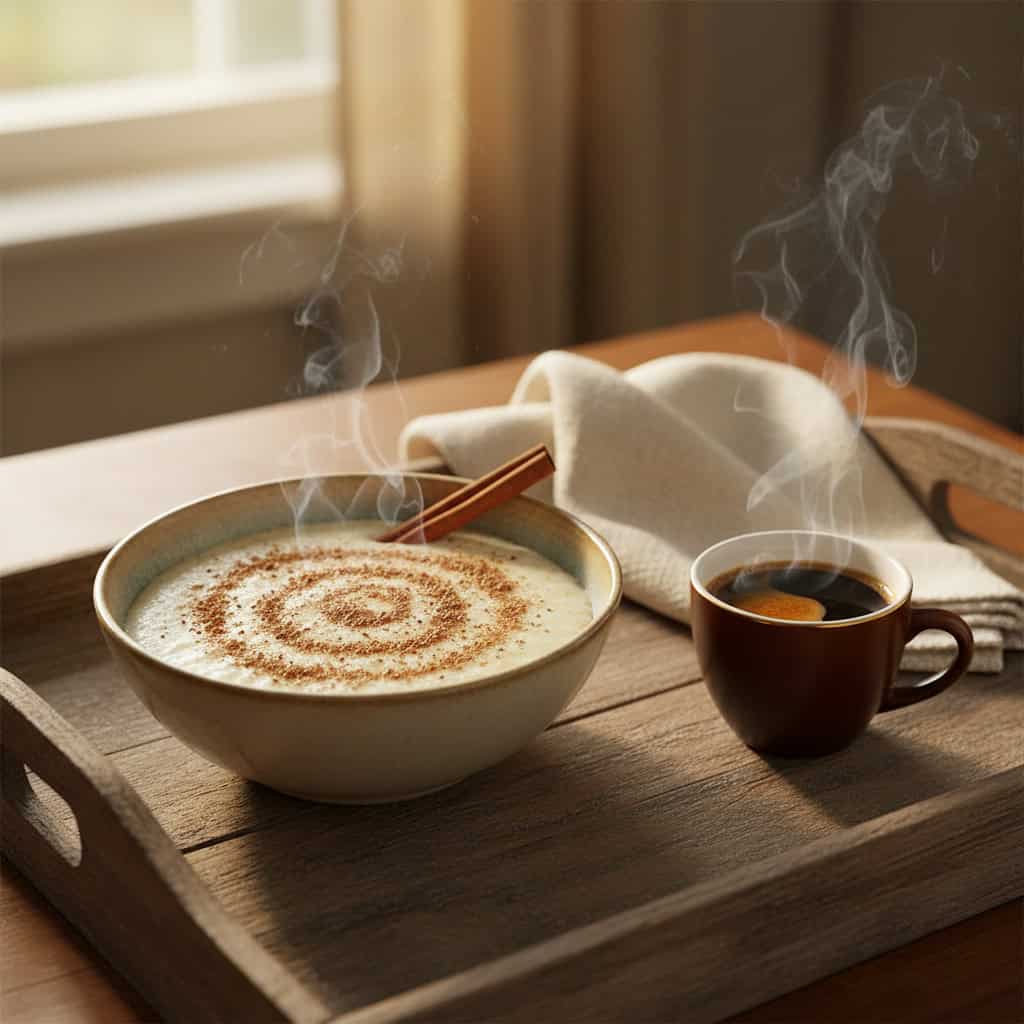
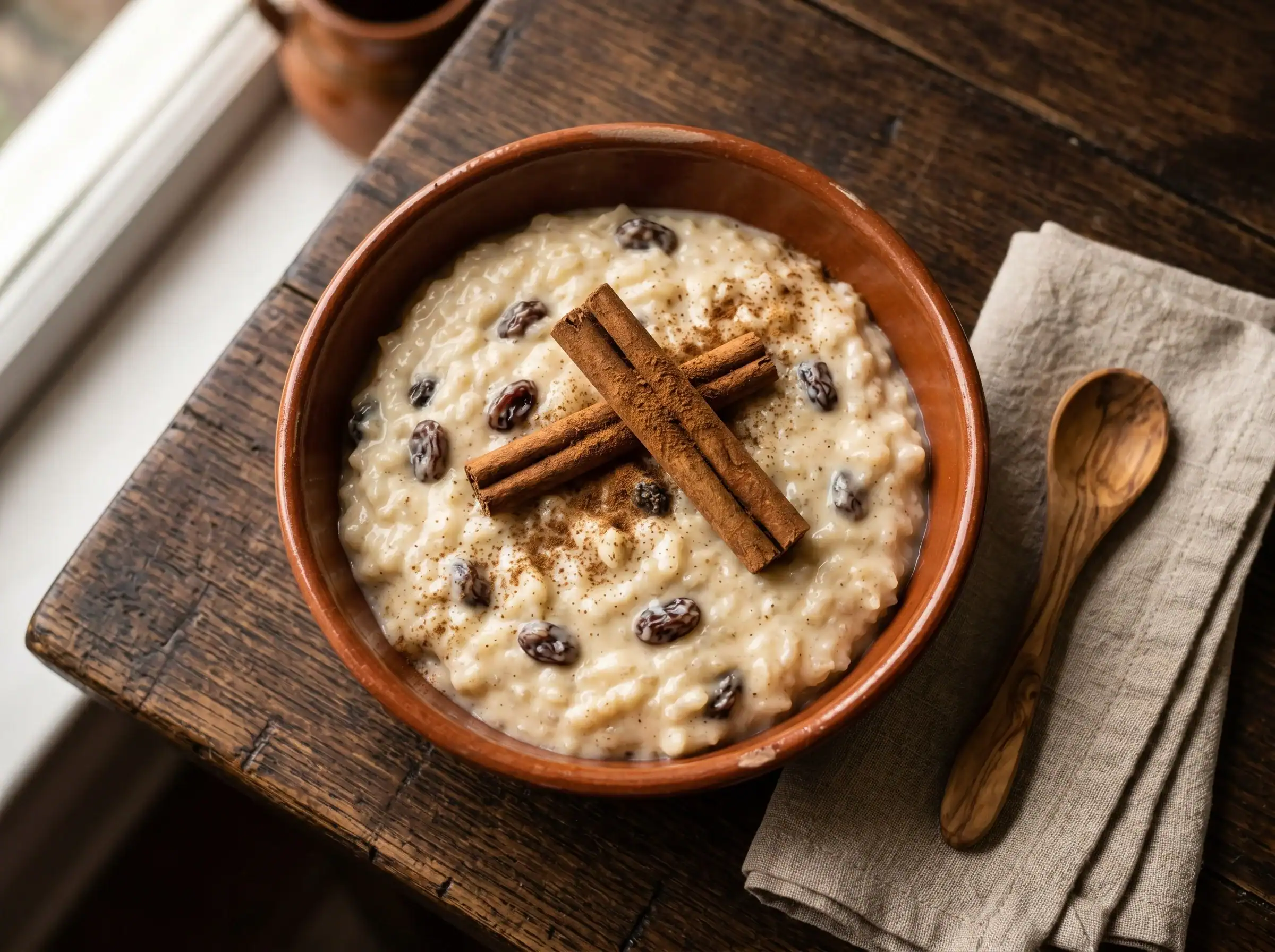
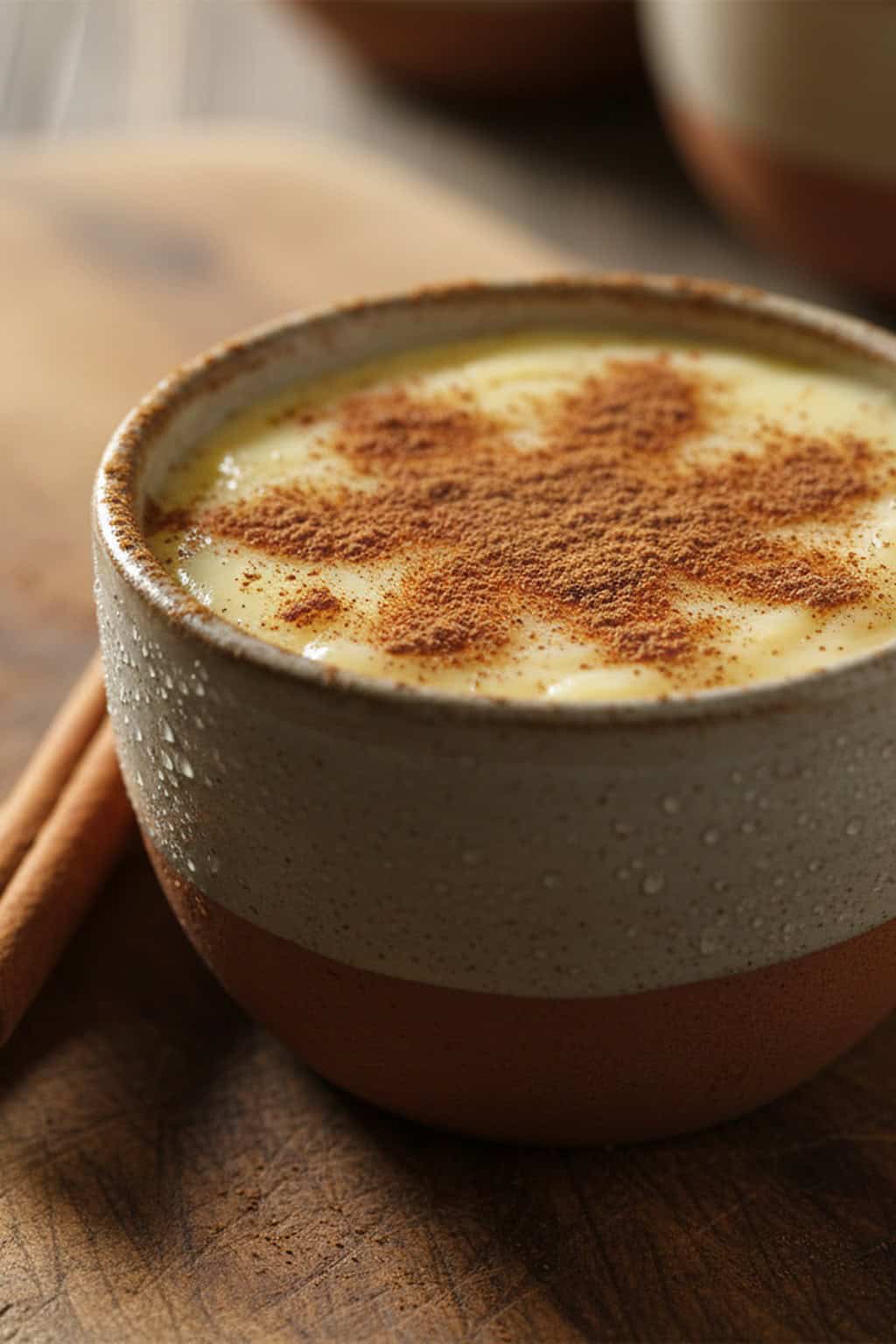
Dominican farina is the kind of recipe that punches way above its weight class. It costs under $2 to make six servings, takes twelve minutes start to finish, and tastes like something that took all morning. Growing up in Santo Domingo, Harina del Negrito — named after the iconic blue-and-white bag of farina sold at every colmado on the island — was what Saturday mornings smelled like. Warm milk, brown sugar, cinnamon, a pinch of ground clove, and a generous cloud of freshly grated nutmeg over the top. The whole apartment filled up with it by 8am.
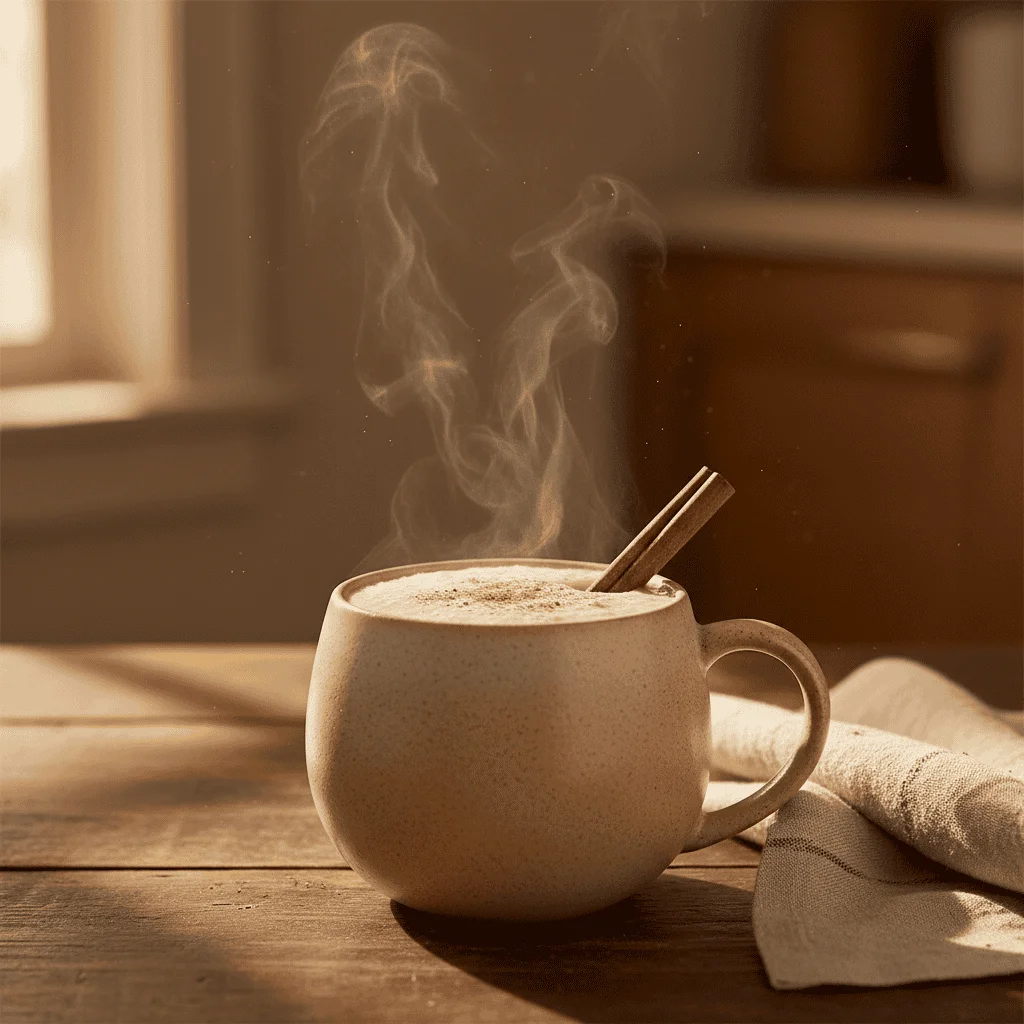
My mom made it thick enough to almost hold the shape of the bowl. My abuela made it thinner, more pourable, closer to a hot drink than a porridge — she called it her "café of the mornings that aren't coffee." Both are correct. The beauty of Dominican farina is that you control the consistency based on how long you cook it, and it legitimately goes from breakfast bowl to afternoon snack to a cozy late-night thing when you need something warm. This recipe gives you the classic Dominican-spiced base; from there, it's yours to adjust.
For a dish with four steps and ten ingredients, farina packs a ridiculous amount of flavor — all from pantry staples you already have. A box of cream of wheat runs about $4 and makes this recipe four or five times over. The spices are pennies per serving. If you are feeding a family of four on a weekday morning and want something comforting, filling, and authentically Caribbean, this is the move.
What Is Dominican Farina?
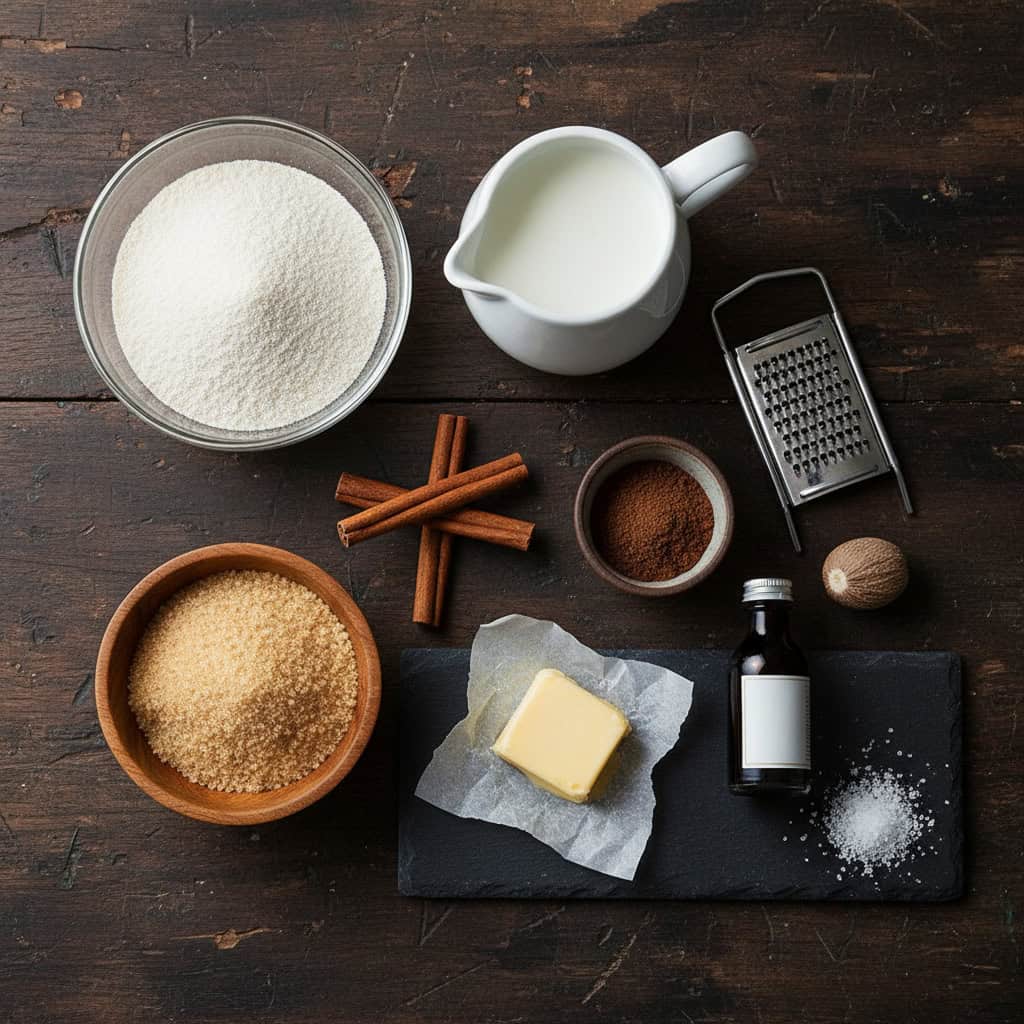
Farina is the generic name for a hot cereal made from finely milled wheat — the same grain Cream of Wheat® is made from. Outside the Dominican Republic, any brand of stovetop cream of wheat works identically. In the DR, the product most people grew up with is Harina del Negrito, a brand that has been a fixture in Dominican kitchens for generations. The name is a colloquial old-school reference to the brand's packaging — one of those culturally embedded names Dominicans use interchangeably with the generic "farina."
Farina is wheat-based, so it is not gluten-free. It is also different from grits, though the two often get compared. Grits are milled from corn; farina from wheat. The texture is similar — creamy, thick, porridge-like — but the flavor is distinctly different. Corn is earthier and more neutral; farina is slightly nuttier and absorbs the spice blend in a way grits simply do not.
What makes the Dominican version stand apart from plain American cream of wheat is entirely the spice blend: whole cinnamon sticks (not ground — sticks infuse the milk slowly and pull out cleanly before serving), ground clove (just a pinch — overdo it and it dominates everything else), vanilla extract, and freshly grated nutmeg as a finishing spice on top. Pre-ground nutmeg from a jar has almost no aroma compared to freshly grated whole nutmeg. A $3 micro grater pays for itself the first time you use it.
Ingredients for Dominican Farina
Full ingredients and measurements are in the recipe card below. Here is what you need and why each one matters.
- Whole milk + water: The combination gives creamy body without being too heavy. Swap half the milk for evaporated milk if you want to go richer — that is the upgrade move.
- Farina (stovetop cream of wheat): Use the stovetop variety, not instant. Instant cooks too fast to properly absorb the spice infusion.
- Brown sugar: More depth than white sugar. Start with a quarter cup and taste cold before adding more.
- Whole cinnamon sticks: Non-negotiable. Ground cinnamon makes farina gritty. Sticks infuse clean and pull out before serving.
- Ground cloves: Use sparingly — a quarter teaspoon is already a light touch.
- Vanilla extract: Rounds out the spice profile and adds warmth.
- Salted butter: Added at the boil, it emulsifies in and gives the porridge a glossy, rich finish.
- Freshly grated nutmeg: The finishing touch that makes it taste like the real thing. Do not substitute pre-ground.
How to Make Dominican Farina — Step by Step
Step 1 — Combine everything cold. In a medium saucepan before turning on the heat, combine the milk, water, farina, salt, vanilla extract, cinnamon sticks, clove powder, and half the brown sugar. Stir until the sugar starts to dissolve. Taste cold and adjust sweetness now — adding sugar to hot farina gives you a distorted read. Let the mixture rest 5 minutes. This gives the farina granules a head start absorbing the liquid and prevents lumping when heat is applied.
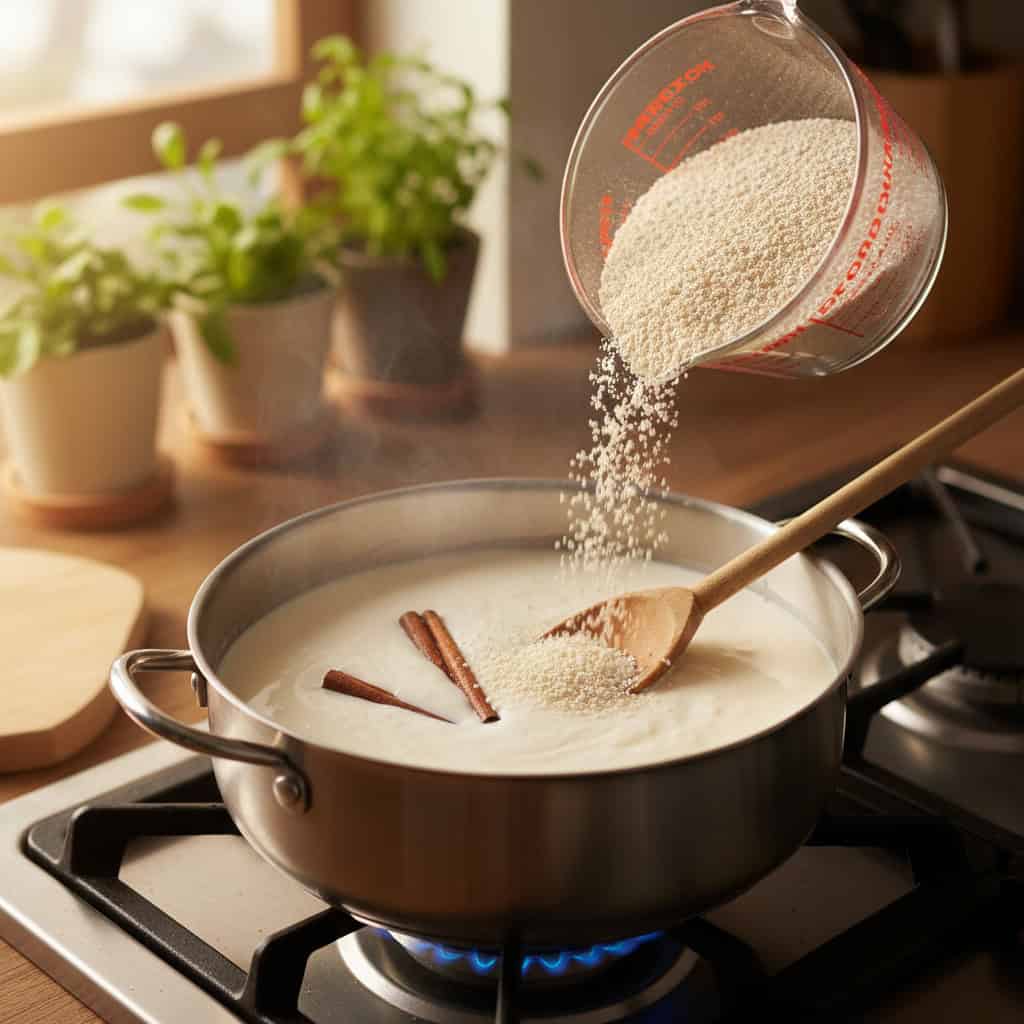
Step 2 — Cook over medium heat, stirring the entire time. Set the burner to medium and start stirring immediately — do not wait for the heat to build. Farina settles and scorches fast on the bottom of the pan if you give it an inch. Keep it moving in wide sweeps across the bottom. You will feel the resistance in the spoon increase as the porridge thickens. When the mixture breaks a gentle boil, drop in the butter and immediately lower the heat to very low.
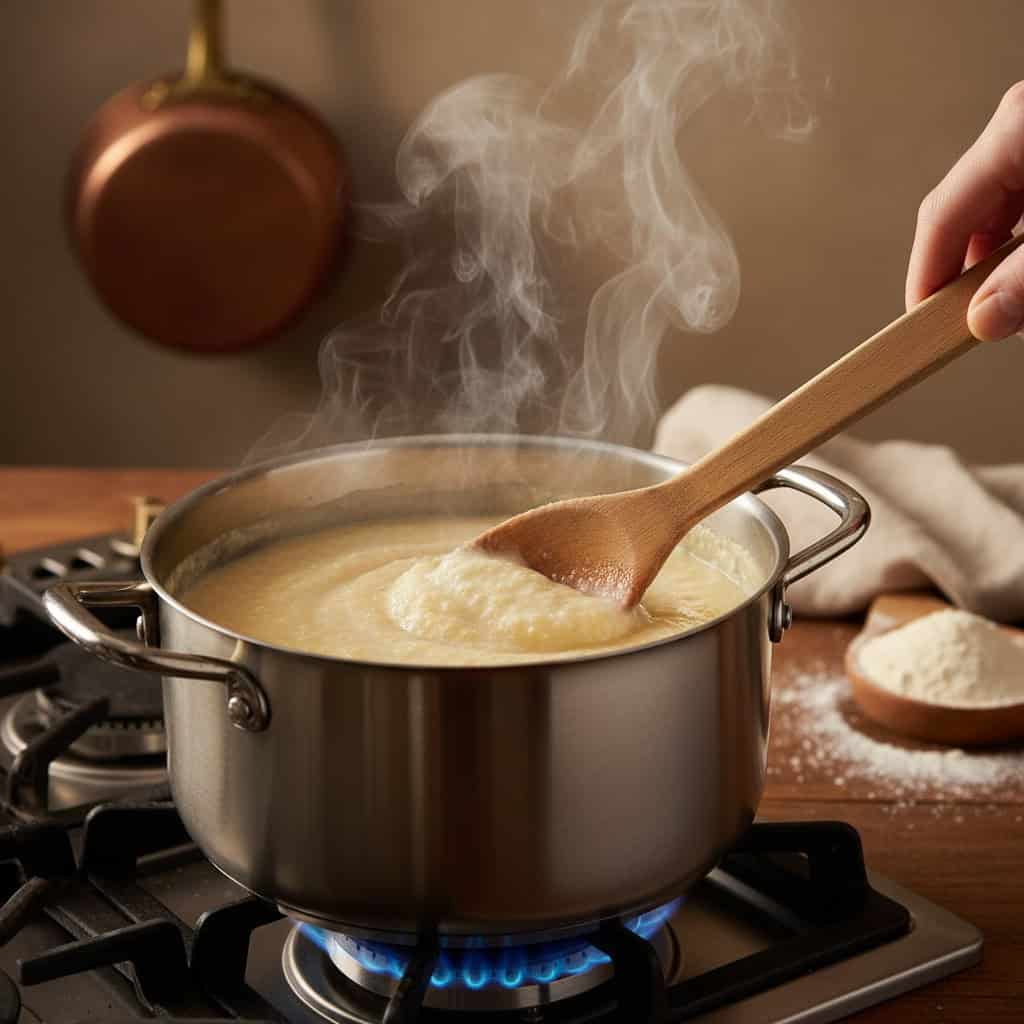
Step 3 — Finish on very low heat to your preferred consistency. Continue stirring for another 2 to 4 minutes. For thick spoonable farina closer to pudding, pull it when the spoon leaves a trail that fills back in slowly. For thinner pourable farina, pull it earlier. Farina thickens significantly as it cools — pull it slightly thinner than your target.
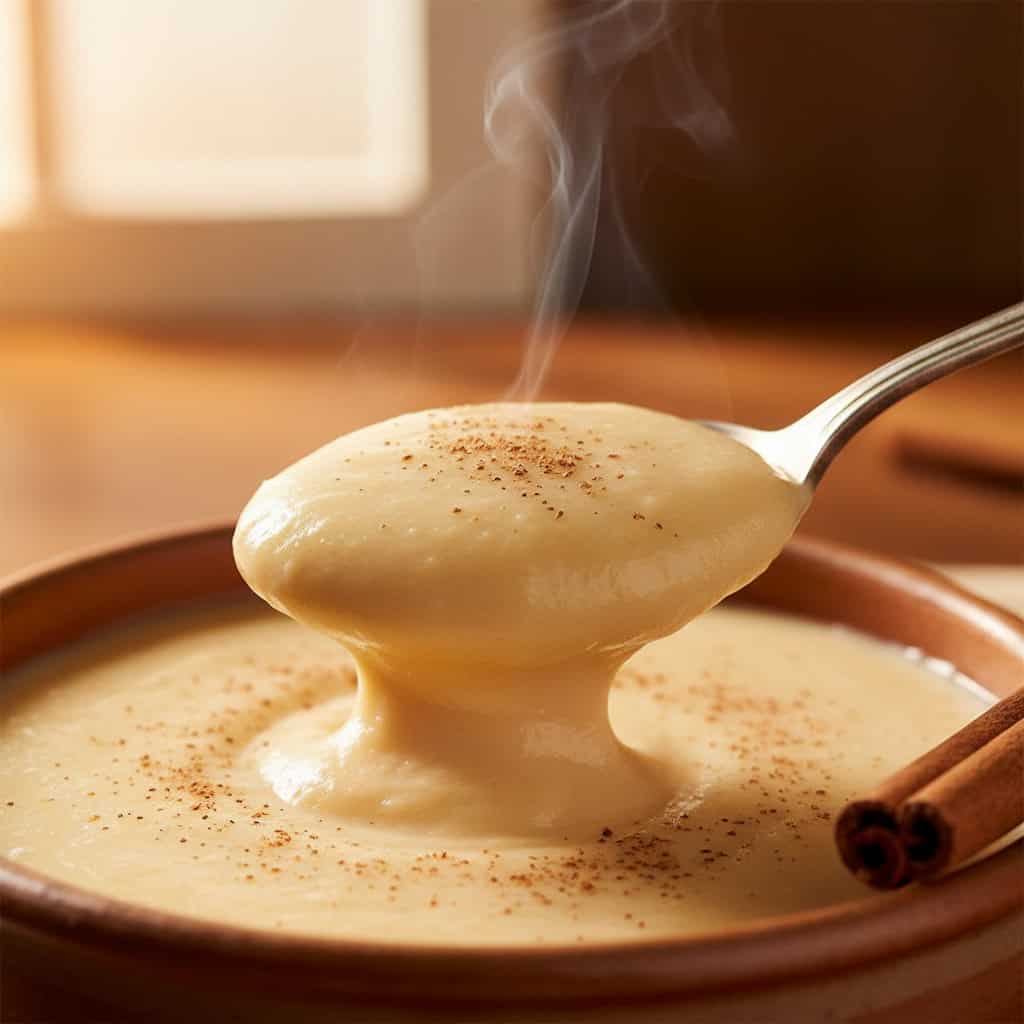
Step 4 — Serve immediately with fresh nutmeg. Remove the cinnamon sticks and pour into serving bowls. Grate fresh nutmeg directly over each bowl right above the hot farina so the oils release into the steam. Serve immediately. Farina waits for no one.
Pro Tips for the Best Dominican Farina
- Stir from the moment the heat goes on. Farina scorches fast. Unlike oatmeal, which you can mostly leave alone, farina demands constant attention the full 7 minutes it cooks.
- Use whole cinnamon sticks, never ground. Ground cinnamon makes farina gritty and changes the flavor profile significantly. Whole sticks infuse clean and pull out easily before serving.
- Go easy on the clove. Clove is one of the most potent spices in existence. First time making this? Start with an eighth of a teaspoon.
- Adjust sweetness cold, not hot. Heat amplifies sweetness perception. Taste and adjust the sugar in the cold raw mixture before turning on the burner.
- Pull it earlier than you think. Farina thickens dramatically as it cools. What looks thin in the pot will be thick by the time it hits the table.
- Fresh nutmeg is the move. Pre-ground nutmeg has almost no aroma — the volatile oils oxidize within weeks of grinding. A whole nutmeg costs a dollar and a micro grater costs six dollars. Buy both.
- The evaporated milk upgrade. Replace half the whole milk with evaporated milk for noticeably richer, creamier, more golden farina. This is how a lot of Dominican grandmothers actually made it.
- Going vegan? Swap whole milk for full-fat oat milk and skip the butter. Full-fat oat milk mimics whole milk creaminess better than almond milk in this context.
Did You Know? Dominican Farina History and Facts
- Harina del Negrito is the most iconic farina brand in the Dominican Republic, recognizable by its blue-and-white packaging. The name has been part of Dominican food culture for generations and is used interchangeably with "farina" the same way Americans say "Kleenex" instead of tissue.
- Farina, avena, and harina de maíz are the three hot cereal pillars of Dominican breakfast culture — usually served alongside mangú, los tres golpes, or a strong café negro.
- The word farina comes from Latin — farina means flour or meal. The same root gives us farinaceous, farro, and the French farine. Cream of wheat has been commercially produced in the United States since 1893.
- Farina is exceptionally high in iron. One serving of fortified cream of wheat provides roughly 50 to 80 percent of the daily recommended iron intake — one reason it has been promoted as a childhood breakfast food across Latin America and the Caribbean for over a century.
- The Dominican spice blend — cinnamon, clove, vanilla, nutmeg — mirrors the flavors of ponche and avena, pointing to a shared West African and Spanish culinary heritage in the island's flavor vocabulary. Warm spices in porridges and drinks is a thread that runs through the entire Caribbean.
- Farina vs. polenta vs. grits: All three are hot grain porridges with the same basic cooking method. The difference is the grain — farina is wheat, polenta is coarse cornmeal, grits are hominy corn. They share the same culinary DNA but are not interchangeable.
Nutrition Facts (Per Serving)
361 Calories | 9g Protein | 63g Carbs | 8g Fat | 5g Saturated Fat | 31g Sugar | 445mg Calcium | 14mg Iron | 333mg Sodium
Estimates based on 6 servings using whole milk and salted butter. Iron is notably high — this recipe covers approximately 78% of the daily recommended iron intake per serving thanks to the fortified cream of wheat.
Storage and Meal Prep
Refrigerator: Store in an airtight container for up to 3 days. It will solidify into an almost pudding-like block in the fridge — completely normal. To reheat, add a generous splash of milk and stir before heating on the stovetop over low heat or in the microwave in 30-second bursts. It loosens right back up.
Freezer: Farina freezes well. Pour into freezer-safe containers, label with the date, and freeze for up to 2 months. Thaw overnight in the fridge, then reheat with a splash of milk.
Creative leftover ideas:
- Cold farina pudding cups — spoon chilled farina into cups, top with fresh mango, strawberries, or banana, and eat from the fridge as a snack or dessert
- Farina pancakes — mix cold farina into pancake batter as a partial flour replacement for thick, spiced, creamy pancakes with a Dominican flavor profile
- Warm farina drink — thin leftover farina aggressively with hot milk until pourable and drink from a mug the way my abuela did — essentially the Dominican version of horchata
- Farina parfait — cold farina layered with granola and mango or passion fruit makes a solid prep-ahead breakfast
What to Serve With Dominican Farina
Farina is a complete breakfast on its own — milk, grain, and butter give you protein, complex carbs, and fat in one bowl. But if you are building a full Dominican breakfast spread:
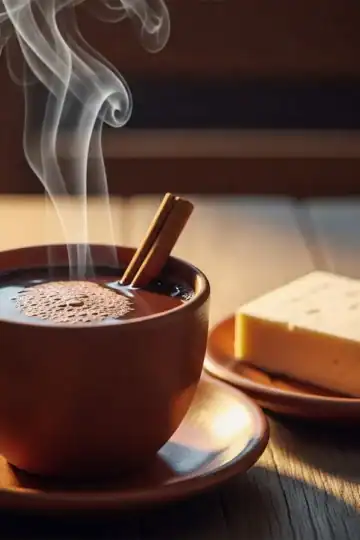
- Café negro (Dominican black coffee) — the classic pairing. The bitterness cuts right through the sweetness of the farina.
- Mangú (mashed green plantains) — serve farina as the cereal course before the savory plate for a full Dominican breakfast spread.
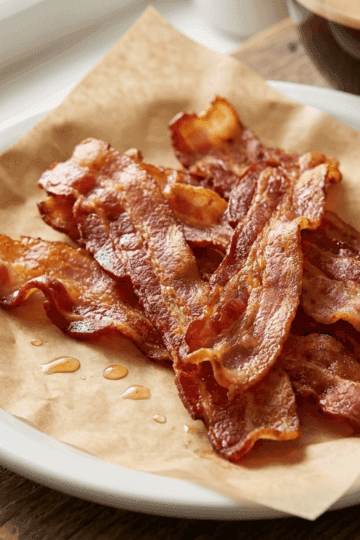
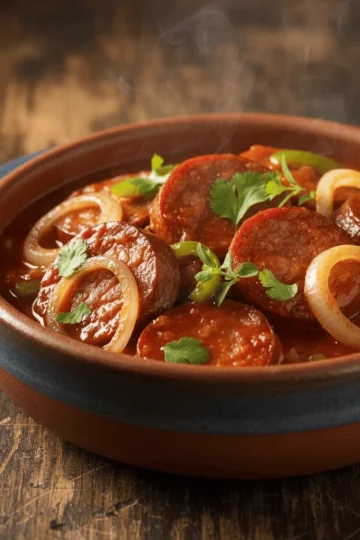
- Los Tres Golpes — fried salami, fried cheese, and fried eggs are the classic Dominican breakfast protein alongside any hot cereal.
- Fresh tropical fruit — mango, papaya, or sliced banana adds color and a refreshing contrast to the warm spiced farina.
- Pan de agua — Dominican bread, slightly crusty, perfect for dipping into thinner pourable farina.

Dominican Farina (Harina del Negrito)
Ingredients
Method
- In a medium saucepan before turning on the heat, combine milk, water, farina, salt, vanilla extract, cinnamon sticks, ground cloves, and half the brown sugar. Stir until sugar begins to dissolve. Taste cold and adjust sweetness now — heat distorts your perception. Let the mixture rest 5 minutes so the farina begins hydrating and lumping is prevented.
- Place over medium heat and stir immediately — do not wait for the heat to build. Keep stirring in wide sweeps across the bottom of the pan at all times. When the mixture breaks a gentle boil, add the butter and immediately lower the heat to very low.
- Continue stirring on very low heat for 2 to 4 more minutes. For thick spoonable farina closer to pudding, pull it when the spoon leaves a trail that fills back in slowly. For thinner pourable farina, pull it earlier. It thickens significantly as it cools — pull it slightly thinner than your target.
- Remove the cinnamon sticks. Pour into serving bowls immediately. Grate fresh nutmeg generously over each bowl — hold the whole nutmeg against a micro grater right above the hot farina so the oils release directly into the bowl. Serve immediately.
Nutrition
Tried this recipe?
Let us know how it was!You May Also Like
More Dominican Breakfast Recipes
Kitchen Tools Used in This Recipe
As an Amazon Associate I earn from qualifying purchases.

Leave a Reply