
This post contains affiliate links. I may earn a small commission at no extra cost to you.
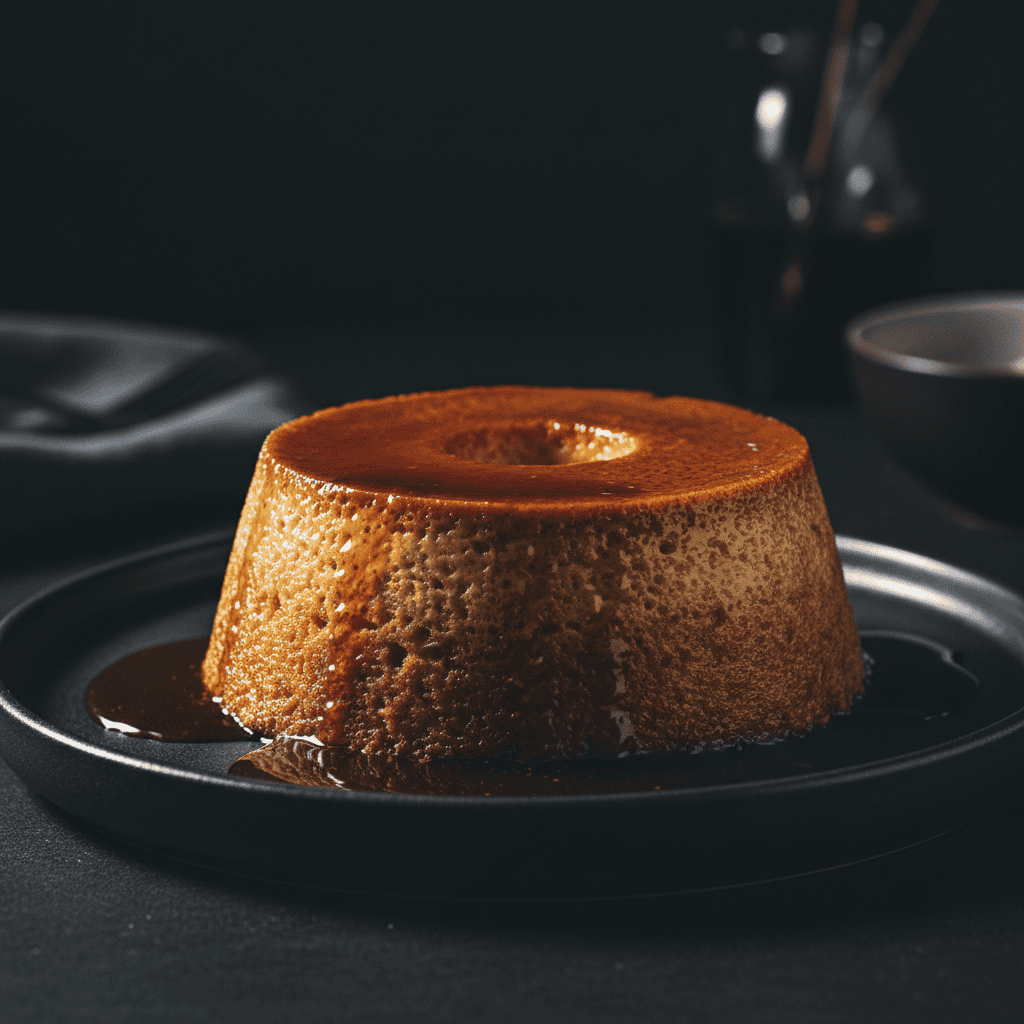
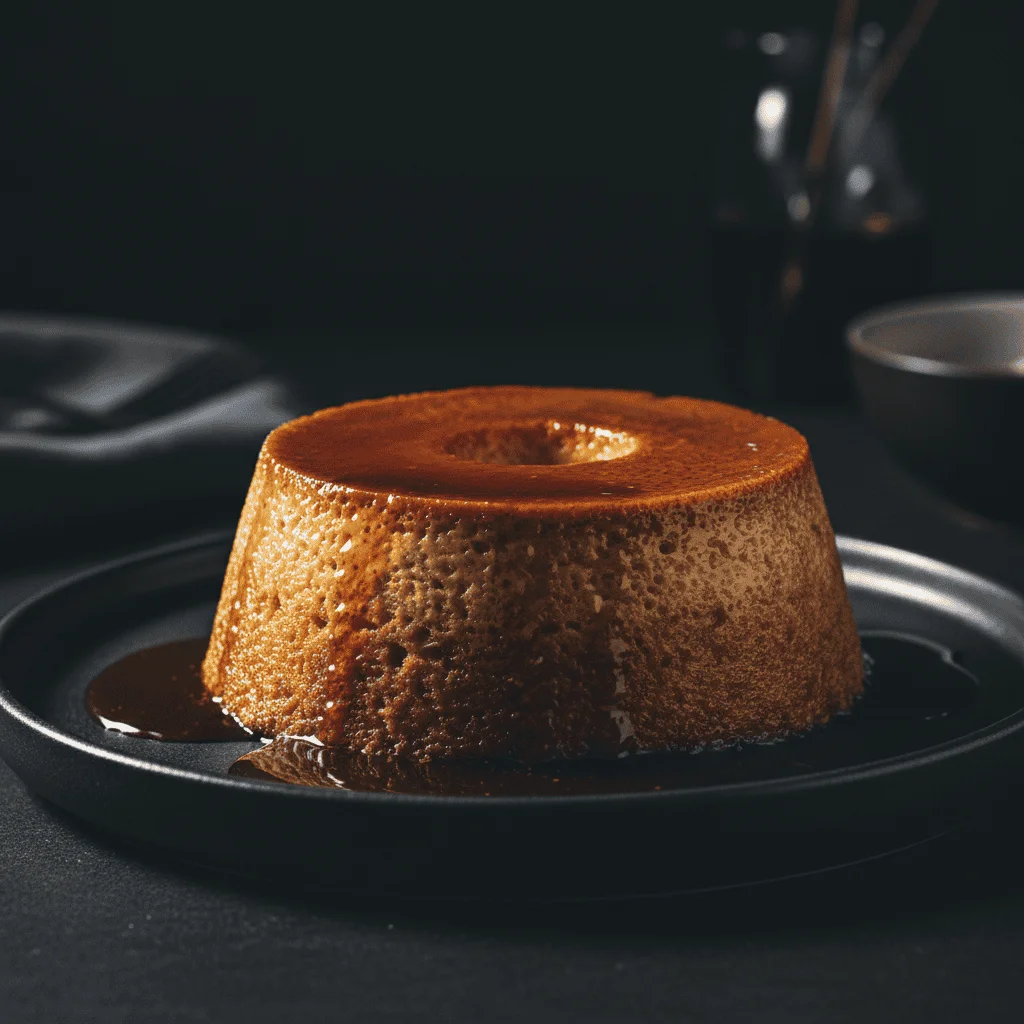
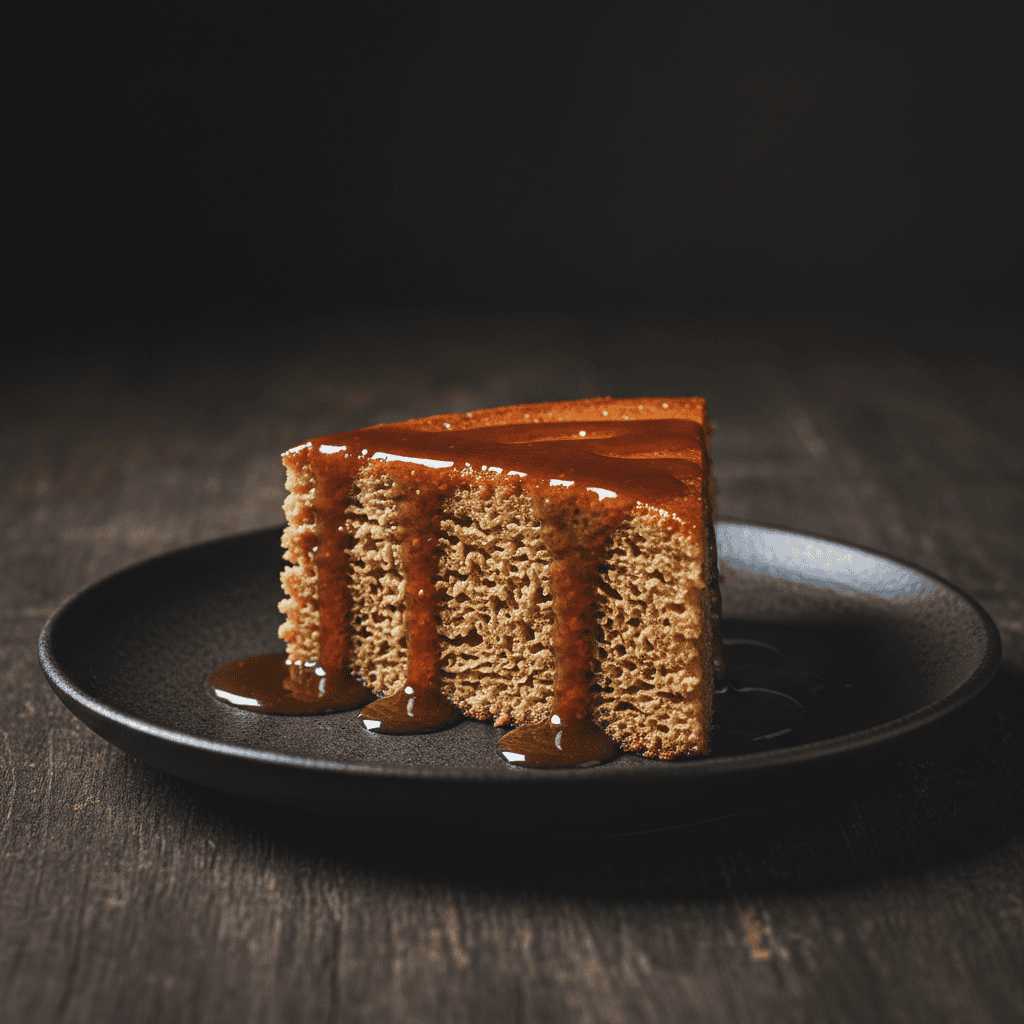
If flan de leche is the elegant Dominican dessert, flan de pan is its more rustic, more indulgent older sibling. Made with stale bread blended directly into the custard — along with cream cheese, evaporated milk, sweetened condensed milk, and that signature dark Dominican caramel — flan de pan has a denser, more complex texture than standard flan and a flavor that sits somewhere between bread pudding and cheesecake. It is, without any qualification, one of the greatest things you can make in a Dominican kitchen.
Flan de pan exists across the Spanish-speaking Caribbean with variations, but the Dominican version is particularly rich because of the cream cheese — an addition that adds tang, body, and that custardy density that makes Dominican flan de pan immediately recognizable. The bread provides starch and substance. The cream cheese provides structure and flavor. The condensed and evaporated milk provide richness. And the dark, almost-bitter Dominican caramel ties it all together with a counterbalancing complexity.
My mother made this every Christmas and every birthday. It was always the most anticipated dessert on the table. People would eat two slices and immediately ask if there was more. The answer was usually no — my mother knew better than to make a big batch of something that would be demolished in minutes. This recipe makes enough for 10 slices. Make two.
Did You Know?
- Pudin de pan is flan de pan's cousin: Dominican pudín de pan (bread pudding) and flan de pan are close relatives — both use stale bread in a custardy base with caramel. The difference is technique: pudín de pan is baked without a water bath and is more like a firm cake. Flan de pan uses a water bath, which creates the silky custardy texture that distinguishes it.
- Cream cheese is the Dominican addition: Traditional Spanish flan does not use cream cheese. Its inclusion in Dominican flan de pan is a modern Caribbean innovation that became standard in Dominican baking by the late 20th century. It transforms the texture from purely custard to something richer and more complex.
- Stale bread is essential: Fresh bread absorbs too much liquid and makes the custard gummy. Stale bread has already lost most of its moisture, so it absorbs the custard mixture without releasing water back into it. Day-old bread is ideal; three-day-old bread is even better.
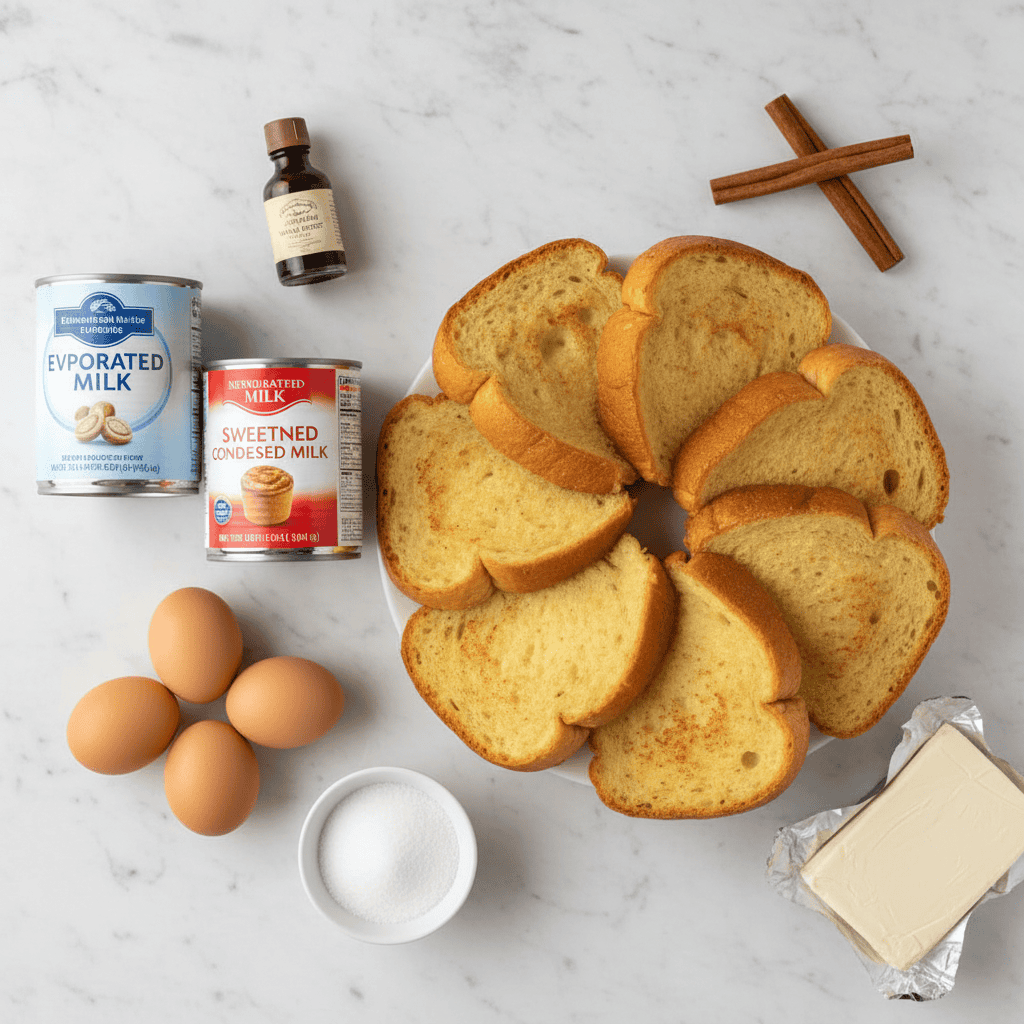
Ingredients for Flan de Pan Dominicano
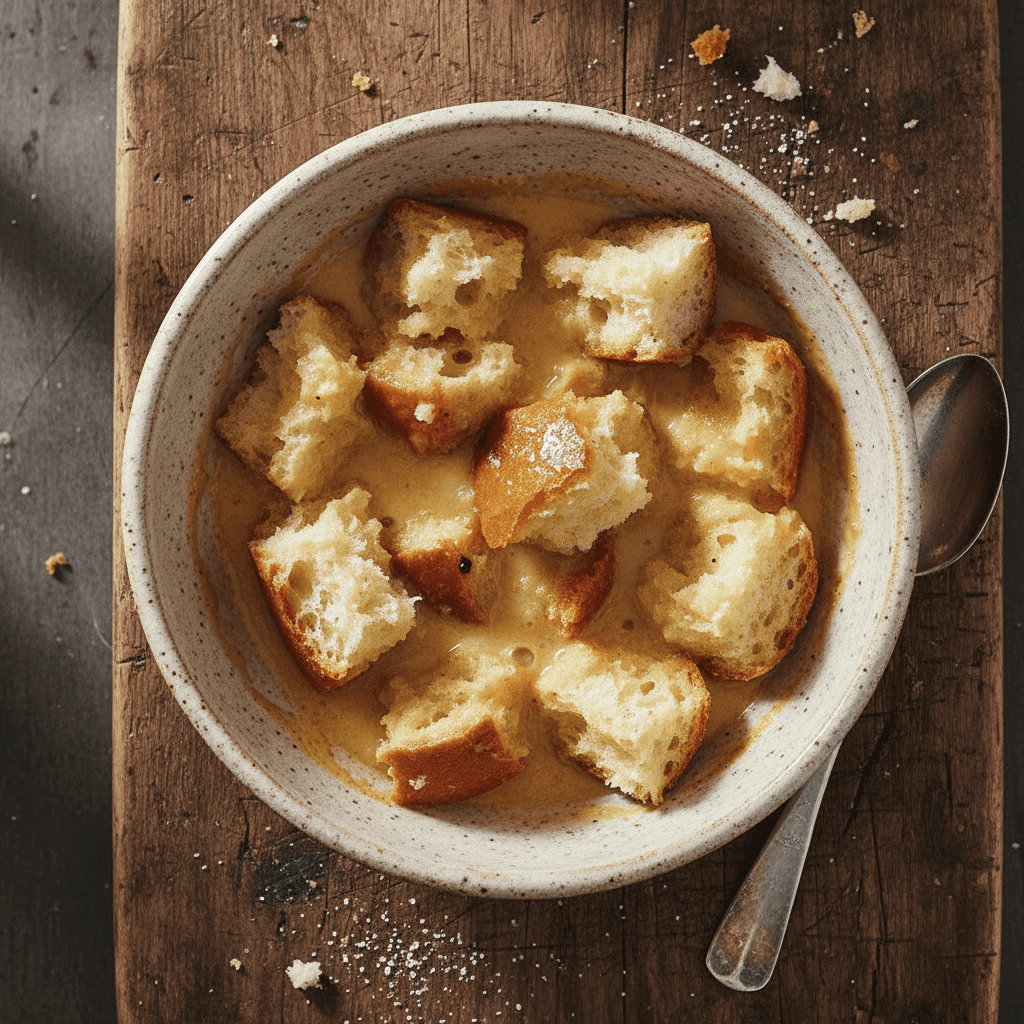
- 4 slices stale white bread or brioche — crust removed, torn into pieces. Day-old minimum.
- 1 can (12 oz) evaporated milk
- 1 can (14 oz) sweetened condensed milk
- 4 oz cream cheese, softened — the Dominican secret ingredient.
- 4 large eggs — room temperature.
- 1 teaspoon pure vanilla extract
- ½ teaspoon ground cinnamon
- 1 pinch salt
- For the caramel: 1 cup granulated sugar + 2 tablespoon water.
View on Amazon →
View on Amazon →
View on Amazon →
As an Amazon Associate I earn from qualifying purchases at no extra cost to you.
How to Make Flan de Pan Dominicano
Flan de Pan Dominicano (Dominican Bread Pudding Flan)
Ingredients
Method
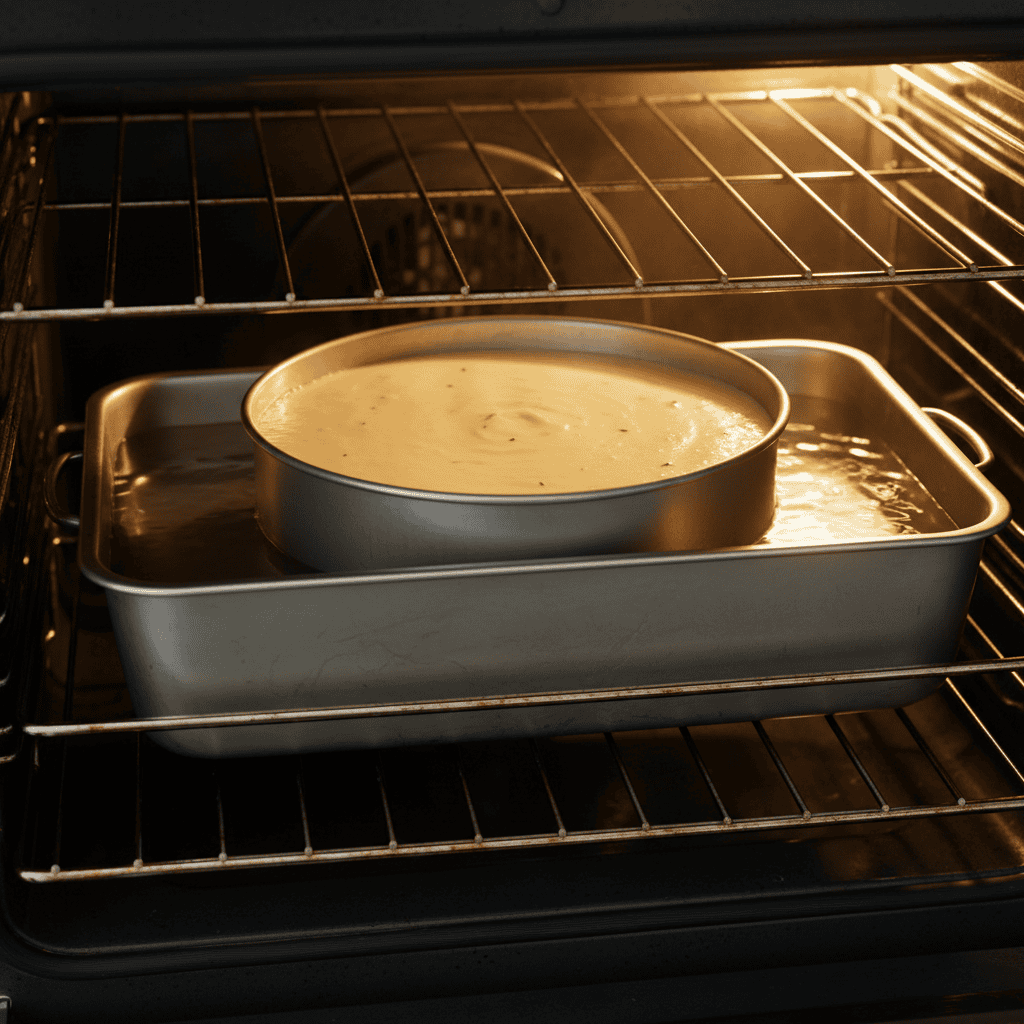
- Preheat oven to 325°F (165°C). Have a 9-inch round baking pan and a large roasting pan ready. Boil a kettle of water for the water bath.
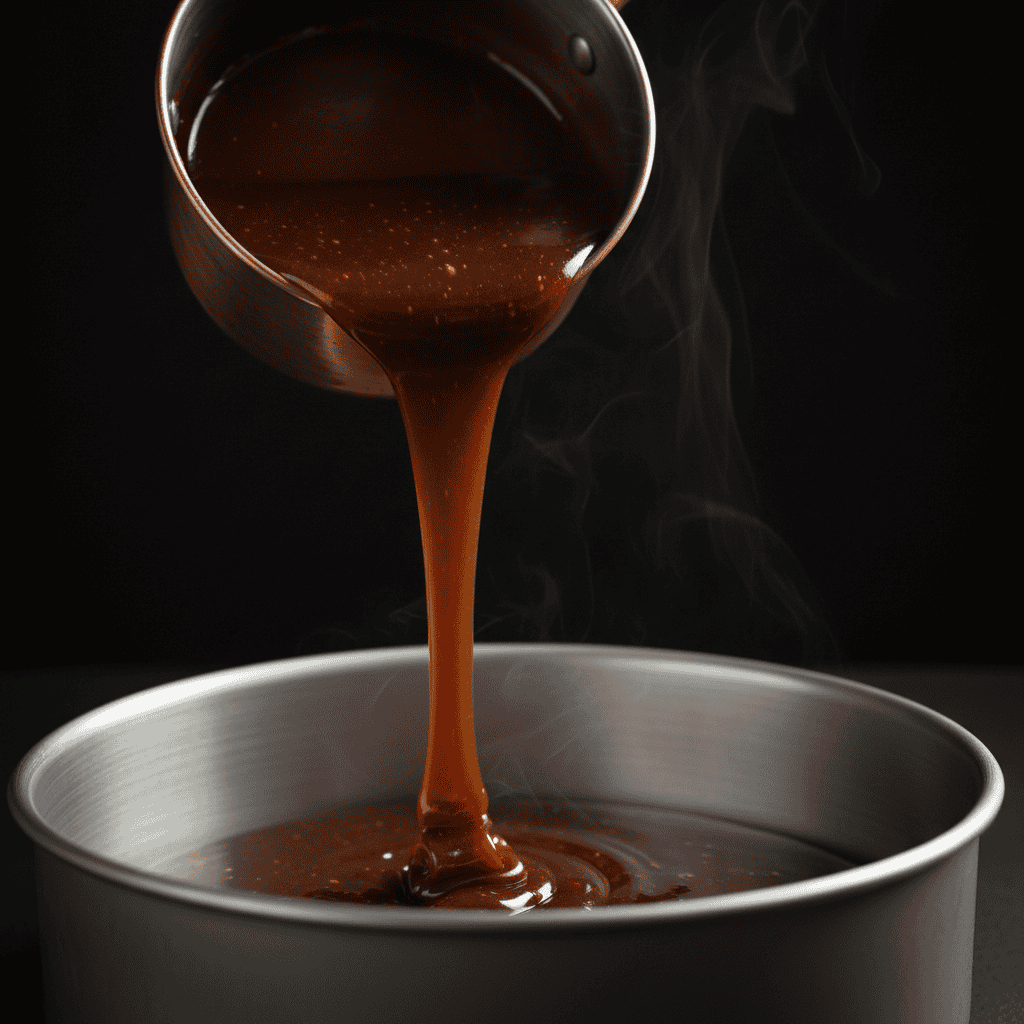
- Make the dark caramel: Melt sugar and water in a heavy saucepan over medium heat without stirring — swirl only. Cook until deep mahogany amber, 8–12 minutes. Pour into pan, tilt to coat bottom and sides. Set aside to harden.
- Soak the bread: Combine torn bread pieces with evaporated milk in a bowl. Let soak 5 minutes until the bread absorbs the milk and breaks down.
- Blend the custard: Add soaked bread mixture, condensed milk, cream cheese, eggs, vanilla, cinnamon, and salt to a blender. Blend on low 30–45 seconds until completely smooth. Do not over-blend.
- Strain and pour: Pour the custard through a fine-mesh strainer into the caramel-lined pan. Skim any foam.
- Water bath: Place pan in the roasting pan. Add boiling water halfway up the sides. Cover loosely with foil.
- Bake 60–70 minutes until edges are set and center has a slow jiggle. The bread makes this flan denser — it may look done earlier than flan de leche.
- Cool completely, then refrigerate at least 4 hours or overnight. Unmold onto a rimmed plate with confidence — one decisive flip.
Nutrition
Notes
Tried this recipe?
Let us know how it was!Pro Tips for Perfect Flan de Pan
- Stale bread only. Fresh bread releases water into the custard and makes it gummy. Day-old is the minimum — three-day-old or oven-dried is even better.
- Soften the cream cheese completely. Cold cream cheese creates lumps that won't blend smooth. Room temperature is essential. If you forgot to take it out, microwave for 15 seconds.
- Blend low, then strain. Same rules as flan de leche — blend on low, 45 seconds maximum, then strain through a fine-mesh sieve. The bread can make the custard thicker and harder to strain; be patient.
- It takes longer than flan de leche. The bread adds density that requires a longer bake — up to 70 minutes. Check at 60 and use the jiggle test. The center should wobble like firm Jell-O.
- Overnight minimum, no exceptions. Flan de pan needs time for the bread proteins to fully integrate into the custard. At 4 hours it's edible. At 12 hours it's extraordinary.
🎬 Watch: Dominican Pudín de Pan — The Bread Pudding Your Abuela Would Approve
What to Serve with Flan de Pan
- Flan de Leche Dominicano — The lighter, silkier version. Serve both at a party and let guests choose.
- Bizcocho Dominicano — Together they make the ultimate Dominican dessert table.
- Morir Soñando — The citrus-milk drink cuts through the richness of the flan beautifully.
Frequently Asked Questions
Dominican flan de pan is a rich, dense custard dessert made with stale bread blended into the custard along with cream cheese, evaporated milk, sweetened condensed milk, and eggs, topped with a dark Dominican caramel. It has a denser, more complex texture than flan de leche — somewhere between a flan and a cheesecake — and is one of the most beloved Dominican desserts.
What is the difference between flan de pan and flan de leche?Flan de leche uses only milk-based custard (evaporated milk, condensed milk, eggs) for a silkier, lighter texture. Flan de pan adds stale bread and cream cheese, creating a denser, richer custard with a slightly more complex flavor. Both use dark Dominican caramel and a water bath.
Can I use any type of bread?White sandwich bread and brioche are most common. Challah also works beautifully. Avoid sourdough or any strongly flavored bread — the tang competes with the caramel and vanilla. The bread must be stale — fresh bread makes the custard gummy and wet.
Why does my flan de pan have a gummy texture?Gummy texture is almost always caused by fresh bread (too much moisture), under-blending (bread pieces not fully incorporated), or under-baking. Make sure the bread is at least day-old, blend until completely smooth, strain the custard, and bake until only the center jiggles. A gummy flan also means it needed longer refrigeration — overnight cures many texture issues.
How long does flan de pan last?Refrigerated, covered, flan de pan keeps up to 5 days. Like flan de leche, it gets better on days 2 and 3. Do not freeze — the bread component makes the texture unpleasant after freezing and thawing.
Storage & Reheating
Refrigerator: Up to 5 days, covered. Improve on day 2 as the caramel seeps in further.
Freezer: Not recommended — the bread component degrades when frozen.
More Dominican Desserts
- Flan de Leche Dominicano — The silkier, lighter cousin.
- Bizcocho Dominicano — The Dominican birthday cake.
- Habichuelas con Dulce — The Easter Week sweet bean dessert.
Leave a Reply