
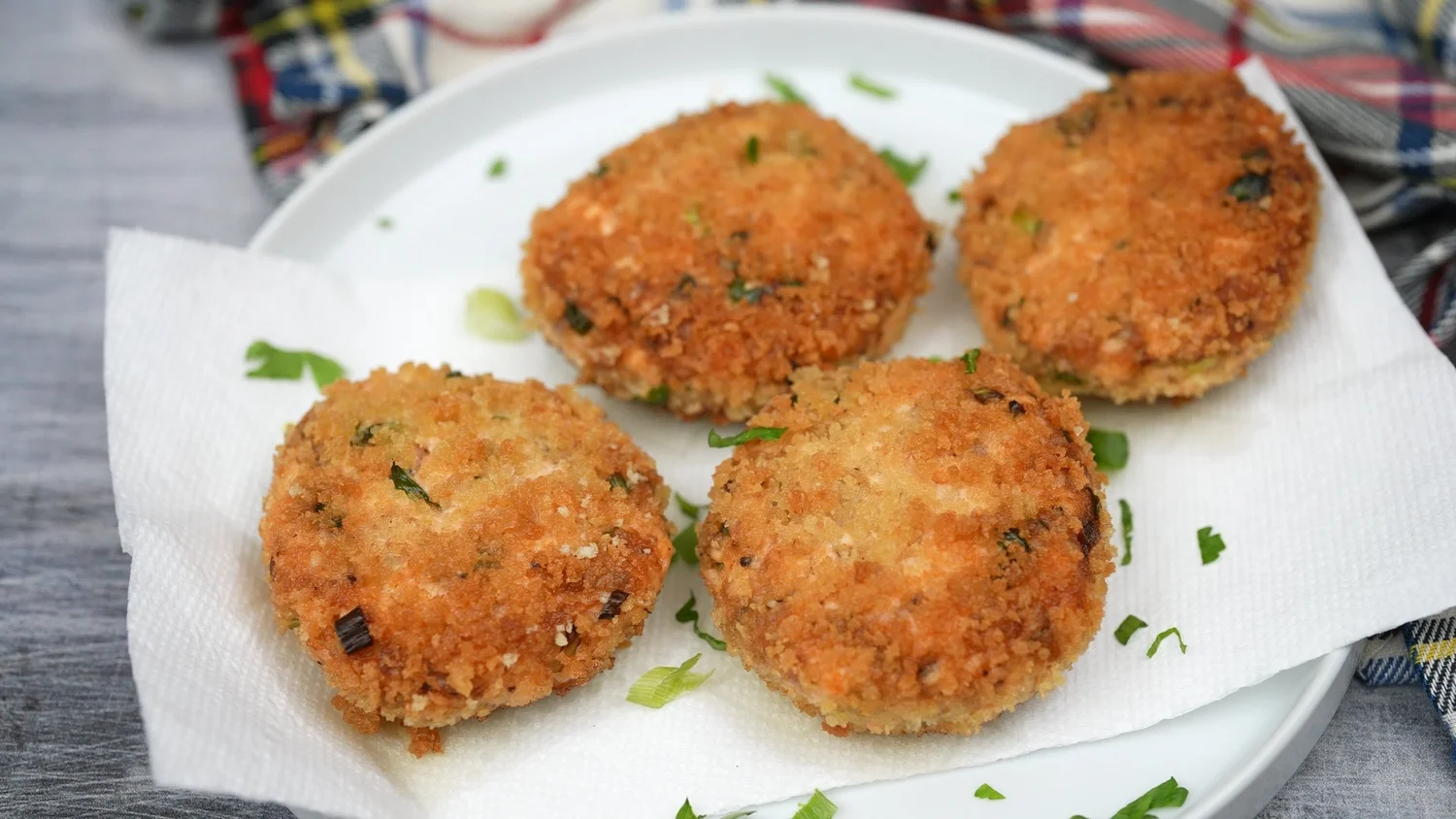
This Cajun Salmon Fishcakes is an absolute crowd-pleaser and so much easier to make than you'd think. Rich, indulgent, and perfectly sweet, it's the kind of treat that disappears fast. Get ready for everyone to ask you for the recipe!

About This Recipe
Here's something most people don't realize about Cajun fishcakes — in Louisiana's Acadian communities, families traditionally make them with whatever catch didn't sell at market, but the real secret is in the 'debris.' Old-timers save the flavorful bits that fall off during fish cleaning — those tiny pieces of meat clinging to bones — and fold them right into the mixture. This creates pockets of intensely concentrated fish flavor that you simply can't get from clean fillets alone. Each family guards their spice blend ratios religiously, but there's one constant: they always toast their spices in the same cast iron pan used for the fishcakes, building layers of flavor over generations. When you're making Cajun salmon fishcakes, you're essentially elevating this humble tradition with premium fish, but that principle of not wasting a single bit of flavor still applies — save that salmon skin and crisp it up as garnish.
Ingredients for Cajun Salmon Fishcakes
- 8 oz fresh salmon — boneless & skin-on (skin removed)
- 2 oz smoked salmon — finely chopped
- 1 tablespoon mayonnaise
- 2 tablespoons Panko breadcrumbs
- 1 small green onion — finely chopped
- 1 tablespoon fresh parsley — chopped
- 2 teaspoons lemon juice
- 1 ½ teaspoons Cajun seasoning
- ¼ teaspoon smoked paprika
- ¼ teaspoon black pepper
- ½ cup Panko breadcrumbs (for coating)
- ⅓ cup oil for frying (canola or avocado)
- ⅓ cup mayonnaise
- 1 tablespoon Dijon mustard
- 1 teaspoon hot sauce
- 1 tablespoon chopped pickles or relish
- 1 teaspoon lemon juice
- 1 garlic clove — minced
- 1 teaspoon Cajun seasoning
Substitutions & Variations
- Fresh salmon: Use fresh red snapper or mahi-mahi for a more Caribbean twist that brings a slightly firmer texture and milder flavor that pairs beautifully with the Cajun spices.
- Smoked salmon: Replace with finely diced salt cod (bacalao) that's been soaked and flaked, giving the fishcakes a distinctly Dominican flavor profile with more pronounced saltiness.
- Cajun seasoning: Substitute with sazón completo or adobo seasoning to create a Latin-Caribbean fusion that adds garlic, cumin, and annatto flavors instead of traditional Cajun heat.
- Panko breadcrumbs: Use crushed plantain chips or yuca crackers for coating to add Caribbean flair and create an extra crispy exterior with subtle sweet undertones.
- Hot sauce in aioli: Replace with scotch bonnet pepper sauce or pique criollo for an authentic Caribbean heat that's more fruity and intense than standard hot sauce.
- Dijon mustard: Swap for a tablespoon of sofrito to infuse the aioli with cilantro, peppers, and garlic flavors that complement Caribbean seafood dishes perfectly.
How to Make Cajun Salmon Fishcakes
- Place the salmon skin-side down on a cutting board. Run a sharp knife between the flesh and the skin, keeping the blade flat and pulling the skin gently as you slice.
- Cut the fresh salmon into 1-inch chunks. Add to a food processor and pulse a few times until coarsely chopped—do not puree. Finely chop the smoked salmon by hand.
- In a mixing bowl, combine mayonnaise, breadcrumbs, green onion, parsley, lemon juice, Cajun seasoning, smoked paprika, and black pepper. Add both the fresh and smoked salmon and gently mix until just combined.
- Divide the mixture into four equal portions and shape into 1-inch thick patties. Coat each patty in the remaining Panko breadcrumbs.
- Heat oil in a nonstick skillet over medium-high heat (target temperature: 350°F). Once the oil is shimmering, add the fishcakes and fry for 2–3 minutes per side, or until golden brown and internal temperature reaches 145°F. Transfer to a paper towel-lined plate.
- In a small bowl, mix mayonnaise, Dijon mustard, hot sauce, lemon juice, garlic, relish, and Cajun seasoning. Stir well and refrigerate until ready to serve.
- Plate the fishcakes with a generous spoon of remoulade and garnish with parsley and lemon wedges.
What to Serve With Cajun Salmon Fishcakes
These fishcakes shine alongside a crisp jicama and mango slaw that cuts through the rich, spiced salmon with tropical brightness. The cool crunch provides the perfect textural contrast to the warm, tender cakes, while the citrusy sweetness balances out that bold Cajun heat.
For something more substantial, serve these over coconut rice with black beans – the creamy rice mellows the spice while the earthy beans add protein and depth. This combination reminds me of home, where we'd pair any spiced seafood with rice and beans for a complete, satisfying meal.
My cilantro-lime crema makes an incredible sauce for these fishcakes, bringing that cooling herbal note that plays beautifully against the smoky Cajun spices. Just a dollop on each cake transforms them into restaurant-quality bites that'll have your guests asking for the recipe.
Frequently Asked Questions
1. Can I use canned salmon for Cajun fishcakes?
Yes, canned salmon works perfectly and is actually traditional for fishcakes. Drain it well and remove any skin and large bones before mixing into the batter.
2. What holds salmon fishcakes together?
A combination of egg, breadcrumbs, and mayo acts as the binder. If the mixture feels too wet, add more breadcrumbs a tablespoon at a time until it holds shape.
3. What is in Cajun seasoning?
Paprika, cayenne pepper, garlic powder, onion powder, oregano, thyme, black pepper, and salt. You can buy a pre-made blend or mix your own to control the heat level.
4. How do I get fishcakes crispy on the outside?
Refrigerate the formed patties for 30 minutes before cooking to firm them up. Cook in a hot skillet with oil over medium-high heat, flipping only once.
5. Can I bake Cajun salmon fishcakes instead of pan-frying?
Yes, place on a greased baking sheet and bake at 400°F for 12-15 minutes per side. Brush with oil before baking for a crispier exterior.
6. What sauce goes best with Cajun salmon fishcakes?
Remoulade sauce is the classic Cajun pairing — mix mayo, Dijon mustard, capers, lemon juice, and hot sauce. Tartar sauce or a lemon-dill aioli also work great.
7. Can I use fresh salmon instead of canned?
Yes, bake or poach fresh salmon fillets first, then flake with a fork. Fresh salmon gives a more delicate texture and cleaner flavor.
8. How far ahead can I make the fishcake mixture?
Mix and shape the patties up to 24 hours ahead. Refrigerate on a parchment-lined tray covered with plastic wrap. The resting time actually helps them hold together better.
9. Can I freeze uncooked salmon fishcakes?
Yes, freeze shaped patties on a baking sheet until solid, then stack in a freezer bag with parchment between layers. Cook from frozen adding 3-4 minutes per side.
10. What should I serve with Cajun fishcakes?
A fresh coleslaw, roasted vegetables, a simple side salad, or over mixed greens with remoulade dressing makes a complete meal.
Cajun Salmon Fishcakes Video
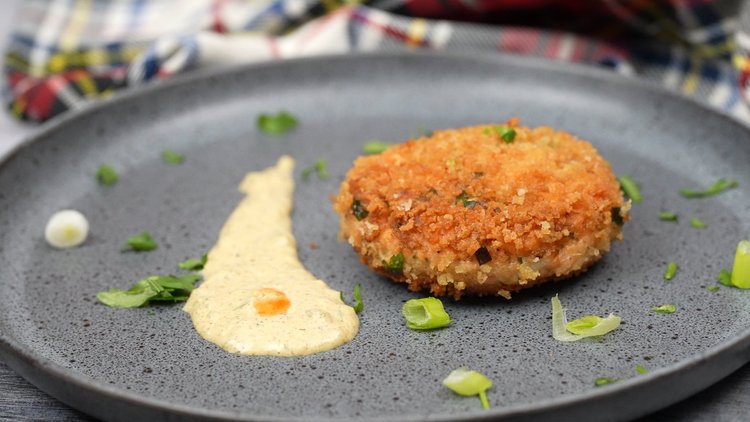
Cajun Salmon Fishcakes
Ingredients
Method
- Place the salmon skin-side down on a cutting board. Run a sharp knife between the flesh and the skin, keeping the blade flat and pulling the skin gently as you slice.
- Cut the fresh salmon into 1-inch chunks. Add to a food processor and pulse a few times until coarsely chopped—do not puree. Finely chop the smoked salmon by hand.
- In a mixing bowl, combine mayonnaise, breadcrumbs, green onion, parsley, lemon juice, Cajun seasoning, smoked paprika, and black pepper. Add both the fresh and smoked salmon and gently mix until just combined.
- Divide the mixture into four equal portions and shape into 1-inch thick patties. Coat each patty in the remaining Panko breadcrumbs.
- Heat oil in a nonstick skillet over medium-high heat (target temperature: 350°F). Once the oil is shimmering, add the fishcakes and fry for 2–3 minutes per side, or until golden brown and internal temperature reaches 145°F. Transfer to a paper towel-lined plate.
- In a small bowl, mix mayonnaise, Dijon mustard, hot sauce, lemon juice, garlic, relish, and Cajun seasoning. Stir well and refrigerate until ready to serve.
- Plate the fishcakes with a generous spoon of remoulade and garnish with parsley and lemon wedges.
Nutrition
Notes
Choose skin-on salmon because you can render the skin separately for crispy garnish, and the oils from the skin enrich the fishcake mixture even after you remove it — plus those oils carry the Cajun spices better than lean fish. After making these countless times, I've learned to slightly undercook the salmon initially because it continues cooking when you pan-fry the formed cakes — this prevents the dreaded dry, chalky texture that ruins most homemade fishcakes. Toast your Cajun spices in a dry pan for 30 seconds before adding to the mixture because raw spice powder tastes harsh and dusty, while toasted spices become aromatic and integrate seamlessly with the salmon's natural oils. Chill the formed fishcakes for exactly 15 minutes before frying because this firms up the mixture just enough to hold together without making them dense — any longer and they become tough, any shorter and they'll fall apart in the pan.
Tried this recipe?
Let us know how it was!Filed Under
You May Also Like
Never Miss a Recipe
Get Kelvin's latest Dominican & Caribbean recipes straight to your inbox — free.
Leave a Reply