
Disclosure: This post contains affiliate links. As an Amazon Associate I earn from qualifying purchases at no extra cost to you.
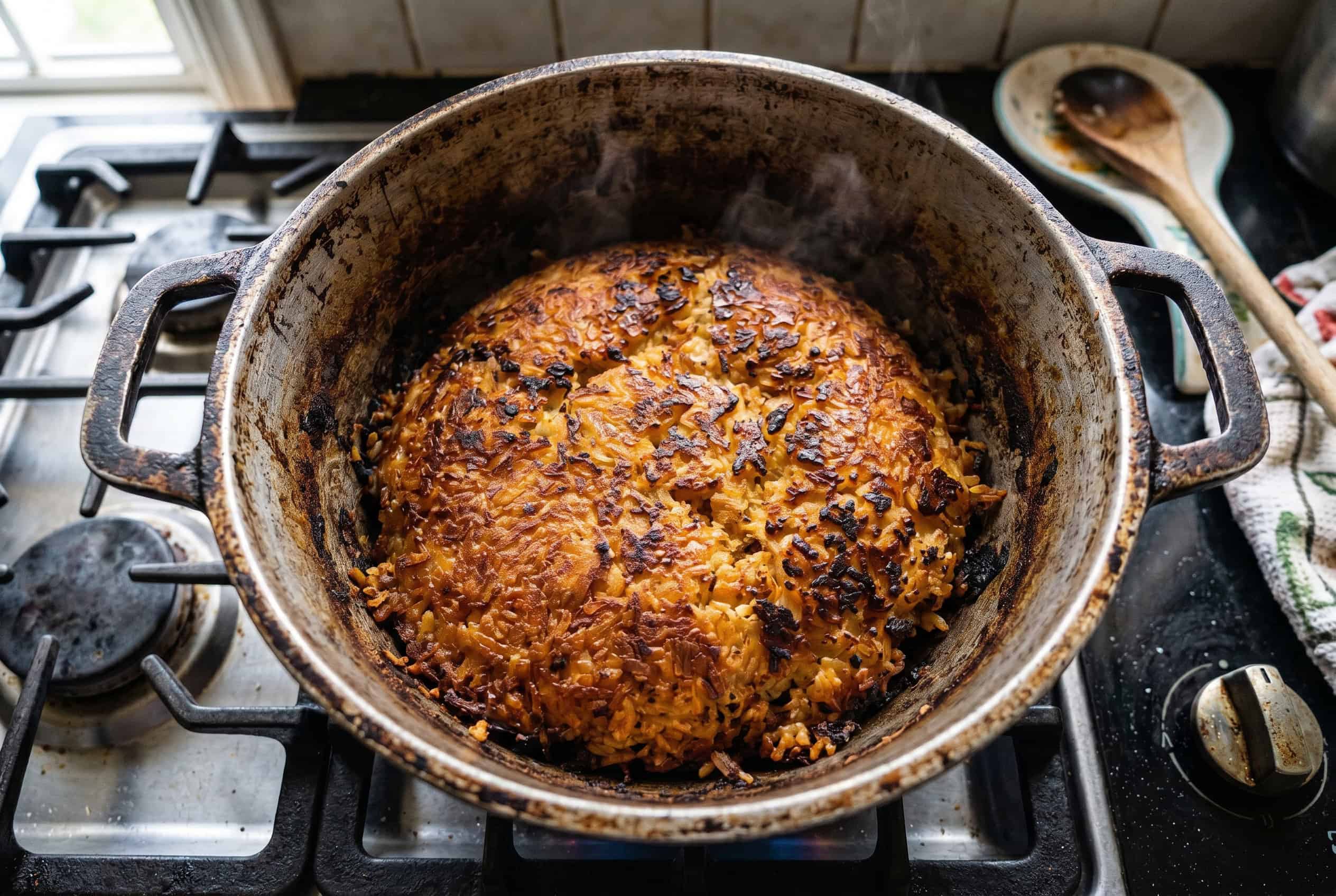
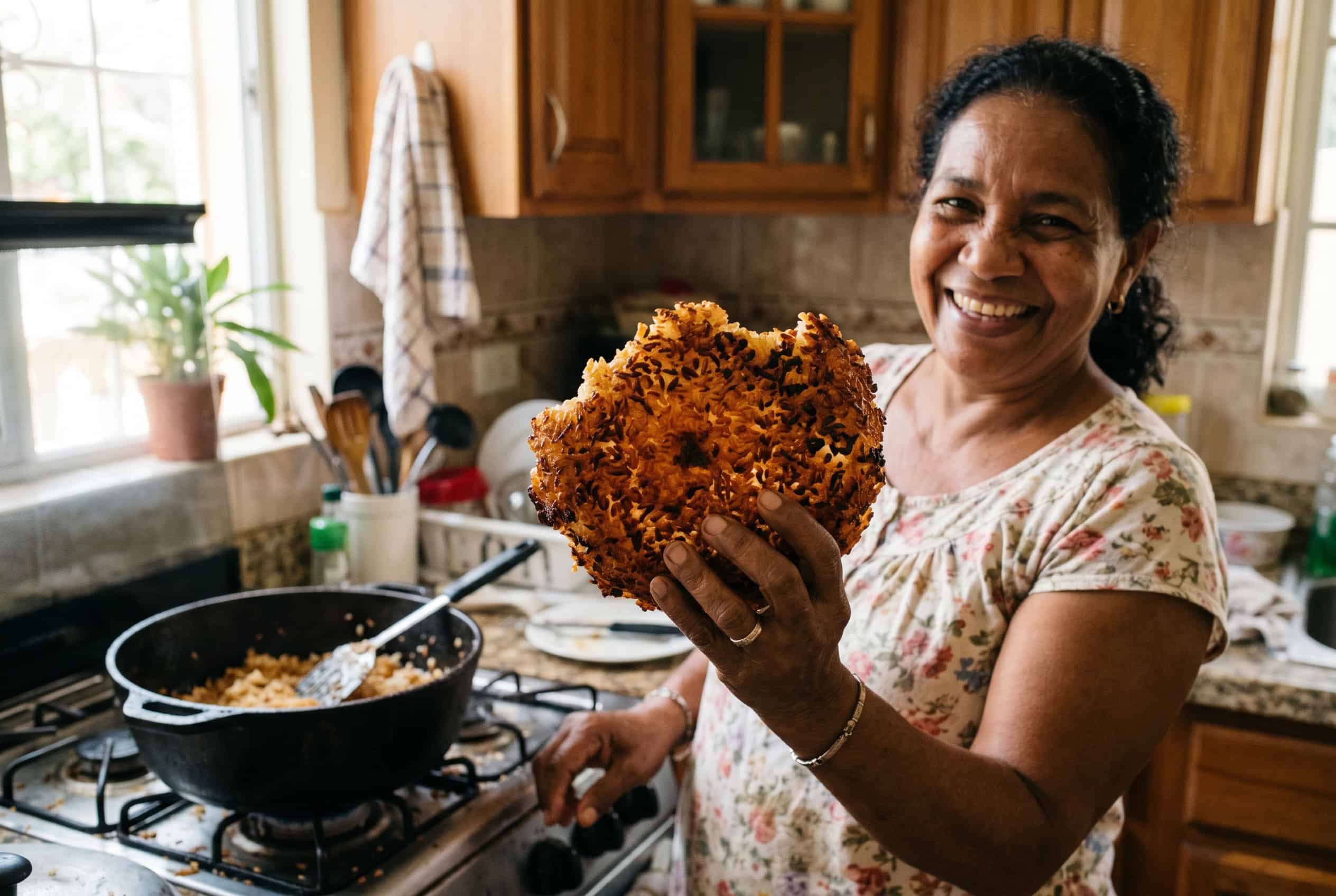
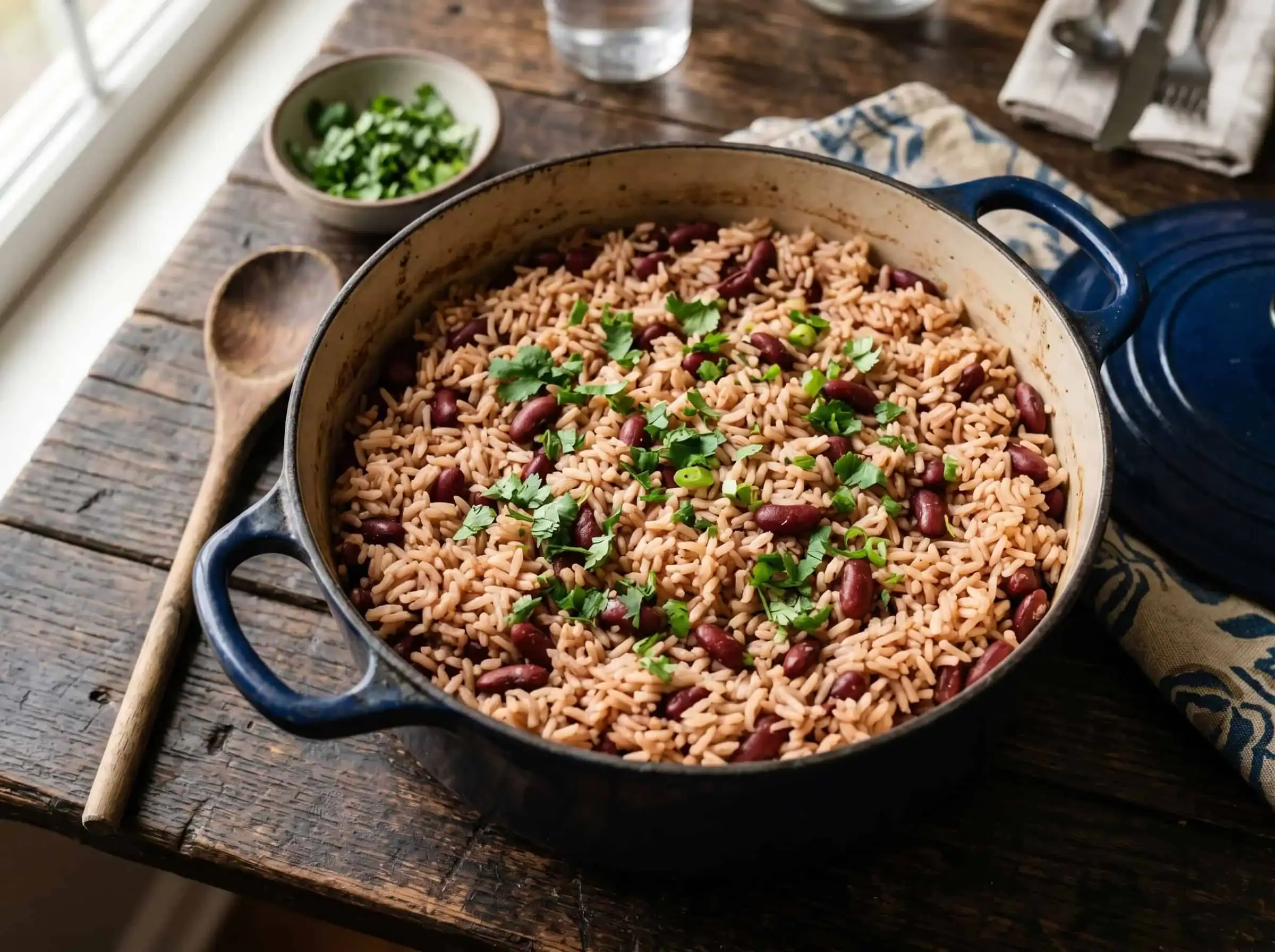
Concon Dominicano is one of the most beloved and distinctly Dominican things in existence — the golden, crispy, caramelized crust of rice that forms at the bottom of the pot during the final minutes of cooking. Every Dominican who has ever cooked rice knows the anticipation of scraping up the concon: that satisfying crackling sound, the shards of amber-golden crispy rice that are simultaneously crunchy, savory, and slightly nutty.
While the world has recently discovered "crispy rice" through TikTok trends and Japanese and Korean culinary traditions, Dominicans have been intentionally cultivating their pot's bottom crust for generations. The concon — also called pegao in other Caribbean and Latin American traditions — is not a mistake or an accident. It's the goal. Every experienced Dominican cook knows how to listen for the moment the water evaporates and the subtle sizzle begins that signals the crust is forming.
The technique is simple but requires confidence: after the rice absorbs its cooking water, you lower the heat to the absolute minimum and let the bottom of the pot slowly caramelize for 10-15 minutes. The result is worth every second of patience — shards of crispy, golden rice that make the perfect contrast to the soft fluffy rice above and the saucy habichuelas alongside it.
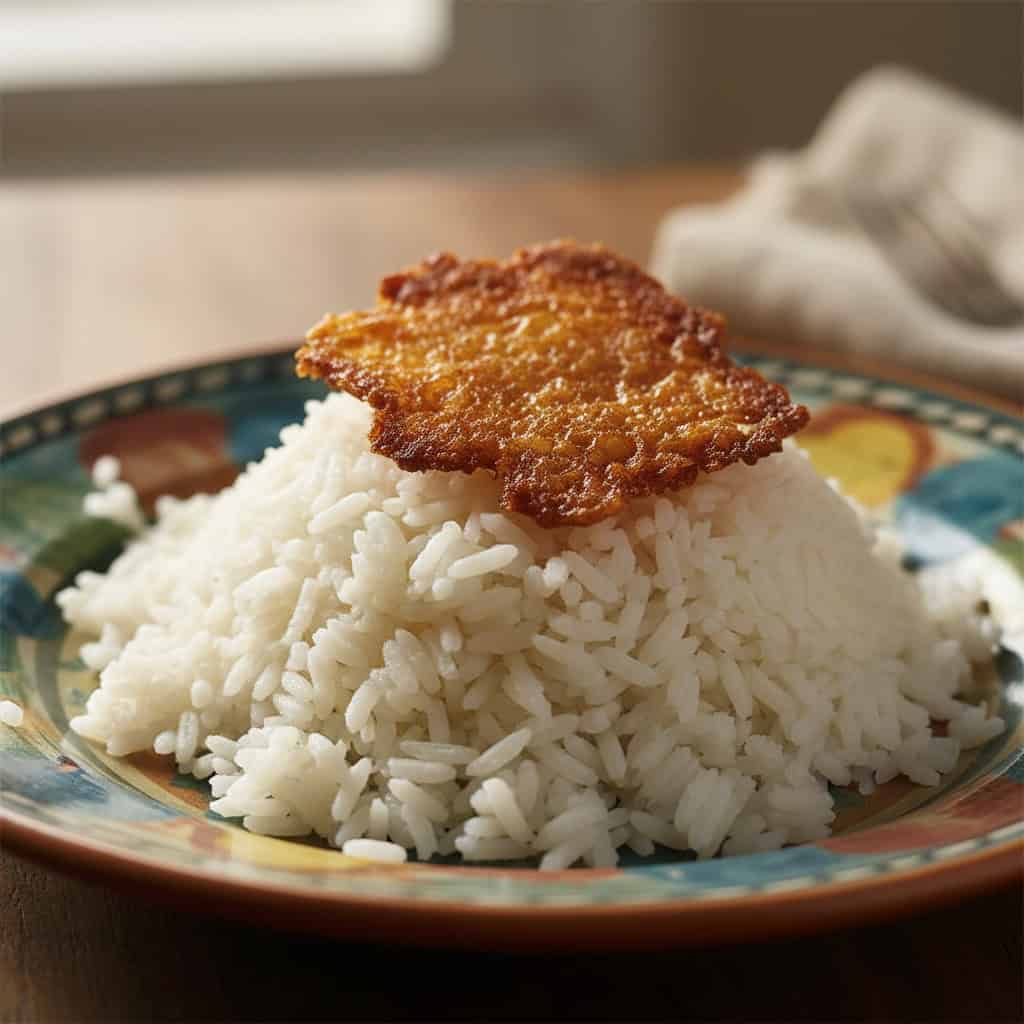
Concon is La Bandera's secret bonus course. If you're making La Bandera Dominicana, concon is what every Dominican at the table is quietly hoping for when the rice pot is uncovered.
🧠 Did You Know?
- Crispy rice bottom traditions exist across many cultures simultaneously — Dominican concon, Persian tahdig, Korean nurungji, Spanish socarrat in paella, and West African party rice all celebrate the same phenomenon through completely independent culinary evolution.
- The Maillard reaction and caramelization are both responsible for concon's flavor — the moisture in the rice evaporates, the starch on the bottom begins to caramelize, and the amino acids in the rice undergo browning reactions that create hundreds of complex flavor compounds.
- In Dominican households, 'quien se comió el concon?' (who ate the concon?) is a familiar question at the dinner table — because whoever gets there first usually takes the best pieces.

🧾 Ingredients
Full measurements are in the recipe card below.
🛒 Shop This Recipe
View on Amazon →
View on Amazon →
As an Amazon Associate I earn from qualifying purchases at no extra cost to you.
👨🍳 How to Make Concon Dominicano
Full printable recipe card with exact measurements is below.

Concon Dominicano
Ingredients
Equipment
Method
- Rinse rice thoroughly under cold water until water runs clear. Drain well.
- Cook the rice: Combine rinsed rice, water, olive oil, salt, garlic, and sazón (if using) in a heavy-bottomed pot. Bring to a rolling boil over high heat, uncovered, stirring once. Once boiling, reduce to low heat, cover tightly, and cook for 18 minutes.
- Check for absorption: After 18 minutes, lift the lid quickly — the water should be fully absorbed and the rice should look dry and fluffy on top. If water remains, cover and cook 3 more minutes.
- Form the concon: Reduce heat to the absolute lowest setting your stove allows. Keep the pot on this heat, uncovered or with the lid slightly ajar, for 10-15 minutes. You should hear a very faint, gentle sizzling from the bottom. Do not stir.
- Test: After 10 minutes, run a thin spatula along the edge of the pot. You should feel resistance and hear crackling — that's the crust. Taste a small piece from the edge. It should be golden, crispy, and slightly nutty.
- Serve: Scoop the soft rice from the top into a serving bowl. Then use a sturdy spatula to scrape the concon from the bottom of the pot. It should come up in golden shards and pieces. Serve alongside La Bandera or as a snack with salt.
Nutrition
Video
Notes
Tried this recipe?
Let us know how it was!💡 Pro Tips for Concon Dominicano
- A thin pot will burn the concon unevenly — invest in a heavy-bottomed saucepan or Dutch oven for consistent, even caramelization across the entire bottom.
- Adding a tablespoon more olive oil than you normally would helps the crust form more definitively and prevents bitter burning.
- Listen for the sizzle — after the water absorbs, a very subtle, quiet sizzle from the pot bottom means the crust is forming. Silence means nothing is happening; loud sizzling means it's burning.
- The sazón adds beautiful golden-amber color to the crust — don't skip it if you want photogenic concon.
👇 You May Also Like

🍽️ What to Serve With Concon Dominicano
- La Bandera Dominicana
- Habichuelas Guisadas
- Rabo Encendido Dominicano
- Mondongo Dominicano
- Pollo Guisado
❓ Frequently Asked Questions
Concon dominicano is the golden, crispy rice crust that forms at the bottom of the pot when Dominican white rice is cooked. It is intentionally cultivated by leaving the rice on very low heat after the water absorbs, allowing the bottom layer to slowly caramelize into a crunchy, nutty, golden slab. It is considered a prized treat in Dominican households.
Is concon the same as pegao?Yes — concon and pegao are the same thing referred to by different names across the Dominican Republic and Caribbean. 'Pegao' (from pegar, 'to stick') is the term used more in Puerto Rico and parts of the Dominican Republic. 'Concon' is the distinctly Dominican name for the pot-bottom crispy rice. The Persian equivalent is tahdig, the Korean version is nurungji, and the Spanish version from paella is socarrat.
Why isn't my concon forming?Three most common reasons: (1) Heat is too low — you need the lowest possible heat that still produces a faint sizzle. (2) Not enough oil — add an extra tablespoon of olive oil to help the crust form. (3) Pot is too thin — a thin-bottomed pot doesn't distribute heat evenly enough to form a uniform crust.
Can concon burn?Yes — the line between perfect golden concon and burnt rice is about 5 minutes and the difference between low and medium-low heat. Watch for a gentle sizzle (good) versus a rapid frying sound (too hot). Burnt concon tastes bitter and acrid; perfectly done concon is nutty and sweet.
How do you scrape out the concon without breaking it?Let the pot cool for 2-3 minutes after removing from heat, then use a sturdy metal spatula (not silicone — it flexes too much) to work around the edges first, then scrape inward. The concon often comes up in large satisfying shards. Don't rush it.
Can you make concon in a rice cooker?Most rice cookers are specifically designed to prevent scorching, so they won't naturally form concon. Some newer rice cookers have a 'crispy rice' or 'scorched rice' setting. For traditional concon, stovetop cooking in a heavy pot is the only reliable method.
Is concon healthy?Concon is plain rice that has been caramelized — it has the same macronutrient profile as white rice with slightly more olive oil. It is not a health food in a strict sense, but it is a whole, simple food with no additives. The caramelization does not create harmful compounds at the low temperatures used.
🥡 Storage & Reheating
Concon is best eaten immediately while still crispy. It loses its crunch within hours as moisture from the surrounding food softens it. Leftover concon can be re-crisped in an air fryer at 375°F for 3-4 minutes or in a dry skillet over medium heat. It keeps in an airtight container at room temperature for 1 day.


Leave a Reply