
The One-Pot Rice Dish Every Dominican Household Knows by Heart
If you grew up in a Dominican household, moro de habichuelas rojas was not something you learned from a recipe card. It was something you absorbed. You watched your mother or your abuela stand over the stove, stirring rice and red beans in a heavy pot until the kitchen filled with the deep, savory aroma of sofrito, sazón, and oregano. That smell is burned into my memory just as much as any photograph from my childhood in Santo Domingo.
When my family moved to New York City, that pot of moro came with us. It did not matter that our kitchen was smaller or that the bodega down the block carried slightly different brands of tomato sauce. The ritual stayed the same: soak or open the beans, build the sofrito, toast the rice, and let everything come together low and slow. My mom made moro de habichuelas rojas at least twice a week, and nobody ever complained about the repetition. Now that I live in Pennsylvania with my own family, I make it just as often, and it still feels like the most comforting meal I know how to cook.
This recipe is my version of that family staple, tested and refined over years of cooking it in my own kitchen. I have written it so that anyone, whether you are Dominican, Caribbean-curious, or simply looking for a satisfying one-pot rice dish, can follow along and get perfect results the first time. Every measurement is here, every timing note, every little trick that turns a good moro into a great one. Let's cook.
Why You'll Love This Recipe
- True one-pot cooking. Rice, beans, sofrito, and seasoning all cook together in a single Dutch oven or caldero. One pot to wash, maximum flavor.
- Budget-friendly and filling. A batch feeds six to eight people for just a few dollars in ingredients. Red kidney beans and long-grain rice are pantry staples that stretch effortlessly.
- Ready in under an hour. From chopping the sofrito to lifting the lid on perfectly cooked rice, you are looking at about 45 minutes of mostly hands-off time.
- Deeply seasoned without being spicy. Dominican cooking builds layers of flavor through sazón, adobo, garlic, and herbs rather than heat. This is comfort food everyone at the table can enjoy.
- Endlessly adaptable. Swap the protein, change the bean, add coconut milk. The technique stays the same, and the variations section below will show you how.
What Is Moro de Habichuelas Rojas?
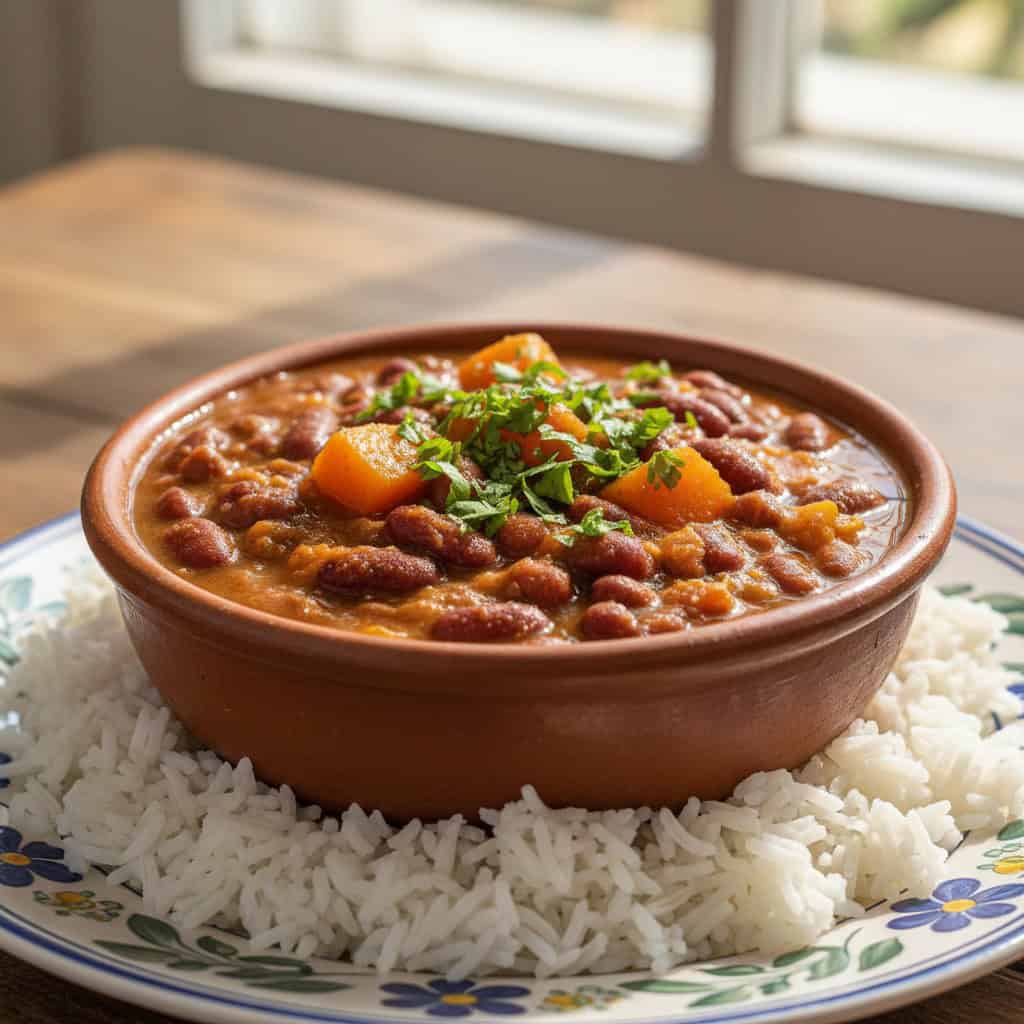
Moro de habichuelas rojas is a Dominican one-pot rice and bean dish in which long-grain white rice is cooked directly in seasoned red kidney bean liquid. The word "moro" (sometimes spelled "morro") comes from "Moros y Cristianos," the broader Caribbean and Latin American tradition of combining rice and beans. In the Dominican Republic, moro specifically means the rice and beans are cooked together in the same pot, absorbing all of that rich, starchy bean broth. This is what separates moro from La Bandera Dominicana, the iconic Dominican plate where plain white rice is served alongside a separate pot of stewed beans called habichuelas guisadas. In La Bandera, the rice and beans meet on the plate. In moro, they become one.
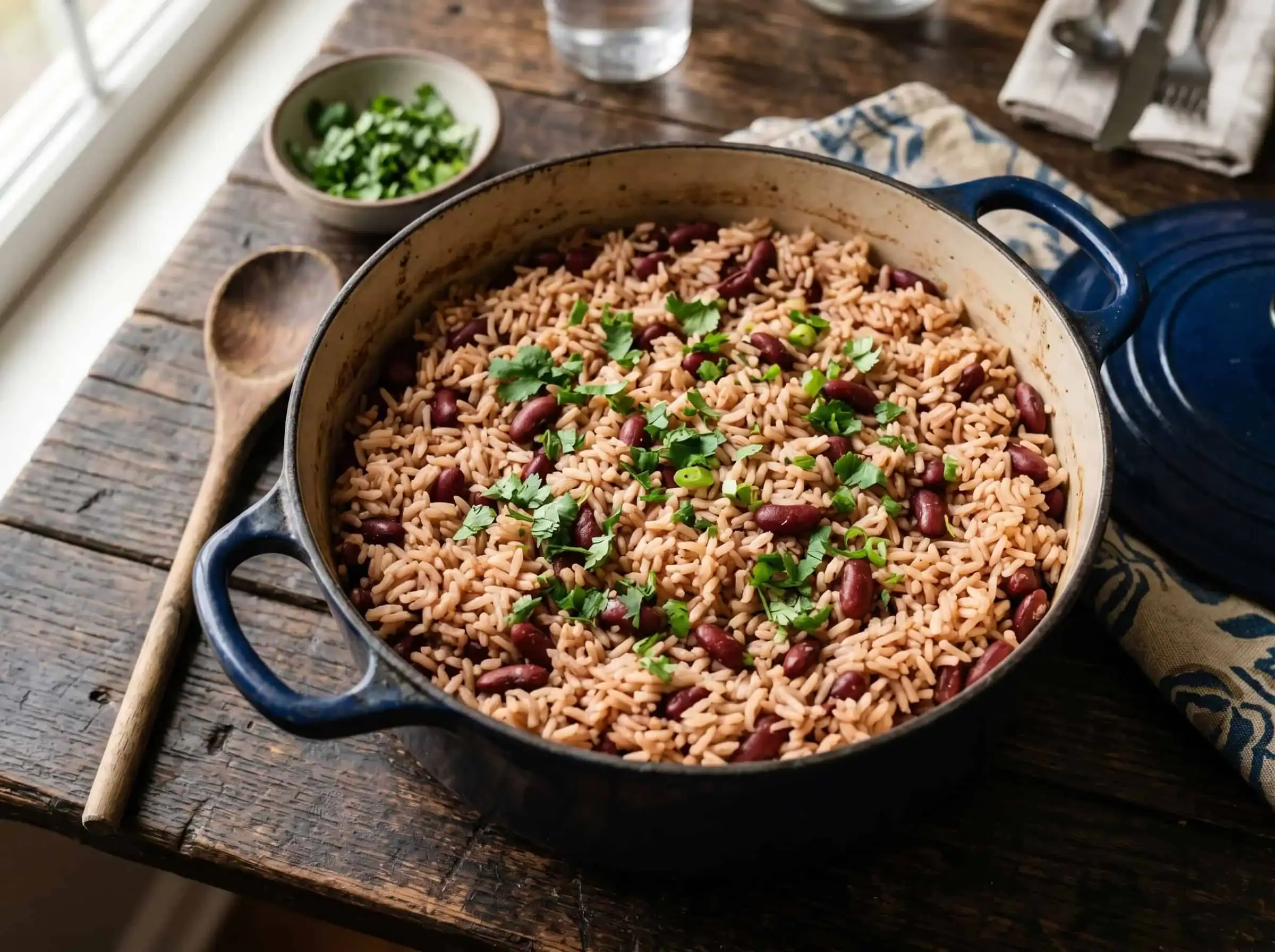
The flavor base is a classic Dominican sofrito: finely diced onion, garlic, bell pepper, and sometimes ají cubanela, all sautéed in olive oil until soft and fragrant. Tomato sauce, sazón packets, adobo seasoning, and dried oregano add color and depth. The rice goes in raw, gets toasted briefly in the sofrito, and then the bean liquid and stock are poured over. Everything simmers together, covered, until the rice is fluffy and each grain is tinted a warm, rosy hue from the beans and tomato.
The result is a dish that is simultaneously simple and complex: simple because there is nothing fussy about the technique, complex because the layered seasoning gives every forkful a depth that plain white rice simply cannot match. It is the kind of dish that tastes even better the next day, when the flavors have had time to marry overnight in the refrigerator.
Moro in Dominican Culture
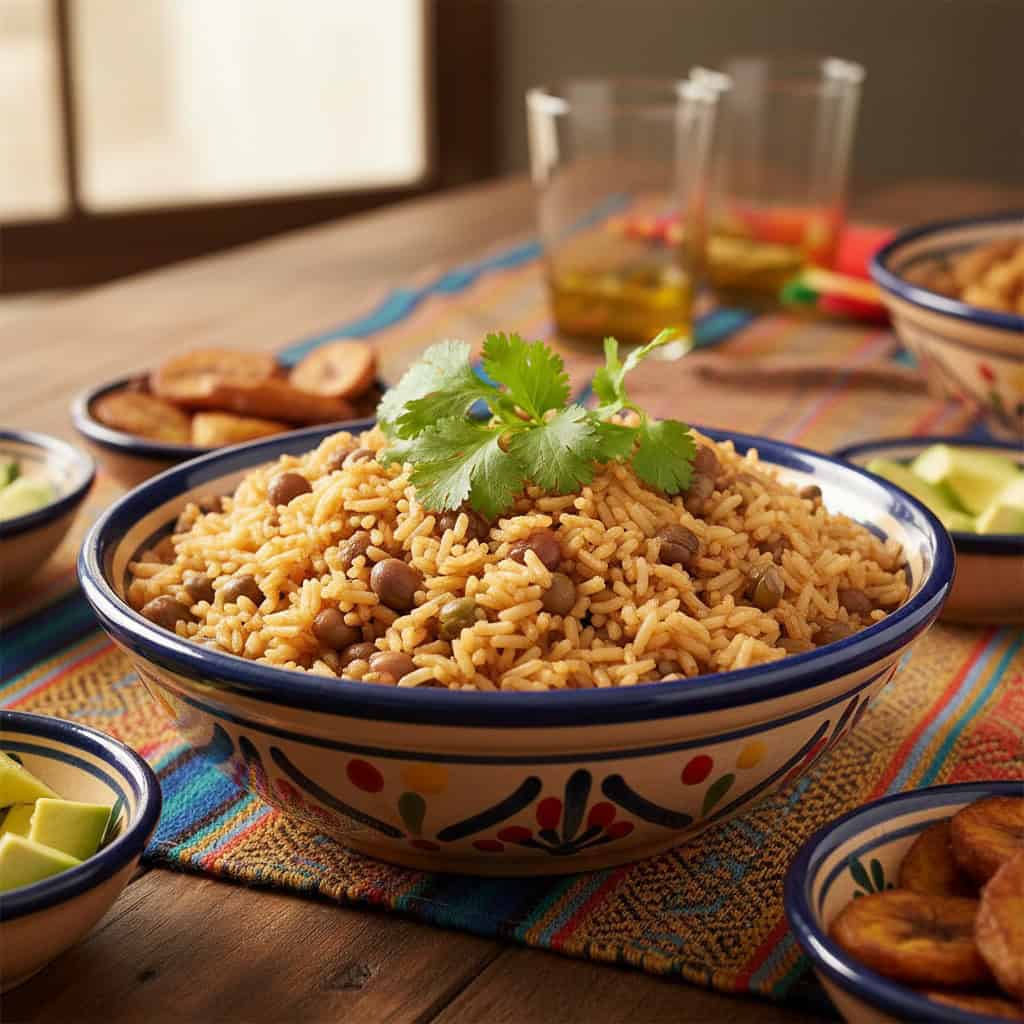
Moro is arguably the most frequently eaten rice dish in the Dominican Republic. While La Bandera gets the ceremonial spotlight as the "national plate," moro is what most Dominican families actually cook on a Tuesday night when they want something hearty and fast. It is weeknight food, lunchbox food, the dish that shows up at every family gathering alongside a platter of meat and a bowl of ensalada verde. The most popular versions are moro de habichuelas rojas (red kidney beans) and moro de guandules (pigeon peas). The red bean version tends to be the everyday staple, while the pigeon pea version is more closely associated with holidays and celebrations, though that line blurs depending on the family and the region.
What makes moro special is its versatility. It can be a main course on its own, a side dish next to pollo guisado or pernil, or the base of a plato del día at a comedor on any street corner in Santo Domingo. It scales up effortlessly for a crowd and reheats beautifully. In my house growing up, leftover moro was sometimes fried in a skillet the next morning with a little oil until the bottom got crispy, turning it into a kind of impromptu rice cake that we ate with eggs. That tradition continues in my kitchen today, and my kids love it just as much as I did.
Ingredients You'll Need
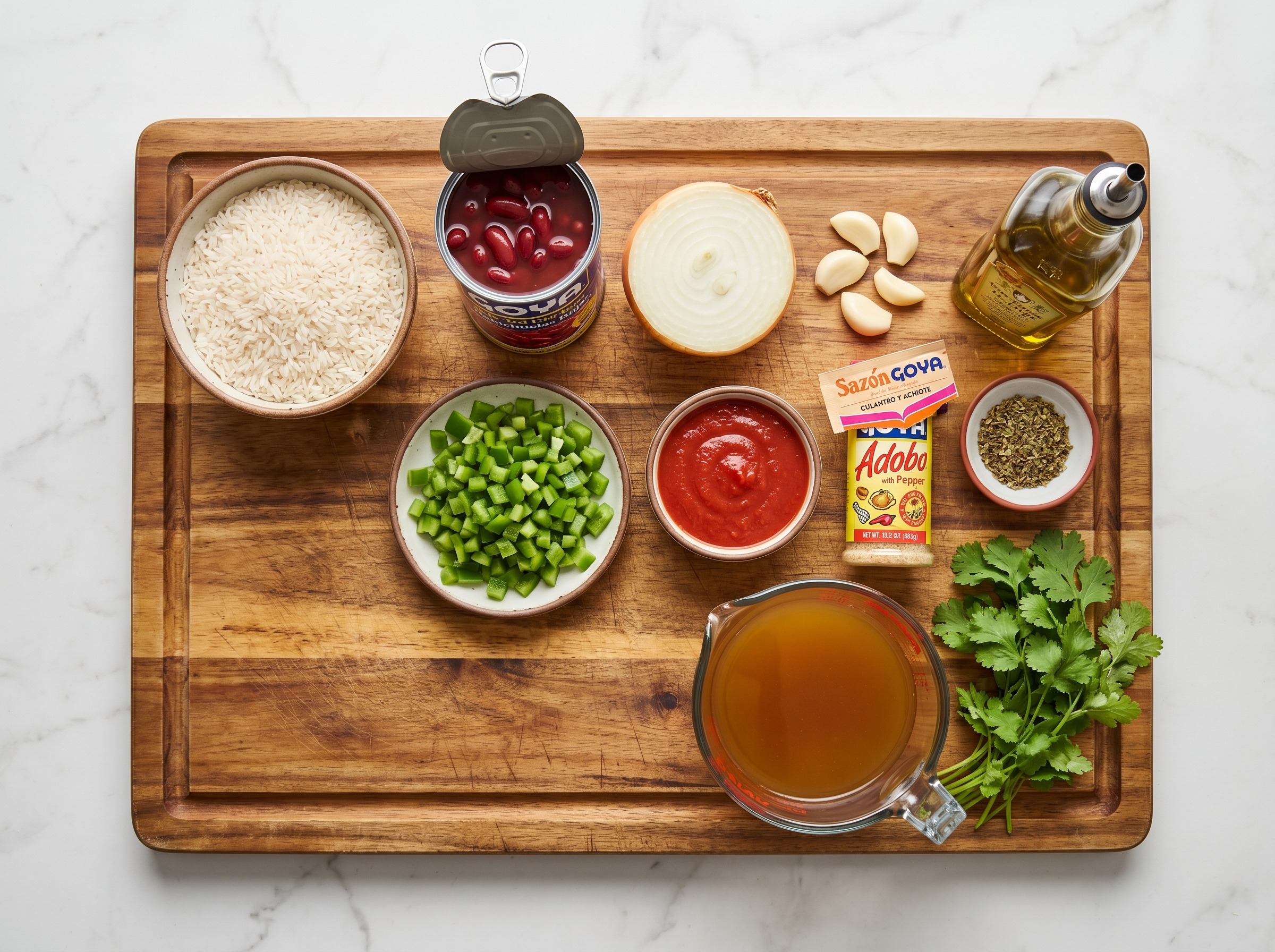
- 2 tablespoons olive oil — Extra-virgin works well here. Some cooks use vegetable oil, but olive oil adds a subtle richness.
- 1 medium yellow onion, finely diced — The aromatic backbone of the sofrito.
- 4 cloves garlic, minced — Dominican cooking is generous with garlic. Do not be shy.
- 1 medium green bell pepper, finely diced — Ají cubanela is traditional if you can find it; green bell pepper is a perfect substitute.
- ½ cup tomato sauce — Plain tomato sauce, not pasta sauce. Goya or Hunt's both work perfectly.
- 1 packet sazón con culantro y achiote — This adds the signature golden color and savory depth. Goya brand is widely available.
- 1 teaspoon adobo seasoning — The all-purpose Dominican seasoning blend. Use adobo con pimienta for a touch of warmth.
- 1 teaspoon dried oregano — Crush it between your fingers as you add it to release the oils.
- 1 can (15.5 oz) red kidney beans, undrained — Do not drain the beans. The starchy liquid is essential for flavor and color. You can also use 1 ½ cups home-cooked beans with their cooking liquid.
- 2 cups long-grain white rice — Rinsed until the water runs mostly clear. This removes excess starch and prevents gummy rice.
- 2 ½ cups chicken stock (or vegetable stock) — Low-sodium is best so you can control the salt. Use vegetable stock for a vegetarian version.
- 2 tablespoons fresh cilantro, chopped — Stirred in at the end and used as garnish. Adds brightness.
- Salt to taste — Between the adobo, sazón, and stock, you may not need much additional salt. Taste before adding.
Equipment
The most important piece of equipment for moro is a heavy-bottomed pot with a tight-fitting lid. A traditional Dominican caldero is ideal, but a Lodge enameled cast iron Dutch oven works beautifully and is what I use in my kitchen every week. The heavy bottom distributes heat evenly and helps develop that coveted concón (crispy rice crust) on the bottom. You will also want a wooden spoon for stirring and a fork for fluffing the finished rice.
Step-by-Step Instructions
Step 1: Rinse the Rice
Place 2 cups of long-grain white rice in a fine-mesh strainer and rinse under cold running water, swirling the rice with your hand. Continue rinsing until the water flowing through is mostly clear, about 1 to 2 minutes. This step removes surface starch and is the single most important thing you can do to ensure fluffy, separated grains. Shake off the excess water and set the rice aside.
Step 2: Build the Sofrito
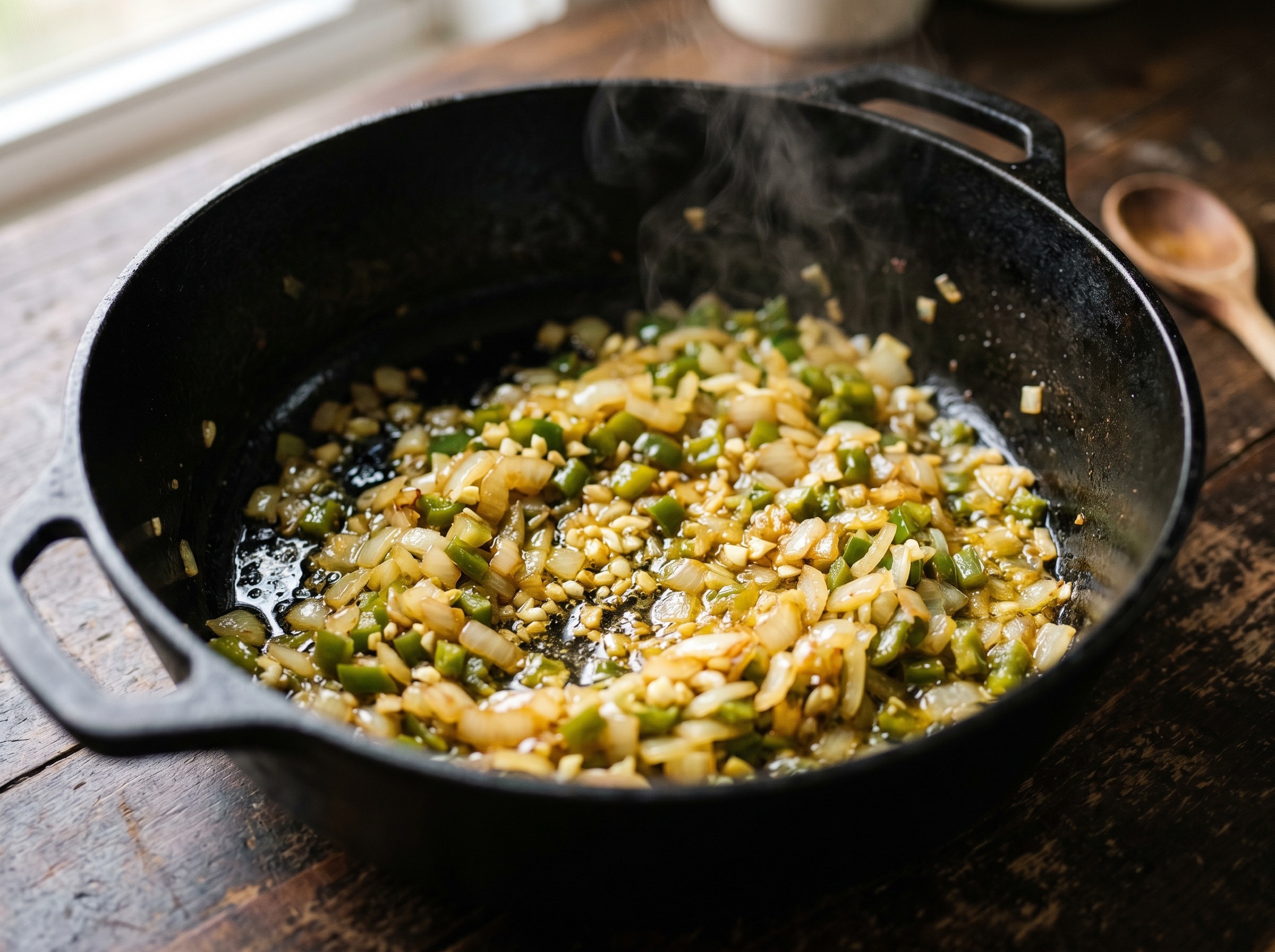
Heat 2 tablespoons of olive oil in a large Dutch oven or caldero over medium heat. Add the diced onion, green bell pepper, and minced garlic. Sauté for 4 to 5 minutes, stirring occasionally, until the vegetables are soft, fragrant, and just starting to turn translucent. This is your sofrito, the flavor foundation of the entire dish. Do not rush this step; let the aromatics do their work.
Step 3: Add the Seasonings and Tomato Sauce
Stir in the tomato sauce, sazón packet, adobo seasoning, and dried oregano. Cook for 1 to 2 minutes, stirring constantly, until the tomato sauce darkens slightly and the spices bloom in the oil. You will notice the color deepen to a warm orange-red. This is the moment the dish starts to smell unmistakably Dominican.
Step 4: Add the Beans and Toast the Rice
Pour in the entire can of red kidney beans, liquid included. Stir to combine and let the mixture simmer for 2 minutes so the beans absorb some of the sofrito flavor. Now add the rinsed rice. Stir everything together thoroughly so each grain of rice is coated in the seasoned bean mixture. Let the rice toast in the pot for about 1 minute, stirring gently. This brief toasting step helps the grains hold their shape during cooking.
Step 5: Add the Stock and Bring to a Boil
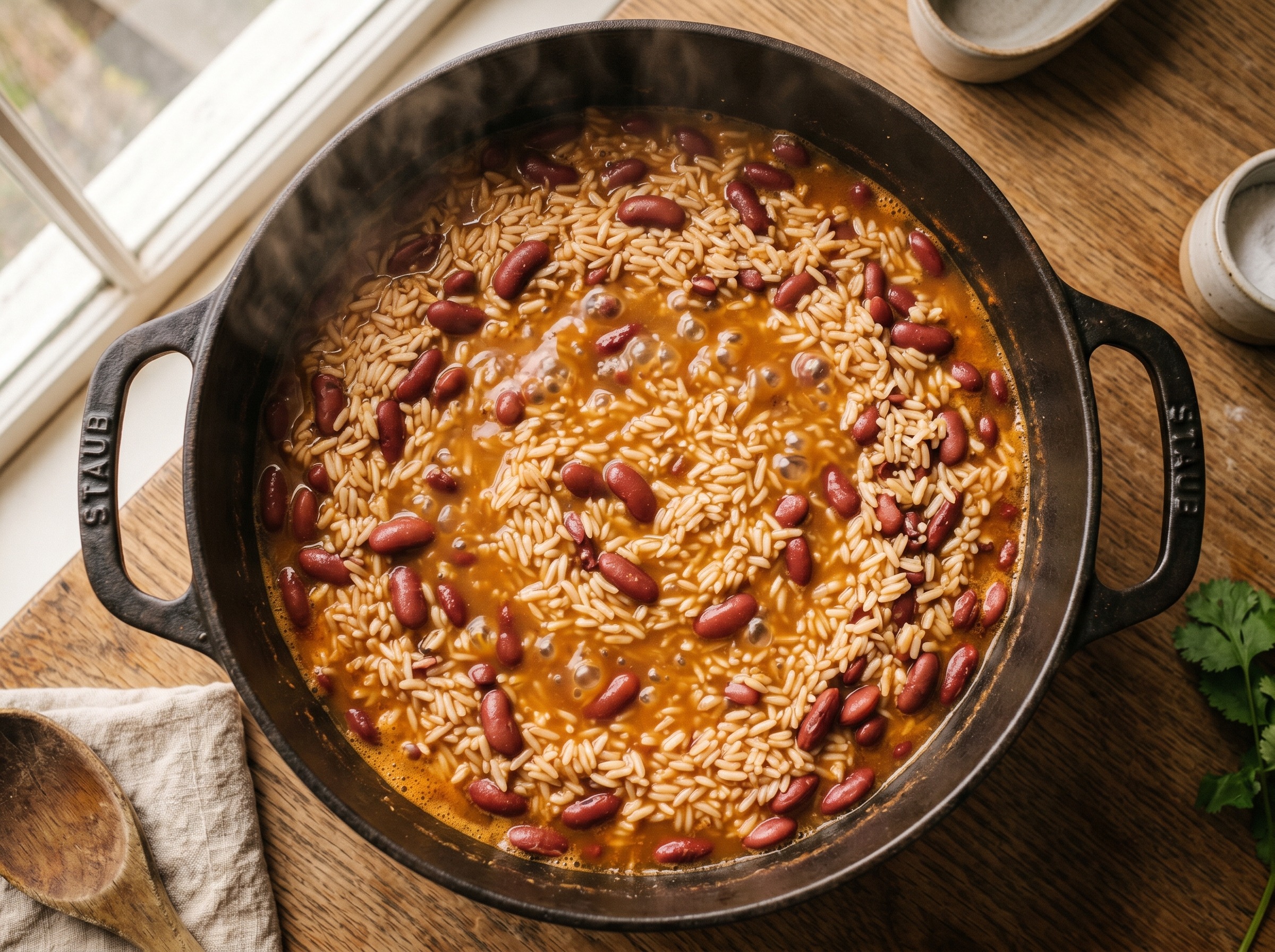
Pour in 2 ½ cups of chicken stock (or vegetable stock). Stir once to distribute everything evenly. Taste the liquid now and adjust salt if needed; remember that the adobo and sazón already contribute salt, so go easy. Increase the heat to medium-high and bring the pot to a boil. Let it boil, uncovered, for 3 to 4 minutes until the liquid level drops just below the surface of the rice. You should see small craters forming on the surface where steam is escaping.
Step 6: Cover and Simmer
Reduce the heat to the lowest possible setting. Cover the pot with a tight-fitting lid. If your lid is not perfectly snug, place a sheet of aluminum foil between the pot and the lid to create a seal. Let the rice cook undisturbed for 20 to 25 minutes. Do not lift the lid during this time. The trapped steam is doing all the work, and every peek releases heat and moisture that the rice needs to finish cooking evenly.
Step 7: Fluff, Rest, and Serve
After 20 to 25 minutes, remove the lid. The rice should be fluffy, the grains separate, and the liquid fully absorbed. Use a fork (never a spoon) to gently fluff the rice from the bottom up, folding in any beans that have settled. Stir in the chopped cilantro. If you want concón (the crispy rice crust at the bottom that every Dominican fights over), keep the pot on very low heat uncovered for an additional 5 to 8 minutes. You will hear a faint crackling sound when the crust is forming. Let the moro rest, covered, for 5 minutes before serving. This final rest allows the last bit of steam to redistribute, giving you perfectly tender rice from top to bottom.
Pro Tips for Perfect Moro de Habichuelas Rojas
- Always rinse your rice. This is non-negotiable. Unrinsed rice will turn your moro into a sticky, gummy mess. Rinse until the water runs mostly clear.
- Do not drain the canned beans. The starchy bean liquid carries flavor, color, and body. It is a key ingredient, not waste water.
- Use the right liquid-to-rice ratio. For this recipe, the total liquid (bean liquid plus stock) should be roughly 1.5 to 1.75 times the volume of rice. Too much liquid means soggy rice; too little means crunchy, undercooked grains.
- Keep the heat low during simmering. The most common mistake is cooking moro over medium heat with the lid on. The bottom burns before the top cooks through. Low and slow is the way.
- Do not stir after covering. Once the lid goes on, leave the rice alone. Stirring releases starch and breaks the grains, giving you a mushy result instead of fluffy, separate grains.
- Invest in a heavy pot. A thin pot creates hot spots that burn the bottom while leaving the top undercooked. A Dutch oven or caldero solves this problem completely.
- Fluff with a fork, not a spoon. A spoon compresses the rice. A fork separates the grains gently and keeps the texture light.
- Let it rest before serving. Five minutes of resting with the lid on after cooking lets the steam finish its work and ensures even texture throughout.
Variations
Moro de Habichuelas Rojas con Coco (Coconut Version)
For a Samaná-inspired twist, replace 1 cup of the chicken stock with full-fat coconut milk. The coconut adds a subtle sweetness and creaminess that pairs beautifully with the red beans. This variation is popular in coastal Dominican towns and works especially well alongside fried fish or camarones guisados. Keep the rest of the recipe exactly the same.
Vegan Moro de Habichuelas Rojas
Swap the chicken stock for vegetable stock and you have a fully vegan dish without sacrificing any flavor. The sazón, adobo, sofrito, and tomato sauce carry more than enough depth to make this satisfying on its own. Add a squeeze of lime juice at the end for brightness. Serve with tostones and a simple avocado salad for a complete plant-based Dominican meal.
Moro con Carne (With Meat)
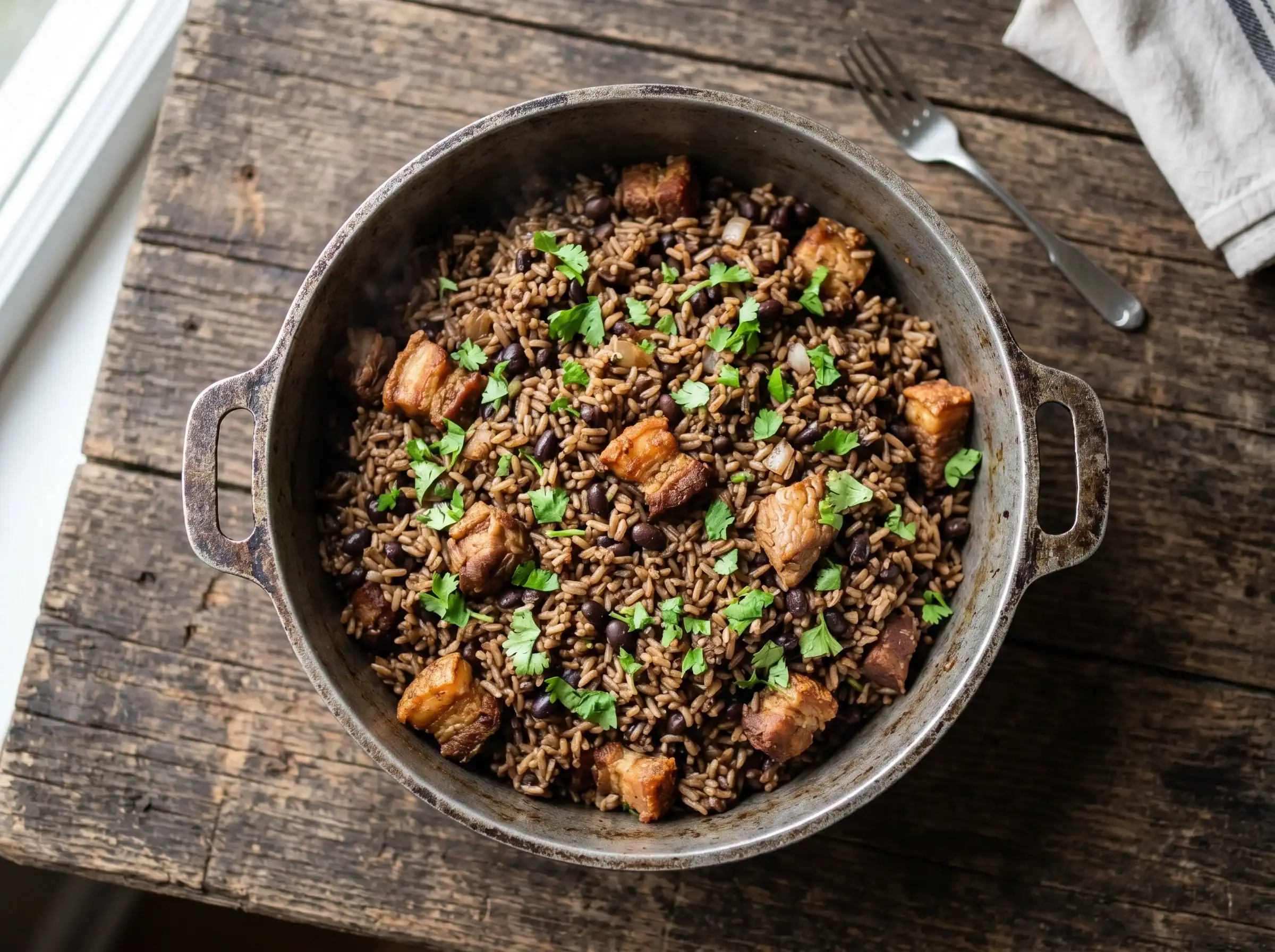
To make this a heartier main course, brown ½ pound of diced longaniza (Dominican sausage), chorizo, or smoked turkey in the pot before building the sofrito. Remove the browned meat, cook the sofrito in the rendered fat (adding olive oil if needed), and then add the meat back in when you add the beans. The smoky, meaty flavor infuses the entire pot of rice and transforms moro into a complete one-pot dinner.
What to Serve With Moro de Habichuelas Rojas
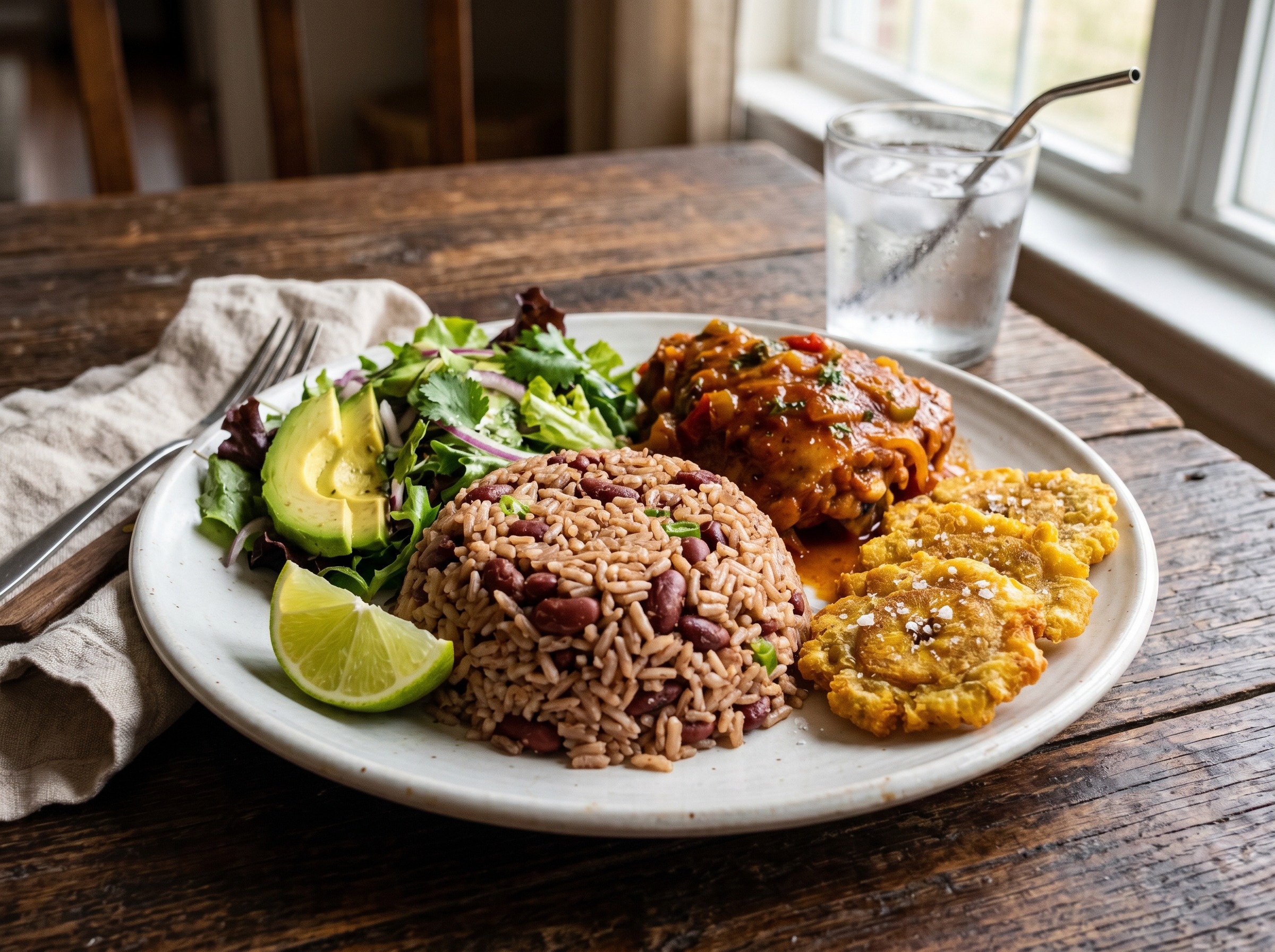
Moro de habichuelas rojas is incredibly versatile and works as both a main dish and a side. Here are my favorite ways to serve it:
- With pollo guisado (Dominican braised chicken) for the ultimate comfort plate.
- Alongside tostones for crunch and contrast.
- Next to chuletas fritas (fried pork chops) with a squeeze of lime.
- With a simple ensalada verde — shredded lettuce, tomato, avocado, and a drizzle of olive oil and vinegar.
- As part of La Bandera — swap the plain white rice for moro to add an extra layer of flavor to the classic trio.
- On its own with a fried egg on top for a quick and satisfying weeknight dinner.
I walk through the entire process in this video, including how to get perfect concón every time. Hit play and cook along with me:
You May Also Like This
Frequently Asked Questions
Can I use dried beans instead of canned?
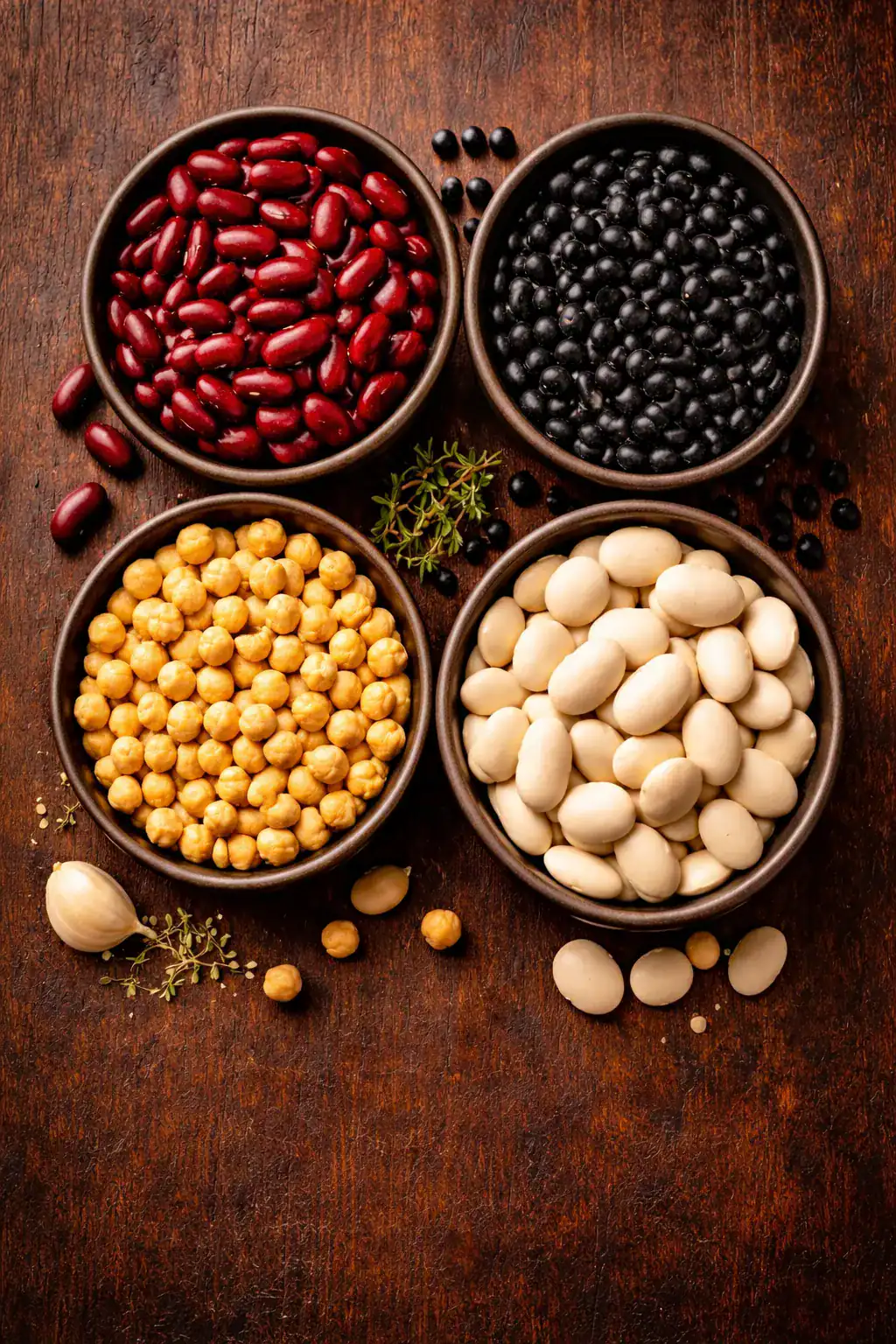
Absolutely. Soak 1 cup of dried red kidney beans overnight, then cook them in water until tender (about 1 to 1.5 hours). Use the beans and their cooking liquid in place of the canned beans and their liquid. Home-cooked beans will give you a slightly deeper flavor and better texture, though canned beans are perfectly fine for a weeknight meal.
What is the difference between moro and La Bandera?
In moro, the rice and beans are cooked together in one pot, so the rice absorbs the flavor and color of the beans. In La Bandera Dominicana, plain white rice is served alongside a separate pot of stewed beans (habichuelas guisadas). Both are foundational Dominican dishes, but the technique and result are quite different.
What is concón and how do I get it?
Concón is the crispy, golden-brown rice crust that forms on the bottom of the pot. It is considered the best part of the moro by most Dominicans. To get it, keep the pot on very low heat with the lid off for 5 to 8 minutes after the rice is done cooking. You will hear a faint crackling sound. Use a spoon to scrape it up and serve it on top of the moro or on the side. A heavy-bottomed pot is essential for good concón.
Can I make moro de habichuelas rojas in a rice cooker?
Yes, with a modification. Build the sofrito on the stovetop first, then transfer everything (sofrito, beans with liquid, rinsed rice, stock, and seasonings) to the rice cooker. Use the white rice setting. The result will be good, though you will miss out on concón since rice cookers do not develop the same crust. An Instant Pot on the rice setting also works well.
How do I store and reheat leftovers?
Store leftover moro in an airtight container in the refrigerator for up to 4 days. To reheat, sprinkle a tablespoon of water over the rice, cover, and microwave in 1-minute intervals, fluffing with a fork between each. You can also reheat in a skillet with a little oil over medium heat, which adds a nice crispiness to the reheated rice. Moro freezes well for up to 3 months; thaw overnight in the refrigerator before reheating.
Why is my moro mushy?
The three most common causes of mushy moro are: not rinsing the rice, using too much liquid, and stirring the rice after covering the pot. Make sure you rinse the rice thoroughly, measure your liquids carefully, and resist the urge to stir once the lid goes on. Also, check that your heat is truly at the lowest setting during the covered simmering phase.
Is moro de habichuelas rojas gluten-free?
Yes, this dish is naturally gluten-free as long as you verify that your sazón, adobo, and chicken stock do not contain any hidden gluten ingredients. Most major brands (Goya, Badia) are gluten-free, but always check the label if you have celiac disease or a serious gluten sensitivity.
Recipe
Moro de Habichuelas Rojas (Dominican Red Beans and Rice)
Ingredients
Method
- Rinse the rice: Place 2 cups of long-grain white rice in a fine-mesh strainer and rinse under cold running water until the water runs mostly clear, about 1 to 2 minutes. Shake off excess water and set aside.
- Build the sofrito: Heat olive oil in a large Dutch oven or caldero over medium heat. Add the diced onion, green bell pepper, and minced garlic. Sauté for 4 to 5 minutes until softened and fragrant.
- Season: Stir in the tomato sauce, sazón, adobo, and dried oregano. Cook for 1 to 2 minutes, stirring constantly, until the spices bloom and the color deepens to a warm orange-red.
- Add beans and rice: Pour in the entire can of red kidney beans with their liquid. Stir and simmer for 2 minutes. Add the rinsed rice, stir to coat every grain, and toast for 1 minute.
- Add stock and boil: Pour in 2 ½ cups of chicken stock. Stir once, taste the liquid and adjust salt if needed. Bring to a boil over medium-high heat and cook uncovered for 3 to 4 minutes until the liquid drops just below the surface of the rice.
- Cover and simmer: Reduce heat to the lowest setting. Cover tightly (use foil under the lid for a better seal if needed). Cook undisturbed for 20 to 25 minutes. Do not lift the lid.
- Fluff and serve: Remove the lid. Fluff the rice with a fork from the bottom up, folding in the beans. Stir in the chopped cilantro. For concón (crispy bottom crust), leave the pot uncovered on very low heat for 5 to 8 additional minutes. Let rest covered for 5 minutes before serving.
Nutrition
Tried this recipe?
Let us know how it was!Shop This Recipe
Here are the tools I use every time I make moro de habichuelas rojas. These are affiliate links, which means I earn a small commission if you purchase through them at no extra cost to you.
- Lodge Enameled Cast Iron Dutch Oven (6 Qt) — My go-to pot for moro, soups, and stews. Heavy bottom means even heat and perfect concón every time.
- Instant Pot Duo 7-in-1 Electric Pressure Cooker — Great for cooking dried beans quickly or making a faster version of moro when time is tight.
- Wooden Spoon Set — A wooden spoon is essential for stirring sofrito without scratching your pot. This set has every size you need.
If you make this moro de habichuelas rojas, I would love to hear about it. Leave a comment below, rate the recipe, and tag me on Instagram @kelvinskitchen so I can see your version. There is nothing better than seeing this dish show up in kitchens all over the world.

Leave a Reply