
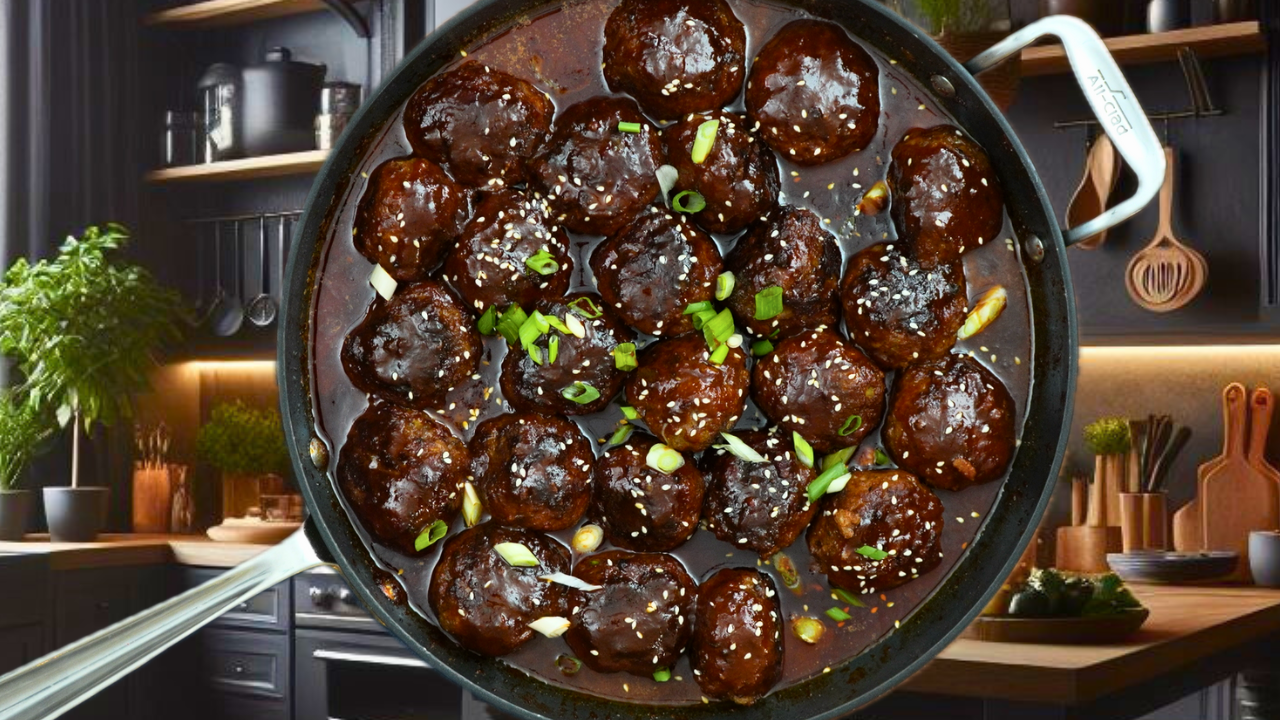
This Sticky Korean Gochujang Meatballs is one of those recipes you'll find yourself making over and over again. It's simple, delicious, and always gets rave reviews. Whether you're a beginner or a seasoned cook, you're going to love how easy and tasty this turns out!

About This Recipe
Here's something that blew my mind: gochujang actually contains probiotics from its fermentation process, but here's the kicker – those beneficial bacteria can survive the cooking process in meatballs because the interior temperature stays lower than what kills them completely. When you mix gochujang into the meat mixture, you're not just adding heat and umami, you're creating pockets where these probiotics can thrive even after cooking. This is why Korean cooks traditionally add gochujang directly to meat dishes rather than just using it as a sauce. The lactobacilli in gochujang also help break down proteins slightly, which is why these meatballs have that incredibly tender texture that's different from Italian-style meatballs. It's like having a natural meat tenderizer that also happens to boost gut health – something our abuelas understood intuitively when they fermented their own condiments back in DR.
Ingredients for Sticky Korean Gochujang Meatballs
- 1 ½ pounds lean ground beef
- ½ pound plain ground pork sausage
- 1 cup panko breadcrumbs
- ⅔ cup whole milk
- 1 large egg
- 1 egg yolk
- 7 cloves garlic, minced
- 1 tablespoon fresh ginger, grated
- 2 tablespoons + 1 teaspoon soy sauce
- 1 tablespoon sesame oil
- 2 tablespoons brown sugar
- ½ teaspoon black pepper
- ¼ teaspoon white pepper
- ⅔ cup finely chopped scallions
- 2 to 3 tablespoons neutral oil, for frying
- ½ cup gochujang
- ¼ cup soy sauce
- ¼ cup honey
- 2 tablespoons rice vinegar
- 1 teaspoon garlic powder
- 1 tablespoon sesame oil
- ¼ cup water
Substitutions & Variations
- Gochujang: Substitute with scotch bonnet pepper paste mixed with tomato paste and brown sugar for a Caribbean heat that brings familiar island fire to these meatballs.
- Ground pork sausage: Replace with finely diced chorizo dominicano for a smokier, more aromatic base that adds traditional Dominican flavors to the mix.
- Sesame oil: Use annatto oil (aceite de achiote) instead to give the meatballs a beautiful golden color and earthy flavor that's quintessential to Caribbean cooking.
- Rice vinegar: Swap for fresh lime juice to brighten the glaze with citrusy tang that complements the heat beautifully.
- Scallions: Replace with finely chopped culantro (recao) for an herbaceous note that's more pungent and distinctly Caribbean than regular green onions.
- Panko breadcrumbs: Use crushed plantain chips instead for a tropical twist that adds subtle sweetness and extra crunch to the meatball texture.
How to Make Sticky Korean Gochujang Meatballs
- In a small bowl, mix 1 cup panko with ⅔ cup milk. Let it soak for 2 minutes until softened.
- In a large bowl, add the lean ground beef, plain pork sausage, soaked panko mixture, egg, egg yolk, minced garlic, grated ginger, soy sauce, sesame oil, brown sugar, black pepper, white pepper, and scallions. Mix gently until just combined. Stop as soon as it comes together.
- Use an ice cream scoop to portion evenly. Roll each portion by hand into smooth 1 ½-inch meatballs.
- Heat 1 to 2 tablespoons neutral oil in a large skillet over medium heat. Brown meatballs on all sides, 6 to 8 minutes total, working in batches. They do not need to be cooked through yet. Transfer to a plate.
- Reduce heat to medium-low. In the same skillet, whisk together gochujang, soy sauce, honey, rice vinegar, garlic powder, sesame oil, and water until smooth. Bring to a gentle simmer.
- Return the meatballs to the skillet. Spoon sauce over each one. Cover and simmer for 12 to 14 minutes, turning once at the halfway mark. Internal temp should reach 165°F.
- Uncover, increase heat to medium, and simmer 2 to 3 minutes until the glaze thickens and clings to the meatballs.
- Transfer to a platter. Garnish with sesame seeds and sliced scallions. Serve over rice or as an appetizer.
What to Serve With Sticky Korean Gochujang Meatballs
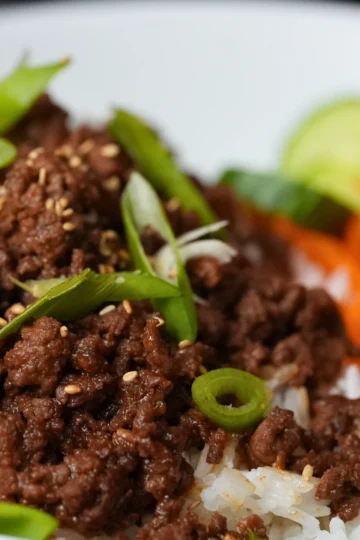
These sticky, spicy meatballs pair beautifully with fluffy jasmine rice that soaks up every drop of that gochujang glaze. The neutral rice balances the heat while letting those bold Korean flavors shine through. I like to sprinkle some sesame seeds and scallions on top for extra texture.
My garlic fried plantains from the site make an unexpected but incredible side here. The sweet caramelized plantains cool down the gochujang heat, and honestly, that combination of Korean spice with Dominican sweetness is exactly the kind of fusion that makes my heart sing.
For something fresh and crunchy, try a simple cucumber salad dressed with rice vinegar and a touch of sesame oil. The cool, crisp cucumbers cut through the richness of the meatballs perfectly, and the acidic dressing cleanses your palate between those intensely flavorful bites.
Frequently Asked Questions
1. What meat blend works best for Korean meatballs?
A mix of ground pork and ground beef (50/50) gives the juiciest, most flavorful meatballs. All-pork or all-beef versions work too depending on your preference.
2. What is in the gochujang glaze?
Gochujang paste, soy sauce, honey, sesame oil, rice vinegar, garlic, and ginger are blended into a sweet, spicy, and umami-rich sticky glaze.
3. How do I keep meatballs from falling apart?
Use a binder — beaten egg and panko breadcrumbs hold everything together. Do not overmix the meat or the meatballs become dense and tough.
4. Should I bake or fry these meatballs?
Baking at 400°F for 18-20 minutes is easiest and less messy. Pan-frying gives a crispier exterior but requires more attention and oil.
5. How sticky should the glaze be?
The glaze should coat the back of a spoon. If it is too thin, simmer it for 2-3 minutes to reduce. If too thick, add a tablespoon of water to thin it out.
6. Can I use gochujang straight from the container?
Pure gochujang is very concentrated and thick. It needs to be thinned with other ingredients like soy sauce, honey, and sesame oil to become a pourable, balanced glaze.
7. What size should the meatballs be?
About 1 to 1.5 inches in diameter (roughly a tablespoon of mixture each). Uniform size ensures even cooking. A small cookie scoop helps make consistent meatballs.
8. What should I serve with gochujang meatballs?
Steamed jasmine rice, stir-fried vegetables, pickled cucumbers, and a sprinkle of sesame seeds and sliced green onions make a complete Korean-inspired meal.
9. Can I make these meatballs ahead of time?
Yes, form and refrigerate uncooked meatballs for up to 24 hours, or freeze on a sheet pan and transfer to bags for up to 3 months. Bake from frozen adding 5 extra minutes.
10. Are these meatballs spicy?
Moderately spicy — the honey and sesame oil balance the gochujang heat. For less spice, reduce gochujang by half and increase the honey. For more heat, add gochugaru flakes.
Sticky Korean Gochujang Meatballs Video
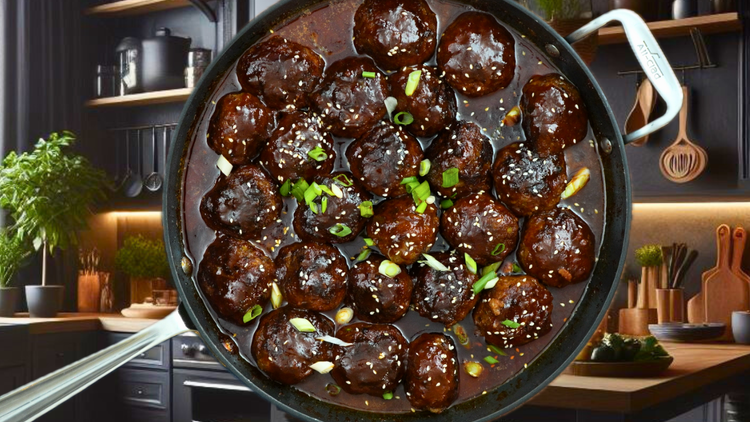
Sticky Korean Gochujang Meatballs
Ingredients
Method
- In a small bowl, mix 1 cup panko with ⅔ cup milk. Let it soak for 2 minutes until softened.
- In a large bowl, add the lean ground beef, plain pork sausage, soaked panko mixture, egg, egg yolk, minced garlic, grated ginger, soy sauce, sesame oil, brown sugar, black pepper, white pepper, and scallions. Mix gently until just combined. Stop as soon as it comes together.
- Use an ice cream scoop to portion evenly. Roll each portion by hand into smooth 1 ½-inch meatballs.
- Heat 1 to 2 tablespoons neutral oil in a large skillet over medium heat. Brown meatballs on all sides, 6 to 8 minutes total, working in batches. They do not need to be cooked through yet. Transfer to a plate.
- Reduce heat to medium-low. In the same skillet, whisk together gochujang, soy sauce, honey, rice vinegar, garlic powder, sesame oil, and water until smooth. Bring to a gentle simmer.
- Return the meatballs to the skillet. Spoon sauce over each one. Cover and simmer for 12 to 14 minutes, turning once at the halfway mark. Internal temp should reach 165°F.
- Uncover, increase heat to medium, and simmer 2 to 3 minutes until the glaze thickens and clings to the meatballs.
- Transfer to a platter. Garnish with sesame seeds and sliced scallions. Serve over rice or as an appetizer.
Nutrition
Notes
Buy gochujang from the refrigerated section, not the shelf-stable squeeze bottles. The refrigerated versions contain live cultures and have a deeper, more complex flavor that develops during longer fermentation periods, making your meatballs infinitely more flavorful. After years of making these, I learned to wet my hands with cold water when rolling the meatballs. The gochujang makes the mixture stickier than regular meatballs, and wet hands prevent sticking while keeping the meat from warming up and getting tough. Don't skip browning the meatballs before adding the glaze – I learned this the hard way. The Maillard reaction creates a barrier that prevents the meatballs from falling apart when the sticky sauce bubbles around them during the final glazing step. Mix the gochujang with a tablespoon of the beef mixture first, then fold it back in. This technique, similar to how we temper sofrito in Dominican cooking, prevents clumping and ensures even heat distribution throughout every single meatball.
Tried this recipe?
Let us know how it was!Filed Under
You May Also Like
Never Miss a Recipe
Get Kelvin's latest Dominican & Caribbean recipes straight to your inbox — free.

Leave a Reply