
Pork tenderloin is the leanest, most tender cut on the whole pig — but that leanness is exactly why so many people end up with dry, chalky meat. The fix is simpler than you think: a quick brine, a hard sear in a screaming-hot skillet, and a short finish in a 400-degree oven. The result is juicy, golden-brown tenderloin that stays moist from edge to center. Once you nail this method, dry pork tenderloin becomes a thing of the past.
Watch How to Make This
Pro Tips
Hit 145°F, not 160°F. The USDA updated their pork guidelines in 2011. Pull the tenderloin at 140°F and let carryover heat bring it to a safe 145°F. The old 160-degree rule turns this lean cut into cardboard.
Brine for insurance. A 30-minute soak in water with 2 tablespoons of salt per quart creates a moisture buffer that keeps the meat juicy even if you slightly overcook it. For deeper flavor, try an overnight dry brine with kosher salt directly on the surface.
Rest for 8–10 minutes before slicing. This is non-negotiable. Cutting too early sends all those juices flooding onto the cutting board instead of staying in the meat. Tent loosely with foil so the crust does not soften.
Remove the silver skin completely. That thin, silvery membrane on one side does not break down during cooking. Worse, it contracts and squeezes moisture out. Slide a sharp knife under one end, grip with a paper towel, and peel it off in one strip.
Sear all four sides before the oven. Two to three minutes per side in a ripping-hot skillet creates a golden crust that locks in juices. Do not skip this step — oven-only tenderloin dries out faster without that seared barrier.
Did You Know?
Nutrition Facts (Per Serving, Approximate)
Nutrition values are estimates and may vary based on ingredients and preparation.
Storage & Meal Prep
Refrigerator: Store sliced or whole leftover tenderloin in an airtight container for up to 3–4 days. Pour any pan juices over the meat before sealing to keep it moist.
Freezer: Wrap individual portions tightly in plastic wrap, then place in a freezer-safe bag. Keeps well for up to 2–3 months. Thaw overnight in the refrigerator before reheating.
Reheating: Warm slices gently in a skillet over medium heat with a splash of broth or pan juices to prevent drying out. You can also microwave in 30-second intervals or reheat in a 350°F oven until warmed through.
Meal Prep Idea: Slice the cooled tenderloin into medallions and portion into containers with roasted vegetables or rice for easy grab-and-go lunches all week.
Frequently Asked Questions
1. Why does pork tenderloin dry out so easily?
Pork tenderloin is extremely lean — almost no intramuscular fat to keep it moist. Every degree past 145 internal dries it out significantly. Precision is essential with this cut.
2. What is the most important tip for juicy tenderloin?
Use a meat thermometer and pull at 140 degrees. Let it rest 8 minutes — carryover heat brings it to a safe 145. This single technique transforms dry tenderloin into juicy perfection.
3. Should I brine pork tenderloin?
Yes — brining is the best insurance policy against dryness. A 30-minute soak in salted water or an overnight dry brine adds moisture that stays in the meat during cooking.
4. What cooking method keeps tenderloin juiciest?
Sear all sides in a hot skillet for 2-3 minutes each, then finish in a 400 degree oven for 15-18 minutes. The sear locks in moisture while the oven gently finishes cooking.
5. Should I remove the silver skin?
Always — the silvery membrane does not break down during cooking and contracts, squeezing moisture out of the meat. Removing it is essential for tender, juicy results.
6. What temperature should the oven be?
400 degrees after an initial stovetop sear. This moderate-high heat cooks the lean tenderloin quickly enough to stay moist without the exterior drying out before the center finishes.
7. How long does pork tenderloin need to rest?
8-10 minutes loosely tented with foil. This is critical — the juices redistribute throughout the meat. Cutting too soon sends them flooding onto the cutting board.
8. Is it safe to eat pork at 145 degrees?
Yes — the USDA updated their guidelines in 2011. Pork at 145 degrees with a 3-minute rest is completely safe. The meat may be slightly pink inside, which is perfectly normal and desirable.
9. What glazes or sauces prevent dryness?
A honey garlic glaze, Dijon herb crust, or balsamic reduction applied during cooking creates a protective layer that seals in moisture while adding flavor.
10. How do I slice pork tenderloin?
After resting, slice crosswise into ½-inch thick medallions against the grain. Fan on a platter and drizzle with any accumulated pan juices for the most attractive presentation.
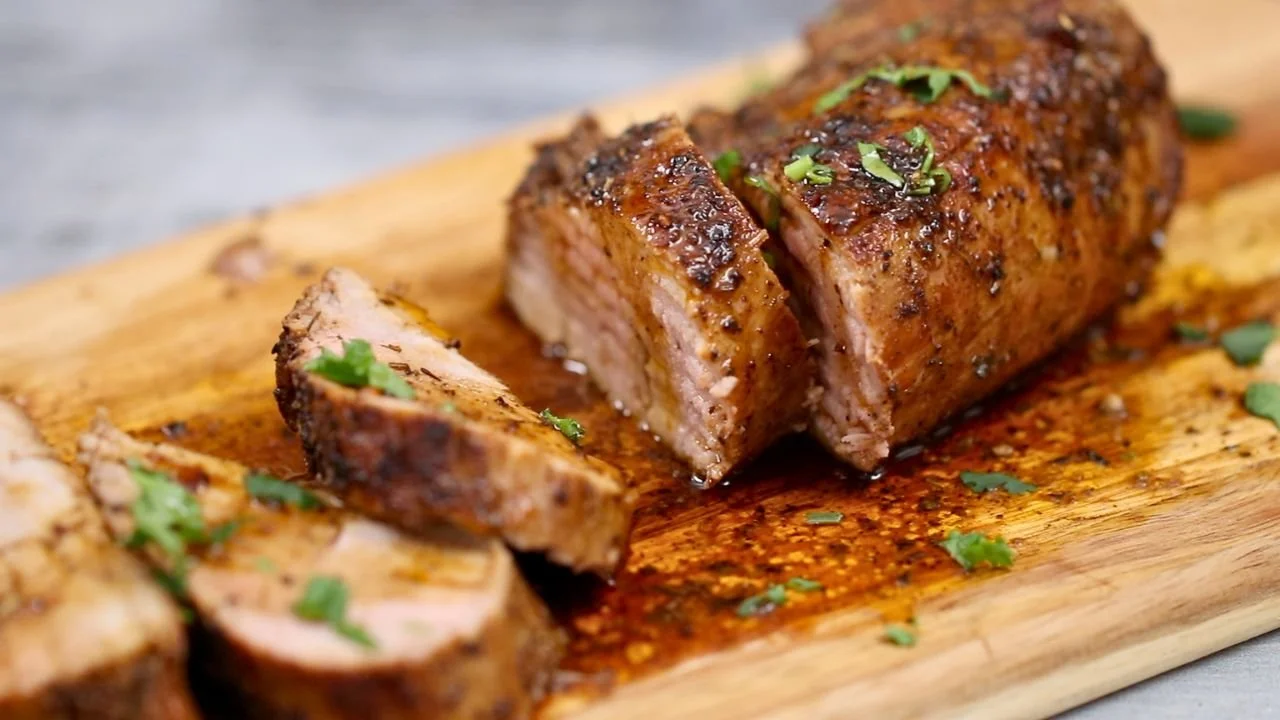
Never Make Dry Pork Tenderloin Again
Ingredients
Method
- Trim the silver skin from the pork tenderloins. Pat dry with paper towels.
- Mix Dijon mustard, garlic, rosemary, thyme, paprika, salt, and pepper into a paste. Rub all over the tenderloins.
- Heat olive oil in an oven-safe skillet over medium-high heat. Sear the tenderloins on all sides until golden brown, about 2-3 minutes per side.
- Transfer the skillet to a preheated 400°F oven. Roast for 15-20 minutes until the internal temperature reaches 145°F.
- Remove from oven. Add butter and honey to the pan and baste the tenderloins.
- Rest for 10 minutes before slicing into medallions. The temperature will carry over to a safe 145°F. Drizzle with pan juices and serve.
Leave a Reply