
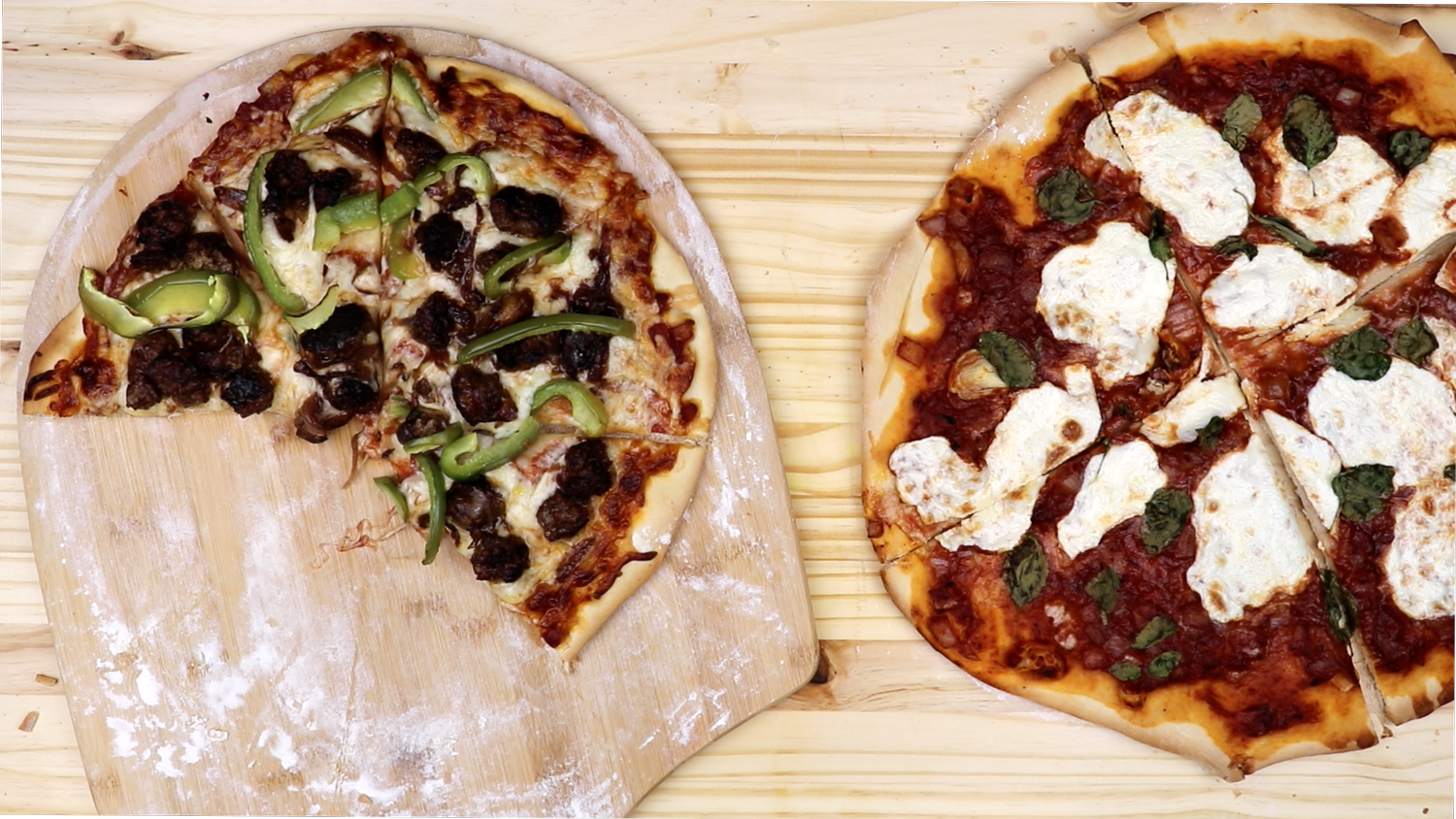
This Homemade Pizza Better than Restaurants is one of those recipes you'll find yourself making over and over again. It's simple, delicious, and always gets rave reviews. Whether you're a beginner or a seasoned cook, you're going to love how easy and tasty this turns out!

About This Recipe
Here's something that changed my pizza game completely: the gluten in your flour actually becomes MORE digestible when you let your dough ferment for 24-48 hours. During this cold fermentation, naturally occurring enzymes break down complex proteins and starches that can cause bloating. This is why my abuela's bread in Santo Domingo always sat better in our stomachs than store-bought – she unknowingly was pre-digesting the dough! When you make pizza dough and immediately bake it, you're missing this crucial step that not only makes it easier on your digestive system, but also develops those complex, slightly tangy flavors that separate restaurant-quality pizza from cardboard. The longer fermentation also creates more resistant starch, which feeds your good gut bacteria. That's why I always tell people: make your dough Thursday for Saturday's pizza night.
Ingredients for Homemade Pizza Better than Restaurants
- 3 ½ cups All-Purpose Flour
- 2 teaspoon Salt
- 1 teaspoon Sugar
- 2 tablespoon Extra Virgin Olive Oil
- 1 ⅓ cups Warm Water — 110 degrees
- 1 Envelope of Yeast

Substitutions & Variations
- All-Purpose Flour: Substitute with bread flour for a chewier, more authentic pizzeria-style crust that holds up better to heavy toppings like pernil or chorizo.
- Extra Virgin Olive Oil: Replace with sofrito oil (olive oil infused with garlic, peppers, and cilantro) to add a subtle Caribbean flavor base that complements plantain or yuca toppings beautifully.
- Warm Water: Use coconut water at the same temperature for a slightly sweet, tropical twist that pairs exceptionally well with jerk chicken or Caribbean seafood toppings.
- Sugar: Swap with brown sugar or piloncillo to add deeper molasses notes that enhance the crust's flavor when topped with Dominican longaniza or sweet plantains.
- Active Dry Yeast: Use instant yeast instead, reducing the amount to 2 teaspoons and mixing directly with flour (no proofing needed) for faster preparation without sacrificing rise quality.
- Traditional Round Pizza: Shape into smaller individual empanada-style pizza pockets filled with pollo guisado or ropa vieja for a Caribbean-American fusion that's perfect for parties.
How to Make Homemade Pizza Better than Restaurants
- Add yeast to warm water and set aside for 3 minutes. In a mixer, combine flour, salt, sugar, and olive oil. Add the yeast mixture. Mix on medium speed until combined, then mix on low for 10 minutes. Oil 2 bowls, divide dough into 2 balls, place in bowls, cover with plastic wrap, and let rise in a warm place.
- Heat olive oil, add onion and garlic, cook until soft. Add tomatoes, oregano, and red wine, simmer for 10 minutes.
- Preheat oven to 475°F with a pizza stone inside. Roll out dough on a floured surface to a 10-inch circle. Top with sauce and cheese. Slide onto the pizza stone and bake for 20 minutes, rotating halfway.

What to Serve With Homemade Pizza Better than Restaurants
A crisp arugula salad with lemon vinaigrette cuts through the rich cheese and sauce beautifully. The peppery greens add a fresh bite that cleanses your palate between slices, making each piece taste as good as the first.
My Dominican-style yuca fries bring that Caribbean comfort food vibe to pizza night. The creamy interior and crispy exterior of the yuca creates an amazing texture contrast, plus it's how we do it back home—mixing Italian flavors with our island favorites.
For something lighter, try roasted broccolini with garlic and red pepper flakes alongside your pizza. The slight char and bitter notes balance the dough's sweetness perfectly, and the garlic ties everything together without competing with your toppings.
Frequently Asked Questions
1. What flour makes the best pizza dough?
Bread flour gives the best chew and structure. For Neapolitan-style, use Tipo 00 flour for a softer, more tender crust. All-purpose flour works for a reliable, everyday pizza dough.
2. How long does pizza dough need to rise?
Minimum 1-2 hours at room temperature. A 24-72 hour cold fermentation in the fridge develops significantly more complex flavor and a better, more airy crust.
3. What temperature should the oven be?
As hot as possible — 500-550 degrees on a preheated pizza stone or steel. Most home ovens max at 550. The extreme heat mimics a pizza oven and creates a crispy crust in 8-10 minutes.
4. Do I need a pizza stone?
A pizza stone or steel provides the intense bottom heat essential for a crispy crust. An inverted preheated sheet pan works as an emergency substitute. Preheat for at least 45 minutes.
5. What makes restaurant pizza sauce taste better?
Simplicity — crush quality San Marzano tomatoes by hand with salt, garlic, olive oil, and fresh basil. Do not cook the sauce. Raw, high-quality tomato sauce bakes perfectly on the pizza.
6. How thin should I stretch the dough?
For thin crust, stretch to about ⅛ inch with slightly thicker edges for the cornice (crust rim). Use your hands — a rolling pin degasses the dough and removes the airy bubbles.
7. What cheese is best for homemade pizza?
Low-moisture, whole-milk mozzarella for consistent melt and browning. Fresh mozzarella for Neapolitan-style (slice thin and pat dry). Pre-shredded has anti-caking agents that prevent proper melting.
8. How do I transfer pizza to the hot stone?
Build the pizza on a floured pizza peel or parchment paper. Shake the peel to make sure the dough slides freely before launching onto the hot stone with a quick forward-backward motion.
9. What are the most important pizza toppings tips?
Less is more — overloading makes pizza soggy. Pre-cook watery vegetables, use a thin sauce layer, and do not exceed 3-4 toppings. Quality ingredients matter more than quantity.
10. How do I get a crispier bottom crust?
Preheat the stone for at least 45 minutes, stretch the dough thin, use minimal sauce, and make sure toppings are not too wet. A hotter stone equals a crispier crust.

Homemade Pizza Better than Restaurants Video
Homemade Pizza Better than Restaurants

Ingredients
Method
- Add yeast to warm water and set aside for 3 minutes. In a mixer, combine flour, salt, sugar, and olive oil. Add the yeast mixture. Mix on medium speed until combined, then mix on low for 10 minutes. Oil 2 bowls, divide dough into 2 balls, place in bowls, cover with plastic wrap, and let rise in a warm place.
- Heat olive oil, add onion and garlic, cook until soft. Add tomatoes, oregano, and red wine, simmer for 10 minutes.
- Preheat oven to 475°F with a pizza stone inside. Roll out dough on a floured surface to a 10-inch circle. Top with sauce and cheese. Slide onto the pizza stone and bake for 20 minutes, rotating halfway.

Nutrition
Notes
Use 00 flour if you can find it, but bread flour works too – the key is avoiding all-purpose flour because its lower protein content (around 10-12%) won't give you that chewy, stretchy crust that holds toppings without getting soggy underneath. After thousands of pizzas in my kitchen, I learned to stretch the dough on a floured surface, then let it rest 10 minutes before the final stretch – this relaxes the gluten so you won't get those stubborn thick spots that stay doughy while edges burn. Sauce goes directly on raw dough, but cheese needs to go UNDER other toppings (except herbs) because it acts as a protective barrier, preventing vegetables from making your crust soggy while ensuring even melting throughout the bake. Crank your oven to its highest setting (usually 500-550°F) and use a pizza stone or inverted sheet pan preheated for 30 minutes – this mimics the intense bottom heat of wood-fired ovens that gives you those beautiful leopard spots and crispy-yet-chewy texture.
Tried this recipe?
Let us know how it was!Filed Under
You May Also Like

Shop This Recipe
Never Miss a Recipe
Get Kelvin's latest Dominican & Caribbean recipes straight to your inbox — free.


Leave a Reply