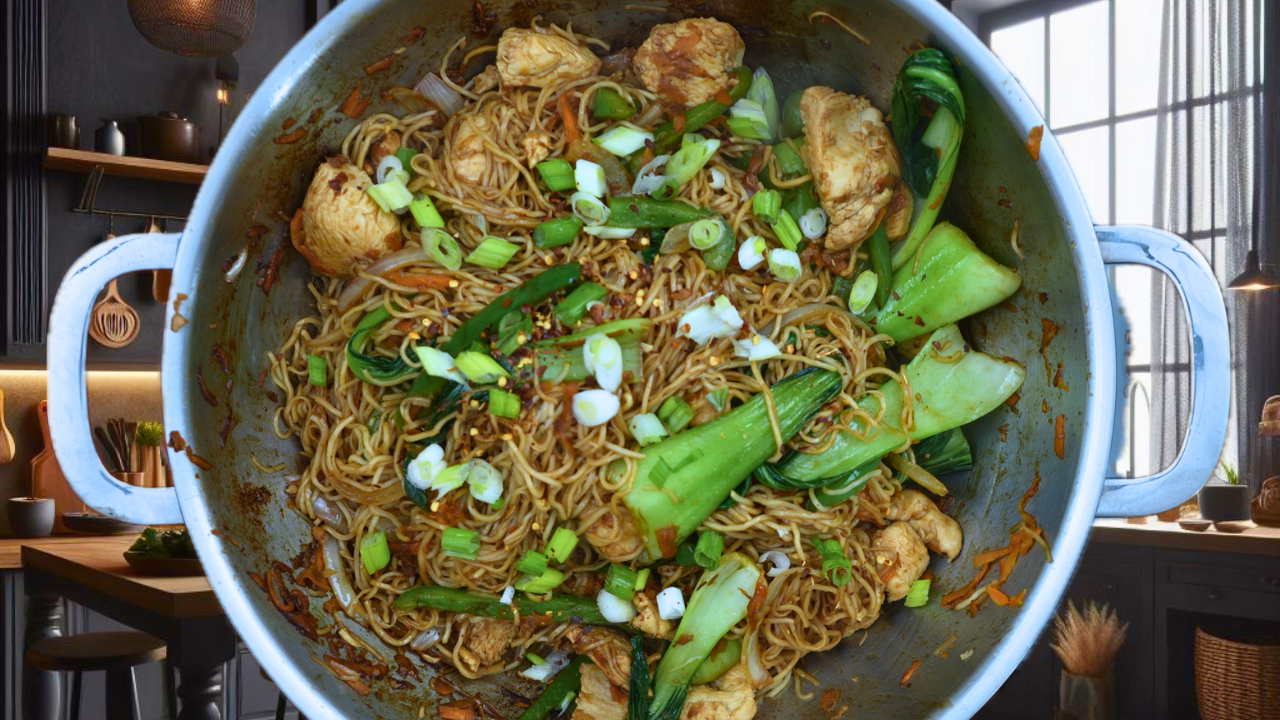
This Garlic Butter Chicken Chow Mein is juicy, flavorful, and incredibly easy to make. Whether you're cooking for the family or meal prepping for the week, this recipe delivers every single time. It's about to become one of your go-to favorites!

About This Recipe
Here's what separates great chow mein from mediocre takeout: the noodles themselves. Fresh chow mein noodles have a higher alkaline content than regular egg noodles, which gives them that characteristic bouncy, chewy texture we crave. When you can't find authentic fresh chow mein noodles, dried lo mein noodles are your best substitute – they're alkaline-treated too. But here's the game-changer most home cooks miss: after boiling, you need to rinse those noodles in cold water and toss them with a tiny bit of oil. This stops the cooking process and prevents them from turning mushy when they hit that hot garlic butter in your wok. The alkaline treatment also helps the noodles grab onto that rich, garlicky sauce better than regular pasta ever could. I learned this from watching the noodle masters in New York's Chinatown – they know that proper noodle prep is what makes chow mein sing.
Ingredients for Garlic Butter Chicken Chow Mein
- 2 chicken breasts — thinly sliced
- 8.8 oz 250g Chow Mein noodles
- 3 tablespoon soy sauce
- 2 tablespoon oyster sauce
- 1 tablespoon hoisin sauce
- 2 tablespoon cooking oil
- 1 tablespoon sesame oil
- 3 tablespoon butter
- 5 cloves garlic — finely chopped
- 1 bell pepper — thinly sliced
- 1 small onion — sliced
- 1 cup shredded carrots
- 2 heads baby bok choy
- 2 scallions — sliced
- Pinch of red chili flakes
Substitutions & Variations
- Chow mein noodles: Use fresh lo mein noodles or even spaghetti for a fusion twist. The texture will be slightly different but equally satisfying, and spaghetti gives it an unexpected Caribbean-Italian vibe that works beautifully.
- Bell pepper: Substitute with scotch bonnet or habanero peppers (seeded and minced) for a Dominican kick. This transforms the dish from mild Asian-American to a spicy Caribbean fusion that'll wake up your taste buds.
- Baby bok choy: Replace with chopped collard greens or callaloo for a Caribbean twist. These heartier greens add a more robust flavor and connect the dish to traditional Dominican vegetable preparations.
- Oyster sauce: Use coconut aminos mixed with a touch of brown sugar for a lighter, slightly tropical flavor. This substitution reduces sodium while adding a subtle sweetness that complements Caribbean palates.
- Chicken breast: Try using leftover pernil (Dominican roasted pork) shredded instead of chicken. This creates an incredible fusion dish that combines Asian stir-fry techniques with classic Dominican flavors.
- Sesame oil: Finish with a drizzle of annatto oil (aceite de achiote) for a Dominican flair. The earthy, slightly nutty flavor of annatto adds warmth and a beautiful golden color that's distinctly Caribbean.
How to Make Garlic Butter Chicken Chow Mein
- Cook the noodles: Cook according to package directions, or boil in lightly salted water for 4 minutes. Drain and set aside.
- Sear the chicken: Heat cooking and sesame oil in a wok or large skillet. Add chicken and cook until golden and fully cooked through. Remove and set aside.
- Build the flavor base: Add butter to the same pan, let it foam, then stir in garlic until fragrant.
- Add veggies: Toss in onion, bell pepper, carrots, and bok choy. Stir-fry for 2 minutes to keep the vegetables crisp.
- Bring it all together: Return chicken to the pan, add noodles, and pour in soy, oyster, and hoisin sauces. Toss everything together over high heat until glossy and evenly coated.
- Finish and serve: Sprinkle with scallions and red chili flakes. Serve immediately.
What to Serve With Garlic Butter Chicken Chow Mein
This rich, garlicky chow mein pairs beautifully with my Crispy Asian Cucumber Salad – the cool, tangy crunch cuts right through all that buttery goodness and cleanses your palate between bites. The contrast in temperatures and textures makes every forkful more exciting than the last.
For something heartier, serve alongside pork or vegetable dumplings, either steamed or pan-fried. The chewy dumpling wrappers and savory filling complement the silky noodles perfectly, creating a full Chinese takeout experience that'll have everyone thinking you ordered from their favorite spot.
Don't overlook a simple bowl of hot and sour soup as a starter – the bright acidity and warming spice awaken your taste buds before diving into the rich, garlic-forward main dish. It's a classic pairing that Chinese restaurants have perfected for good reason.
Frequently Asked Questions
1. What noodles are best for chicken chow mein?
Fresh or dried lo mein egg noodles are traditional. In a pinch, spaghetti or linguine tossed with a drop of sesame oil works as a substitute.
2. How do I keep the noodles from sticking together?
Toss cooked noodles with a teaspoon of sesame oil immediately after draining. Spread them on a sheet pan to cool if not using right away.
3. What is the difference between chow mein and lo mein?
Chow mein noodles are stir-fried until slightly crispy, while lo mein noodles are tossed in sauce and kept soft. This recipe uses the stir-fried chow mein method.
4. How do I make the garlic butter sauce?
Melt butter in the wok, add minced garlic, soy sauce, oyster sauce, and a touch of sesame oil. The butter adds richness that traditional chow mein does not have.
5. Can I use chicken breast instead of thighs?
Yes, slice chicken breast thin against the grain. Cook quickly over high heat to keep it tender — thighs are more forgiving but breast works well too.
6. What vegetables go in chow mein?
Bean sprouts, cabbage, carrots, bell peppers, and green onions are classic. Add them in order of cooking time — carrots first, bean sprouts last.
7. Why is high heat important for chow mein?
High heat creates wok hei — the smoky, charred flavor that defines great stir-fry. A hot wok also prevents noodles from steaming and getting soggy.
8. Can I make this recipe gluten-free?
Use rice noodles instead of egg noodles and substitute tamari or coconut aminos for soy sauce. The garlic butter component is naturally gluten-free.
9. How do I reheat leftover chow mein?
Reheat in a hot skillet or wok with a splash of soy sauce and oil. This re-crisps the noodles. Microwaving makes them soft and mushy.
10. Can I meal prep garlic butter chicken chow mein?
Yes, it stores well for 3-4 days. The noodles absorb sauce over time, so add extra soy sauce and a drizzle of sesame oil when reheating.
Garlic Butter Chicken Chow Mein Video
Garlic Butter Chicken Chow Mein
Ingredients
Method
- Cook the noodles: Cook according to package directions, or boil in lightly salted water for 4 minutes. Drain and set aside.
- Sear the chicken: Heat cooking and sesame oil in a wok or large skillet. Add chicken and cook until golden and fully cooked through. Remove and set aside.
- Build the flavor base: Add butter to the same pan, let it foam, then stir in garlic until fragrant.
- Add veggies: Toss in onion, bell pepper, carrots, and bok choy. Stir-fry for 2 minutes to keep the vegetables crisp.
- Bring it all together: Return chicken to the pan, add noodles, and pour in soy, oyster, and hoisin sauces. Toss everything together over high heat until glossy and evenly coated.
- Finish and serve: Sprinkle with scallions and red chili flakes. Serve immediately.
Nutrition
Notes
Buy garlic butter compound from your grocery's specialty cheese section instead of making it from scratch – the pre-made versions use cultured butter with higher fat content that creates silkier sauce coverage on the noodles without breaking. Cook your chicken in two batches even if your pan looks big enough for everything, because overcrowding drops the temperature and steams the meat instead of searing it, leaving you with rubbery chicken that won't hold up to the robust noodle tossing. Add the cooked noodles to your wok in the final 30 seconds only, because any longer and they'll absorb too much of the garlic butter sauce, leaving your vegetables dry and your overall dish lacking that glossy, restaurant-style finish. Finish with a splash of Chinese cooking wine right before serving – it cuts through the richness of all that garlic butter and adds a subtle depth that makes people wonder what your secret ingredient is.
Tried this recipe?
Let us know how it was!Filed Under
You May Also Like
Never Miss a Recipe
Get Kelvin's latest Dominican & Caribbean recipes straight to your inbox — free.
Leave a Reply