
This Feta Pasta is creamy, comforting, and absolutely delicious. It's one of those recipes that feels indulgent but is surprisingly easy to pull together on a weeknight. Your family is going to love this one!

About This Recipe
Here's the secret that separates restaurant-quality feta pasta from the mushy disappointment most home cooks end up with: you need to create what we call a 'cheese emulsion' by whisking the feta with a small amount of hot pasta water BEFORE it hits the pan. Most people just crumble cold feta directly into their pasta, but that creates uneven chunks that never properly coat each strand. The key is using exactly 2-3 tablespoons of starchy pasta water to break down the feta into a creamy, sauce-like consistency first. This technique mimics how we handle queso fresco in Dominican kitchens when making pasta dishes – you always temper the cheese first. When you add this pre-mixed feta cream to your hot pasta, it creates an instant, silky coating that clings to every piece instead of clumping at the bottom of the bowl. It's the difference between amateur and professional results.
Ingredients for Feta Pasta
- 1 lb pasta — cooked
- 1 block Greek feta cheese
- ½ cup olive oil
- 1 red chili pepper — sliced
- 1 lb cherry tomatoes
- 4 garlic cloves — minced
- ⅛ teaspoon salt
- Black pepper — to taste
- Fresh basil leaves — chopped
Substitutions & Variations
- Greek feta cheese: Use queso blanco or fresh Caribbean white cheese for a milder, creamier flavor that's more familiar in Dominican households.
- Red chili pepper: Substitute with ají gustoso or scotch bonnet pepper (use sparingly) to add authentic Caribbean heat with a fruity undertone.
- Cherry tomatoes: Replace with diced plum tomatoes mixed with sofrito base for a more robust, deeply flavored sauce that echoes Dominican cooking.
- Fresh basil: Swap for fresh cilantro and oregano to create a more Caribbean-forward herb profile that pairs beautifully with the other ingredients.
- Regular pasta: Use macaroni or penne instead of long pasta to make this more like a Caribbean macaroni salad that can be served warm or at room temperature.
- Olive oil: Mix half olive oil with half coconut oil for a subtle tropical richness that complements the Caribbean flavor adaptations.
How to Make Feta Pasta
- Preheat Oven: Set your oven to 400°F (200°C).
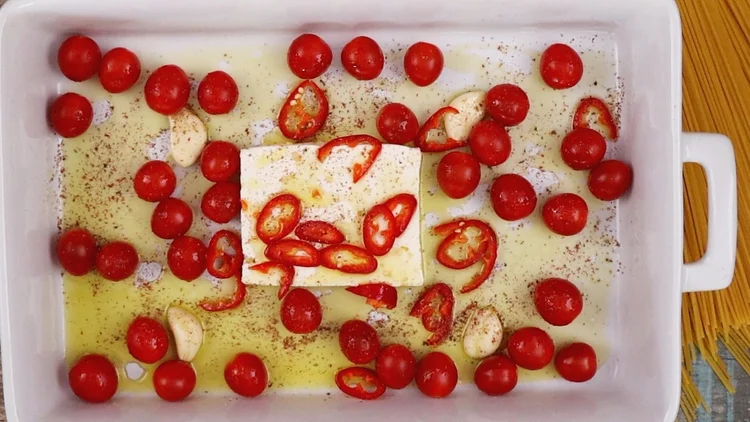
- Prepare Ingredients: In a large baking dish, add feta cheese, cherry tomatoes, garlic, red chili pepper, and olive oil. Season with salt and black pepper.
- Bake: Place the dish in the oven and bake for 15 minutes. Then, switch to broil for an additional 3-5 minutes until the tomatoes are blistered and the feta is golden.
- Combine: Remove from the oven and mash the feta and tomatoes together to create a creamy sauce.
- Finish & Serve: Add fresh basil leaves and cooked pasta. Mix well until evenly coated. Serve immediately.
What to Serve With Feta Pasta
The creamy, tangy feta in this pasta begs for something bright and acidic to cut through the richness. A simple arugula salad dressed with lemon vinaigrette does exactly that – the peppery greens and citrus create the perfect counterpoint to all that Mediterranean creaminess.
For protein, grilled chicken thighs seasoned with oregano and garlic are my go-to. The herbs echo the Mediterranean flavors in the pasta while the juicy, slightly charred meat adds substance without competing with the feta's bold saltiness.
My Garlic Bread with herbs makes this feel like a proper Italian feast. The crispy, buttery bread not only soaks up any leftover pasta sauce beautifully, but the garlic ties everything together and gives you that satisfying textural contrast against the tender pasta.
Frequently Asked Questions
1. What is baked feta pasta?
The viral TikTok recipe where a block of feta cheese is baked with cherry tomatoes, garlic, and olive oil until melty, then tossed with pasta. The roasted tomatoes and feta create a creamy sauce.
2. What type of feta works best?
A good-quality block of feta (not pre-crumbled) is essential. Greek feta is creamier and tangier. The block softens and melts into a smooth, luscious sauce when roasted.
3. What tomatoes should I use?
Cherry or grape tomatoes are ideal — they burst and release sweet juices during roasting that mix with the feta to create the creamy sauce. Do not use larger tomatoes.
4. What temperature and time for baking?
400 degrees for 35-40 minutes until the feta is soft and golden on top and the tomatoes have burst and are caramelized. The sauce comes together when you stir everything.
5. What pasta works best?
Any short pasta — penne, rigatoni, orecchiette, or fusilli catch the chunky sauce well. Reserve pasta water to thin the sauce to your desired creamy consistency.
6. How do I make the sauce creamier?
Add reserved pasta water a few tablespoons at a time while stirring. The starchy water emulsifies with the feta and tomatoes, creating a smooth, clingy sauce.
7. Can I add protein?
Grilled chicken, shrimp, or Italian sausage tossed in at the end turn this into a more substantial main course. The feta sauce coats everything beautifully.
8. What other vegetables can I add?
Roast asparagus, zucchini, red onion, or bell peppers alongside the tomatoes and feta. Spinach or arugula stirred in after baking adds fresh greens.
9. Can I add fresh herbs?
Fresh basil torn and tossed in at the end is the classic finish. Fresh oregano, thyme, or red pepper flakes before roasting add extra layers of flavor.
10. Why did my feta pasta turn out bland?
Use enough olive oil, season with salt and pepper before roasting, use quality feta, and do not skip the garlic. A splash of balsamic vinegar after roasting boosts flavor significantly.
Feta Pasta Video
Ingredients
Method
- Preheat Oven: Set your oven to 400°F (200°C).
- Prepare Ingredients: In a large baking dish, add feta cheese, cherry tomatoes, garlic, red chili pepper, and olive oil. Season with salt and black pepper.
- Bake: Place the dish in the oven and bake for 15 minutes. Then, switch to broil for an additional 3-5 minutes until the tomatoes are blistered and the feta is golden.
- Combine: Remove from the oven and mash the feta and tomatoes together to create a creamy sauce.
- Finish & Serve: Add fresh basil leaves and cooked pasta. Mix well until evenly coated. Serve immediately.
Nutrition
Notes
Choose Bulgarian or Greek feta packed in brine, not the pre-crumbled stuff, because the moisture content is crucial for creating that creamy emulsion – dry crumbled feta will never break down properly no matter how much pasta water you add. After making this dish countless times, I've learned to reserve an extra half-cup of pasta water beyond what the recipe calls for, because feta pasta thickens fast and you'll need it to loosen the sauce when reheating leftovers. Toast your garlic in cold olive oil instead of hot oil to prevent burning – feta pasta needs that sweet, mellow garlic flavor, not the bitter taste that comes from scorched garlic hitting hot oil. Finish the pasta with a squeeze of fresh lime juice instead of lemon – it's a trick from Caribbean cooking that brightens the salty feta without competing with its tangy profile like lemon does.
Tried this recipe?
Let us know how it was!Filed Under
You May Also Like
Shop This Recipe
Never Miss a Recipe
Get Kelvin's latest Dominican & Caribbean recipes straight to your inbox — free.
Leave a Reply