
This Stop Overcooking Your Pork Chops is one of those recipes you'll find yourself making over and over again. It's simple, delicious, and always gets rave reviews. Whether you're a beginner or a seasoned cook, you're going to love how easy and tasty this turns out!
Did You Know?
Pro Tips
Frequently Asked Questions
1. What temperature should pork chops reach internally?
145 degrees Fahrenheit per current USDA guidelines — not the outdated 160 degrees many people still follow. At 145, pork is slightly pink inside, incredibly juicy, and completely safe.
2. Why do most people overcook pork chops?
Outdated information. The USDA lowered the safe temperature from 160 to 145 degrees in 2011, but many cooks still follow the old rule. A meat thermometer eliminates guesswork.
3. How thick should pork chops be to stay juicy?
At least 1 inch thick, preferably 1.25 inches. Thin chops overcook in minutes and have almost no margin for error. Ask your butcher to cut them fresh to your preferred thickness.
4. Should I brine pork chops?
Brining is the single best thing you can do for juicy pork chops. Even a quick 30-minute soak in salted water adds 10-15% more moisture that stays in during cooking.
5. What is the carryover cooking effect?
After removing from heat, pork chops continue cooking internally as heat travels from the hot exterior to the cooler center. Pull at 140 degrees — it rises to 145 during the 5-minute rest.
6. Why is resting pork chops important?
Resting 5-8 minutes allows the muscle fibers to relax and reabsorb juices. Cutting immediately sends those juices flooding onto the cutting board instead of staying in the meat.
7. What cooking method keeps pork chops juiciest?
Searing in a hot skillet for 3-4 minutes per side, then finishing in a 400 degree oven gives the best crust-to-juice ratio. The oven's gentle heat cooks through evenly.
8. Is it safe to eat pork that is slightly pink?
Yes — pork at 145 degrees with a 3-minute rest is completely safe per the USDA. The slight pink color indicates properly cooked, juicy pork. Gray, dry pork means overcooked.
9. Do bone-in chops stay juicier than boneless?
Yes — the bone insulates the adjacent meat, slowing heat transfer and keeping that area juicier. Bone-in chops are more forgiving and have more flavor.
10. What is the best tool for checking doneness?
An instant-read digital meat thermometer is essential. Insert into the thickest part of the chop, not touching bone. This is the only reliable way to prevent overcooking.
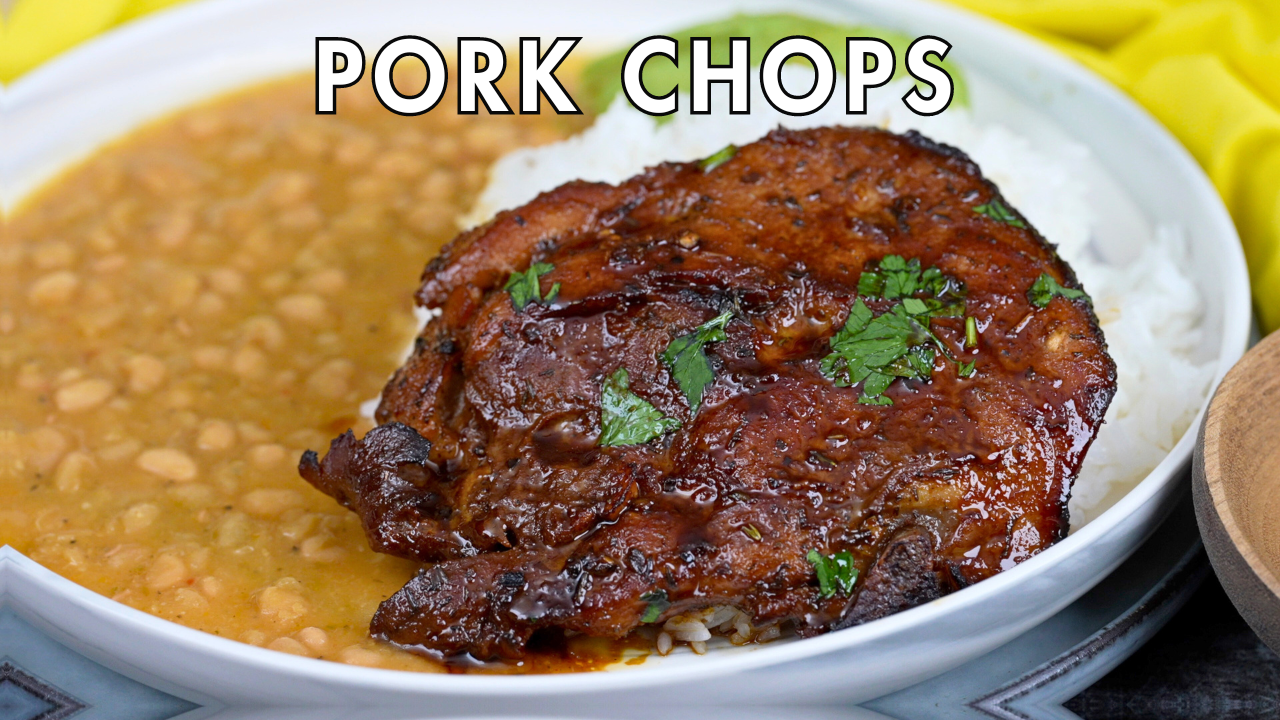
Stop Overcooking Your Pork Chops
Ingredients
Method
- Remove pork chops from the fridge 30 minutes before cooking. Pat dry with paper towels.
- Mix garlic powder, paprika, onion powder, thyme, salt, and pepper. Season pork chops on both sides, pressing the seasoning into the meat.
- Heat olive oil in a cast iron skillet over medium-high heat. Sear pork chops for 4-5 minutes per side until golden brown.
- Add butter, garlic, and rosemary to the pan. Tilt the pan and continuously spoon the melted butter over the pork chops for 1-2 minutes.
- Use an instant-read thermometer. Remove pork chops at 140°F internal temperature. Carryover cooking will bring them to 145°F.
- Rest for 5 minutes before serving. The juices will redistribute for maximum tenderness.
Notes
Refrigerator: Store leftovers in an airtight container for up to 3-4 days.
Freezer: Freeze in a sealed container for up to 2-3 months. Thaw overnight in the fridge.
Reheat: Warm in a skillet over medium heat, in the microwave, or in a 350°F oven until heated through.
Nutrition Facts (Per Serving, Approximate)
Nutrition values are estimates and may vary based on ingredients and preparation.

Leave a Reply