
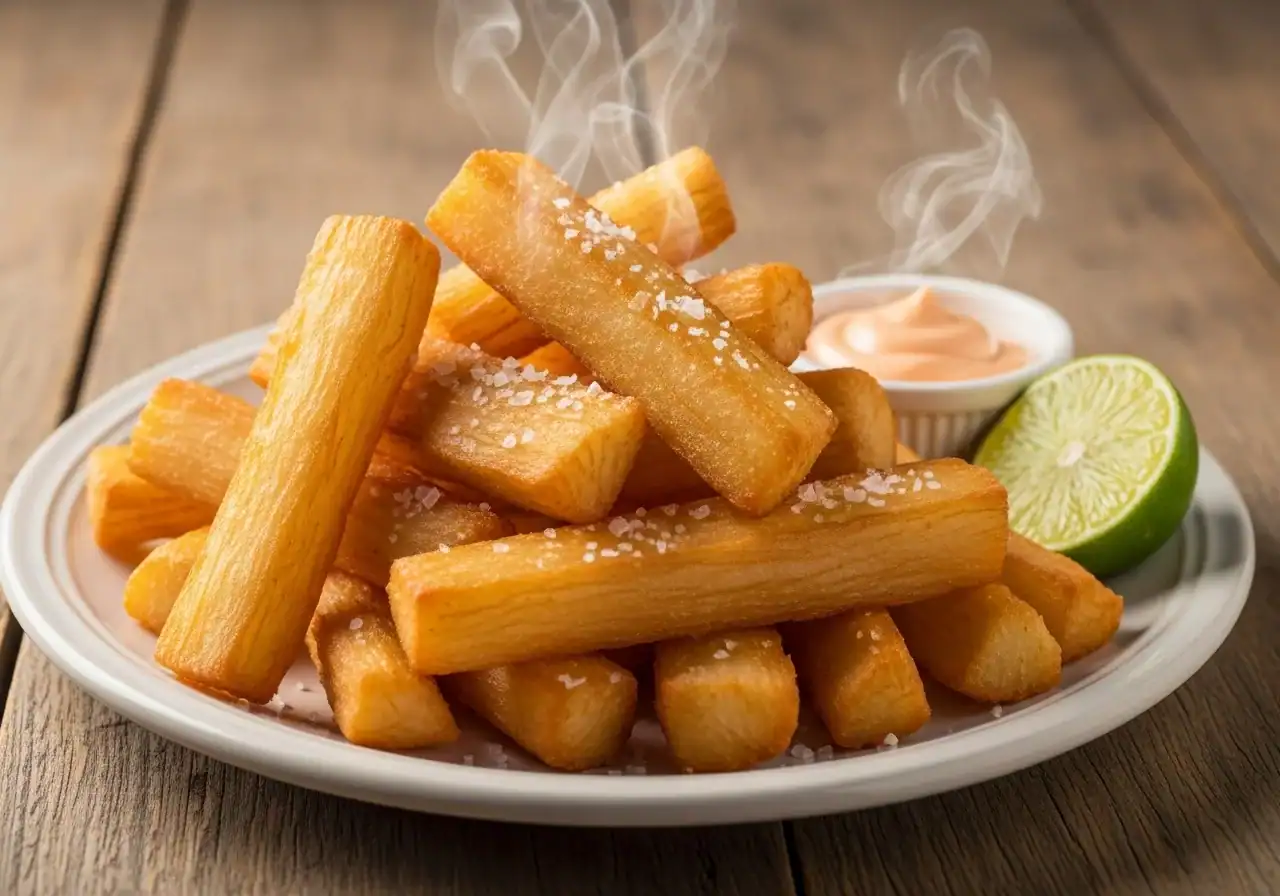
Yuca fries are what happens when a french fry grows up, moves to the Caribbean, and learns how to live. They're heartier, crispier, fluffier inside, and they hold up to dipping sauce in a way that a regular potato fry just does not.
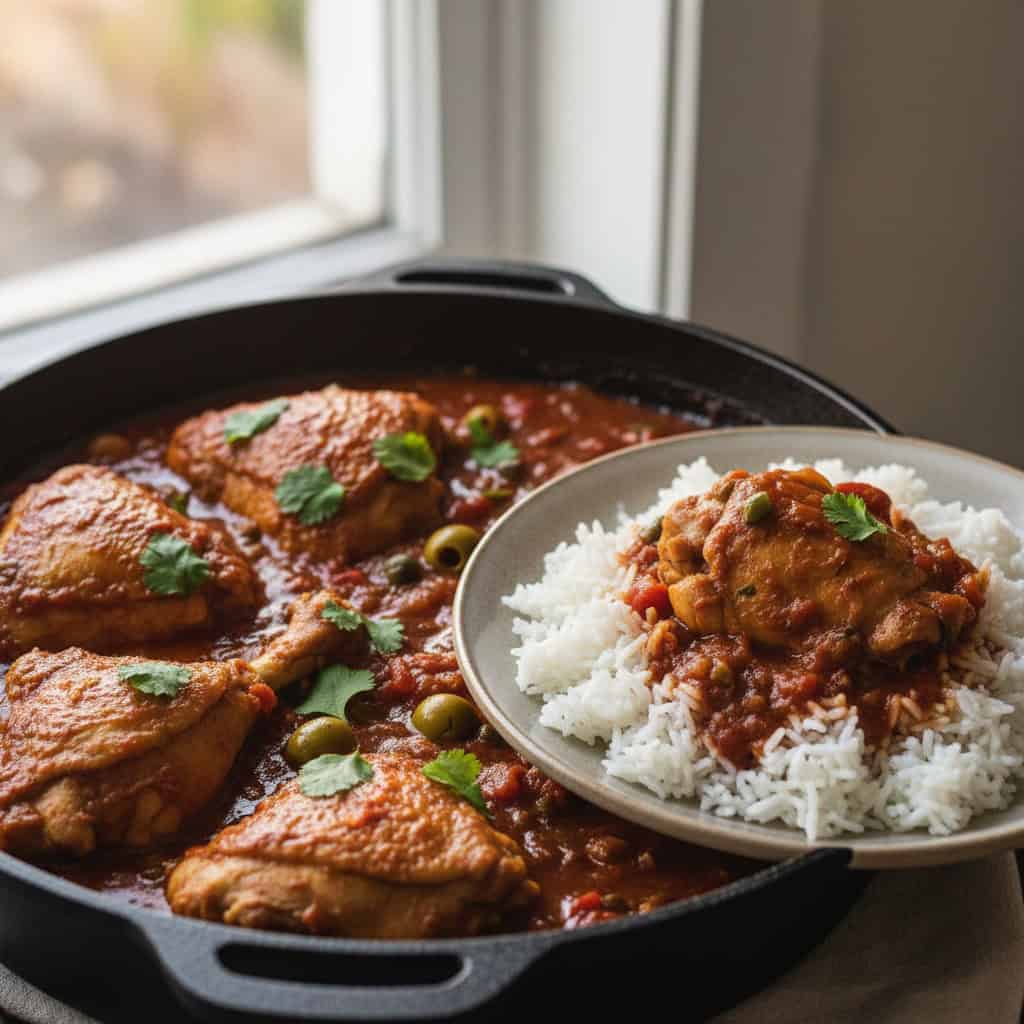
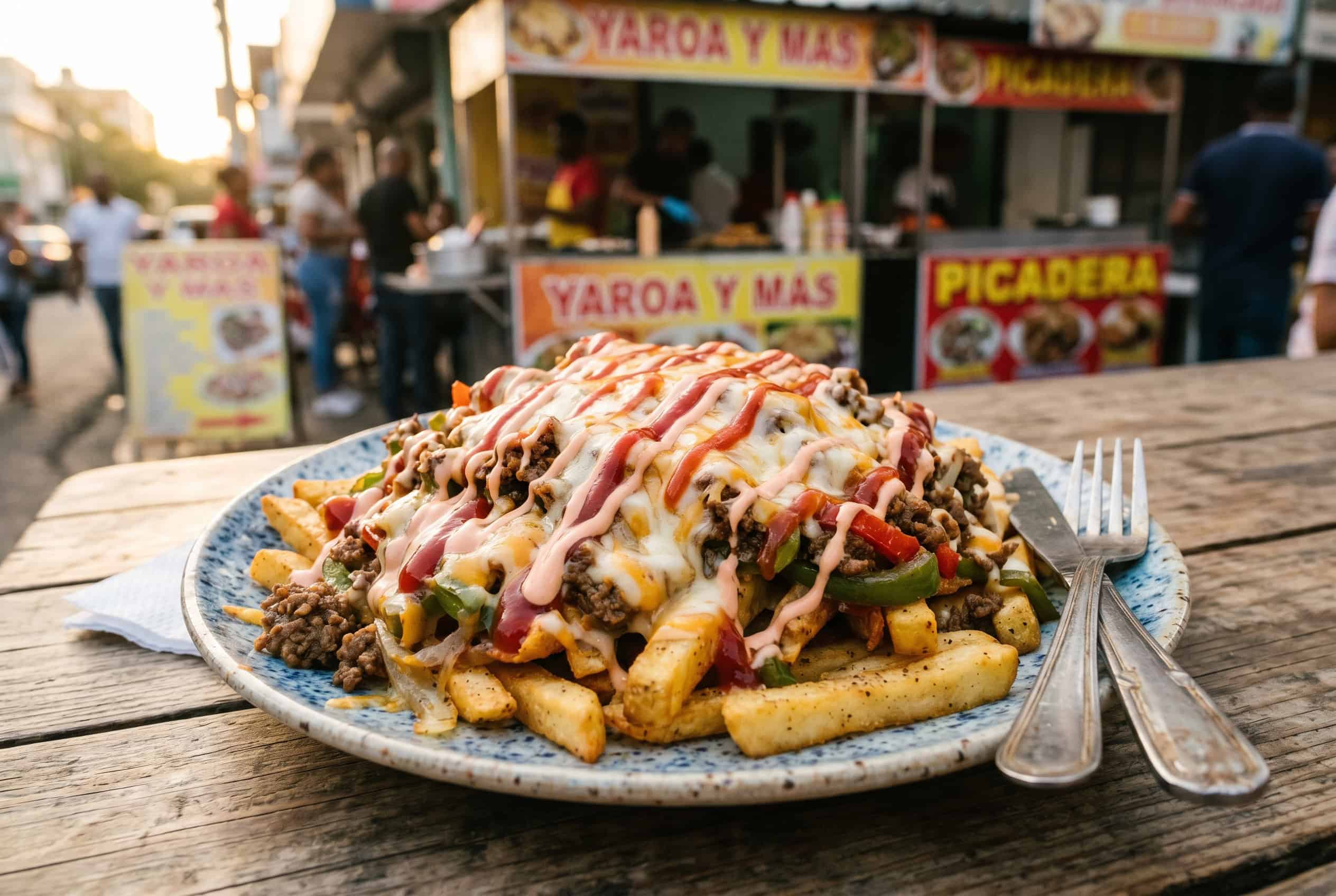
Every Dominican kid grew up eating these — served alongside pollo guisado, next to chicharrón de pollo, or just by themselves in a paper cone from a street vendor with pink mayo-ketchup sauce dripping down the side.
They take two steps — boil first, then fry — and once you know that, there is no way to mess them up. This is the full recipe, written for people who have never peeled a yuca in their life.
Why You'll Love This Recipe
- Shatter-crispy outside, cloud-fluffy inside. That specific two-texture thing potato fries only dream about.
- Two steps. That's it. Boil, then fry. If you can boil water and keep an eye on a pot of oil, you can make these.
- Naturally gluten-free. Yuca is a root — no flour, no breading, no coating. Just the vegetable, salt, and oil.
- Freezer-friendly. Boil a big batch on Sunday, freeze the pieces, fry straight from frozen any weeknight.
- Feeds a crowd on the cheap. A single bag of frozen yuca costs less than a fast-food combo and feeds four.
What Is Yuca (Also Called Cassava)
Yuca is a starchy tropical root that looks like a rough, waxy brown log with a slight taper at one end. Inside it's bright white and dense, almost chalky when raw. Cooked, it turns sweet, buttery, and soft — somewhere in the neighborhood of a potato but heavier and with more character. If you've eaten tapioca pudding, you've eaten yuca. Tapioca is made from the same root.
Yuca grew up in South America and spread across the tropics — the Caribbean, West Africa, Southeast Asia. On Dominican tables it's everywhere: boiled with onions for breakfast, mashed into mangú, baked into pastelón, and fried into these exact fries. It's cheap, it's filling, it stores forever, and it tastes like home. My grandmother kept a bag of frozen yuca in her freezer the way other grandmas keep ice cream.
One hard rule: you cannot eat yuca raw. Ever. The raw root contains natural compounds that are toxic until broken down by heat. Boiling or frying all the way through eliminates them completely — which is why the boil-first method isn't just about texture, it's about safety. Cook it properly and you're fine. Just don't be the person who samples a raw piece.
Fresh Yuca vs Frozen Yuca
Honest take: both work, and frozen is not a downgrade. In a lot of Dominican homes — even in the DR — frozen yuca is the weeknight default because it's already peeled, already cored, already in fry-shaped pieces. You dump it straight into boiling water and you're five minutes closer to dinner. Fresh yuca has a slightly better flavor and firmer bite, but that edge only matters if you're cooking for people who are paying close attention. Nobody eating fries with their fingers is rating the nuance of the root.
If you go fresh, look for roots that feel heavy and firm with no soft spots, no mold on the skin, and no blue or gray streaks in the flesh when you cut one open (yuca has a way of going bad at the core while the outside looks perfect — always cut and inspect before committing). If you go frozen, the three brands you'll see in any Latin grocery or big supermarket freezer aisle are Goya, La Fe, and Iberia. All three are solid. I use Goya most often because it's in every store. La Fe cuts their pieces a little chunkier, which I actually prefer. Iberia is fine and usually a dollar cheaper.
How to Peel Fresh Yuca
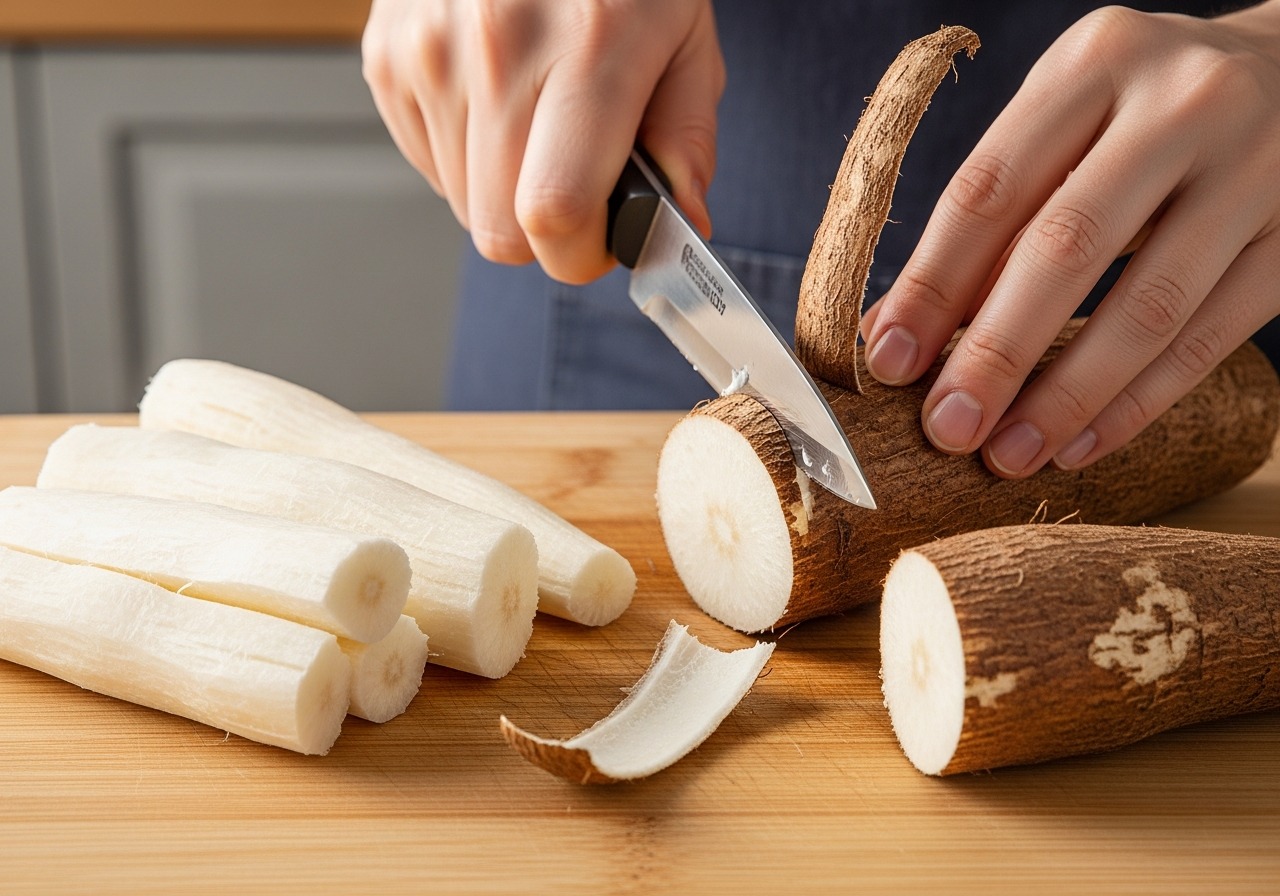
The bark is thicker than a potato skin and won't come off with a peeler. Use a knife. Here's the method that works every time:
- Cut the yuca into 3-inch logs. Short sections are way easier to handle than one long root.
- Stand a log on one end. With a sharp paring or chef's knife, slice straight down the side — through the brown bark and the pink layer underneath — until you hit white flesh. Rotate and repeat until the log is fully peeled.
- Split each peeled log in half lengthwise. You'll see a fibrous string or woody core running down the middle. Pinch it out with your knife tip — it's tough, stringy, and inedible.
- Cut each half into fry-shaped sticks — about 3 inches long and ½ inch thick. Keep them roughly uniform so they cook evenly.
- Drop the cut pieces into cold water as you work. This keeps them from discoloring while you finish peeling the rest.
It takes maybe ten minutes once you've done it twice. After that, muscle memory.
The Secret to Crispy Yuca Fries
The whole method is two steps, and each one has a job. Step one: boil. You start the yuca in cold salted water, bring it up to a rolling boil, then simmer 15–20 minutes until a fork slides in with just a little resistance — tender but not mushy. Over-boiled yuca falls apart in the fryer. Under-boiled yuca stays dense and raw-tasting in the middle no matter how long you fry it. Pull it from the water the moment it's fork-tender and drain it in a colander for a full five minutes so the steam can escape.
Now the part everybody rushes and everybody regrets: dry the yuca thoroughly before it goes anywhere near oil. Pat each piece with a clean towel. Wet yuca steams in the oil instead of crisping, and worse, it spatters. Then heat a neutral oil (vegetable, canola, or peanut) to 375°F — use a thermometer, not the "throw a piece in and see" method. Fry in batches that don't crowd the pot, 4–5 minutes per batch, until deep golden. Salt the second they come out, while the oil film is still wet and the salt will actually stick. That's the whole secret: boil right, dry right, fry hot, salt fast.
The Recipe
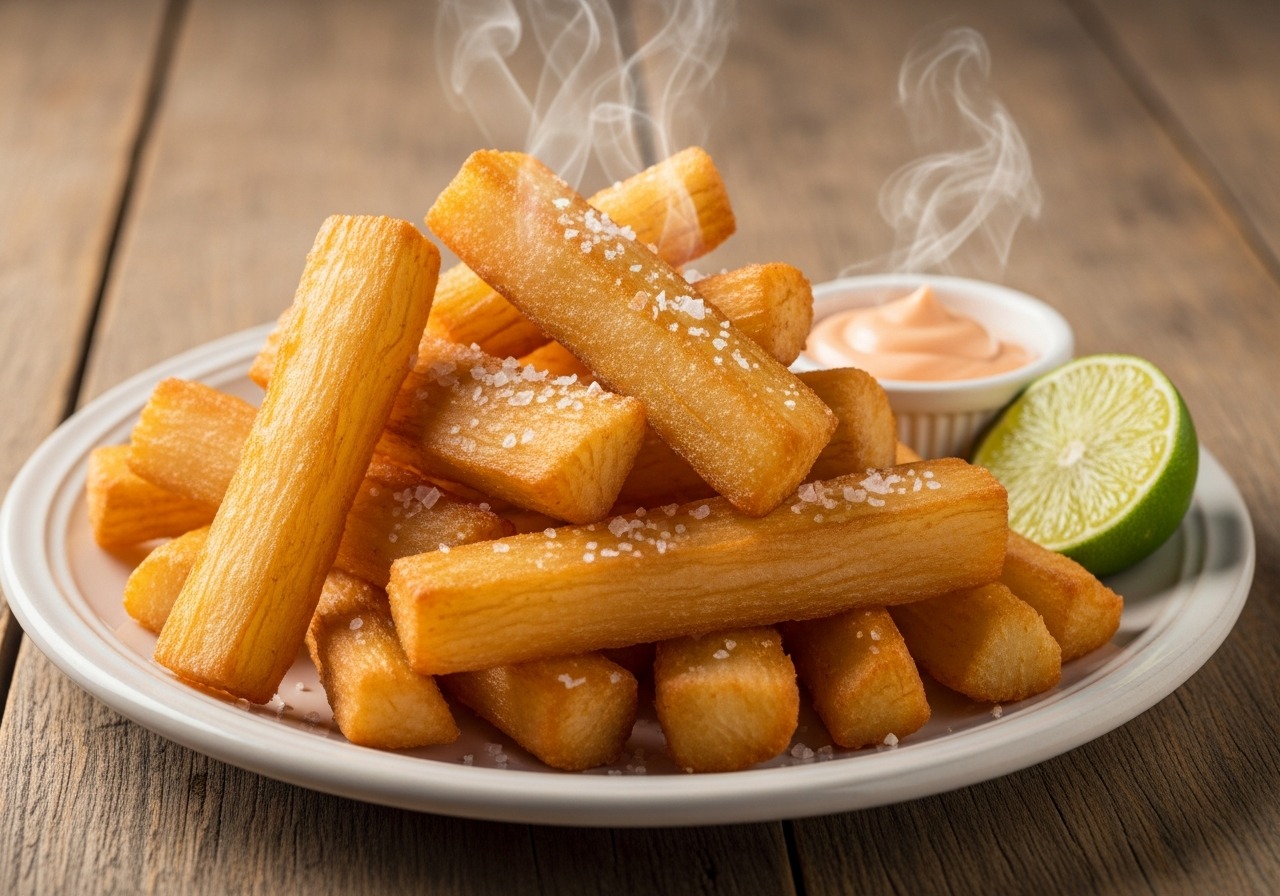
Yuca Fries Recipe (Dominican Style)
Ingredients
Equipment
Method
- If using fresh yuca, peel it, remove the fibrous woody core running down the center, and cut into 3-inch sticks about ½ inch thick. If using frozen, thaw slightly and pat dry.
- Bring a large pot of salted water to a boil. Add the yuca and cook 15-20 minutes until fork-tender but not falling apart. Drain and let rest 5 minutes. Pat completely dry with paper towels — moisture kills crispiness.
- Heat vegetable oil in a deep pot or Dutch oven to 375°F. Use a thermometer to check — too cool and the fries absorb oil, too hot and they burn before cooking through.
- Fry the yuca in batches — do not crowd the pot. Cook 4-5 minutes per batch until deeply golden and crispy. Remove with a slotted spoon and drain on a wire rack or paper towels.
- Salt immediately while hot. Add garlic powder if using. Do not wait — seasoning sticks best right out of the oil.
- Mix mayonnaise, ketchup, hot sauce, and lime juice in a small bowl until combined. Taste and adjust.
- Pile the fries up and serve immediately with mayo-ketchup sauce on the side. Yuca fries do not reheat well — eat them fresh and hot.
Notes
Tried this recipe?
Let us know how it was!How to Serve Yuca Fries
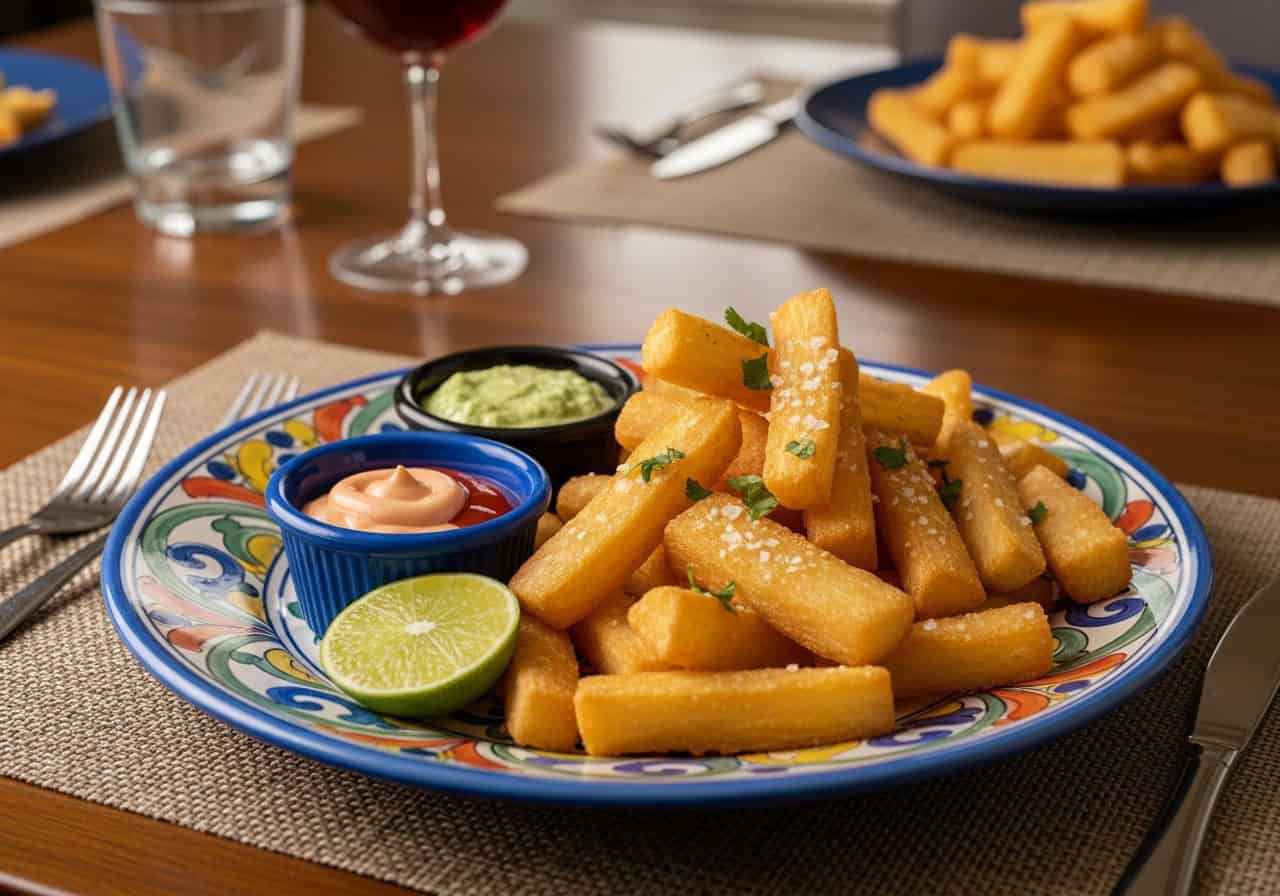
The Dominican default is pink mayo-ketchup, also called salsa rosada. Mix ½ cup mayo, 2 tablespoons ketchup, one small clove of grated garlic, a pinch of salt, and (optional but recommended) a few drops of hot sauce. Whisk it together with a fork. That's the sauce every Dominican kid grew up dunking fries into, and it is genuinely perfect — sweet, tangy, creamy, a little sharp from the garlic. Do not overthink it. Do not "elevate" it. It is already the right thing.
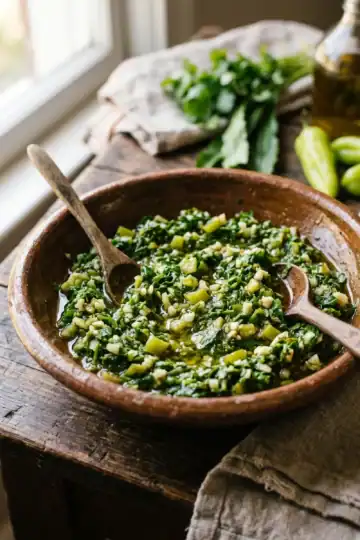
Two worthy alternatives: garlic mojo — melt 3 tablespoons butter with 4 grated garlic cloves, a squeeze of lime, and a pinch of salt, then spoon it straight over the hot fries (this is dangerous; you will eat the whole plate). And green cilantro sauce — blend 1 cup cilantro leaves, ¼ cup olive oil, 2 cloves garlic, juice of 1 lime, ½ teaspoon salt until smooth, thin with a splash of water. Brighter, herbier, nice when you want the fries to be a side and not the main event. For the full spread, pair the fries with chicharrón de pollo, pollo guisado, a grilled steak, or a fried egg for breakfast yuca (yes, that's a thing, and yes, it's great).
Can You Air Fry Yuca Fries?
Yes — with an honest caveat. Air-fried yuca will not hit the same shatter-crispy exterior as deep-fried. The crust comes out lighter, a little drier, more like a good roasted potato wedge than a proper fry. If that's the trade you want to make for less oil and a cleaner kitchen, it's a totally solid weeknight option. I make them this way probably a third of the time.
The method: boil the yuca first, same as the main recipe — do not skip the boil, air fryers don't cook yuca through from raw. Drain, dry well, then toss the pieces with 1–2 tablespoons of oil and a good pinch of salt. Spread in a single layer in the air fryer basket (work in batches if you have to — don't pile them). Cook at 400°F for 15–18 minutes, shaking the basket every 5 minutes, and spritz once with oil spray halfway through for extra color. Pull them when they're deeply golden on the edges. Salt again right out of the basket.
How to Store and Reheat
Here's the real answer: yuca fries are a fresh food. They are at their best in the ten minutes after they come out of the oil. After that the outside softens, the inside dries out a little, and you're eating something that's still good but clearly a leftover. If you can avoid making more than you'll eat, do that. Cook-to-eat is the move.
If you do have leftovers: store them in an airtight container in the fridge for up to 2 days. Do not microwave them. The microwave turns yuca fries into sad chewy sticks. Reheat in a 400°F oven on a wire rack for 8–10 minutes, or in an air fryer at 380°F for 4–5 minutes. Both methods re-crisp the outside reasonably well. And if you want to plan ahead: boil a double batch, cool the pieces, freeze them flat on a tray, then bag them once solid. Fry straight from frozen — they'll need an extra minute or two in the oil, and they come out fantastic.
More Dominican Recipes You'll Love
- Chicharrón de pollo — the unbeatable combo with yuca fries
- Pollo guisado — the sauce picks up the fries beautifully
- Any grilled meat — steak, chops, chicken thighs
- A fried egg for breakfast — yes, breakfast yuca is a thing
- By themselves with a cold Presidente
Make a batch. Put the mayo-ketchup in a small bowl. Eat them standing up over the counter — that is the most authentic way.


Leave a Reply