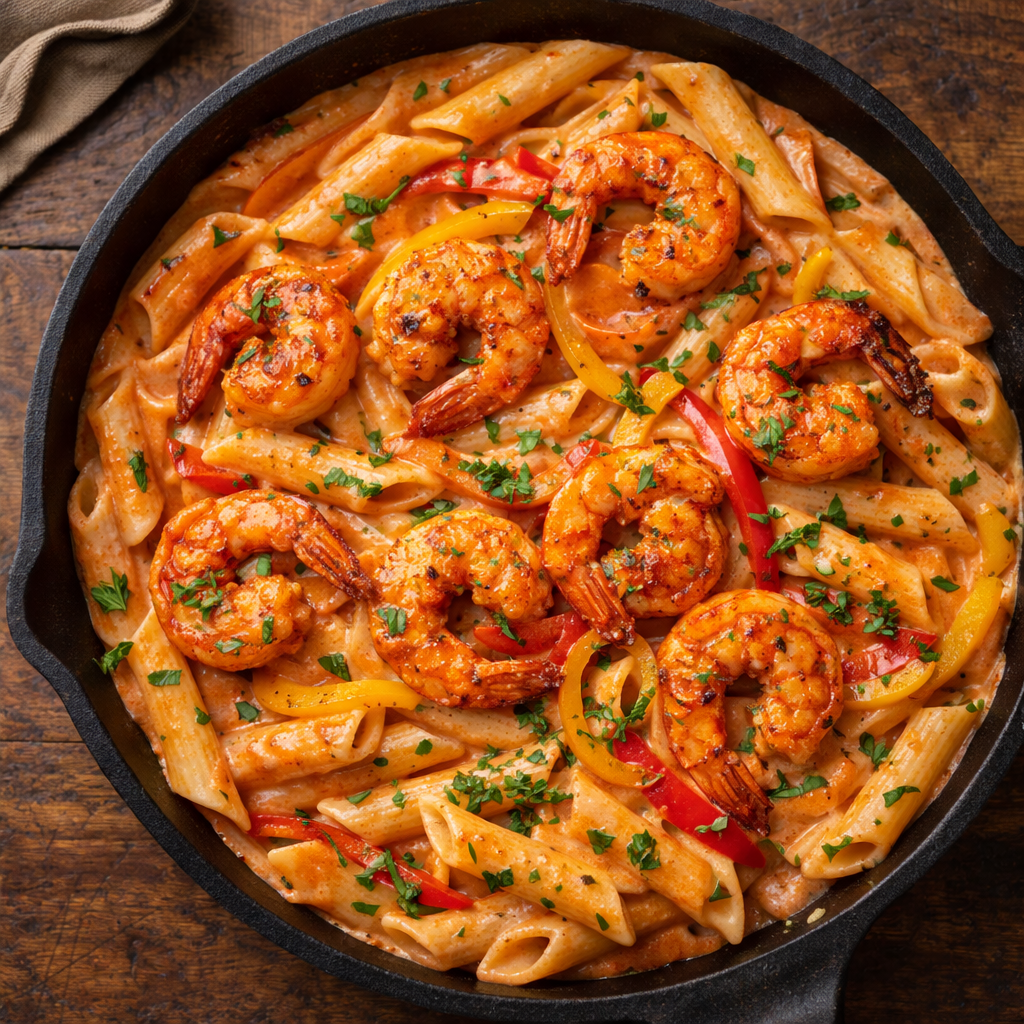
Ingredients
Method
- Ensure the shrimp is peeled and deveined, leaving tails on or off according to preference. Pat the shrimp dry with paper towels to optimize seasoning and browning.
- Toss the shrimp in a bowl with Cajun seasoning until evenly coated. Adjust seasoning quantity based on preferred spice level.
- Heat olive oil in a large skillet over medium-high heat. Add minced garlic and saute for about 30 seconds until fragrant, avoiding burning.
- Place seasoned shrimp in the skillet in a single layer. Cook for 2-3 minutes on each side until pink and opaque.
- Introduce butter to the skillet; let it melt and coat the shrimp. Squeeze fresh lemon juice over the shrimp and toss to combine.
- Adjust seasoning with a pinch of salt if needed. Garnish Cajun shrimp with chopped parsley and serve immediately.
Nutrition
Notes
Pro Tips:
Buy your shrimp with shells on, even if you plan to peel them. The shells contain natural sugars and proteins that caramelize beautifully when they hit hot oil, creating deeper flavor compounds that penetrate the meat during the brief cooking time. Never add your Cajun seasoning directly to screaming hot oil – it'll burn instantly and turn bitter. Instead, toss the shrimp with seasoning first, then add to medium-high heat. This technique lets the spices bloom gradually with the shrimp's natural moisture. After years of making this dish, I've learned that slightly underdone shrimp will finish cooking in their residual heat off the flame. Pull them when they're just shy of fully opaque – about 30 seconds earlier than you think they need. Source shrimp that's been treated with sodium tripolyphosphate (STP) sparingly or not at all. STP-heavy shrimp releases excess water when cooking, preventing the proper sear and diluting your carefully balanced Cajun flavors. Look for 'dry' or 'natural' labels.
Buy your shrimp with shells on, even if you plan to peel them. The shells contain natural sugars and proteins that caramelize beautifully when they hit hot oil, creating deeper flavor compounds that penetrate the meat during the brief cooking time. Never add your Cajun seasoning directly to screaming hot oil – it'll burn instantly and turn bitter. Instead, toss the shrimp with seasoning first, then add to medium-high heat. This technique lets the spices bloom gradually with the shrimp's natural moisture. After years of making this dish, I've learned that slightly underdone shrimp will finish cooking in their residual heat off the flame. Pull them when they're just shy of fully opaque – about 30 seconds earlier than you think they need. Source shrimp that's been treated with sodium tripolyphosphate (STP) sparingly or not at all. STP-heavy shrimp releases excess water when cooking, preventing the proper sear and diluting your carefully balanced Cajun flavors. Look for 'dry' or 'natural' labels.
