Ingredients
Method
- Cut the pork into 2-inch bite-sized pieces.
- In a large skillet over medium heat, add 2 tablespoons of vegetable oil. Sauté the pork belly until browned on all sides, working in batches to avoid overcrowding the pan. No need for marination!
- Set aside the browned pork and sauté sliced onions until translucent. Add minced garlic and sauté until fragrant.
- Return the pork to the skillet and add brown sugar, whole peppercorns, and bay leaves. Sauté to caramelize the sugar.
- Pour in regular soy sauce, white vinegar, and water. Bring the mixture to a boil, then reduce heat to low, cover, and simmer for 1 hour.
- After an hour, remove the lid, increase heat to medium, and reduce the liquid until it thickens into a delightful sauce.
- Save the leftovers for an even more flavorful experience the next day.
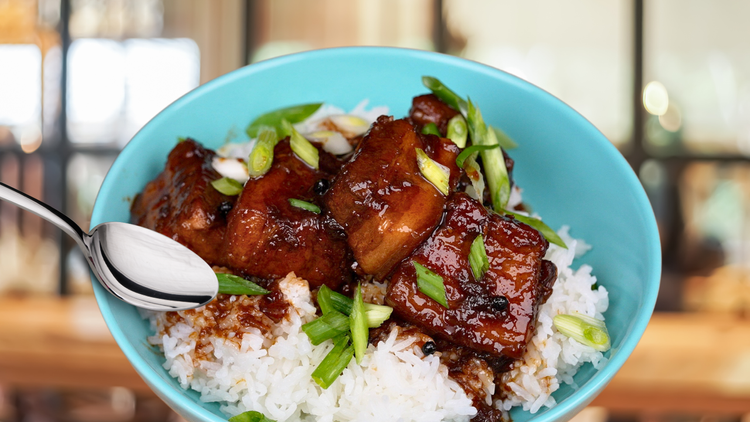
- Serve your Filipino-inspired Pork Adobo Delight over white rice and garnish with fresh scallions.
- Conclusion:
- Discover the joy of this quick and flavorful Filipino-inspired pork adobo recipe that brings together the essence of Filipino cuisine in a delightful fusion of tastes. Don't forget to subscribe, like, and share this recipe video. Enjoy your culinary adventure!
- Spam Musubi
Nutrition
Notes
Pro Tips:
Use pork shoulder with some fat marbling rather than lean cuts - the fat renders slowly during the long braise, creating that silky sauce texture that makes adobo so addictive and keeps the meat incredibly tender. Toast your whole peppercorns in a dry pan before adding them - this releases oils that create a deeper, more complex heat that permeates the braising liquid instead of just sitting on the surface. Start with less soy sauce than you think you need and add gradually during cooking - the liquid reduces significantly, and I've learned from overcooking countless batches that it's easier to add than to fix an overly salty disaster. Let the pork fry in its own rendered fat at the end after most liquid evaporates - this creates those crispy, caramelized edges while the interior stays moist, giving you the perfect textural contrast that separates great adobo from good adobo. Storage & Meal Prep:
Save leftovers for an even more flavorful experience the next day — adobo tastes better as the flavors meld.
Use pork shoulder with some fat marbling rather than lean cuts - the fat renders slowly during the long braise, creating that silky sauce texture that makes adobo so addictive and keeps the meat incredibly tender. Toast your whole peppercorns in a dry pan before adding them - this releases oils that create a deeper, more complex heat that permeates the braising liquid instead of just sitting on the surface. Start with less soy sauce than you think you need and add gradually during cooking - the liquid reduces significantly, and I've learned from overcooking countless batches that it's easier to add than to fix an overly salty disaster. Let the pork fry in its own rendered fat at the end after most liquid evaporates - this creates those crispy, caramelized edges while the interior stays moist, giving you the perfect textural contrast that separates great adobo from good adobo. Storage & Meal Prep:
Save leftovers for an even more flavorful experience the next day — adobo tastes better as the flavors meld.
