Ingredients
Method
- If using vinegar substitute, combine whole milk and vinegar, set aside.
- In a large mixing bowl, sift together all-purpose flour, granulated sugar, baking powder, and salt.
- In another bowl, mix melted butter, vanilla extract, and the large egg.
- Combine the wet and dry ingredients, being careful not to overmix; leave the batter slightly lumpy for fluffier pancakes.
- Heat a nonstick frying pan over medium heat, spray with non-stick cooking spray.
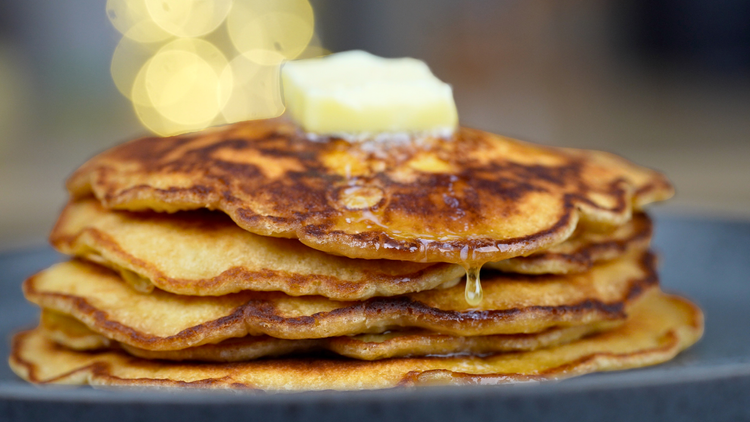
- Pour half a cup of batter into the pan and cook until golden on the bottom with bubbles appearing on top.
- Flip and cook for an additional minute or until golden brown.
- Cook pancakes in batches, adding more cooking spray as needed.
- Thin Pancake Variation:
- For picky eaters who prefer thin pancakes, overmix the batter to develop gluten, resulting in thinner and flatter pancakes. Cook them similarly to the fluffy ones until golden brown.
- Conclusion:
- Enjoy your homemade pancakes and delve into their fascinating history.
- Overnight Oats
- Baked Pumpkin Donuts
- Banana Bread Muffin
- French Toast
Nutrition
Notes
Pro Tips:
After making hundreds of batches, I've learned to add one extra tablespoon of milk per cup of flour beyond what recipes call for. Pancake batter naturally thickens as it sits because flour continues absorbing liquid, so this prevents dense, thick pancakes from your second batch. Always buy baking powder in small containers and replace every 6 months, even if it hasn't expired. Fresh baking powder creates those signature fluffy air pockets, while old powder barely reacts, leaving you with flat, dense pancakes that taste more like crepes. Heat your griddle to exactly 375°F – a drop of water should dance and evaporate in 2-3 seconds. Too hot and the outside burns before the inside cooks; too cool and you lose that crucial steam lift that creates the fluffy texture we're after. Mix your batter with exactly 12-15 gentle folds, leaving visible flour streaks. Overmixed batter develops tough gluten strands that create chewy, dense pancakes instead of the light, tender crumb that makes people think you used a secret ingredient.
After making hundreds of batches, I've learned to add one extra tablespoon of milk per cup of flour beyond what recipes call for. Pancake batter naturally thickens as it sits because flour continues absorbing liquid, so this prevents dense, thick pancakes from your second batch. Always buy baking powder in small containers and replace every 6 months, even if it hasn't expired. Fresh baking powder creates those signature fluffy air pockets, while old powder barely reacts, leaving you with flat, dense pancakes that taste more like crepes. Heat your griddle to exactly 375°F – a drop of water should dance and evaporate in 2-3 seconds. Too hot and the outside burns before the inside cooks; too cool and you lose that crucial steam lift that creates the fluffy texture we're after. Mix your batter with exactly 12-15 gentle folds, leaving visible flour streaks. Overmixed batter develops tough gluten strands that create chewy, dense pancakes instead of the light, tender crumb that makes people think you used a secret ingredient.