
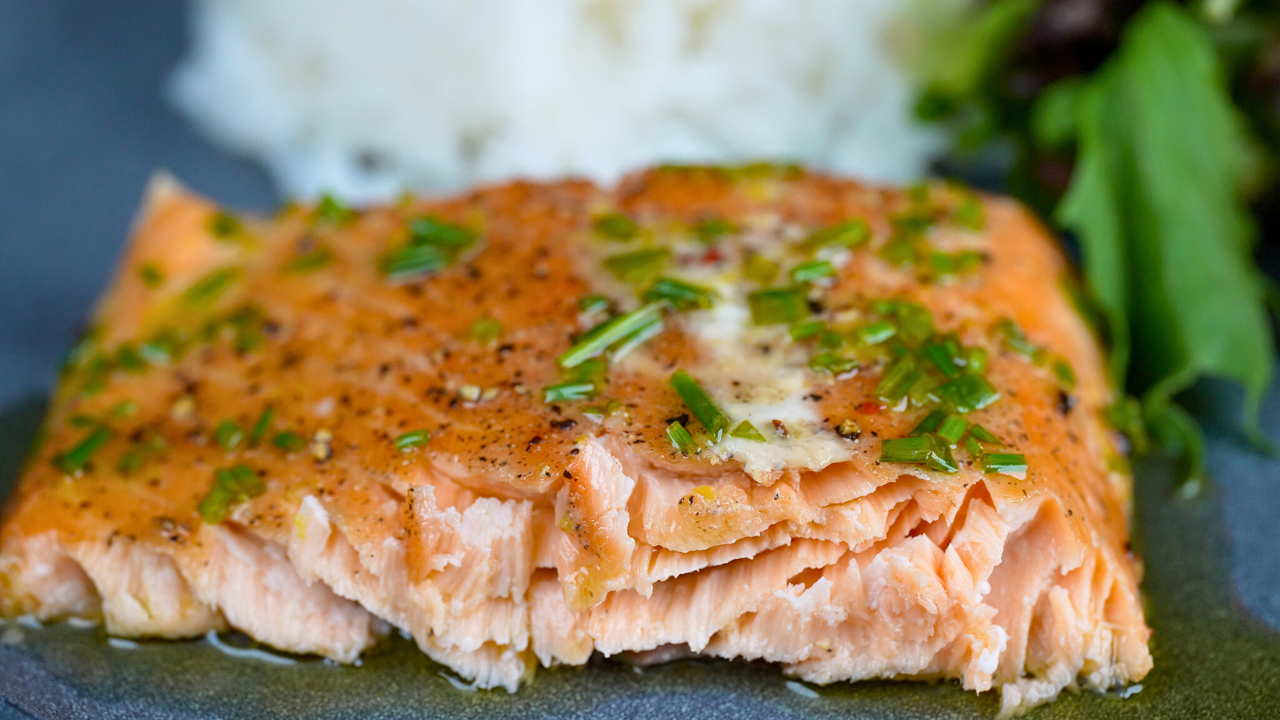
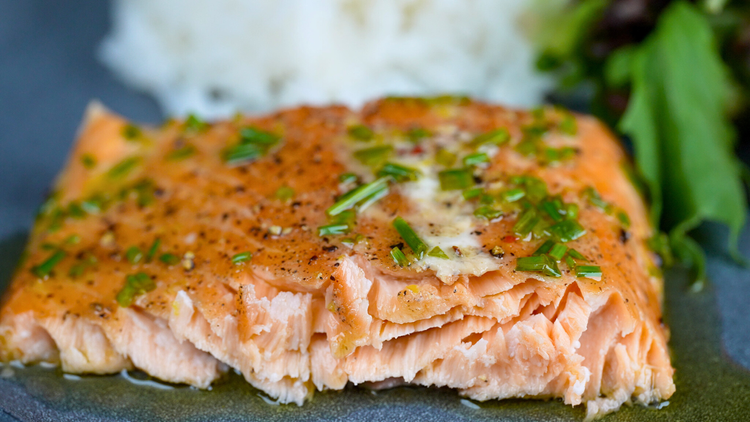
This Slow-Roasted Salmon with Chives and Lemon is light, flavorful, and comes together in no time. Perfect for a healthy weeknight dinner or when you want something a little more elegant, this recipe never disappoints. Fresh, simple, and absolutely delicious!
About This Recipe
In the Nordic regions where slow-roasted salmon originated, families traditionally cook this dish at different temperatures based on their wood-burning oven's capabilities. Norwegian coastal families often roast at 275°F for nearly an hour, while Danish households prefer 225°F for up to 90 minutes. The key difference? The lower temperature creates what Scandinavians call 'silky salmon' — fish that flakes like butter rather than traditional cooked salmon. This technique actually changes the protein structure differently than higher heat, keeping more moisture locked in the muscle fibers. What most home cooks don't realize is that the chives aren't just garnish — they're added during the last 10 minutes of cooking in traditional preparations, allowing their mild onion oils to infuse the fish without becoming bitter. This timing creates a subtle aromatic layer that complements the lemon's acidity. When I make this dish, I always think about how this gentle cooking method transforms something as simple as salmon into restaurant-quality results that honor the Nordic tradition of respecting the ingredient's natural flavors.
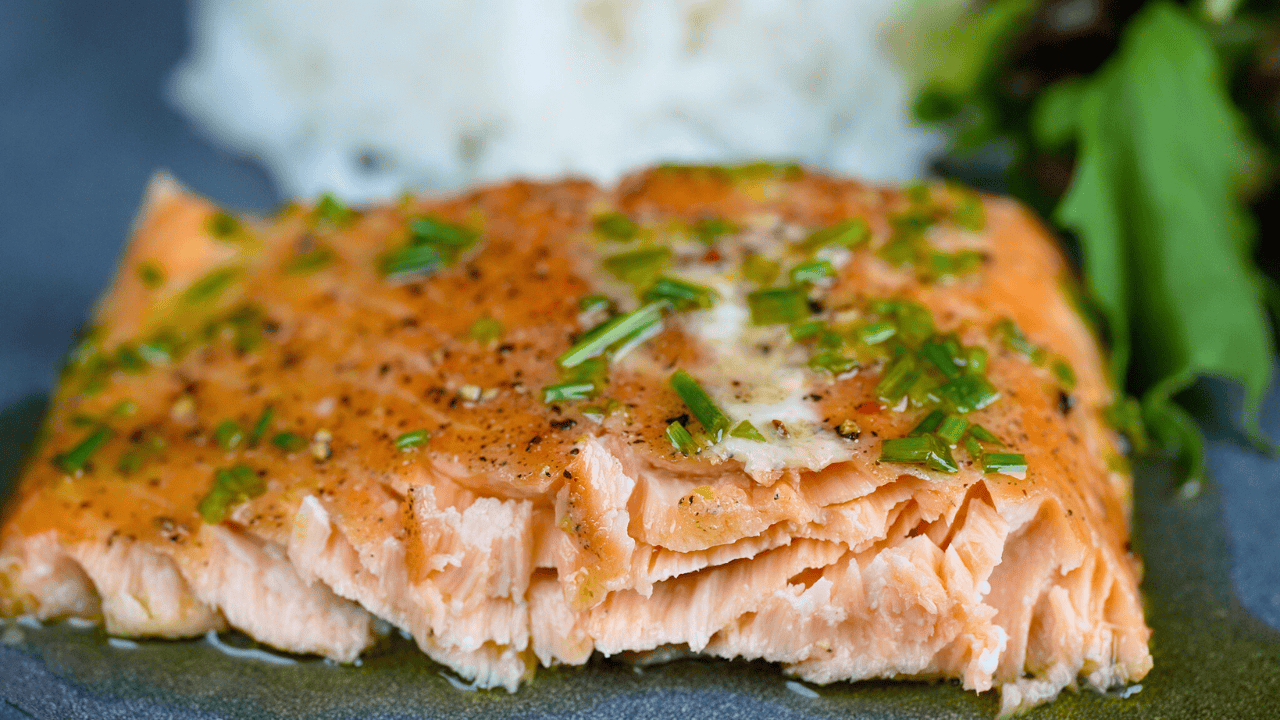
Ingredients for Slow-Roasted Salmon with Chives and Lemon
- 4 salmon fillets — about 6 oz each
- 1 lemon — thinly sliced
- ¼ cup chopped fresh chives
- ¼ cup extra-virgin olive oil
- Salt and freshly ground black pepper
- 1 teaspoon lemon zest — optional
- Fresh chive sprigs for garnish — optional
Substitutions & Variations
- Fresh chives: Replace with fresh cilantro or culantro for a Caribbean twist that adds a bright, herbaceous flavor with more intensity than chives.
- Lemon slices and zest: Substitute with lime slices and zest, or try sour orange (naranja agria) if available, for a more tropical citrus profile that's common in Dominican cooking.
- Salmon fillets: Use red snapper, mahi-mahi, or grouper instead for fish that are more readily available in Caribbean markets and offer a firmer, slightly sweeter flesh.
- Extra-virgin olive oil: Switch to coconut oil for a subtle tropical flavor that complements the fish while adding richness without overpowering the delicate taste.
- Slow-roasting technique: Try wrapping the seasoned salmon in banana leaves before roasting for a traditional Caribbean method that infuses the fish with earthy, subtle flavors.
- Simple seasoning: Add a Dominican sazón blend with oregano, garlic powder, and a pinch of bijol for color to give the fish a more robust, island-style flavor profile.
How to Make Slow-Roasted Salmon with Chives and Lemon
- Preheat your oven to 275°F (135°C).
- Place the salmon fillets on a baking sheet lined with parchment paper.
- Drizzle the olive oil over the salmon, ensuring each fillet is well-coated.
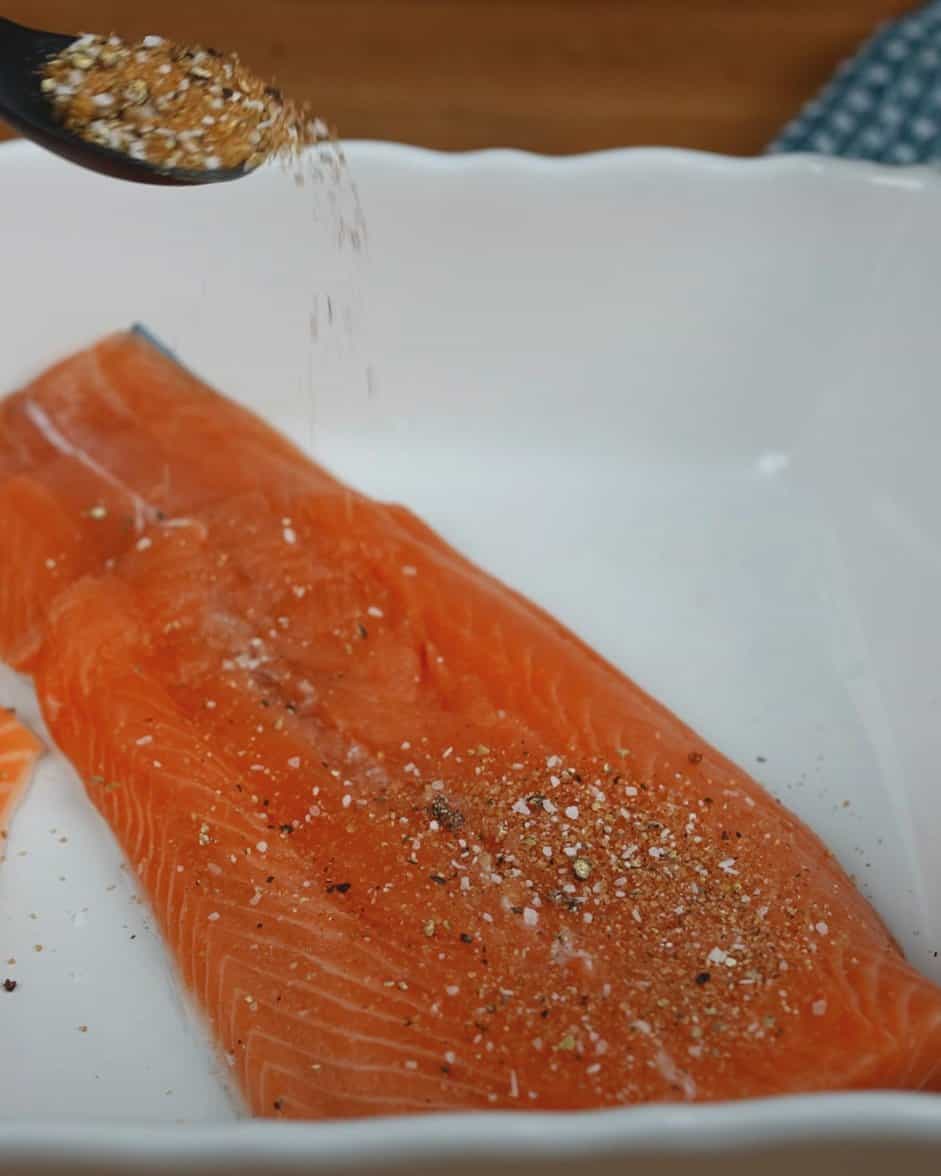
- Season with salt and freshly ground black pepper to taste.
- Arrange the lemon slices over the top of the salmon fillets.
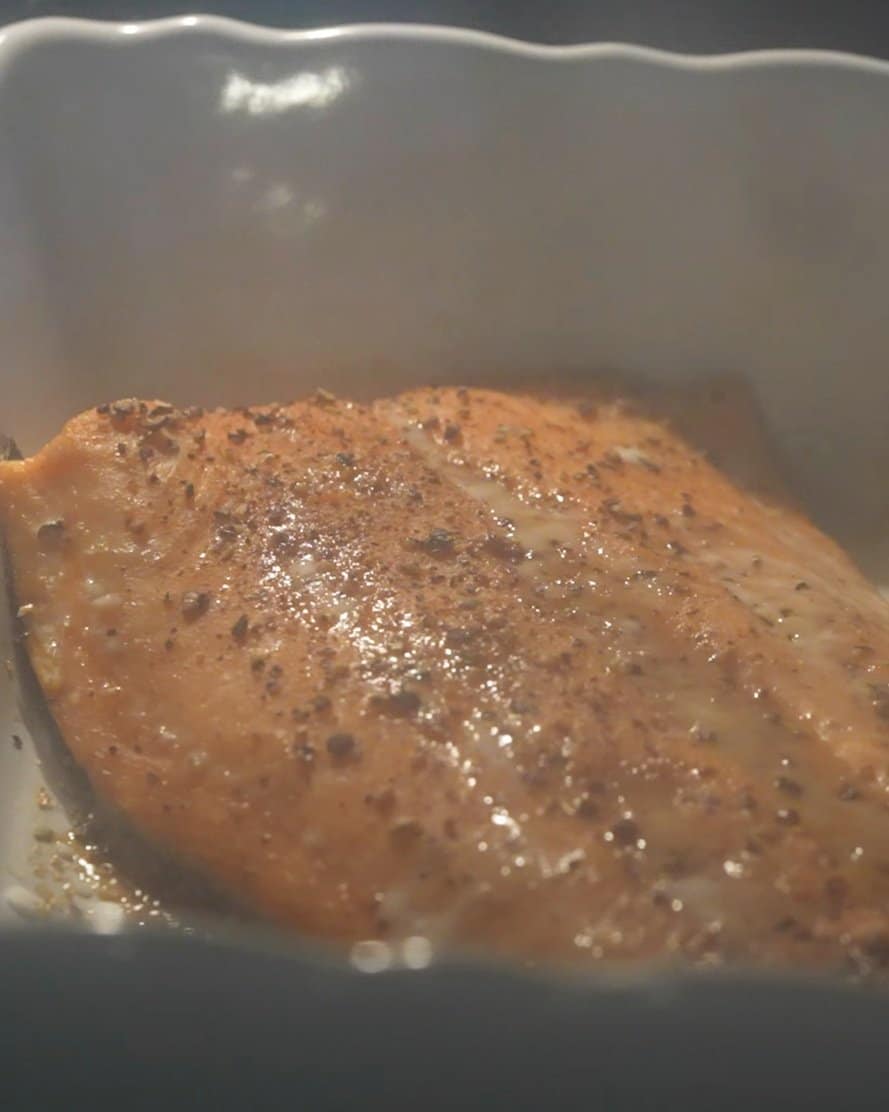
- Roast the salmon in the preheated oven for about 25 minutes, or until it flakes easily with a fork and is cooked through.
- Remove the salmon from the oven and sprinkle with chopped chives and lemon zest (if using).
- Garnish with fresh chive sprigs for a vibrant presentation.
- Serve immediately, paired with your favorite sides.
What to Serve With Slow-Roasted Salmon with Chives and Lemon
The bright citrus notes in this salmon pair beautifully with my Dominican-style rice and beans - the earthy, creamy texture of the beans balances the delicate fish perfectly. It's a combination that reminds me of Sunday dinners growing up, where fresh seafood met our traditional flavors.
For something lighter, try serving this alongside roasted asparagus with garlic and a squeeze of fresh lime. The asparagus's slight bitterness plays off the salmon's richness, while both the chives and lime create this gorgeous herbaceous bridge between the two dishes.
A simple butter lettuce salad dressed with champagne vinegar brings out the salmon's subtle flavors without competing. The crisp, clean lettuce provides textural contrast to the tender fish, and that gentle acidity from the vinegar echoes the lemon beautifully.
Frequently Asked Questions
1. What temperature is best for slow-roasting salmon?
275°F is the ideal temperature for slow-roasting. The gentle heat cooks the salmon evenly throughout, producing an incredibly silky, almost custard-like texture that high heat cannot achieve.
2. How long does salmon take at 275°F?
About 20-30 minutes for 1-inch thick fillets. The salmon is done when it flakes easily and is just opaque in the center. A meat thermometer should read 125-130°F for the silkiest result.
3. Why slow-roast instead of using high heat?
Slow-roasting eliminates the white albumin protein that seeps out at high temperatures. The result is a more evenly cooked, incredibly tender fillet with no dry edges or raw center.
4. What type of salmon is best for slow-roasting?
Center-cut salmon fillets about 1-1.5 inches thick give the most uniform result. Wild salmon has a firmer texture while farm-raised is fattier and more forgiving.
5. Do I need to sear the salmon first?
Searing is optional but recommended for added flavor. Sear skin-side down in a hot pan for 3 minutes first, then transfer to the oven to finish gently at low temperature.
6. What is the white stuff that comes out of salmon?
That is albumin — a protein that coagulates and squeezes out when salmon is cooked at high temperatures. Slow-roasting at low heat minimizes albumin release dramatically.
7. How do I use the chive and lemon garnish?
Mix finely chopped fresh chives with lemon zest, a squeeze of lemon juice, flaky sea salt, and a drizzle of olive oil. Spoon over the salmon immediately after cooking.
8. Should I roast salmon skin-on or skin-off?
Skin-on protects the bottom of the fillet from direct heat and adds a layer of flavor. The skin peels off easily after cooking if you prefer to remove it.
9. What side dishes complement slow-roasted salmon?
Roasted asparagus, a light arugula salad, steamed green beans, lemon-herb couscous, or garlic mashed potatoes all pair beautifully with the delicate, silky fish.
10. How do I store leftover slow-roasted salmon?
Refrigerate in an airtight container for up to 2 days. Slow-roasted salmon is actually excellent served cold the next day — flake it over salads or into grain bowls.
Slow-Roasted Salmon with Chives and Video
Slow-Roasted Salmon with Chives and Lemon
Ingredients
Method
- Preheat your oven to 275°F (135°C).
- Place the salmon fillets on a baking sheet lined with parchment paper.
- Drizzle the olive oil over the salmon, ensuring each fillet is well-coated.
- Season with salt and freshly ground black pepper to taste.
- Arrange the lemon slices over the top of the salmon fillets.
- Roast the salmon in the preheated oven for about 25 minutes, or until it flakes easily with a fork and is cooked through.
- Remove the salmon from the oven and sprinkle with chopped chives and lemon zest (if using).
- Garnish with fresh chive sprigs for a vibrant presentation.
- Serve immediately, paired with your favorite sides.
Nutrition
Video
Notes
Look for salmon with bright orange-pink color and firm flesh that springs back when pressed — avoid any with white lines running through it, because those are fat deposits that will render out during slow roasting and leave you with oily, less flaky fish. Set your oven to exactly 275°F and use an oven thermometer to verify, because even 25 degrees higher will change the texture from silky to standard cooked salmon — I learned this after overcooking dozens of fillets in my early attempts. Add the chives in the final 8-10 minutes of cooking rather than at the start, because their delicate oils become bitter with prolonged heat exposure, and you want that fresh, mild onion note to complement rather than overpower the fish. Pat the salmon completely dry and let it sit uncovered for 15 minutes before seasoning, because surface moisture creates steam during the slow roast, preventing the exterior from developing that subtle firmness while keeping the inside creamy. Storage & Meal Prep:
Place the salmon in an airtight container and refrigerate for up to 2 days. Gently reheat in a low oven or microwave to maintain moisture and texture. Parchment paper prevents sticking and makes cleanup easier.
Tried this recipe?
Let us know how it was!Filed Under
You May Also Like
Kitchen Tools Used in This Recipe
- 🔗 Sheet Pan
- 🔗 Thermometer
As an Amazon Associate I earn from qualifying purchases.





Leave a Reply