
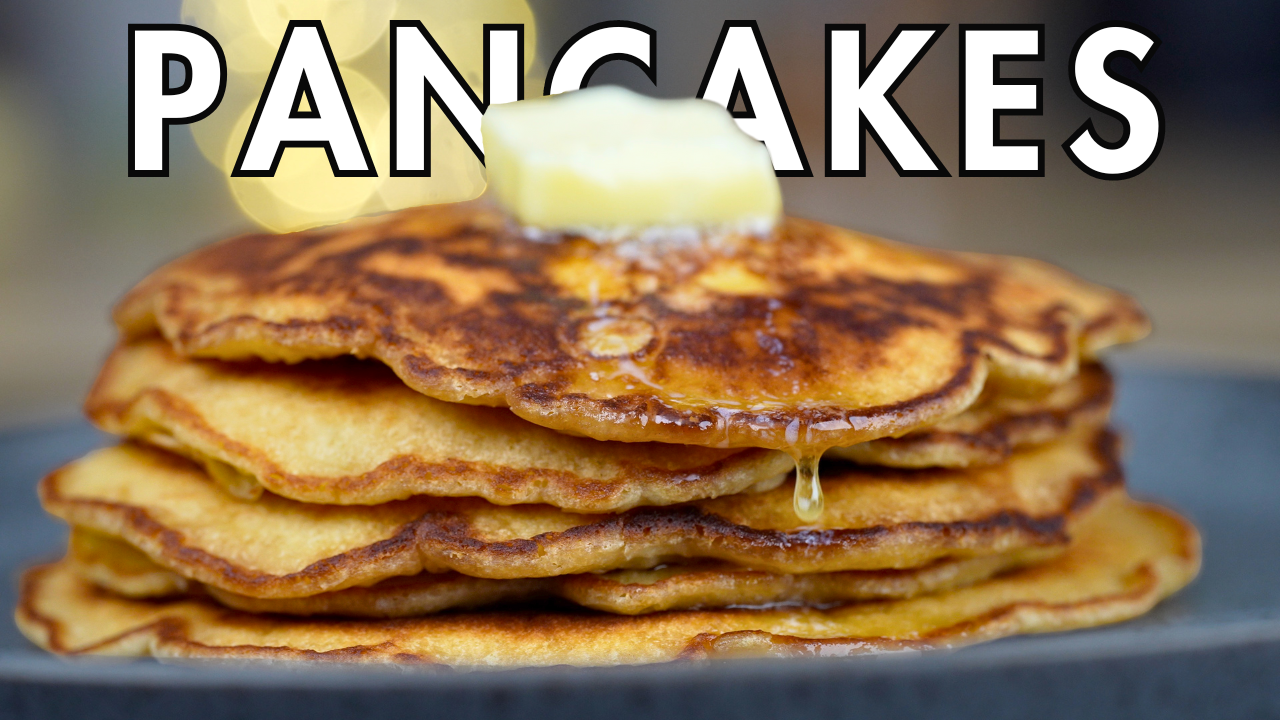
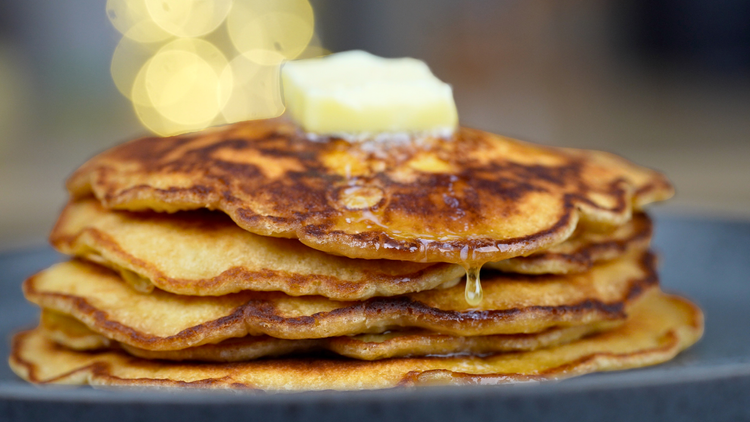
This Homemade Fluffy Pancakes Recipe is an absolute crowd-pleaser and so much easier to make than you'd think. Rich, indulgent, and perfectly sweet, it's the kind of treat that disappears fast. Get ready for everyone to ask you for the recipe!
About This Recipe
Here's the pancake science that changed my game: when you mix wet and cold ingredients into flour, you're creating a temperature shock that limits gluten development. But here's what most home cooks miss – the real magic happens when cold milk hits hot baking powder in the batter. This creates an immediate CO2 release that forms those perfect air pockets, but only if you get the pancakes onto a preheated surface within 2-3 minutes. Wait longer, and you lose that initial lift. The bubbling you see on the surface isn't just steam – it's actually the baking powder's second reaction happening as the batter heats up. This double-action process is why your first pancake from fresh batter is always fluffier than ones made from batter that's been sitting. In my Santo Domingo kitchen, my abuela taught me this timing matters more than any fancy ingredient – she'd say 'la masa no espera' (the batter doesn't wait).
Ingredients for Homemade Fluffy Pancakes
- 1 cup buttermilk
- If unavailable, substitute with 1 cup whole milk and 1 tablespoon vinegar
- 1 and ⅓ cups all-purpose flour
- 2 tablespoons granulated sugar
- 1 teaspoon baking powder
- 1 teaspoon salt
- 4 tablespoons melted butter
- 2 teaspoons pure vanilla extract
- 1 large egg
How to Make Homemade Fluffy Pancakes
- If using vinegar substitute, combine whole milk and vinegar, set aside.
- In a large mixing bowl, sift together all-purpose flour, granulated sugar, baking powder, and salt.
- In another bowl, mix melted butter, vanilla extract, and the large egg.
- Combine the wet and dry ingredients, being careful not to overmix; leave the batter slightly lumpy for fluffier pancakes.
- Heat a nonstick frying pan over medium heat, spray with non-stick cooking spray.
- Pour half a cup of batter into the pan and cook until golden on the bottom with bubbles appearing on top.
- Flip and cook for an additional minute or until golden brown.
- Cook pancakes in batches, adding more cooking spray as needed.
- Thin Pancake Variation:
- For picky eaters who prefer thin pancakes, overmix the batter to develop gluten, resulting in thinner and flatter pancakes. Cook them similarly to the fluffy ones until golden brown.
- Conclusion:
- Enjoy your homemade pancakes and delve into their fascinating history.
- Overnight Oats
- Baked Pumpkin Donuts
- Banana Bread Muffin
- French Toast
What to Serve With Homemade Fluffy Pancakes
These fluffy pancakes pair beautifully with crispy bacon or savory breakfast sausage – the salty, smoky flavors create that perfect sweet-and-salty balance that makes your taste buds sing. The contrast between the soft, pillowy pancakes and the crispy meat texture elevates the entire breakfast experience.
For a taste of the islands, try serving these with fresh tropical fruit like mango, pineapple, or papaya. The bright acidity and natural sweetness of the fruit cuts through the richness of the pancakes, while adding that vibrant Caribbean flair that always reminds me of weekend mornings back home.
My homemade maple butter spread takes these pancakes to another level – the creamy, sweet richness melts right into every fluffy layer. Add a sprinkle of toasted pecans or walnuts for that satisfying crunch that makes each bite more interesting than the last.
Frequently Asked Questions
1. What makes pancakes fluffy?
Properly activated baking powder and baking soda create air bubbles that expand during cooking. Separating eggs and folding in whipped whites adds extra lift and lightness.
2. Why should I not overmix pancake batter?
Overmixing develops gluten, making pancakes tough and chewy. Stir until just combined — lumpy batter is actually better. The lumps disappear as the pancakes cook.
3. What is the ideal pancake batter consistency?
The batter should be pourable but slightly thick — it should drip slowly off a spoon, not pour like water. If too thick, add milk a tablespoon at a time.
4. Should I use buttermilk or regular milk?
Buttermilk produces the fluffiest, most tender pancakes because the acid reacts with baking soda to create extra lift. Regular milk with a tablespoon of vinegar is a substitute.
5. What temperature should the griddle be?
325-350°F (medium heat). Drop a few drops of water on the surface — they should sizzle and evaporate within a few seconds. Too hot burns the outside before the inside cooks.
6. How do I know when to flip pancakes?
Flip when bubbles form across the entire surface and the edges look set and slightly dry — about 2-3 minutes. Only flip once. Peek under the edge to check for golden brown color.
7. Should I grease the pan with butter or oil?
A thin coat of butter gives the best flavor and golden color. Use a paper towel to spread a thin layer — too much butter makes the edges greasy instead of crispy.
8. Can I make pancake batter the night before?
Mixing the dry and wet ingredients separately the night before works. Combine them in the morning — the leavening agents work best when freshly activated.
9. How do I keep pancakes warm while making a big batch?
Place cooked pancakes in a single layer on a wire rack in a 200°F oven. Do not stack them or they will steam and become soggy.
10. Can I freeze leftover pancakes?
Yes — cool completely, stack with parchment between each pancake, and freeze in a zip-top bag for up to 2 months. Reheat in the toaster for a quick weekday breakfast.
Homemade Fluffy Pancakes Video
Homemade Fluffy Pancakes Recipe
Ingredients
Method
- If using vinegar substitute, combine whole milk and vinegar, set aside.
- In a large mixing bowl, sift together all-purpose flour, granulated sugar, baking powder, and salt.
- In another bowl, mix melted butter, vanilla extract, and the large egg.
- Combine the wet and dry ingredients, being careful not to overmix; leave the batter slightly lumpy for fluffier pancakes.
- Heat a nonstick frying pan over medium heat, spray with non-stick cooking spray.
- Pour half a cup of batter into the pan and cook until golden on the bottom with bubbles appearing on top.
- Flip and cook for an additional minute or until golden brown.
- Cook pancakes in batches, adding more cooking spray as needed.
- Thin Pancake Variation:
- For picky eaters who prefer thin pancakes, overmix the batter to develop gluten, resulting in thinner and flatter pancakes. Cook them similarly to the fluffy ones until golden brown.
- Conclusion:
- Enjoy your homemade pancakes and delve into their fascinating history.
- Overnight Oats
- Baked Pumpkin Donuts
- Banana Bread Muffin
- French Toast
Nutrition
Notes
After making hundreds of batches, I've learned to add one extra tablespoon of milk per cup of flour beyond what recipes call for. Pancake batter naturally thickens as it sits because flour continues absorbing liquid, so this prevents dense, thick pancakes from your second batch. Always buy baking powder in small containers and replace every 6 months, even if it hasn't expired. Fresh baking powder creates those signature fluffy air pockets, while old powder barely reacts, leaving you with flat, dense pancakes that taste more like crepes. Heat your griddle to exactly 375°F – a drop of water should dance and evaporate in 2-3 seconds. Too hot and the outside burns before the inside cooks; too cool and you lose that crucial steam lift that creates the fluffy texture we're after. Mix your batter with exactly 12-15 gentle folds, leaving visible flour streaks. Overmixed batter develops tough gluten strands that create chewy, dense pancakes instead of the light, tender crumb that makes people think you used a secret ingredient.
Leave a Reply