
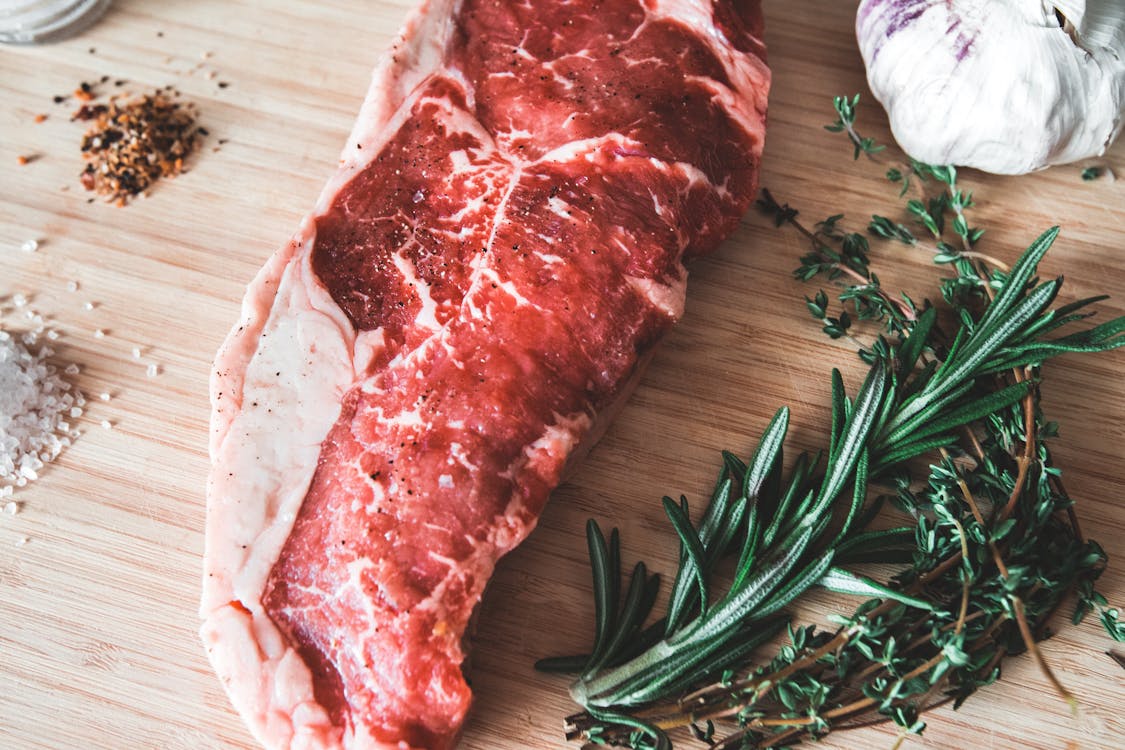
This What Is a Dry Brine? And Why It Makes Your Meat Taste Better is one of those recipes you'll find yourself making over and over again. It's simple, delicious, and always gets rave reviews. Whether you're a beginner or a seasoned cook, you're going to love how easy and tasty this turns out!
About This Recipe
Here's what most home cooks miss about salt for dry brining: kosher salt isn't created equal. Diamond Crystal has pyramid-shaped crystals that dissolve faster and penetrate meat more evenly than Morton's dense cubes. I learned this the hard way after years of inconsistent results. Diamond Crystal's flaky structure means it adheres better to meat surfaces and draws out moisture more efficiently, creating that perfect brine effect. The real game-changer? Its lower sodium density by volume means you're less likely to over-salt. When I switched from table salt to Diamond Crystal for my dry brines, my pollo guisado and pernil became consistently more tender and flavorful. The science is simple: better crystal structure equals better moisture extraction and seasoning penetration, which is exactly what transforms tough cuts into incredibly juicy, well-seasoned meat.
Ingredients for What Is a Dry Brine? And Why It Makes Your Meat Taste Better
- 1 large cut of meat (chicken, turkey, pork, or steak)
- Kosher salt (½ teaspoon per pound of meat)
- Freshly ground black pepper
- Optional: garlic powder, paprika, dried herbs
- Wire rack and baking sheet
- Paper towels
How to Make What Is a Dry Brine? And Why It Makes Your Meat Taste Better
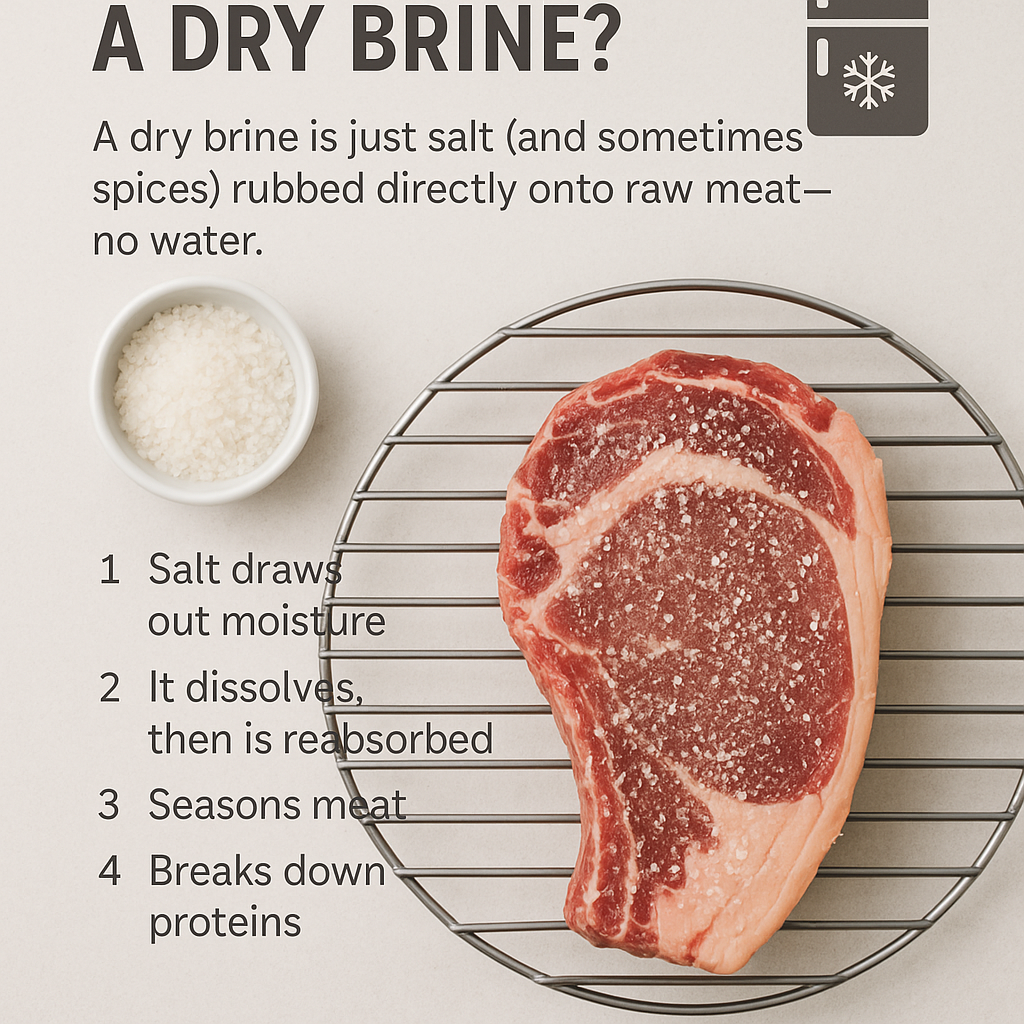
- Salt pulls moisture out of the meat.
- That moisture dissolves the salt on the surface.
- Over time, it’s reabsorbed into the meat — seasoning from the inside out.
- The salt also breaks down muscle fibers, making meat more tender.
- You end up with juicier, more flavorful food — with better browning and crispier skin.
What to Serve With What Is a Dry Brine? And Why It Makes Your Meat Taste Better
My Dominican-style roasted yuca pairs beautifully with any dry-brined meat because its creamy, starchy texture soaks up all those incredible pan juices. The mild flavor lets your perfectly seasoned protein shine while adding that comforting, traditional Caribbean element to your plate.
For something bright and fresh, try a simple chimichurri or my tangy mojo criollo alongside your dry-brined chicken or pork. The acidic herbs cut through the rich, concentrated flavors of the meat while adding that vibrant green color that makes everything look restaurant-worthy.
Don't overlook grilled plantains when you're serving dry-brined beef or lamb – their natural sweetness creates an amazing contrast to the savory, well-seasoned meat. Plus, that caramelized exterior adds another layer of texture that keeps every bite interesting and satisfying.
Frequently Asked Questions
1. What is dry brining?
Dry brining means coating meat with salt (and sometimes herbs and spices) and refrigerating it uncovered for hours or days. The salt draws out moisture, dissolves, then gets reabsorbed — seasoning deeply from within.
2. How is dry brining different from wet brining?
Wet brining submerges meat in a salt-water solution. Dry brining uses only salt applied directly to the surface. Dry brining is simpler, takes less fridge space, and produces crispier skin.
3. How much salt should I use for a dry brine?
About ½ to ¾ teaspoon of kosher salt per pound of meat. Apply evenly on all surfaces. The salt will not make the meat too salty — most gets absorbed into the interior.
4. How long should I dry brine?
Minimum 1 hour for steaks, 12-24 hours for chicken, and 24-48 hours for turkey or large roasts. Longer brining equals deeper seasoning and better moisture retention during cooking.
5. Why does dry brining make meat juicier?
Salt breaks down muscle proteins, allowing them to retain more water during cooking. A dry-brined piece of meat loses 10-15% less moisture than unseasoned meat.
6. Why refrigerate uncovered during dry brining?
The open air dries the surface of the meat while the interior retains moisture. This dry surface is essential for achieving crispy, browned skin on chicken and turkey.
7. What meats benefit most from dry brining?
Turkey and whole chicken benefit the most — the results are transformative. Pork chops, steaks, pork tenderloin, and even salmon all improve significantly from dry brining.
8. Can I add other seasonings to a dry brine?
Yes — mix herbs, garlic powder, paprika, or any dry seasoning with the salt. The salt acts as a carrier, pulling those flavors into the meat along with it. This creates deeply seasoned results.
9. Is there any meat I should NOT dry brine?
Avoid dry brining pre-brined or pre-seasoned meats (like kosher chickens or enhanced pork, which already contain added sodium). Check the label — if it says solution added, skip the brine.
10. Does dry brining replace regular seasoning before cooking?
The salt from the dry brine provides the base seasoning, but you can still add pepper, herbs, garlic, and other spices before cooking. Just do not add more salt — the brine handled that.
What Is a Dry Brine? And Why It Makes Your Meat Taste Better
Ingredients
Method
- Salt pulls moisture out of the meat.
- That moisture dissolves the salt on the surface.
- Over time, it’s reabsorbed into the meat — seasoning from the inside out.
- The salt also breaks down muscle fibers, making meat more tender.
- You end up with juicier, more flavorful food — with better browning and crispier skin.
Nutrition
Notes
Use 1% of the meat's weight in kosher salt because this ratio creates optimal osmosis without over-salting, and weighing ensures consistency across different cuts and sizes. Apply dry brine 40 minutes to 24 hours before cooking because the salt needs time to draw out moisture, then reabsorb it with dissolved proteins for maximum tenderness. Pat meat completely dry before applying salt because any surface moisture dilutes the salt concentration and prevents proper moisture extraction during the brining process. For thick cuts like pork shoulder, score the fat cap in a crosshatch pattern before dry brining because this allows salt penetration into the meat below the fat barrier.


Leave a Reply