
Dominican breakfast hits different. Forget cereal. Forget instant oatmeal. We start the day with mashed plantains, fried salami, fried cheese, and fried eggs — what we call 'Los Tres Golpes' (the three hits). It sounds heavy, and it is. That's the point. A proper Dominican breakfast carries you through to a late lunch and beyond.
Growing up in Santo Domingo, breakfast was the meal where my family came together before the day scattered us. My mom would have mangu going by 6am, my dad would be making coffee in the cafetera, and we'd all sit at the table for at least 30 minutes — no phones, no rushing, just food and family.
This guide covers every Dominican breakfast worth waking up for. From the iconic mangu con tres golpes to lesser-known regional dishes like yaniqueques and majarete. Whether you're cooking for yourself or feeding a family, you'll find a breakfast in here that hits.
Why You'll Love This Dominican Breakfast Recipe
- Authentic Dominican breakfasts: Real recipes, not Americanized versions.
- Multiple options: Sweet, savory, quick, slow — something for every morning.
- Cultural context: Learn the stories and traditions behind each dish.
- Direct recipe links: Click through for full step-by-step instructions.
- Make-ahead friendly: Most dishes can be prepped the night before for fast morning assembly.
What Is Dominican Breakfast?
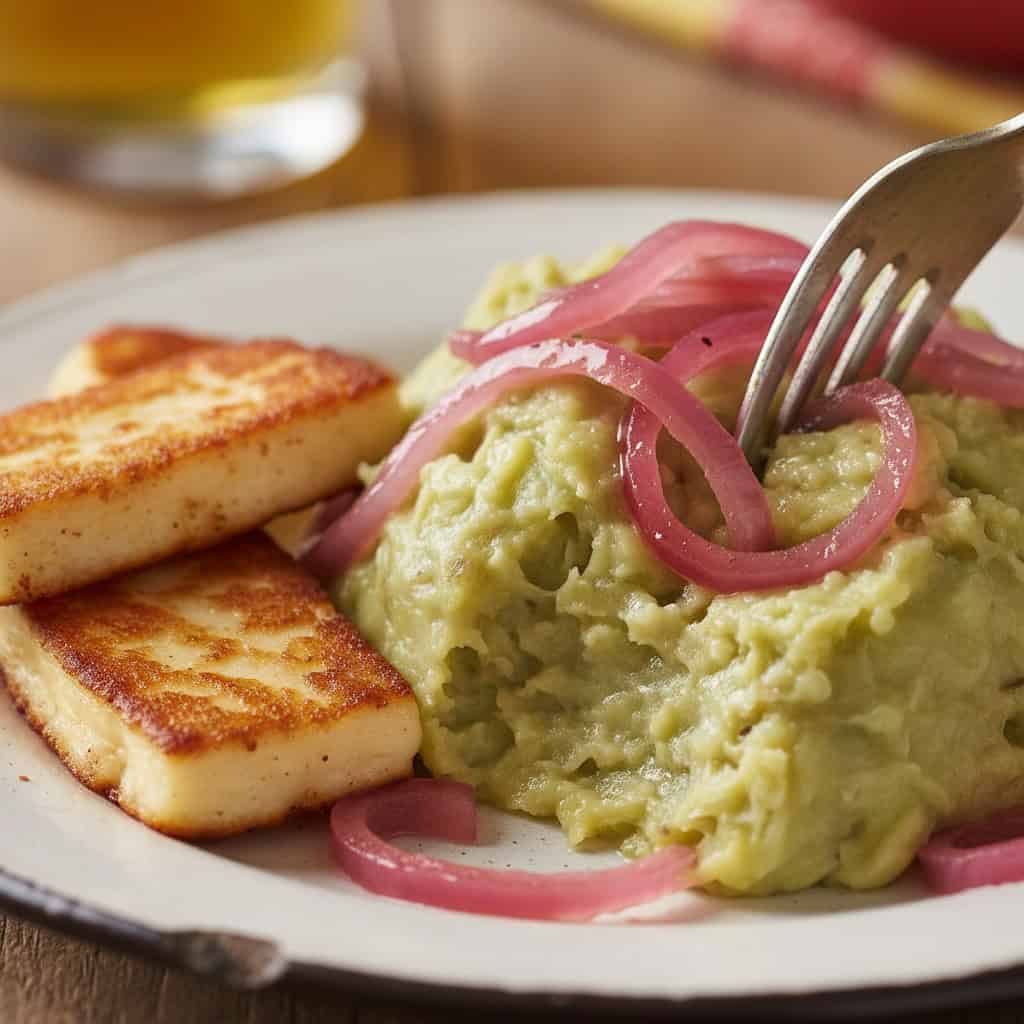
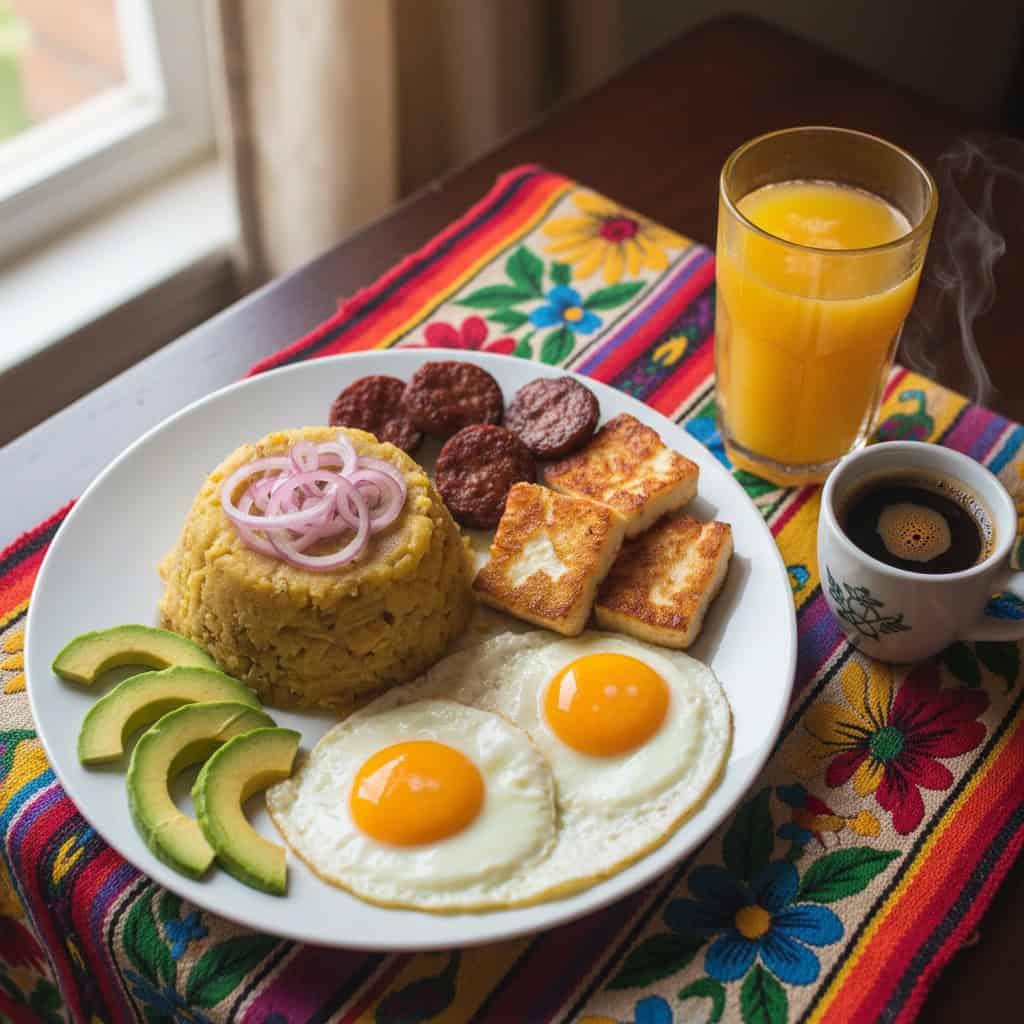
Dominican breakfast is heartier and more savory than typical American breakfast. The cornerstone is mangu — mashed green plantains topped with sautéed red onions — usually served with the legendary 'Los Tres Golpes' of fried cheese, fried salami, and fried eggs.
Beyond mangu, Dominican breakfast traditions vary by region and family. Coastal areas eat more fish-based breakfasts. The capital sees more variety with European influences (croissants, pan de agua with butter). The Cibao region tends toward heartier, more rural breakfasts with more meat and dairy.
What unites all Dominican breakfasts is the centrality of plantains and the seriousness of the meal. Breakfast isn't a quick grab-and-go — it's a sit-down meal meant to fuel hard work or anchor a slow morning. Coffee is non-negotiable: strong, sweet, served in small ceramic cups.
Dominican breakfast also has interesting class dimensions worth understanding. The full mangu con tres golpes is traditionally a working-class or rural breakfast — substantial enough to fuel hard physical labor, made from affordable ingredients that store well. Wealthier urban Dominicans historically ate lighter breakfasts (pan con queso, fruit, coffee) influenced by European traditions. But these class divisions have largely faded over time. Today, you'll find mangu served at the most expensive hotels in Punta Cana and at street stands in Santiago. It has crossed all class boundaries to become a universal Dominican breakfast. The Dominican coffee tradition deserves its own attention. Coffee in Dominican households is typically made in a moka pot (called a 'cafetera' in Spanish), brewing strong, espresso-like coffee. Sugar is added directly to the moka pot before brewing — typically 2-3 tablespoons per pot. This creates an extremely sweet coffee that Americans often find shocking. Some families pour the brewed coffee through a sock-like cloth filter (greca) for a slightly different texture. Coffee is served in small ceramic cups, never large mugs. A cup of Dominican coffee with morning mangu is one of the great culinary pairings in the Caribbean.
There's also significant cultural attachment to specific brands and ingredients in Dominican breakfast tradition. Induveca salami, a specific brand made in the Dominican Republic, has become so iconic that for many Dominicans, mangu without Induveca isn't quite right. Similarly, certain cheese brands (like Sosúa cheese from a famous town in the north) are considered the only proper choice for queso de freír. Coffee brands matter too — Café Santo Domingo is a national favorite, exported worldwide for the Dominican diaspora. These brand loyalties span generations. The depth of brand attachment in Dominican breakfast culture is remarkable. Many Dominicans living abroad will go significantly out of their way to find authentic Dominican brands rather than substituting with what's locally available. This isn't just nostalgia — these specific products genuinely have flavors that others don't replicate.
Ingredients You'll Need
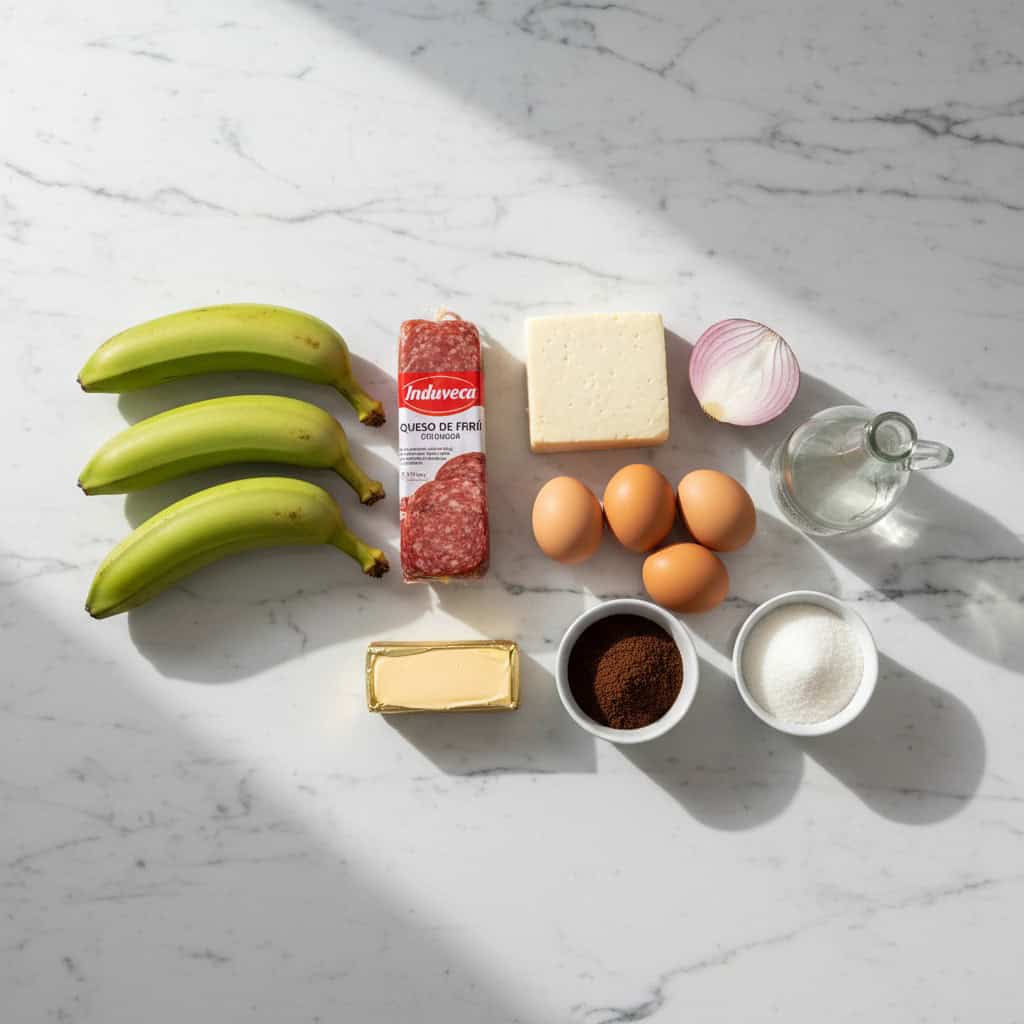
Pantry Essentials for Dominican Breakfast
- Green plantains: For mangu, the foundation of breakfast.
- Dominican salami (Induveca brand): Different from European salami — denser, saltier.
- Queso de freír (frying cheese): Holds shape when fried.
- Eggs: Always fried, never scrambled, in good Dominican breakfast.
- Pan de agua: Soft Dominican white bread.
- Cornmeal: For majarete and other corn-based breakfasts.
- Strong coffee: Bustelo, Café Pilón, or any dark roast.
- Sugar: Lots of it for the coffee.
Step-by-Step Instructions
Step 1 — Mangu con Los Tres Golpes
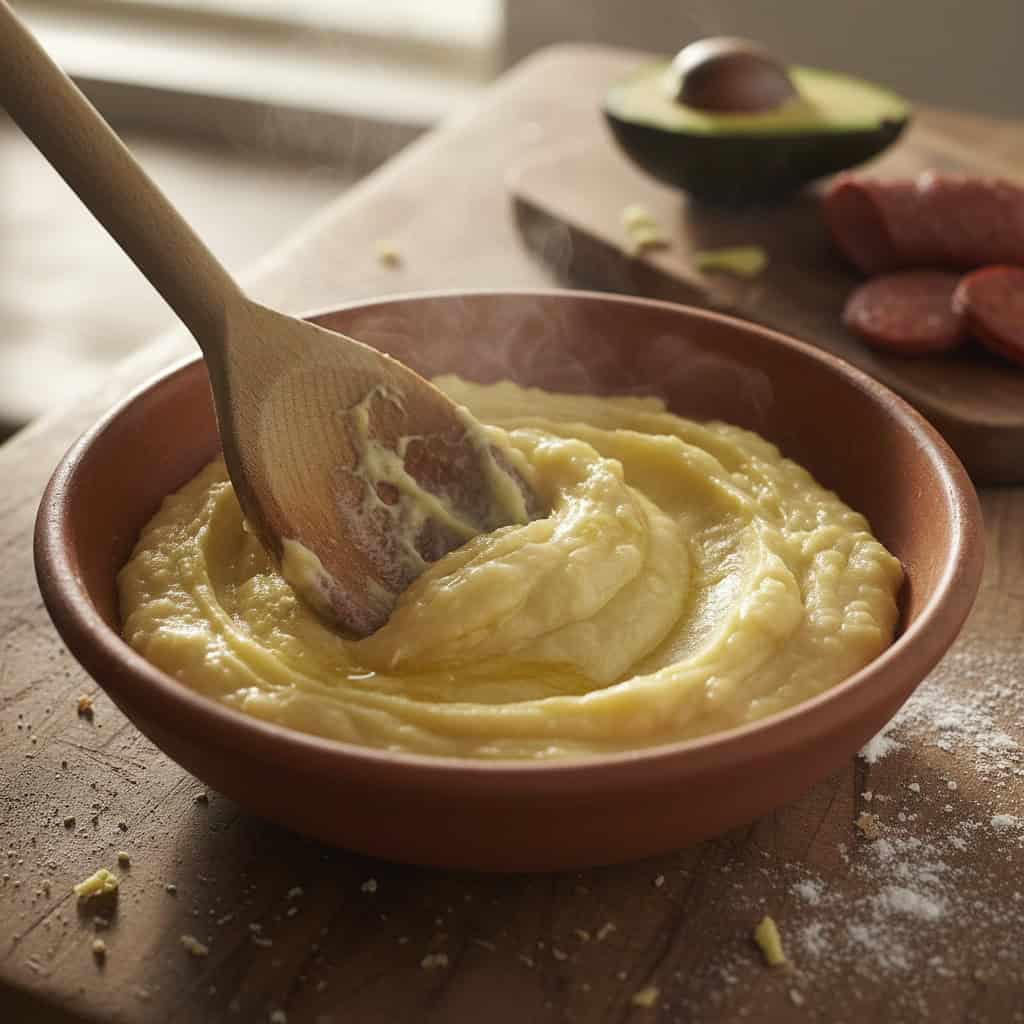
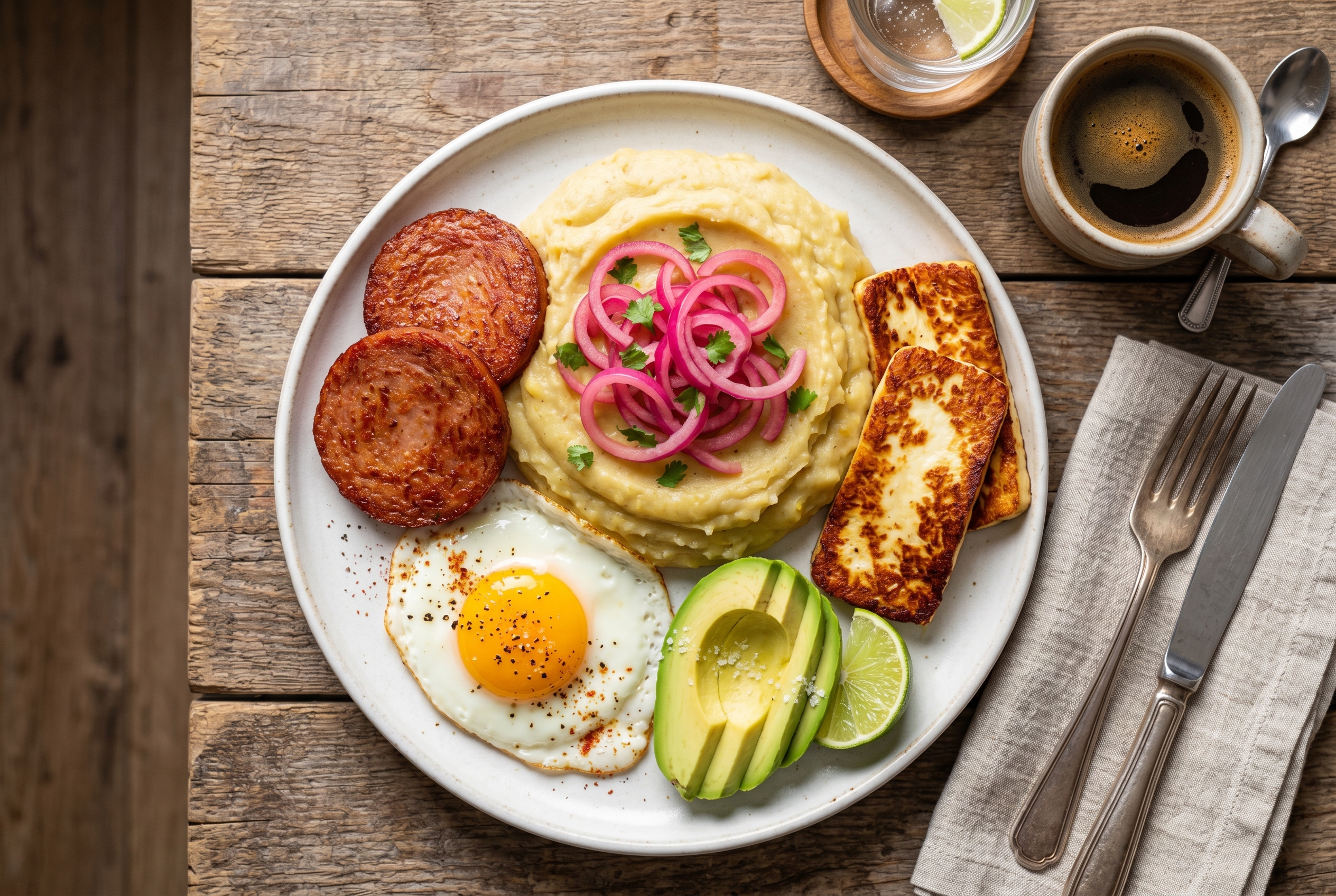
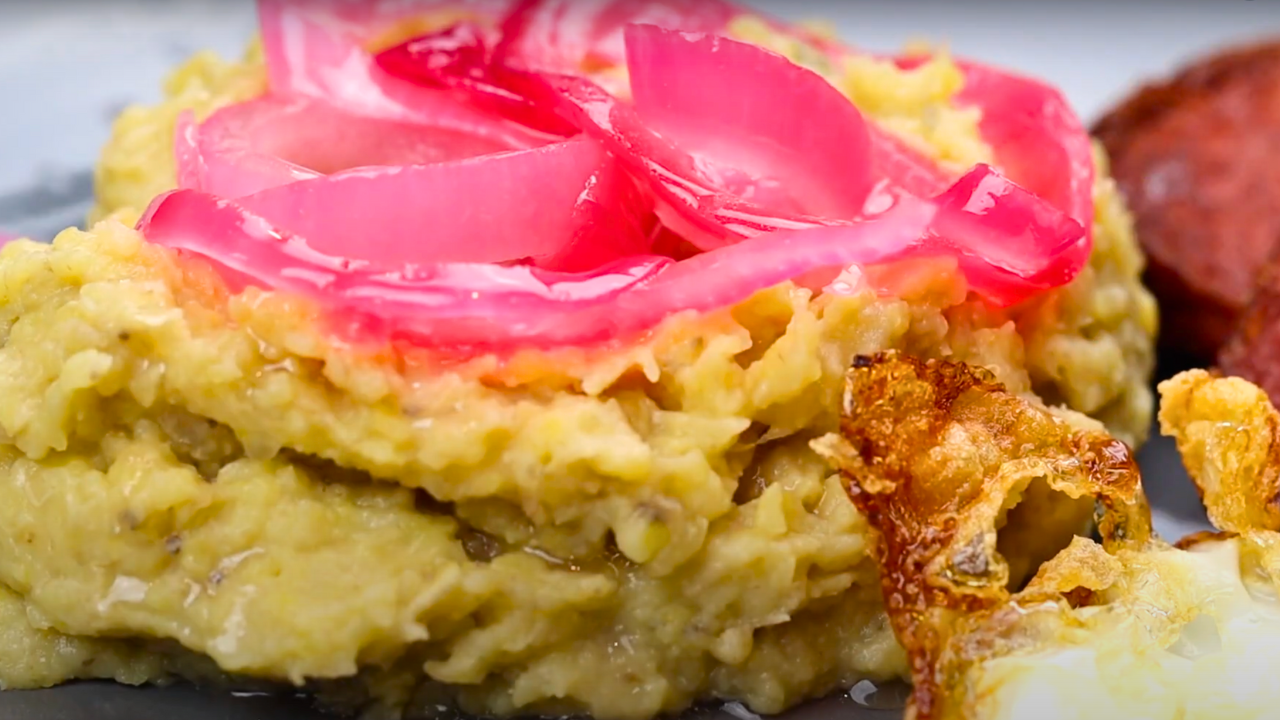
The undisputed king of Dominican breakfast. Boil green plantains until soft, mash with butter and a bit of cooking water until smooth. Top with sautéed red onions in vinegar. Serve with fried Dominican salami, fried queso de freír cheese, and fried eggs. Add a slice of avocado and you have the perfect Dominican breakfast.
Step 2 — Yaniqueques (Dominican Fried Bread)
Crispy fried flatbread popular in coastal areas. Made from flour, water, salt, and a touch of baking powder, rolled thin and fried until golden and bubbly. Eat with eggs, cheese, or honey for breakfast.
Step 3 — Pan de Agua con Mantequilla y Café
The simplest Dominican breakfast: a piece of soft pan de agua bread with butter, accompanied by a small cup of strong sweet Dominican coffee. The everyday option for busy mornings.
Step 4 — Majarete (Sweet Corn Pudding)
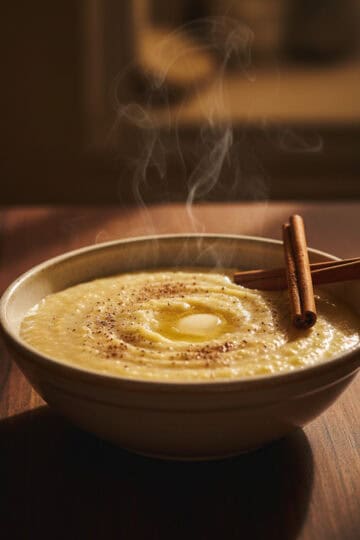
A Dominican corn pudding made with fresh corn, milk, cinnamon, and sugar. Served warm in small bowls topped with cinnamon. Often eaten as breakfast or a sweet morning snack.
Step 5 — Avena (Hot Oatmeal Dominican-Style)
Not your American oatmeal. Dominican avena is cooked with milk, cinnamon, sugar, and sometimes evaporated milk for richness. Served hot in mugs — almost more drink than meal.
Step 6 — Salchichón con Cebolla
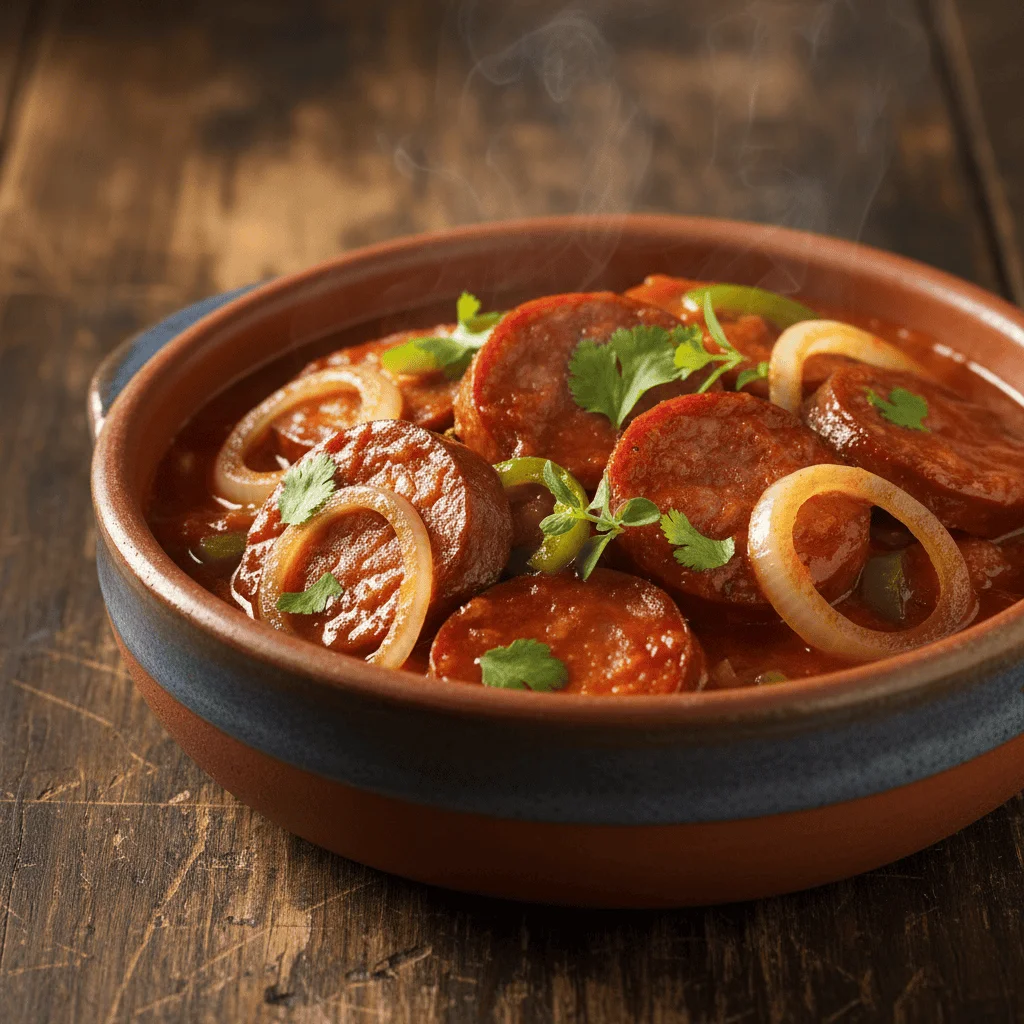
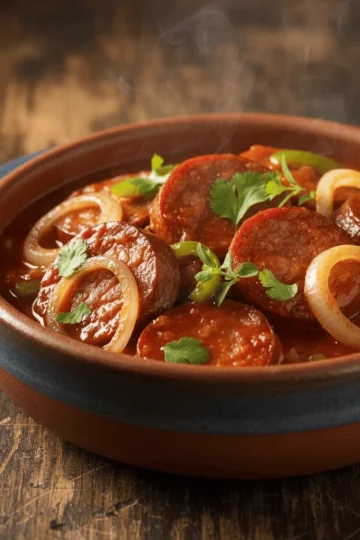
Pan-fried Dominican salami with sautéed onions, served on a piece of pan de agua. The breakfast sandwich that fueled my high school years.
Pro Tips for Perfect Dominican Breakfast
- Boil plantains in salty water: Mangu needs proper salt right from the cooking water. Add a generous tablespoon to the boiling water before adding plantains.
- Mash mangu while still warm: Cold plantains turn gummy when mashed. Mash them as soon as they're soft enough to break apart.
- Use ice water in the mash: Adding cold water (not hot) while mashing keeps mangu light and prevents it from turning gluey.
- Pickle the onions in vinegar: The red onions on top of mangu should sit in vinegar for at least 5 min to mellow their bite.
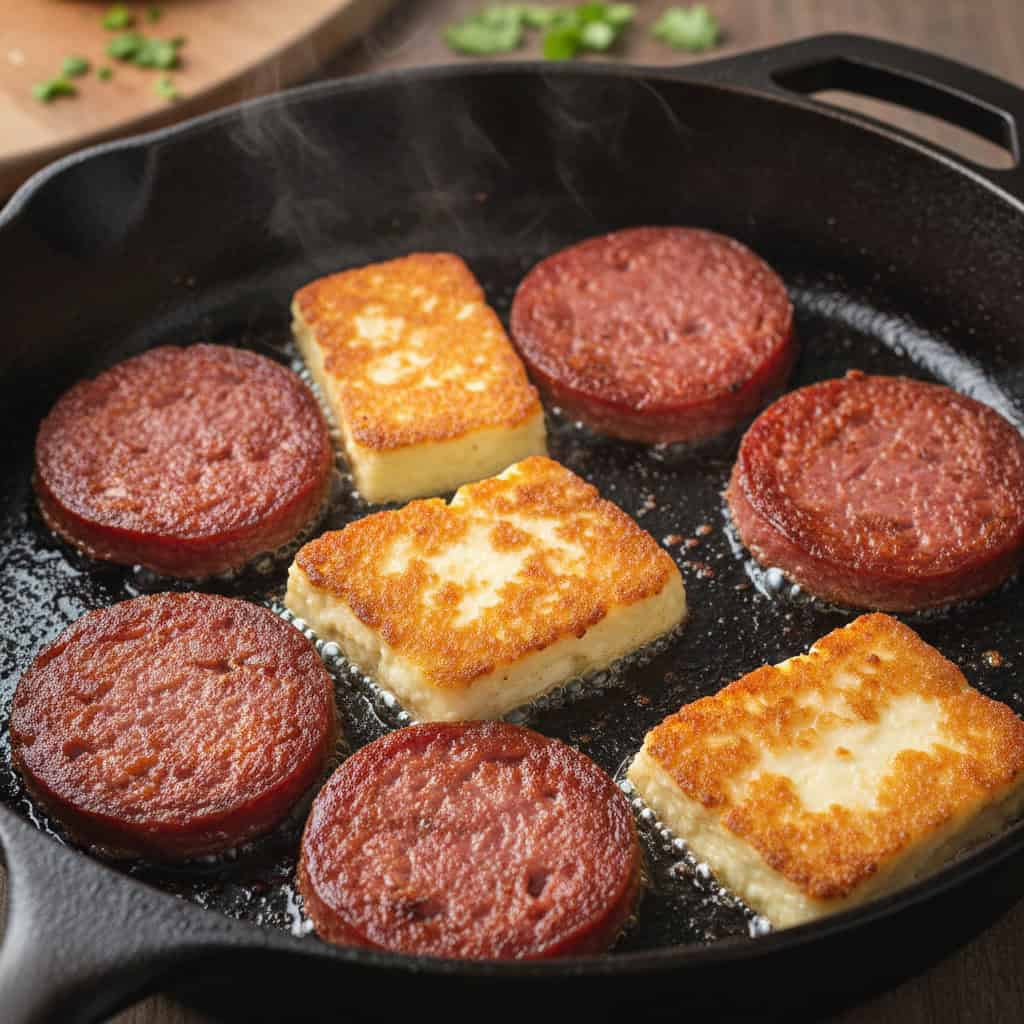
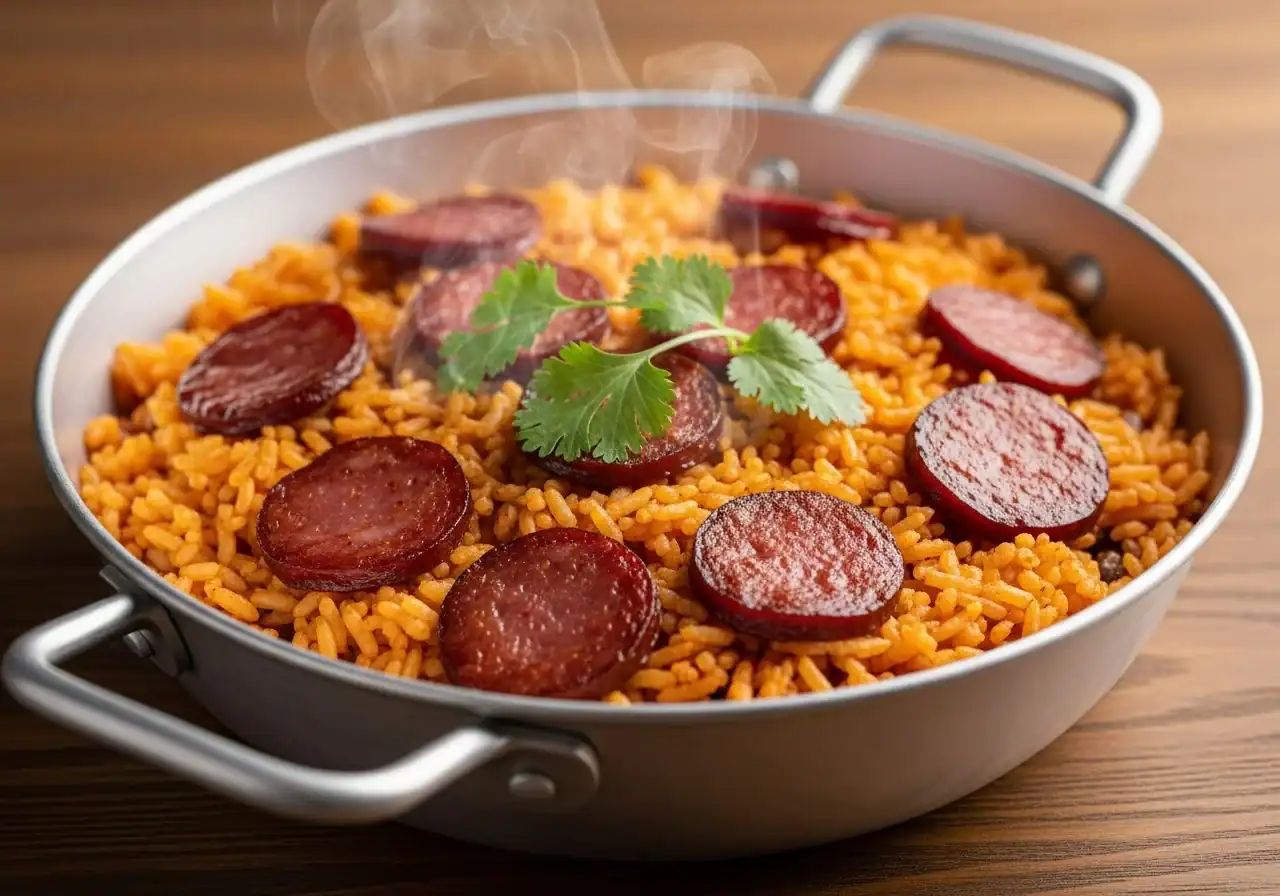
- Fry salami at low heat first: Dominican salami is dense. Start at low heat to render the fat, then crank up to crisp the edges.
- Always butter the plantains while still hot: Cold mangu won't absorb butter properly and will turn gummy. Mash and butter immediately after draining for the silkiest texture.
- Marinate the onions for the topping: Slice red onions, cover with white vinegar, and let sit for at least 10 minutes before draining. They become softer, less sharp, and develop a slight pickle flavor that perfectly complements the rich plantains.
- Use the freshest plantains you can find: Mangu quality depends entirely on plantain quality. Choose firm, completely green plantains with no yellow spots. Yellow plantains will give you sweet, mushy mangu that won't taste right.
- Have everything cooking at once: A proper Dominican breakfast requires juggling three pans at once — one for cheese, one for salami, one for eggs. Set up your stovetop with everything ready to go. The whole breakfast comes together in about 15 minutes when you have a system.
Variations
Sweet Plantain Mangu (Mangu de Maduros)
Make mangu with ripe yellow plantains instead of green. Sweeter, more tender, less traditional — but delicious.
Vegetarian Tres Golpes
Skip the salami. Add scrambled tofu seasoned with sazón, sautéed mushrooms, and roasted vegetables. Same vibe, plant-based.
Mangu Bowl
Modern presentation: serve mangu in a bowl topped with avocado, fried egg, and pickled onions. Photogenic and customizable.
What to Serve With Dominican Breakfast
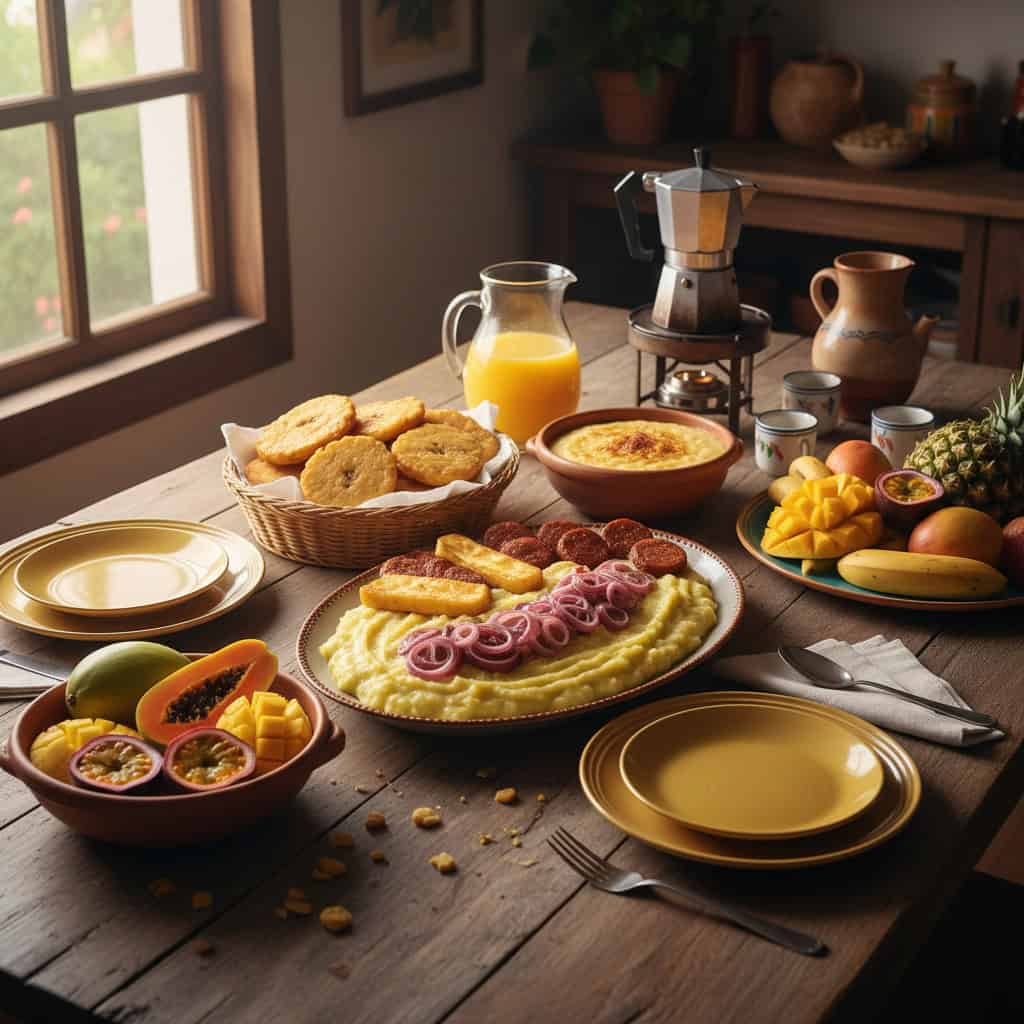
- Strong Dominican coffee: Made in a cafetera (Italian moka pot) with sugar in the cup before brewing.
- Cold orange juice: Always freshly squeezed.
- Morir Soñando: The traditional weekend breakfast drink.
- Hot chocolate (chocolate caliente): Especially in winter — thick, sweet, with cinnamon.
- Sliced fruit: Mango, pineapple, papaya — tropical fruit on the side.
Frequently Asked Questions
What do Dominicans eat for breakfast?
The most iconic Dominican breakfast is mangu con tres golpes — mashed green plantains topped with sautéed red onions, served with fried cheese, fried salami, and fried eggs. Other common breakfasts include yaniqueques (fried flatbread), pan de agua with butter and coffee, or sweet options like majarete and avena.
What are 'los tres golpes'?
Los tres golpes — 'the three hits' — refers to the three sides served with mangu: fried Dominican salami, fried queso de freír (frying cheese), and fried eggs. They 'hit' the mangu with flavor and protein.
Is Dominican breakfast healthy?
It depends on what you order. Mangu itself (mashed plantains) is fairly healthy — high in potassium, fiber, and complex carbs. The fried sides add fat and sodium. A balanced approach: enjoy it for special weekends, opt for lighter breakfasts on weekdays.
Can I make mangu the night before?
Yes — mash the plantains and refrigerate. Reheat gently with a splash of water or milk in the microwave or on the stove. The texture changes slightly but still tastes great. The fried sides should be cooked fresh.
Where can I buy Dominican salami?
Look for Induveca brand at Latin grocery stores. It's denser and saltier than Italian salami. If you can't find it, substitute with hard salami sliced thick.
What kind of cheese do you use for tres golpes?
Queso de freír — literally 'frying cheese.' It's a firm white cheese that holds its shape when fried. Find it at Latin markets. Halloumi is the closest substitute if you can't find queso de freír.
Do Dominicans really eat fried food for breakfast?
Yes — frequently. Dominican breakfast culture leans heavily on fried foods because they're filling, flavorful, and traditionally affordable. Modern Dominicans often eat lighter breakfasts on weekdays and save the big fried breakfasts for weekends.
Why is mangu so popular for Dominican breakfast?
Plantains were historically inexpensive and abundant in the Dominican Republic. Mashed plantains are filling, nutritious (high in potassium and fiber), and pair perfectly with the salty proteins on the side. Mangu is also incredibly versatile — it can be made in 30 minutes, scales easily for large families, and tastes good hot or cold.
What's the difference between mangu and mofongo?
Both are mashed plantain dishes from Caribbean cuisine, but they differ significantly. Mangu uses boiled plantains mashed with butter and water — soft, smooth texture. Mofongo (Puerto Rican) uses fried plantains mashed with garlic and pork rinds (chicharrón) — denser, drier texture. Mangu is breakfast food; mofongo is lunch or dinner.
Can I make Dominican breakfast vegetarian or vegan?
Yes. Skip the salami and substitute with sautéed mushrooms or tofu seasoned with sazón. Replace fried cheese with avocado or vegan cheese. The mangu base is naturally vegan — just use olive oil instead of butter. The result is still hearty and satisfying.
What time do Dominicans eat breakfast?
Traditionally early — between 6:00-8:00 AM, especially in rural areas where the workday starts at sunrise. Urban Dominicans often eat between 7:00-9:00 AM. Weekends are different: late breakfasts at 10:00-11:00 AM are common, often blending into early lunch. The big mangu breakfast is typically reserved for weekends when there's time to make it properly.
Can I make mangu without a potato masher?
Yes — a fork works fine for small batches. For larger amounts, a wooden mortar (pilón) is traditional. Some modern cooks use a food processor briefly, but be careful not to over-process or the mangu becomes gummy. The texture should still have some character — not perfectly smooth purée.
Can I make Dominican breakfast for one person?
Yes — scale down all ingredients accordingly. For a single serving: 1 plantain, 2 oz salami, 2 oz cheese, 2 eggs. Use a small skillet for the fried items. The technique stays the same. Many young Dominican professionals make small mangu breakfasts on weekday mornings.
Dominican Breakfast Ideas
Ingredients
Method
- Boil peeled plantains in salted water 20 min until fork-tender.
- Drain (save 1 cup water). Mash plantains with butter, ice water from saved liquid until smooth.
- Sauté red onions in oil + vinegar 3 min until softened.
- Fry salami slices 3-4 min per side until crispy.
- Fry cheese 1-2 min per side until golden.

- Fry eggs sunny-side up.
- Plate mangu, top with onions, surround with salami, cheese, eggs. Serve with avocado.
Notes
Tried this recipe?
Let us know how it was!Shop This Recipe
View on Amazon →
View on Amazon →
View on Amazon →
As an Amazon Associate I earn from qualifying purchases at no extra cost to you.
Dominican breakfast is the best breakfast. Fight me.
You May Also Like
📺 Watch a similar recipe: Mangú — The Dominican Breakfast
- Dominican Bacalao con Huevos Recipe
- Chicken and Rice Soup with Ham - Asopao — Most types of rice is great for soup. White, brown, wild rice, black.
- Bacalaitos Recipe with a Twist — This Bacalaitos Recipe with a Twist is one of those recipes you'll find.

Leave a Reply