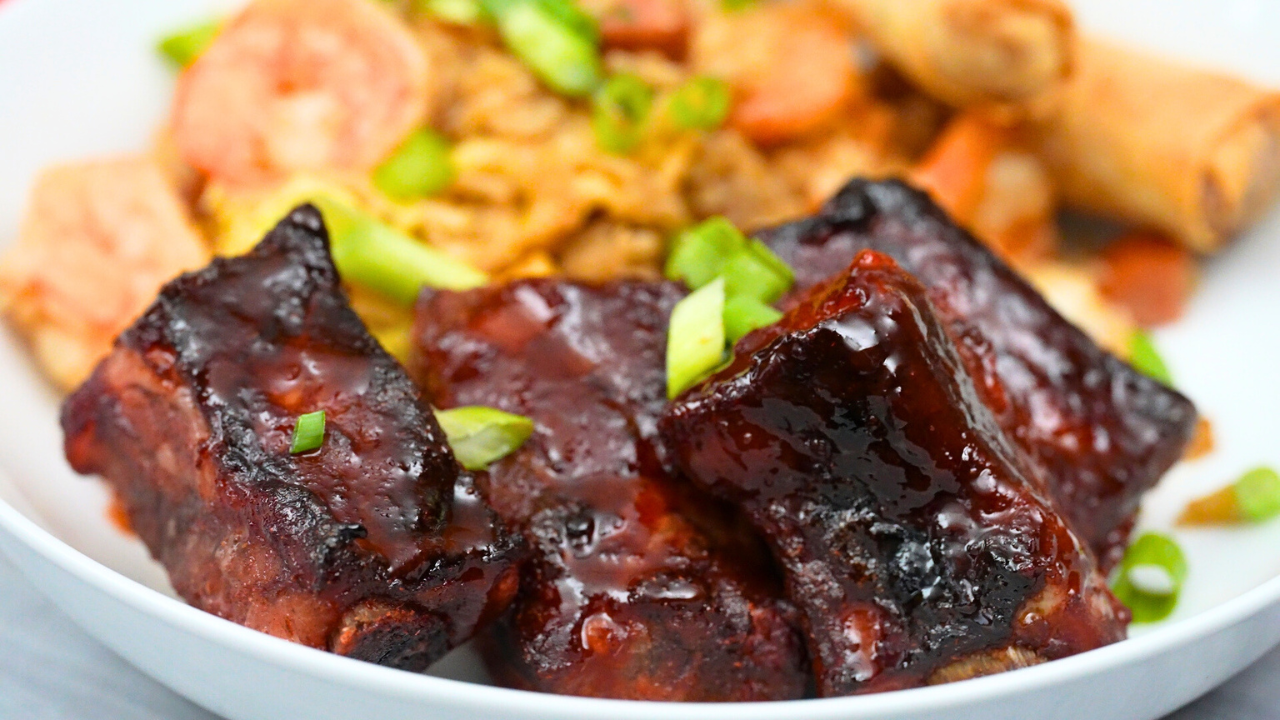
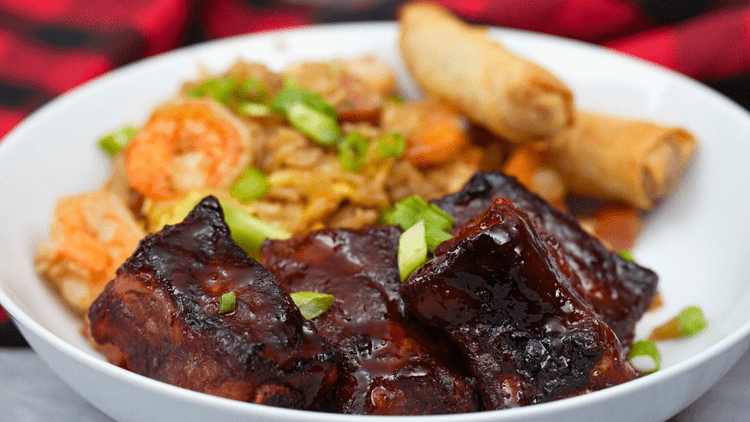
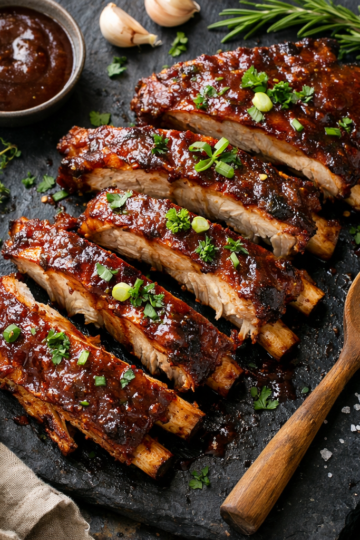
This Chinese Takeout-Style Bone-In Spare Ribs (Sticky, Sweet & Better Than Takeout!) is one of those recipes you'll find yourself making over and over again. It's simple, delicious, and always gets rave reviews. Whether you're a beginner or a seasoned cook, you're going to love how easy and tasty this turns out!
About This Recipe
Here's something most home cooks mess up completely: Chinese restaurants don't just marinate these ribs — they actually partially dehydrate them first. After the initial seasoning, they let the ribs sit uncovered in the walk-in cooler for 4-6 hours. This draws out surface moisture and concentrates the meat's natural flavors while creating the perfect texture for that signature chewy-tender bite. When you skip this step at home, your ribs come out mushy and the sauce slides right off. The dehydration creates tiny surface channels that grip onto that sticky glaze like velvet. I learned this from my buddy who worked the wok station in Chinatown — it's why takeout ribs have that addictive texture you can never replicate just by following regular recipes. Trust me, this one step will completely transform your results.
Ingredients for Chinese Takeout-Style Bone-In Spare Ribs (Sticky, Sweet & Better Than Takeout!)
- 3 lbs pork spare ribs — cut into individual pieces
- ¼ cup hoisin sauce
- ¼ cup ketchup
- 3 tablespoon honey
- 2 tablespoon soy sauce
- 1 tablespoon oyster sauce
- 1 tablespoon Shaoxing wine — or dry sherry
- 2 teaspoon five-spice powder
- 1 teaspoon garlic powder
- 1 teaspoon onion powder
- ½ teaspoon white pepper
- ½ teaspoon red food coloring — optional, for that classic takeout look
How to Make Chinese Takeout-Style Bone-In Spare Ribs (Sticky, Sweet & Better Than Takeout!)
- Marinate the Ribs:
- In a bowl, whisk together hoisin sauce, ketchup, honey, soy sauce, oyster sauce, Shaoxing wine, five-spice powder, garlic powder, onion powder, white pepper, and red food coloring (if using).
- Add the ribs and mix well to coat. Cover and refrigerate for at least 4 hours, or overnight for the best flavor.
What to Serve With Chinese Takeout-Style Bone-In Spare Ribs (Sticky, Sweet & Better Than Takeout!)
These sticky-sweet ribs absolutely shine alongside fluffy jasmine rice and my Garlic Fried Rice recipe. The rice soaks up every drop of that glossy sauce, while the garlic adds another layer of savory depth that complements the five-spice perfectly.
Balance out all that rich sweetness with some crisp, tangy pickled vegetables or a simple cucumber salad dressed with rice vinegar. The acidity cuts through the pork fat beautifully, cleansing your palate between those indulgent, saucy bites.
For drinks, grab some cold Chinese tea or even a Dominican presidente beer if you're feeling adventurous like me. The tea's subtle bitterness plays perfectly against the sticky glaze, while that crisp lager refreshes your mouth after each gloriously messy rib.
Frequently Asked Questions
1. What cut of ribs are used in Chinese spare ribs?
Bone-in pork spare ribs cut into 2-inch pieces through the bone (ask your butcher for flanken-style cuts). They can also be found pre-cut at Asian grocery stores.
2. What gives Chinese spare ribs their red color?
Red food coloring or red fermented bean curd (nam yue) gives the signature red hue. Some recipes use a combination of ketchup and hoisin for color without artificial dye.
3. What is in the Chinese spare rib marinade?
Soy sauce, hoisin sauce, honey, five-spice powder, garlic, ginger, rice wine (Shaoxing wine), and sesame oil create the authentic takeout-style sweet-savory marinade.
4. How long should I marinate the spare ribs?
Minimum 4 hours, but overnight is best. The longer the marinade works, the deeper the flavor penetrates the meat. Turn the ribs in the marinade a few times.
5. Should I boil the ribs before roasting?
Parboiling for 5 minutes removes excess fat and scum, resulting in cleaner-tasting ribs. It is a common Chinese technique that also helps the marinade adhere better.
6. What oven temperature makes the best Chinese ribs?
Start covered at 325°F for 1.5 hours until tender, then uncover and broil at high for 5 minutes to caramelize the glaze. This two-step method is the key.
7. Can I make these in an air fryer?
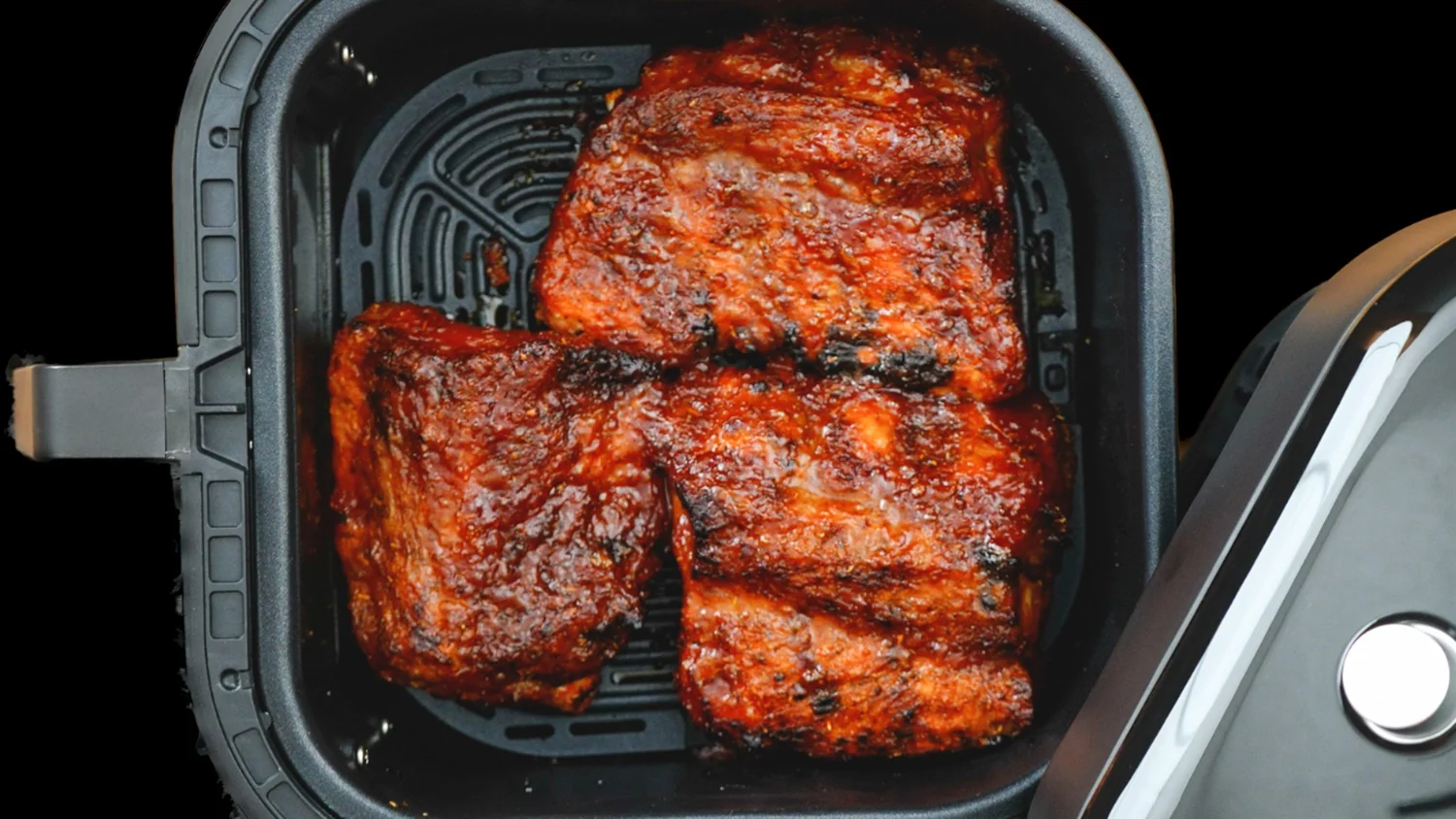
Yes, cook marinated ribs at 360°F for 25-30 minutes, flipping and glazing halfway through. They come out sticky, caramelized, and delicious.
8. What is five-spice powder?
A Chinese spice blend of star anise, cloves, cinnamon, Sichuan peppercorn, and fennel seed. It adds the distinctive warm, slightly sweet flavor essential to Chinese spare ribs.
9. What do Chinese restaurants serve with spare ribs?
Fried rice, lo mein noodles, steamed white rice, and hot mustard dipping sauce are the classic accompaniments at Chinese-American restaurants.
10. How do I get the glaze sticky and lacquered?
Brush with extra marinade (boiled first for food safety) during the last 10 minutes and broil. The sugars in the hoisin and honey caramelize into a glossy, sticky finish.
Chinese Takeout-Style Bone-In Spare Ribs (Sticky, Sweet & Better Than Takeout!) Video
Chinese Takeout-Style Bone-In Spare Ribs (Sticky, Sweet & Better Than Takeout!)
Ingredients
Method
- Marinate the Ribs:
- In a bowl, whisk together hoisin sauce, ketchup, honey, soy sauce, oyster sauce, Shaoxing wine, five-spice powder, garlic powder, onion powder, white pepper, and red food coloring (if using).
- Add the ribs and mix well to coat. Cover and refrigerate for at least 4 hours, or overnight for the best flavor.
Nutrition
Notes
Buy St. Louis-style spare ribs specifically, not baby backs, because the higher fat content and meatier texture mimics what Chinese restaurants use — baby backs cook too quickly and don't develop that signature chewy-tender bite that makes takeout ribs so addictive. After countless batches, I've learned to flip the ribs only once during the final glazing phase because excessive flipping causes the sauce to burn and creates bitter spots — let each side caramelize fully for 3-4 minutes before turning. Mix your cornstarch slurry with cold water and add it gradually while the sauce simmers because dumping it all at once creates lumps that won't dissolve — this technique ensures that glossy, restaurant-quality coating that clings perfectly. Score the membrane side of the ribs in a crosshatch pattern before marinating because it allows the flavors to penetrate deeper and prevents the ribs from curling during cooking — most home cooks skip this and wonder why their seasoning tastes surface-level.
Tried this recipe?
Let us know how it was!Filed Under
You May Also Like
Did You Know?
Here's the game-changer most home cooks miss: authentic Chinese spare ribs get their signature glaze from a double-cooking method called "red cooking" followed by high-heat caramelization. First, the ribs braise low and slow in soy sauce, rice wine, and rock sugar until fork-tender. Then — and this is crucial — they get tossed in a blazing hot wok with fresh sauce to create that glossy, sticky coating that clings to every ridge of the bone. The secret is using light and dark soy sauce together: light soy for salinity, dark soy for that deep mahogany color and subtle molasses sweetness. Most takeout places skip the braising step and just slather sauce on grilled ribs, which is why they're often dry inside with sauce that slides right off. When you do it right, that caramelized exterior should be almost candy-like while the meat pulls clean off the bone. It's the difference between good ribs and unforgettable ones.
Pro Tips
Use St. Louis-style ribs instead of baby backs because their higher fat content and meatier profile holds up better to the long braising process, preventing them from drying out like leaner cuts would.
Score the membrane on the bone side in a crosshatch pattern before cooking — this lets the braising liquid penetrate deeper and prevents the ribs from curling up, ensuring even cooking and sauce coverage.
After years of making these, I've learned to reserve some braising liquid before adding the final glaze ingredients, then reduce it separately as a dipping sauce — it's pure liquid gold for extra flavor.
Look for Shaoxing rice wine at Asian markets rather than cooking wine from regular stores because the real stuff has complex floral notes that fake versions lack, making a noticeable difference in the final dish.
Leave a Reply