This How to Season Meat Like a Pro: Salt, Spices & Marinade Tips That Actually Work is one of those recipes you'll find yourself making over and over again. It's simple, delicious, and always gets rave reviews. Whether you're a beginner or a seasoned cook, you're going to love how easy and tasty this turns out!
Did You Know?
Pro Tips
Frequently Asked Questions
1. When should I salt meat before cooking?
Either right before cooking, or at least 40 minutes ahead. Salt needs 40+ minutes to penetrate through osmosis. Between 5-40 minutes, it sits on the surface drawing out moisture — the worst timing.
2. How much salt should I use per pound of meat?
About ¾ teaspoon of kosher salt per pound for general seasoning. For dry brining, use ½ teaspoon per pound applied 12-48 hours ahead for the deepest flavor penetration.
3. What is the best type of salt for seasoning meat?
Kosher salt (Diamond Crystal or Morton) is the professional standard — its large flakes are easy to pinch, distribute evenly, and dissolve into the meat. Avoid fine table salt which over-salts easily.
4. Should I season from high up?
Yes — holding your hand 10-12 inches above the meat and sprinkling in a wide motion distributes seasoning more evenly than dumping it from close range, which creates salty and unseasoned spots.
5. What is the proper order for applying seasonings?
Salt first (it needs time to penetrate), then pepper and dry spices (which burn at high heat if applied too early with oil), then fresh herbs at the very end of cooking.
6. Why does restaurant meat taste better seasoned?
Restaurants season more generously than most home cooks, salt further in advance, season from both sides (including the edges), and use compound butters and finishing salts for layered flavor.
7. What is a dry rub and when should I use one?
A blend of salt, sugar, and dry spices applied before cooking. Use rubs for grilling, smoking, roasting, or air frying where you want a flavorful, caramelized crust on the meat.
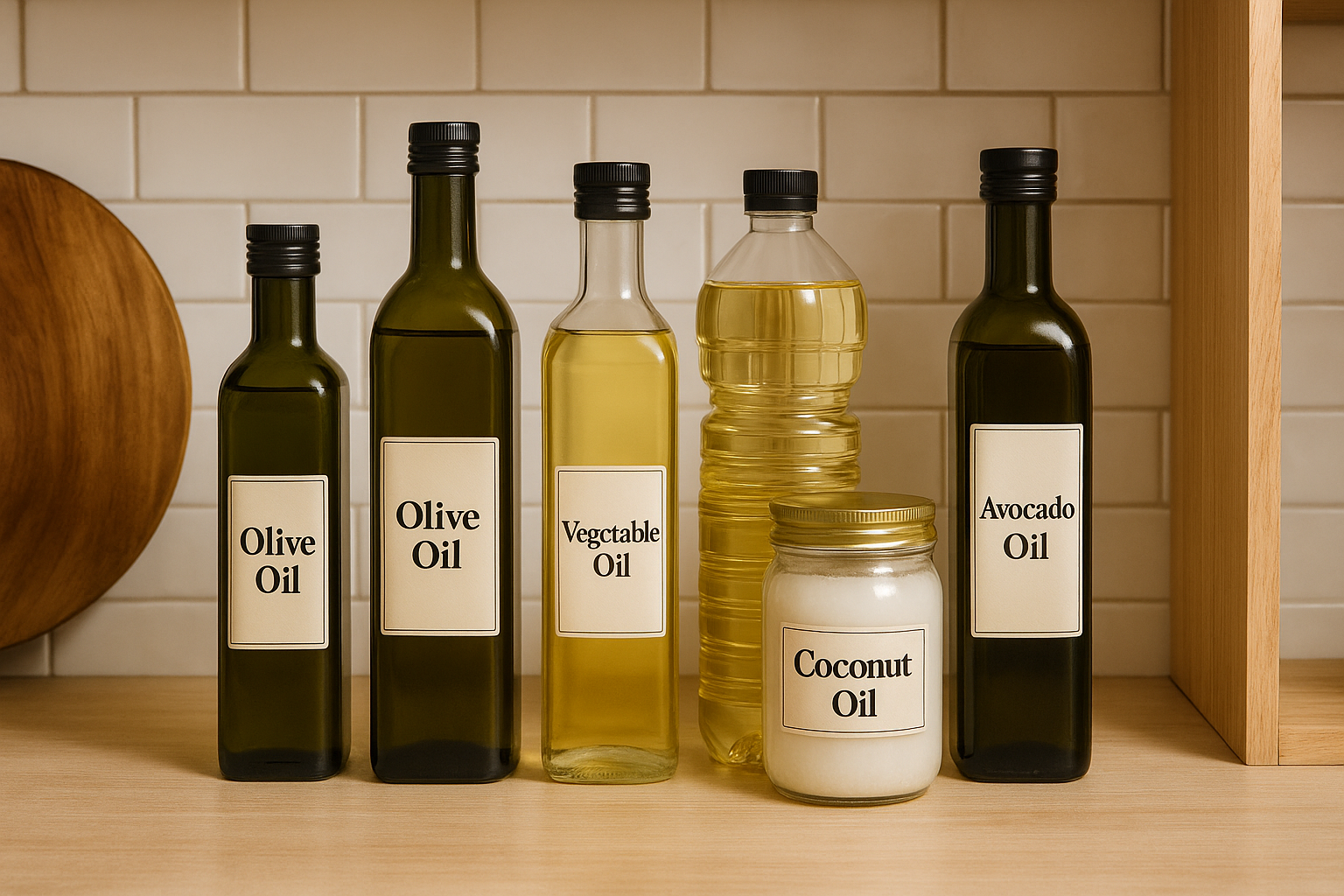
8. Should I oil the meat before seasoning?
A thin coat of oil helps dry spices adhere to the surface and promotes browning. Apply oil first, then season. For steaks, season first, then add oil only to the hot pan.
9. What are finishing salts and when do I use them?
Flaky sea salts (like Maldon) added after cooking provide a burst of crunch and bright saltiness. They dissolve too quickly to use during cooking — save them for the final touch.
10. How do I build layers of flavor on meat?
Marinate or dry brine for deep seasoning, apply a dry rub for the crust, baste with butter and herbs during cooking, and finish with a sauce, compound butter, or flaky salt. Each layer adds dimension.
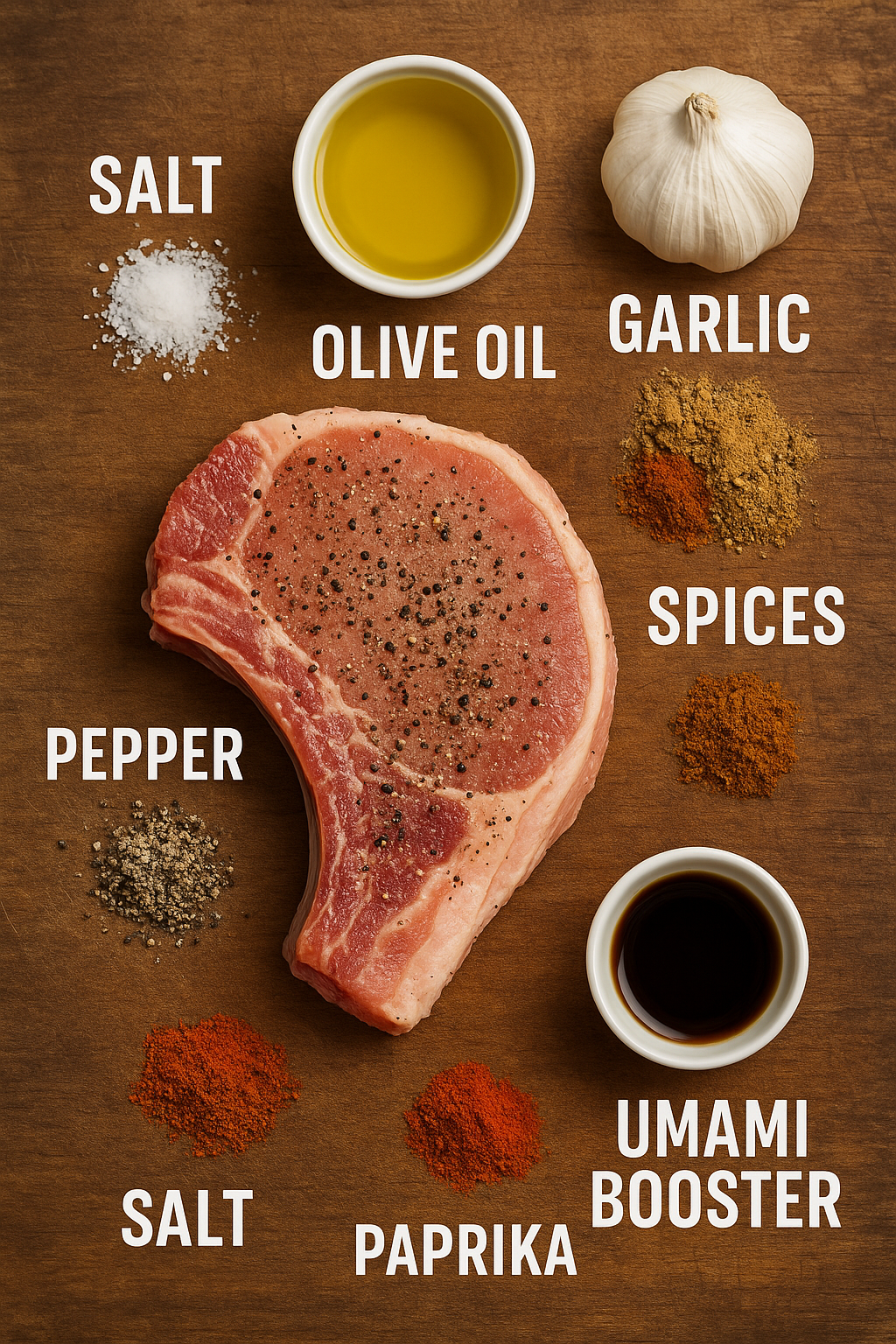
How to Season Meat Like a Pro: Salt, Spices & Marinade Tips That Actually Work
Ingredients
Method
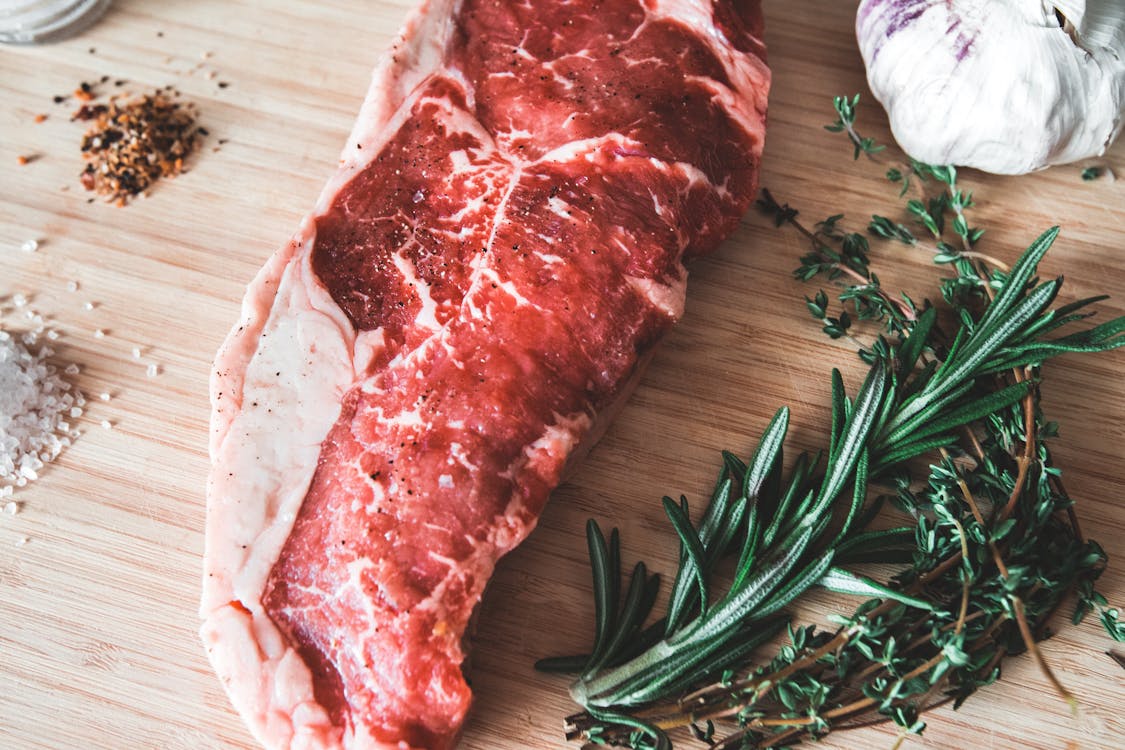
- Remove meat from packaging and pat completely dry with paper towels. Dry surfaces take seasoning better and develop a better sear.
- Apply kosher salt evenly on all sides. Use about ¾ teaspoon per pound. For thick cuts, season up to an hour before cooking. For thin cuts, season right before.
- Apply freshly ground black pepper and any dry spices (garlic powder, paprika, cumin, etc.) after salt. Press seasonings into the meat with your hands.
- For tougher cuts, combine acid (citrus juice or vinegar), oil, and aromatics. Marinate for 30 minutes to overnight in the refrigerator.
- Remove seasoned meat from the fridge 20-30 minutes before cooking. This ensures more even cooking throughout.
- Taste and adjust seasoning after cooking. A finishing sprinkle of flaky sea salt just before serving enhances flavor.
Notes
Refrigerator: Store leftovers in an airtight container for up to 3-4 days.
Freezer: Freeze in a sealed container for up to 2-3 months. Thaw overnight in the fridge.
Reheat: Warm in a skillet over medium heat, in the microwave, or in a 350°F oven until heated through.
Nutrition Facts (Per Serving, Approximate)
Nutrition values are estimates and may vary based on ingredients and preparation.