
This The ULTIMATE Balsamic Roast Pork Tenderloins Recipe is one of those recipes you'll find yourself making over and over again. It's simple, delicious, and always gets rave reviews. Whether you're a beginner or a seasoned cook, you're going to love how easy and tasty this turns out!
About This Recipe
Here's what most people don't realize about balsamic and pork tenderloin: the acetic acid in balsamic doesn't just add flavor—it actually breaks down the muscle proteins on the surface, creating a more tender exterior while the sugars caramelize. But here's the kicker—pork tenderloin has virtually no intramuscular fat, so that acid penetration in the first 15 minutes of marinating does most of the tenderizing work. After that, you're just building flavor layers. The magic happens when the balsamic reduces during roasting: those grape sugars concentrate and form new flavor compounds through the Maillard reaction with the pork's amino acids. This is why timing matters so much with this cut—over-marinate and the acid turns the surface mushy, under-reduce the glaze and you miss that deep, complex sweetness that makes people think you've been cooking for decades. It's pure chemistry working in your favor.
Ingredients for The ULTIMATE Balsamic Roast Pork Tenderloins
- 2 pounds pork tenderloins, 1 package with 2 tenderloins in the package
- 2 tablespoons balsamic vinegar
- 2 tablespoons olive oil
- 6 cloves garlic, cracked
- 1 teaspoon kosher salt
- Freshly crushed black pepper to taste
- 2 sprigs fresh rosemary leaves stripped and finely chopped
- ½ teaspoon dried thyme
How to Make The ULTIMATE Balsamic Roast Pork Tenderloins
- Preheat oven to 500 degrees F.
- Trim silver skin or connective tissue off tenderloins with a very sharp thin knife.
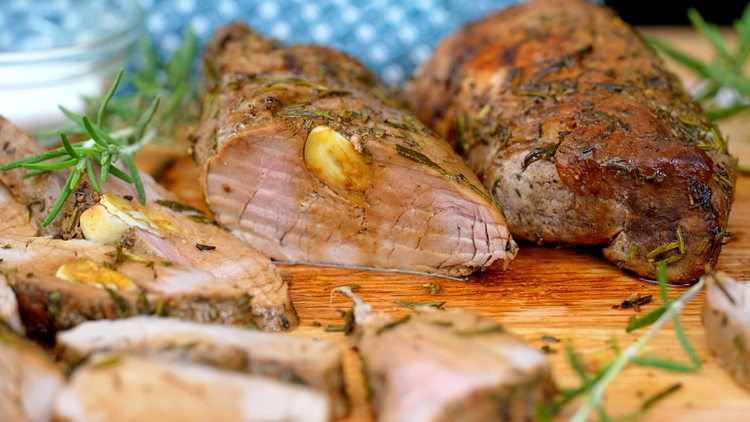
- Place tenderloins on a nonstick cookie sheet with a rim or 9x13 baking dish. Coat tenderloins in a few tablespoons of balsamic vinegar, rubbing vinegar into meat. Drizzle tenderloins with extra-virgin olive oil, just enough to coat. Cut small slits into meat and disperse chunks of cracked garlic cloves into meat. Sprinkle salt and pepper with rosemary and thyme and rub meat with blend. Roast in hot oven 20 minutes or until the internal temperature reads 145°F.
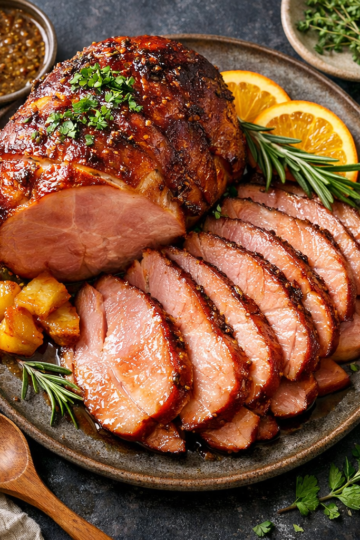
- Let meat rest, transfer to a carving board, slice and serve.
What to Serve With The ULTIMATE Balsamic Roast Pork Tenderloins
The sweet-tangy glaze on this pork begs for something creamy and mild to balance it out. My garlic mashed plantains are absolutely perfect here – they soak up that gorgeous balsamic pan sauce while adding that subtle tropical sweetness that reminds me of Sunday dinners growing up.
For a fresh contrast to the rich, caramelized flavors, try roasted Brussels sprouts with crispy bacon and a squeeze of lemon. The slight bitterness cuts through the pork's sweetness beautifully, while the bacon echoes those savory notes without competing for attention.
Nothing beats the classic combination of this glazed pork with creamy polenta or risotto. The silky, neutral base lets that incredible balsamic reduction shine while providing the perfect canvas to catch every drop of those concentrated pan juices.
Frequently Asked Questions
1. What does balsamic glaze add to pork tenderloin?
Balsamic vinegar reduces into a thick, sweet-tangy glaze that caramelizes on the pork during roasting. It creates a beautiful mahogany crust with complex sweet-savory depth.
2. Should I use balsamic vinegar or balsamic glaze?
Start with regular balsamic vinegar and reduce it yourself for the freshest flavor. Store-bought balsamic glaze (reduction) works as a shortcut and saves about 10 minutes.
3. How do I reduce balsamic vinegar into a glaze?
Simmer 1 cup balsamic vinegar over medium heat for 10-15 minutes until it reduces by half and coats the back of a spoon. It thickens further as it cools.
4. What temperature for roasting pork tenderloin?
Sear at high heat in a skillet first, then roast at 400 degrees for 18-22 minutes until the internal temperature reaches 145 degrees. Rest 8 minutes before slicing.
5. How do I sear pork tenderloin?
Get an oven-safe skillet very hot with oil. Sear the tenderloin on all sides for 2-3 minutes per side until deeply browned. Transfer the whole skillet to the preheated oven.
6. When should I apply the balsamic glaze?
Brush the glaze on during the last 10 minutes of roasting and again right after pulling from the oven. Multiple layers build a thicker, stickier coating.
7. What herbs pair with balsamic pork?
Fresh rosemary and thyme are the best matches. Their woody, earthy flavors complement the sweet-tangy balsamic beautifully. Fresh basil adds a lighter, Italian-inspired note.
8. Should I remove the silver skin?
Always — the silver skin is a tough, silvery membrane that does not break down during cooking. Slide a knife under one end and pull it off in strips for the most tender result.
9. What sides complement balsamic roast pork?
Roasted root vegetables, garlic mashed potatoes, sauteed green beans, arugula salad with goat cheese, or creamy polenta all pair beautifully with the sweet-tangy balsamic glaze.
10. Can I cook two tenderloins at the same time?
Yes — place them side by side in the same pan. They may need 3-5 extra minutes. Check each individually with a thermometer as they may finish at slightly different times.
The ULTIMATE Balsamic Roast Pork Tenderloins Video
The ULTIMATE Balsamic Roast Pork Tenderloins Recipe
Ingredients
Method
- Preheat oven to 500 degrees F.
- Trim silver skin or connective tissue off tenderloins with a very sharp thin knife.
- Place tenderloins on a nonstick cookie sheet with a rim or 9x13 baking dish. Coat tenderloins in a few tablespoons of balsamic vinegar, rubbing vinegar into meat. Drizzle tenderloins with extra-virgin olive oil, just enough to coat. Cut small slits into meat and disperse chunks of cracked garlic cloves into meat. Sprinkle salt and pepper with rosemary and thyme and rub meat with blend. Roast in hot oven 20 minutes or until the internal temperature reads 145°F.
- Let meat rest, transfer to a carving board, slice and serve.
Nutrition
Notes
Buy tenderloins that are similar in thickness throughout—avoid the tapered ones. Uneven thickness means uneven cooking, and with lean pork tenderloin, there's zero margin for error. The thick end will be perfect while the thin end turns to cardboard. After years of making this, I learned to score the surface lightly in a crosshatch pattern before marinating. The balsamic penetrates deeper into those tiny cuts, and when it reduces during roasting, you get these beautiful caramelized lines that look restaurant-quality. Use aged balsamic if you can find it—the 8-year minimum kind, not grocery store 'balsamic glaze.' The concentrated grape sugars create a glossy, restaurant-style coating that cheap balsamic just can't match. It's worth the extra few dollars for the transformation. Let the reduced balsamic cool for 2-3 minutes before the final brush—this is crucial. Hot glaze slides right off, but slightly cooled glaze clings and creates that gorgeous lacquered finish that makes this dish look like it came from a high-end kitchen.
Leave a Reply