
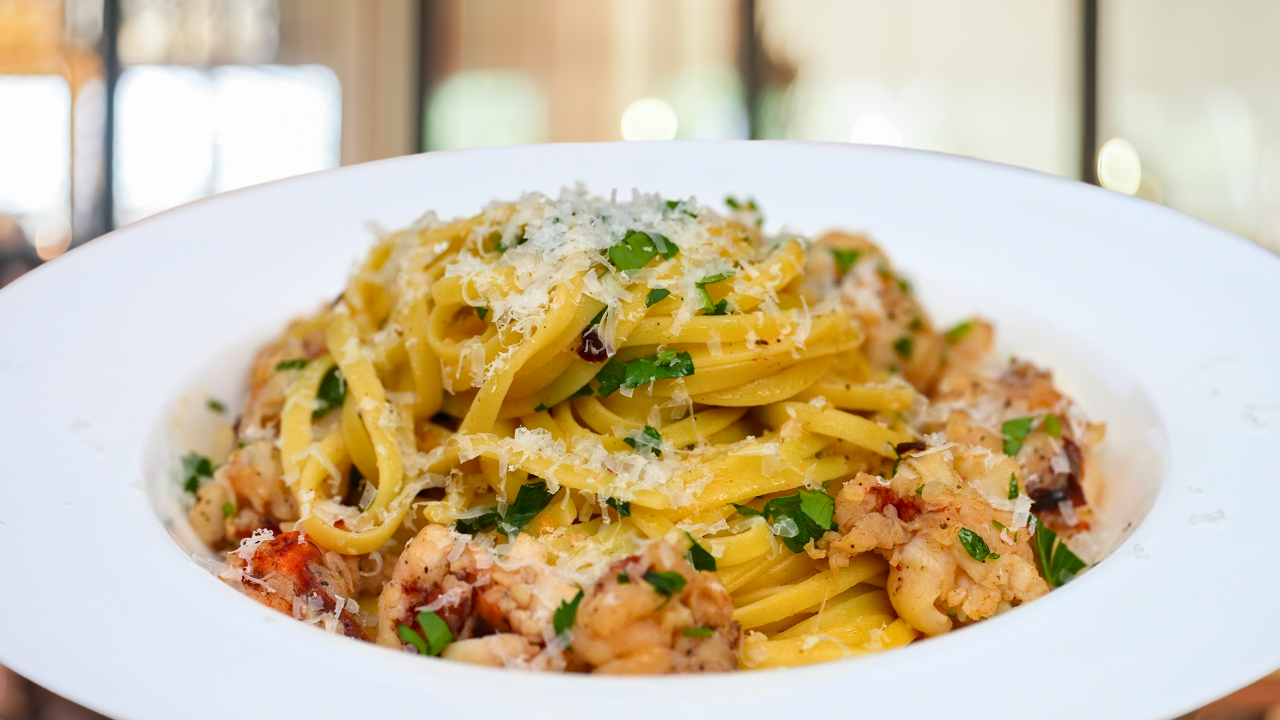
This Lobster Tail Scampi is one of those recipes you'll find yourself making over and over again. It's simple, delicious, and always gets rave reviews. Whether you're a beginner or a seasoned cook, you're going to love how easy and tasty this turns out!

About This Recipe
Here's something that'll change your lobster game forever: the key to perfect scampi isn't just any white wine—it's choosing one with the right acidity level. Most home cooks grab whatever Pinot Grigio is on sale, but lobster's sweet, delicate meat gets completely overwhelmed by high-acid wines. You want a wine with moderate acidity, around 6-7 grams per liter—think Albariño or a good Sancerre. The science is beautiful: lobster contains high levels of glycine, an amino acid that creates that signature sweetness. When paired with overly acidic wine, the acid breaks down these delicate proteins too aggressively, leaving you with rubbery texture and muted flavor. But get the balance right? The moderate acidity enhances the glycine without denaturing it, creating this incredible flavor amplification where the wine doesn't just complement the lobster—it actually makes it taste more like itself. That's why restaurant scampi always tastes better than homemade. They know their wine science.
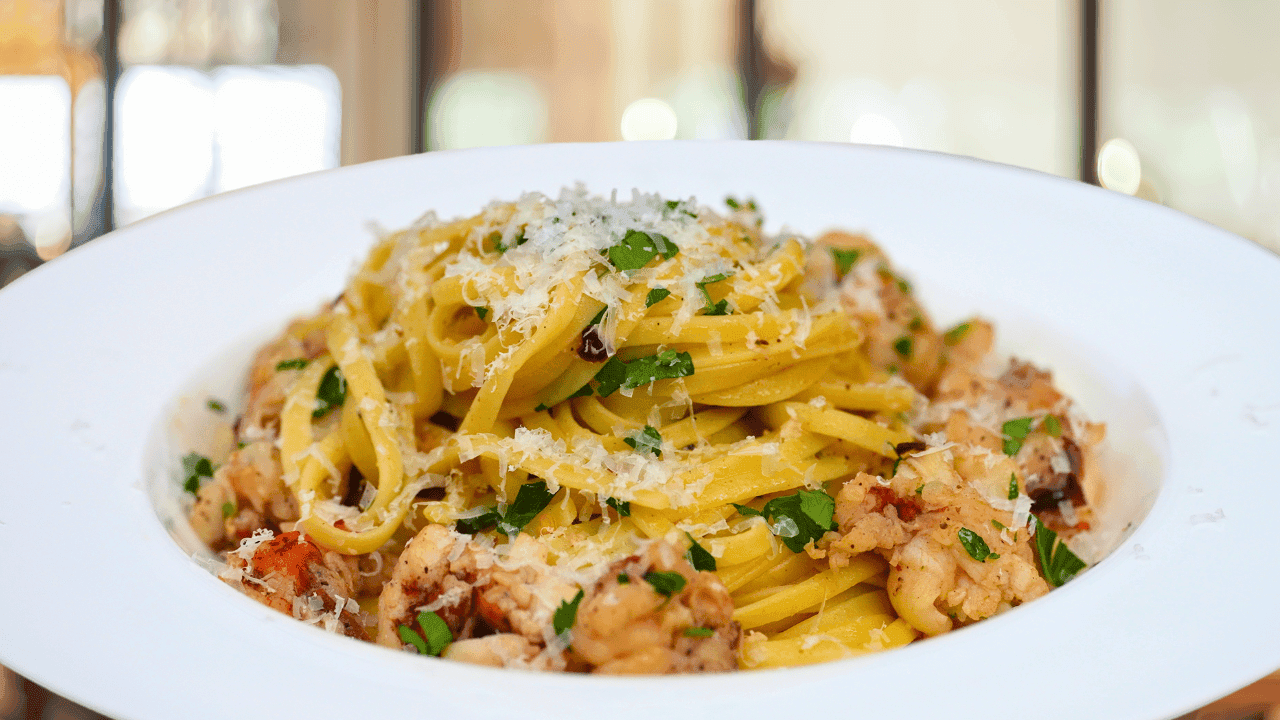
Ingredients for Lobster Tail Scampi
- 4 lobster tails — 6 oz each
- 8 oz linguine pasta
- 4 tablespoons unsalted butter
- 4 cloves garlic — minced
- ½ teaspoon red pepper flakes
- ½ cup white wine
- 2 tablespoons fresh lemon juice
- ¼ cup chopped fresh parsley
- Salt and pepper to taste
- Grated Parmesan cheese for serving
Substitutions & Variations
- Lobster tails: Substitute with jumbo shrimp or langostinos for a more budget-friendly option that still delivers that sweet, delicate seafood flavor.
- White wine: Use coconut rum or a splash of Dominican mamajuana for a Caribbean twist that adds tropical sweetness and complexity to the sauce.
- Linguine pasta: Swap for yuca noodles or thinly sliced boiled yuca to create a Dominican-style base that's naturally gluten-free and heartier.
- Red pepper flakes: Replace with finely minced scotch bonnet or habanero peppers for authentic Caribbean heat that builds slowly and adds fruity notes.
- Fresh parsley: Use chopped cilantro and a touch of culantro (recao) for a distinctly Caribbean herb profile that's bright and aromatic.
- Butter: Mix half the butter with coconut oil for a subtle tropical flavor that complements the seafood without overpowering it.
How to Make Lobster Tail Scampi
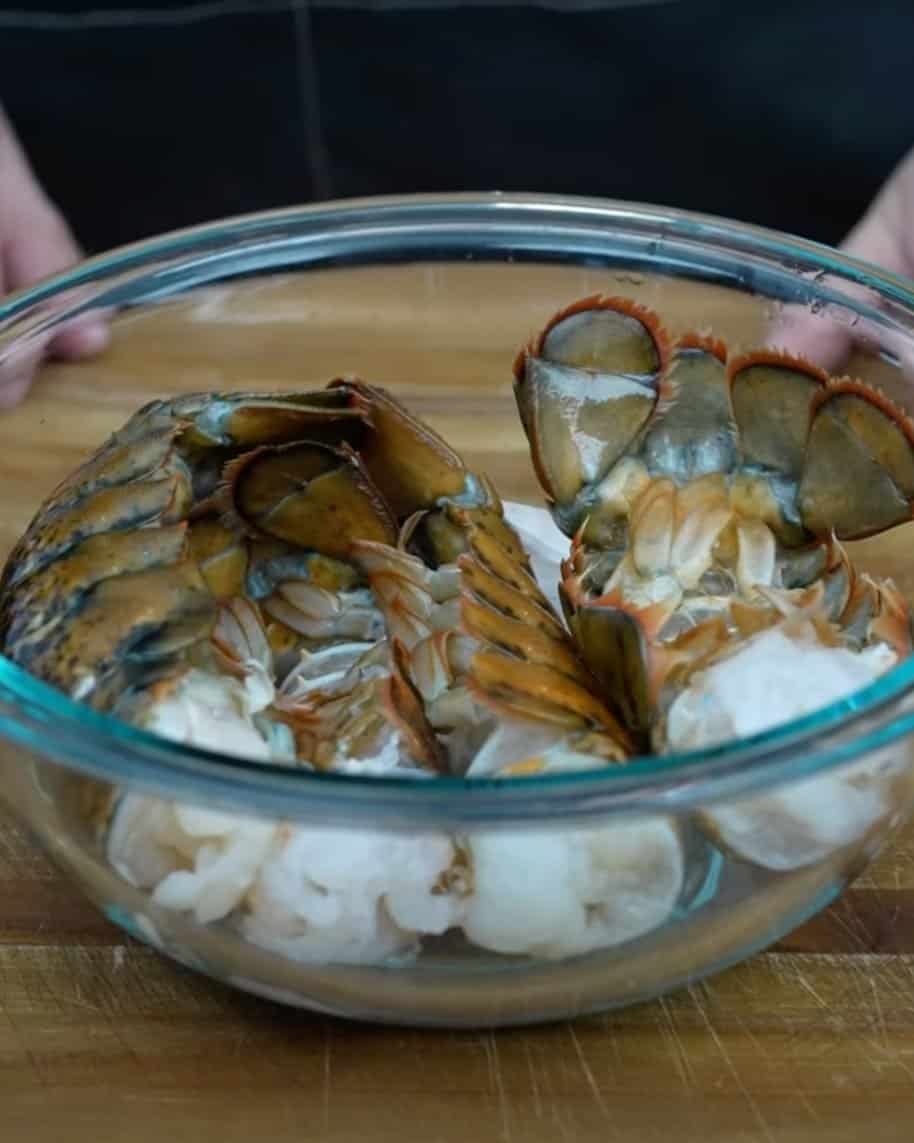
- Prep Lobster Tails: Using kitchen shears, carefully cut the top of each lobster tail shell, stopping at the tail. Flip upside down and crack the ribcage of the tail. Open the shell to expose the meat, remove any veins, then chop meat into bite-sized pieces.
- Season Lobster: Before cooking, season lobster meat with salt and pepper to taste.
- Cook Linguine: Bring a large pot of salted water to a boil. Cook linguine according to package instructions until al dente. Drain and set aside, reserving a cup of pasta water.
- Make Scampi Sauce: In a large skillet over medium heat, melt 2 tablespoons of butter. Add minced garlic and red pepper flakes, sauté until fragrant. Add chopped lobster meat and cook until opaque and golden. Remove lobster from skillet and set aside.
- Prepare Sauce: In the same skillet, add remaining 2 tablespoons of butter. Pour in white wine and lemon juice, scraping any browned bits. Let sauce simmer for 2-3 minutes to reduce slightly.
- Combine Ingredients: Return cooked lobster to skillet with sauce. Add cooked linguine, tossing to coat everything evenly. If needed, add reserved pasta water to adjust consistency.
- Season and Garnish: Sprinkle salt and pepper to taste. Stir in chopped parsley for freshness.
- Serve: Divide lobster scampi among plates, garnish with grated Parmesan cheese if desired. Serve immediately and enjoy the luxurious flavors!
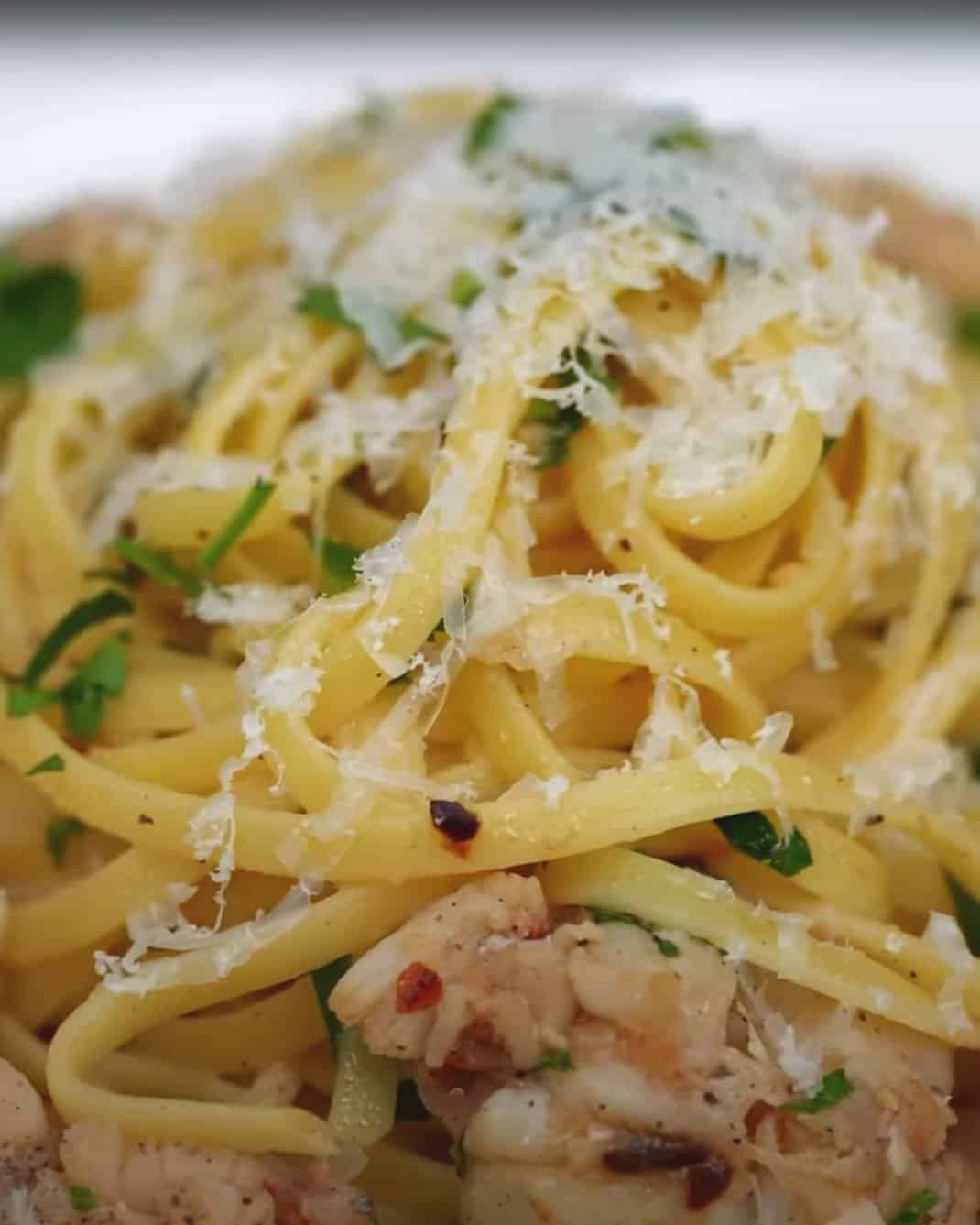
What to Serve With Lobster Tail Scampi
The bright, garlicky flavors of this scampi pair beautifully with my Dominican-style yuca con mojo—the creamy, starchy yuca balances the rich butter sauce while the citrusy mojo echoes the lemon in the scampi. It's a combination that feels both elegant and rooted in my Caribbean heritage.
For something lighter, try serving this alongside a crisp arugula salad dressed with champagne vinaigrette and toasted pine nuts. The peppery arugula cuts through the richness of the lobster butter, while the nuts add a delicate crunch that complements the tender shellfish perfectly.
A glass of chilled Albariño or Sancerre is my go-to wine pairing here—the bright acidity and mineral notes enhance the lobster's natural sweetness without competing with the garlic and herbs. The wine's crispness also cleanses your palate between those indulgent, buttery bites.
Frequently Asked Questions
1. How do I butterfly a lobster tail?
Using kitchen shears, cut down the center of the top shell from the wide end to the tail fan. Gently pull the meat up through the slit and rest it on top of the shell.
2. What is scampi sauce made of?
Classic scampi sauce is butter, garlic, white wine, lemon juice, red pepper flakes, and parsley. The butter and wine emulsify into a rich, garlicky sauce.
3. How long do lobster tails take to cook?
Broiled lobster tails take 8-12 minutes depending on size. A 6-ounce tail takes about 8-10 minutes. The meat is done when opaque white and 140°F internally.
4. Should I boil or broil lobster tails?
Broiling gives the best flavor and presentation — the top caramelizes slightly while the scampi butter bastes the meat. Boiling is faster but produces a milder flavor.
5. How do I prevent lobster tails from curling?
Insert a wooden skewer lengthwise through the meat before cooking. This keeps the tail straight and prevents it from curling up during the high heat of broiling.
6. What wine works best in lobster scampi?
A dry white wine like Pinot Grigio, Sauvignon Blanc, or Vermentino. The wine deglazes the pan and adds acidity that brightens the rich butter sauce.
7. How do I know when lobster is overcooked?
Overcooked lobster is tough, rubbery, and dry. It should be just opaque and slightly translucent in the very center when you pull it from the heat — carryover heat finishes it.
8. Can I use frozen lobster tails?
Yes, thaw overnight in the refrigerator or under cold running water for 30 minutes. Never thaw at room temperature. Pat dry before butterflying and cooking.
9. What should I serve with lobster tail scampi?
Angel hair pasta to soak up the scampi butter, roasted asparagus, a light salad, and crusty bread are all elegant pairings. Drawn butter on the side is a nice touch.
10. How many lobster tails per person?
One 6-8 ounce lobster tail per person is standard for a main course. For a surf and turf dinner, one smaller 4-5 ounce tail alongside steak is typical.
Lobster Tail Scampi Video
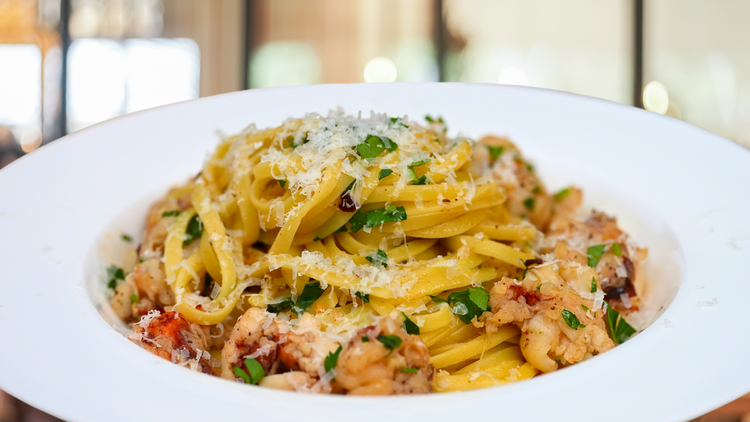
Lobster Tail Scampi
Ingredients
Method
- Prep Lobster Tails: Using kitchen shears, carefully cut the top of each lobster tail shell, stopping at the tail. Flip upside down and crack the ribcage of the tail. Open the shell to expose the meat, remove any veins, then chop meat into bite-sized pieces.
- Season Lobster: Before cooking, season lobster meat with salt and pepper to taste.
- Cook Linguine: Bring a large pot of salted water to a boil. Cook linguine according to package instructions until al dente. Drain and set aside, reserving a cup of pasta water.
- Make Scampi Sauce: In a large skillet over medium heat, melt 2 tablespoons of butter. Add minced garlic and red pepper flakes, sauté until fragrant. Add chopped lobster meat and cook until opaque and golden. Remove lobster from skillet and set aside.
- Prepare Sauce: In the same skillet, add remaining 2 tablespoons of butter. Pour in white wine and lemon juice, scraping any browned bits. Let sauce simmer for 2-3 minutes to reduce slightly.
- Combine Ingredients: Return cooked lobster to skillet with sauce. Add cooked linguine, tossing to coat everything evenly. If needed, add reserved pasta water to adjust consistency.
- Season and Garnish: Sprinkle salt and pepper to taste. Stir in chopped parsley for freshness.
- Serve: Divide lobster scampi among plates, garnish with grated Parmesan cheese if desired. Serve immediately and enjoy the luxurious flavors!
Nutrition
Notes
Split lobster tails with kitchen shears from the top, cutting through the shell but stopping before the fan tail, because this creates maximum surface area for the garlic butter while keeping the meat attached for elegant presentation. Buy lobster tails that feel heavy for their size and have translucent, firm meat—avoid any with white spots or rainbow sheens, because these indicate freezer burn that'll give you that disappointing cotton-ball texture no amount of butter can fix. After years of making this dish, I've learned to remove the pan from heat before adding the final knob of butter and parsley, because residual heat creates the perfect emulsion while direct heat breaks the sauce into greasy separation. Toast your garlic in the oil for exactly 30 seconds before adding wine—this Dominican technique called 'sofrito base' creates deeper flavor complexity because the brief heat activates garlic's allicin compounds without burning them bitter. Storage & Meal Prep:
It's not recommended to freeze leftovers of this dish, as the texture of the lobster may become rubbery upon thawing. Best enjoyed fresh!
Tried this recipe?
Let us know how it was!Filed Under
You May Also Like
Never Miss a Recipe
Get Kelvin's latest Dominican & Caribbean recipes straight to your inbox — free.
Leave a Reply