
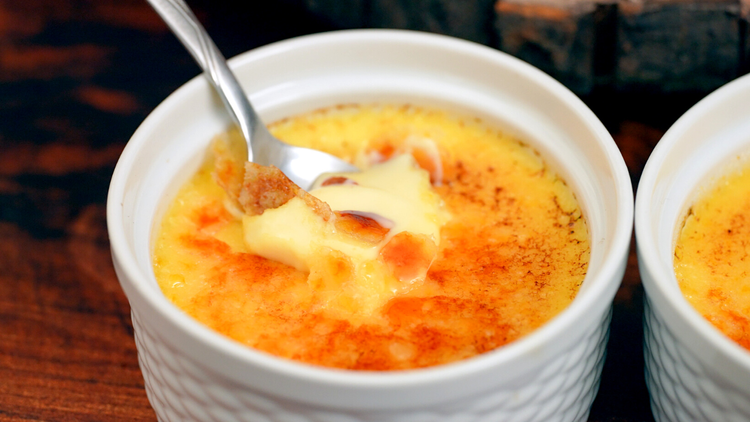
This Crème Brûlée is one of those recipes you'll find yourself making over and over again. It's simple, delicious, and always gets rave reviews. Whether you're a beginner or a seasoned cook, you're going to love how easy and tasty this turns out!
About This Recipe
French crème brûlée varies dramatically by region in ways that completely change the dessert's character. In Normandy, they add Calvados apple brandy and use cream from local Isigny cows, creating a richer, more complex flavor. Provençal versions incorporate lavender or orange blossom water, while Brittany's coastal regions add a pinch of fleur de sel that transforms the entire taste profile. But here's what most home cooks don't realize: the traditional Parisian method calls for infusing the cream with vanilla bean pods for exactly 20 minutes at 160°F — any longer and the vanilla becomes bitter, any shorter and it won't fully bloom. This timing creates that signature silky texture because the proteins don't over-coagulate. In my kitchen, I've found this French precision actually matters more than the sugar torching technique everyone obsesses over. When you nail that vanilla infusion timing, you get that restaurant-quality custard base that holds its shape but still trembles when you tap the ramekin.
Ingredients for Crème Brûlée
- 3 cups heavy cream
- 2 teaspoon pure vanilla extract
- 5 egg yolks
- ½ cup plus 6 teaspoons granulated sugar divided
- ⅛ teaspoon salt
How to Make Crème Brûlée
- Preheat the oven to 325F.
- In a small saucepan, bring cream to a simmer over medium heat. Remove from heat and let stand for 15 minutes.
- In a large bowl, whisk together egg yolks, ½ cup sugar, and salt. Slowly whisk the hot cream into the egg yolks. Divide custard among 6 (6-ounce) ramekins.
- Pour very hot water into the baking dish until it fills the dish by about a third. Carefully place the filled ramekins in the dish.
- Bake for 30 to 40 minutes or until the custard edges are set but the center wobbles slightly. Remove from the oven and let cool completely. Chill for several hours or up to 2 days.
- When ready to serve, sprinkle 1 teaspoon of sugar over the top of each chilled custard. Using a blow torch, caramelize the sugar until dark amber and bubbling. Serve immediately.
- Tres Leches Cake
- Coffee Creme Caramel
- Peach Cobbler
- Pumpkin Cream Cheese Muffins
What to Serve With Crème Brûlée
The rich, vanilla-scented custard pairs beautifully with my Dominican tres leches cake - the cool, creamy textures complement each other while the caramelized sugar adds a delightful crunch contrast. Both desserts celebrate that luxurious dairy richness we love in Latin cuisine.
Fresh berries like strawberries or raspberries cut through crème brûlée's decadent richness perfectly. The tartness balances the sweet custard, while the bright fruit flavors wake up your palate between spoonfuls of this indulgent treat.
A small glass of aged rum or coffee liqueur makes an elegant finish to this sophisticated dessert. The warm, complex flavors echo the vanilla notes in the custard, creating a restaurant-quality experience that'll impress any dinner guest.
Frequently Asked Questions
1. What is the correct cream-to-egg ratio for creme brulee?
The classic ratio is 2 cups heavy cream to 5 egg yolks. This produces a silky, rich custard that sets firmly enough to hold its shape but melts on the tongue.
2. Do I need a kitchen torch for creme brulee?
A kitchen torch gives the best results — an even, crackly caramel shell in seconds. The oven broiler works as a backup but is harder to control and can overcook the custard underneath.
3. What sugar is best for the brulee topping?
White granulated sugar gives the most consistent, crackly shell. Superfine sugar melts faster and more evenly. Avoid brown sugar — it burns too quickly and tastes different.
4. Why do I need to bake creme brulee in a water bath?
The water bath (bain-marie) surrounds the ramekins with gentle, even heat. Without it, the edges overcook and curdle before the center sets. The water regulates the temperature.
5. How do I know when creme brulee is done baking?
The custard should jiggle like gelatin when you gently shake the ramekin — set at the edges with a slightly wobbly center. It firms up as it chills. Overbaked custard is grainy.
6. What temperature and time for baking?
325 degrees for 40-50 minutes in a water bath. The gentle, low heat prevents the custard from curdling. Every oven is different, so start checking at 40 minutes.
7. How long should creme brulee chill before serving?
At least 4 hours, but overnight is best. The custard needs time to fully set in the refrigerator. Brulee the sugar topping right before serving — never in advance.
8. Why is my creme brulee grainy instead of smooth?
The custard was overbaked or the oven temperature was too high. The eggs curdled from excessive heat. Use a water bath, bake at 325 degrees, and watch for the jiggle test.
9. Can I flavor creme brulee with something besides vanilla?
Lavender, espresso, matcha, lemon zest, orange liqueur, or dark chocolate are all excellent variations. Steep the flavor into the warm cream before adding to the yolks.
10. How far ahead can I make creme brulee?
Bake the custards up to 3 days ahead and refrigerate covered. Torch the sugar topping just before serving — the sugar shell softens within 30 minutes and loses its signature crack.
Crème Brûlée Video
Ingredients
Method
- Preheat the oven to 325F.
- In a small saucepan, bring cream to a simmer over medium heat. Remove from heat and let stand for 15 minutes.
- In a large bowl, whisk together egg yolks, ½ cup sugar, and salt. Slowly whisk the hot cream into the egg yolks. Divide custard among 6 (6-ounce) ramekins.
- Pour very hot water into the baking dish until it fills the dish by about a third. Carefully place the filled ramekins in the dish.
- Bake for 30 to 40 minutes or until the custard edges are set but the center wobbles slightly. Remove from the oven and let cool completely. Chill for several hours or up to 2 days.
- When ready to serve, sprinkle 1 teaspoon of sugar over the top of each chilled custard. Using a blow torch, caramelize the sugar until dark amber and bubbling. Serve immediately.
- Tres Leches Cake
- Coffee Creme Caramel
- Peach Cobbler
- Pumpkin Cream Cheese Muffins
Nutrition
Notes
Use Madagascar vanilla beans exclusively and scrape them into cold cream before heating — the seeds distribute more evenly in cold liquid, and Madagascar beans have the perfect vanillin content that won't overpower the delicate custard when torched. After countless crème brûlées, I've learned to test doneness by gently shaking the ramekin — the center should jiggle like firm jello, not liquid, because residual heat continues cooking the custard even after removing from oven. Torch the sugar in thin, even layers rather than dumping it all at once — this creates that satisfying crack without burning, because thick sugar layers create hot spots that taste bitter and can crack your custard underneath. Let your finished custards chill for exactly 4 hours before torching — shorter and the custard is too soft to support the caramelized top, longer and condensation forms that prevents proper sugar caramelization.
Leave a Reply