

This Bad Bunny's Arroz con Salchichas Recipe: A Flavorful Tribute to Latin Comfort is one of those recipes you'll find yourself making over and over again. It's simple, delicious, and always gets rave reviews. Whether you're a beginner or a seasoned cook, you're going to love how easy and tasty this turns out!

About This Recipe
Here's the secret that separates restaurant-quality arroz con salchichas from the home version: we bloom our sofrito separately before adding the rice. Most home cooks dump everything together, but in Dominican kitchens, we heat the sofrito until it literally sizzles and darkens – what we call 'sudando' (sweating). You'll hear it change from a gentle bubble to an aggressive sizzle, and the color deepens from bright red to a rich, caramelized burgundy. This creates a flavor base so concentrated it perfumes the entire pot. The aromatic compounds in the garlic, onions, and peppers undergo the Maillard reaction, developing those deep, complex flavors that make you close your eyes on the first bite. Bad Bunny knows this – it's why his arroz tastes like abuela's, not some watery imitation. When your sofrito is properly sudado, it coats each grain of rice with pure Dominican soul.
Ingredients for Bad Bunny's Arroz con Salchichas
- 1 tablespoon vegetable oil
- 2 cubes of sofrito — or 2 tablespoons sofrito
- 3 cups water
- 3 cups rice — Jasmine or preferred type
- 1 packet Sazón
- 1 chicken bouillon cube
- ½ teaspoon Adobo seasoning
- 2 5 oz cans Vienna sausages, drained
- Green olives and fresh parsley/cilantro — for garnish
Substitutions & Variations
- Vienna sausages: Use Dominican longaniza or chorizo cut into rounds for a more authentic Caribbean flavor that adds smoky spice to the rice.
- Jasmine rice: Substitute with medium-grain rice or Dominican preferred Goya brand rice for a stickier texture that better absorbs the sofrito flavors.
- Sofrito cubes: Make fresh sofrito with cilantro, culantro, bell peppers, onions, and garlic for a brighter, more herbaceous taste that elevates the entire dish.
- Sazón packet: Replace with 1 teaspoon each of cumin, oregano, and a pinch of bijol (annatto) for natural coloring and deeper Caribbean seasoning without MSG.
- Water: Use chicken or vegetable broth instead of water plus bouillon cube to create a richer, more complex base flavor for the rice.
- Green olives: Add diced red bell peppers and peas during the last 5 minutes of cooking for extra color and sweetness typical of Caribbean rice dishes.
- Vegetable oil: Use coconut oil for cooking the sofrito to add subtle tropical notes that complement the Latin seasonings perfectly.
How to Make Bad Bunny's Arroz con Salchichas
- Sauté the sofrito: Heat 1 tablespoon of vegetable oil in a large pot over medium heat. Add the sofrito and stir until melted and fragrant.
- Boil the water: Pour in 3 cups of water and bring to a rolling boil.
- Add rice and seasonings: Stir in rinsed rice, Sazón, chicken bouillon cube, and Adobo seasoning. Mix well to ensure even distribution of flavors.
- Cook uncovered: Allow the rice to cook over medium-high heat until the water evaporates, about 8-10 minutes.
- Steam the rice: Reduce the heat to the lowest setting, cover the pot, and let it cook undisturbed for 20 minutes.
- Incorporate the sausages: Fluff the rice, then add the drained Vienna sausages. Gently mix them into the rice.
- Final steam: Cover and cook for an additional 5 minutes to ensure the sausages are heated through.
- Garnish & serve: Sprinkle with green olives and fresh parsley or cilantro for a pop of color and added flavor.
- Enjoy! Serve hot and experience the irresistible taste of this cherished dish.
What to Serve With Bad Bunny's Arroz con Salchichas
This hearty rice dish pairs beautifully with sweet, caramelized maduros - those golden plantains that every Dominican table needs. The natural sweetness balances the savory sausage perfectly, while the soft texture creates a lovely contrast to the rice. It's the kind of combination that takes me right back to Sunday dinners at abuela's house.
A crisp ensalada verde with avocado and lime brings fresh acidity that cuts through the richness of the arroz con salchichas. I love adding some thinly sliced red onion and cilantro to brighten everything up. The cool, crunchy vegetables provide the perfect palate cleanser between bites of that comforting, warm rice.
For the full Dominican experience, serve this alongside my habichuelas con dulce recipe - those creamy, slightly sweet red beans that are pure comfort food. The beans add protein and a different texture profile, while their subtle sweetness plays off the smoky sausage flavors. Together, they create the kind of satisfying meal that keeps everyone coming back for seconds.
Frequently Asked Questions
1. What is arroz con salchichas?
Arroz con salchichas is a beloved Puerto Rican and Dominican comfort dish of rice cooked with hot dogs (Vienna sausages or regular franks) in a flavorful tomato-based sofrito sauce.
2. What type of sausages are used?
Vienna sausages from a can are the most traditional and nostalgic choice. Sliced regular hot dogs or smoked sausages also work well. It is meant to be a simple, budget-friendly meal.
3. What makes this recipe Latin-style?
Sofrito, sazon seasoning, tomato sauce, olives, and recaito give the rice its distinctive Latin Caribbean flavor. The sausages are cooked directly in the seasoned rice.
4. Is this the same recipe Bad Bunny mentioned?
Arroz con salchichas is a cultural staple that Bad Bunny and many Latino celebrities have referenced as a childhood comfort food. Every Latin household has their own version.
5. What type of rice should I use?
Medium or long grain white rice is standard. Do not use instant rice. Rinse the rice until the water runs clear before cooking to remove excess starch for fluffy, separate grains.
6. How do I get the rice fluffy and not mushy?
Use the correct water-to-rice ratio (about 1.5:1 for seasoned rice), bring to a boil, reduce to low heat, cover tightly, and do not lift the lid during the last 20 minutes.
7. Can I add other vegetables?
Diced bell peppers, corn, peas, or diced potatoes are common additions. Some families add a fried egg on top or serve with avocado slices and sweet plantains.
8. What is sofrito and can I buy it?
Sofrito is a blended base of peppers, onions, garlic, cilantro, and culantro. You can buy it premade (Goya brand) or make a fresh batch and freeze it in ice cube trays.
9. Can I use brown rice instead of white?
Brown rice works but needs more liquid and longer cooking time (about 45 minutes). The flavor will be nuttier and the texture chewier than the traditional white rice version.
10. What do you serve alongside arroz con salchichas?
Fried sweet plantains (maduros), a simple salad, habichuelas guisadas (stewed beans), or tostones are all classic Latin accompaniments.
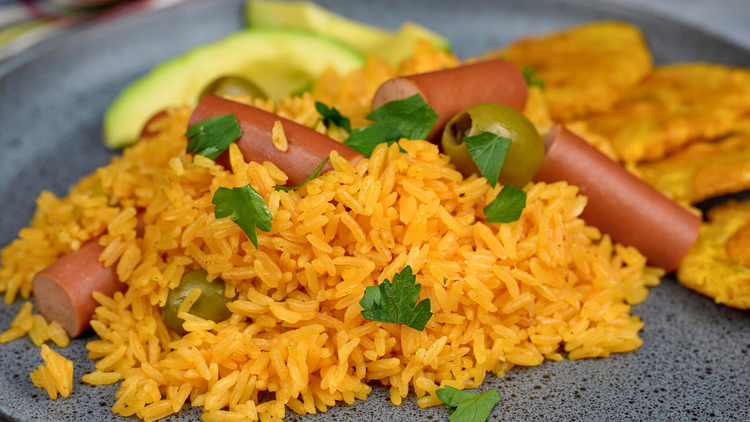
Bad Bunny's Arroz con Salchichas Recipe: A Flavorful Tribute to Latin Comfort
Ingredients
Method
- Sauté the sofrito: Heat 1 tablespoon of vegetable oil in a large pot over medium heat. Add the sofrito and stir until melted and fragrant.
- Boil the water: Pour in 3 cups of water and bring to a rolling boil.
- Add rice and seasonings: Stir in rinsed rice, Sazón, chicken bouillon cube, and Adobo seasoning. Mix well to ensure even distribution of flavors.
- Cook uncovered: Allow the rice to cook over medium-high heat until the water evaporates, about 8-10 minutes.
- Steam the rice: Reduce the heat to the lowest setting, cover the pot, and let it cook undisturbed for 20 minutes.
- Incorporate the sausages: Fluff the rice, then add the drained Vienna sausages. Gently mix them into the rice.
- Final steam: Cover and cook for an additional 5 minutes to ensure the sausages are heated through.
- Garnish & serve: Sprinkle with green olives and fresh parsley or cilantro for a pop of color and added flavor.
- Enjoy! Serve hot and experience the irresistible taste of this cherished dish.
Nutrition
Notes
Use longaniza dominicana instead of regular salchichas if you can find it – the paprika and garlic already infused in longaniza creates deeper flavor layers that complement the sofrito, plus it's what Bad Bunny actually grew up eating in PR. Toast your rice in the sudado sofrito for exactly 2-3 minutes before adding liquid – I learned this from watching my tía cook countless times. The grains should sound like rain hitting a window when you stir them. Add your caldito (broth) slowly in three stages, not all at once, stirring between each addition – this prevents the rice from getting shocked and ensures even absorption, creating that perfect Dominican rice texture without mushiness. Save some sofrito to dollop on top when serving – this brightens the entire dish and gives you those fresh herb notes that balance the rich, cooked flavors. It's the finishing touch that makes people ask for your recipe. Storage & Meal Prep:
Store leftovers in an airtight container in the refrigerator for up to 3 days. Reheat in the microwave with a splash of water. Can be frozen for up to 2 months — thaw overnight in the fridge.
Tried this recipe?
Let us know how it was!Filed Under
You May Also Like



Shop This Recipe
Never Miss a Recipe
Get Kelvin's latest Dominican & Caribbean recipes straight to your inbox — free.


Leave a Reply