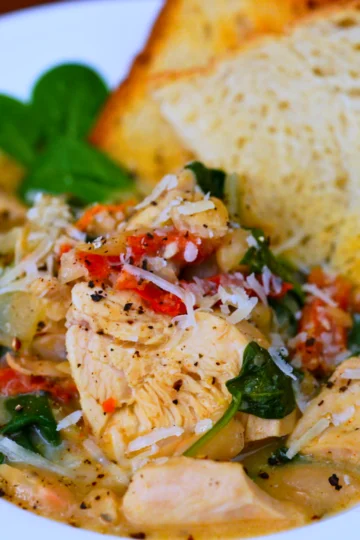
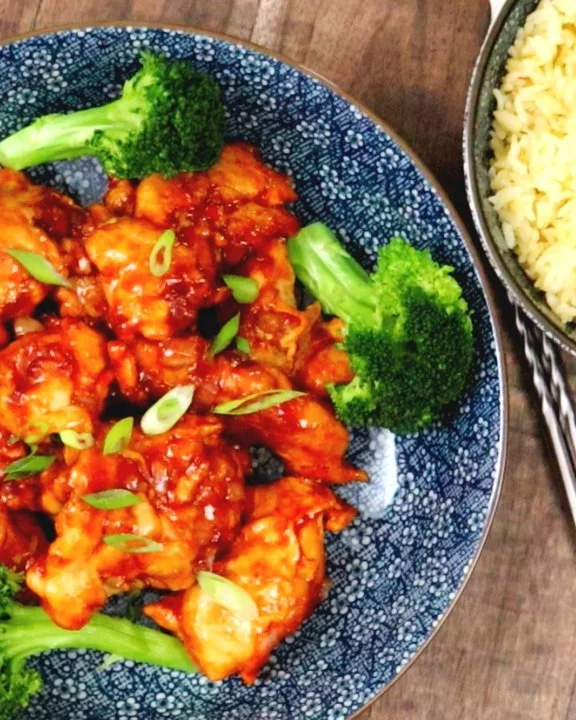
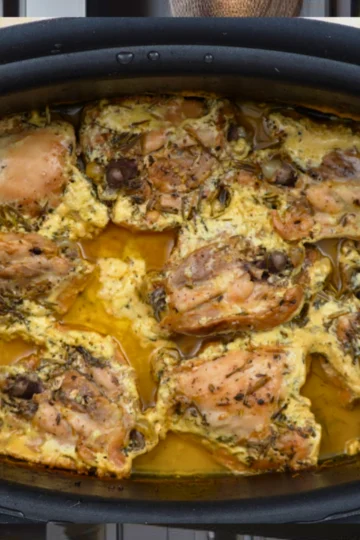
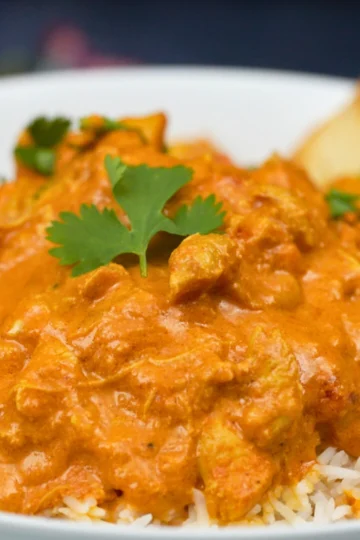
This Should You Wash Raw Chicken Before Cooking? Here’s What the Experts Say is juicy, flavorful, and incredibly easy to make. Whether you're cooking for the family or meal prepping for the week, this recipe delivers every single time. It's about to become one of your go-to favorites!
Did You Know?
Pro Tips
Frequently Asked Questions
1. Should you wash raw chicken before cooking?
No — the USDA and food safety experts strongly advise against washing raw chicken. Running water splashes bacteria like Salmonella up to 3 feet across your kitchen surfaces.
2. Does cooking kill the bacteria without washing?
Yes — cooking chicken to 165 degrees internal temperature kills all harmful bacteria including Salmonella and Campylobacter. Heat is the only reliable method to make chicken safe.
3. How far can bacteria splash when washing chicken?
Studies show water droplets carrying bacteria can splash up to 3 feet from the sink — contaminating countertops, cutting boards, towels, utensils, and other foods nearby.
4. What is the safest way to handle raw chicken?
Remove from packaging directly onto the cutting board, season or prep as needed, then cook to 165 degrees. Wash hands, cutting boards, and utensils with hot soapy water afterward.
5. What if there is slime or residue on the chicken?
Pat the chicken dry with paper towels instead of rinsing. Immediately discard the paper towels and wash your hands. Drying the surface also helps achieve better browning when cooking.
6. Do professional chefs wash chicken?
Most trained chefs do not wash chicken — they follow food safety protocols that rely on proper cooking temperature, not washing, to eliminate bacteria. Many culinary schools teach against it.
7. What about vinegar or lemon juice washes?
Some cultures traditionally wash chicken with acidic solutions. While acid reduces some surface bacteria, it does not eliminate them and still risks cross-contamination from splashing. Cooking to temperature is the only safe method.
8. How do I sanitize my kitchen after handling raw chicken?
Wash all surfaces, cutting boards, and utensils that contacted raw chicken with hot soapy water. Use a diluted bleach solution (1 tablespoon per gallon of water) on countertops.
9. What is cross-contamination and why is it dangerous?
Cross-contamination occurs when bacteria from raw meat transfers to ready-to-eat foods, surfaces, or utensils. This is the leading cause of foodborne illness and why raw chicken handling matters.
10. What internal temperature makes chicken safe?
165 degrees Fahrenheit measured at the thickest part of the meat (not touching bone). This temperature kills all foodborne pathogens in chicken instantly, regardless of whether you washed it.
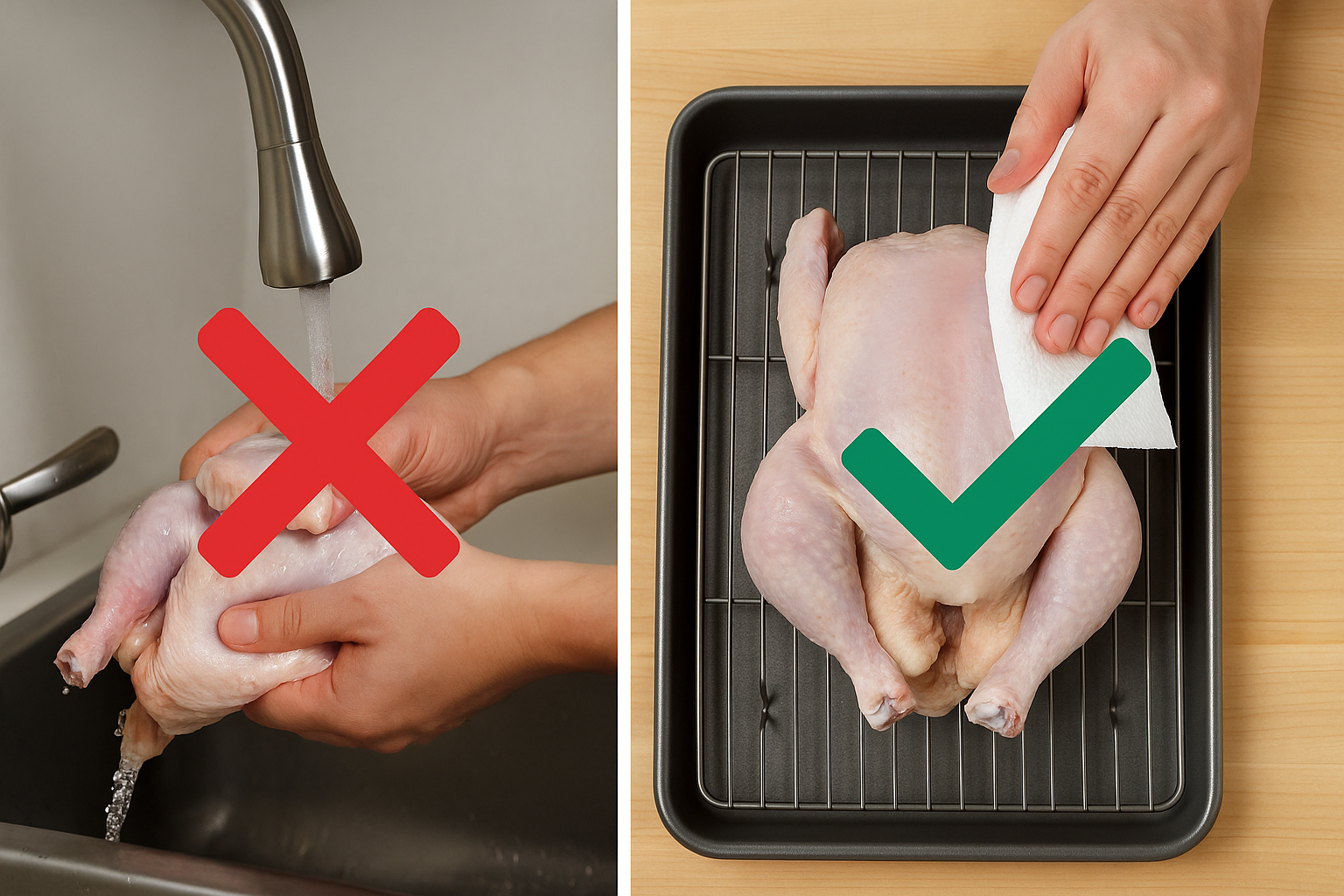
Should You Wash Raw Chicken Before Cooking? Here’s What the Experts Say
Ingredients
Method
- Take it out of the package
- Pat it dry with paper towels (this helps it brown better)
- Season it
- Wash your hands and sanitize surfaces
- Cook to 165°F internally
- Rest it, slice it, devour it 🔥
Notes
Refrigerator: Store leftovers in an airtight container for up to 3-4 days.
Freezer: Freeze in a sealed container for up to 2-3 months. Thaw overnight in the fridge.
Reheat: Warm in a skillet over medium heat, in the microwave, or in a 350°F oven until heated through.
Nutrition Facts (Per Serving, Approximate)
Nutrition values are estimates and may vary based on ingredients and preparation.
Never Miss a Recipe!
Subscribe to get new recipes delivered straight to your inbox.