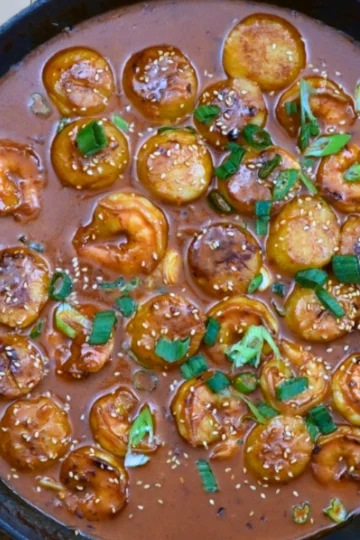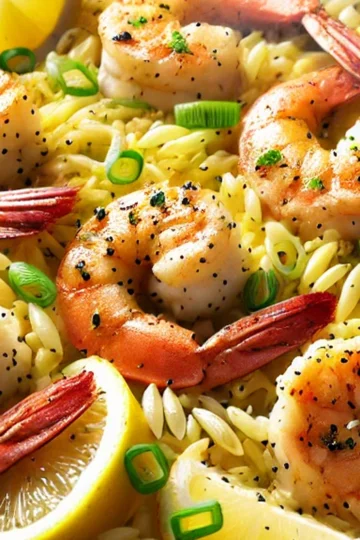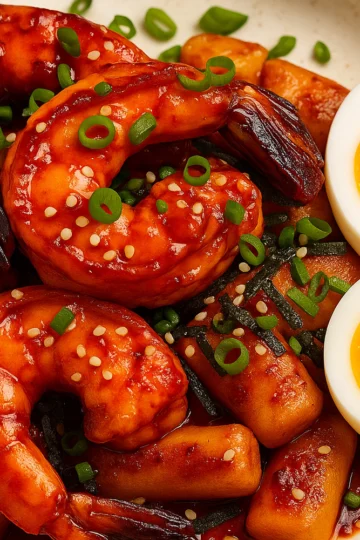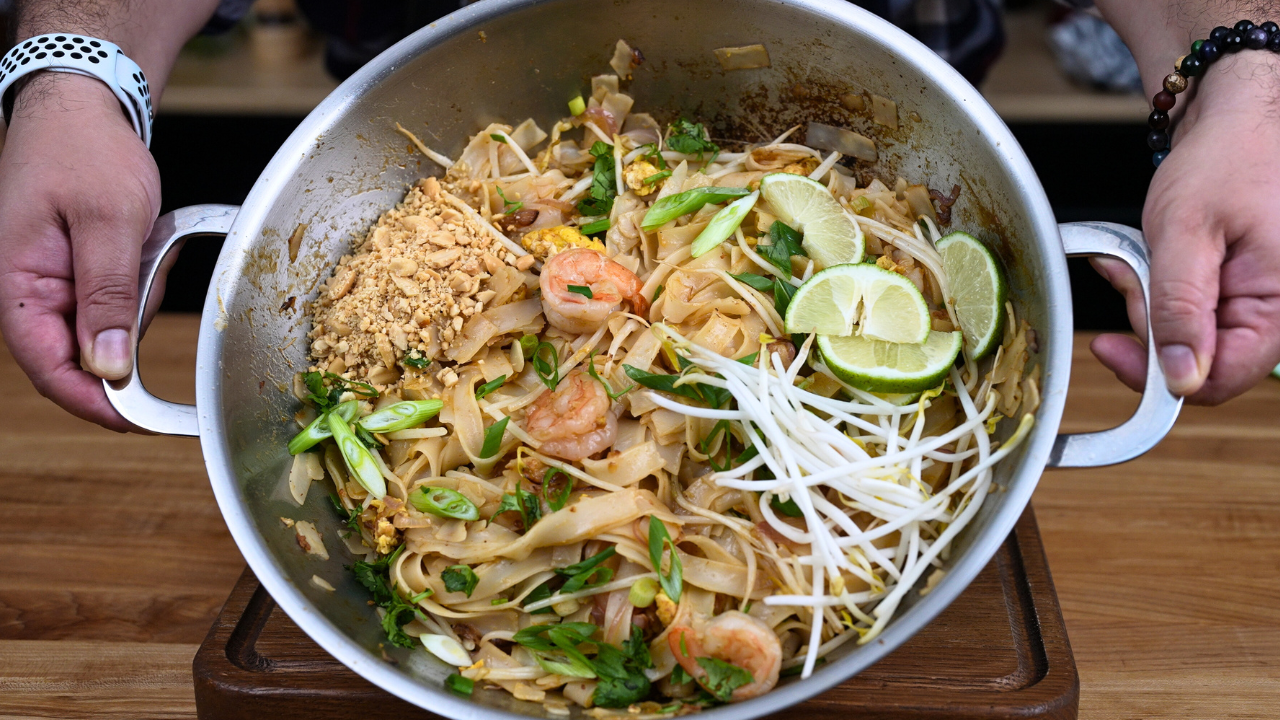
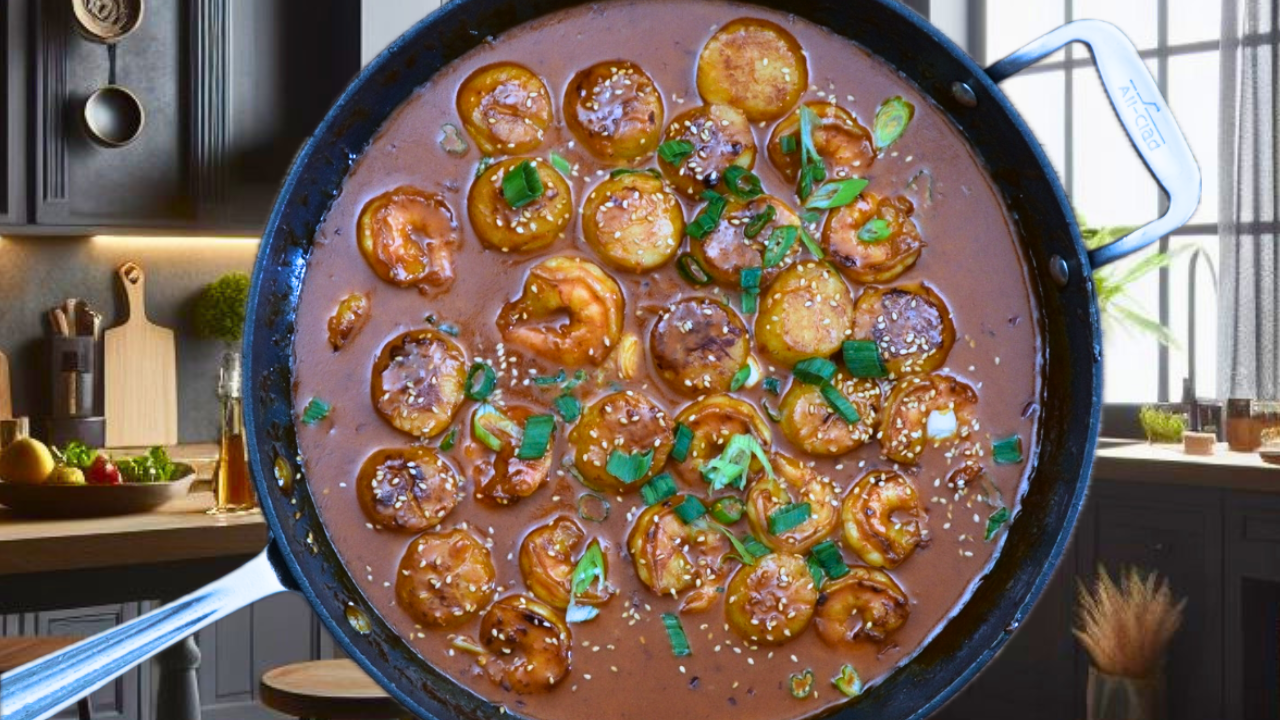
This Shrimp Pad Thai is light, flavorful, and comes together in no time. Perfect for a healthy weeknight dinner or when you want something a little more elegant, this recipe never disappoints. Fresh, simple, and absolutely delicious!
Did You Know?
Pro Tips
Storage & Meal Prep
Frequently Asked Questions
1. What noodles are used for authentic pad Thai?
Dried flat rice noodles (also called rice sticks) — specifically the ¼ inch wide variety. Soak them in room temperature water for 30 minutes before cooking, not boiling water.
2. Why should I soak rice noodles in room temperature water?
Hot water makes rice noodles mushy. Room temperature water softens them enough to become pliable while leaving them firm enough to finish cooking in the wok without falling apart.
3. What is in authentic pad Thai sauce?
Tamarind paste, fish sauce, palm sugar (or brown sugar), and rice vinegar. The balance of sweet, sour, salty, and umami is what makes pad Thai sauce distinctive.
4. Where can I buy tamarind paste?
Asian grocery stores carry it in blocks or as ready-to-use paste in jars. The block form needs to be soaked and strained but has better flavor. Jarred paste is more convenient.
5. What size shrimp works best for pad Thai?
Large (21-25 count) shrimp are ideal — big enough to be a satisfying protein but not so large that they overpower the noodles. Peel and devein before cooking.
6. Why is high heat so important for pad Thai?
Extreme heat creates wok hei (smoky wok flavor) and ensures the noodles get slightly charred rather than steamed. A well-seasoned wok or large skillet over maximum heat is essential.
7. What garnishes belong on pad Thai?
Crushed roasted peanuts, fresh bean sprouts, lime wedges, cilantro, sliced green onions, and a sprinkle of red pepper flakes are the traditional garnishes.
8. Can I substitute soy sauce for fish sauce?
Soy sauce works in a pinch but changes the flavor profile. Fish sauce provides a unique umami depth that soy sauce cannot replicate. Start with less soy as it is saltier.
9. How do I prevent the noodles from clumping?
Keep the heat high, do not overcrowd the wok, and toss constantly. Add the sauce gradually — too much liquid at once steams the noodles into a sticky mass.
10. Can I make pad Thai with chicken or tofu instead?
Absolutely. Slice chicken breast thin and stir-fry first, or press and cube extra-firm tofu and pan-fry until golden. Remove, cook the noodles, then add the protein back.
Watch How to Make This
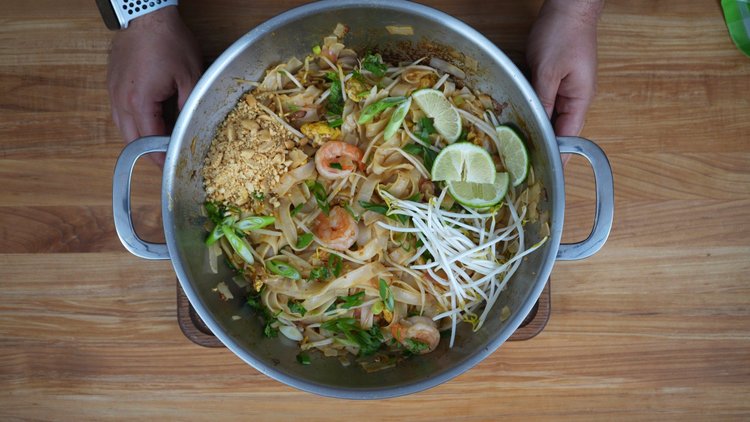
Shrimp Pad Thai
Ingredients
Method
- Prepare the Pad Thai Sauce:
- Begin by dissolving tamarind paste in hot water until smooth. Strain to remove any solids.
- In a bowl, mix together tamarind concentrate, fish sauce, palm sugar, soy sauce, and chili flakes until well combined.
Notes
Refrigerator: Store leftovers in an airtight container for up to 3-4 days.
Freezer: Freeze in a sealed container for up to 2-3 months. Thaw overnight in the fridge.
Reheat: Warm in a skillet over medium heat, in the microwave, or in a 350°F oven until heated through.
Nutrition Facts (Per Serving, Approximate)
Nutrition values are estimates and may vary based on ingredients and preparation.
Never Miss a Recipe!
Subscribe to get new recipes delivered straight to your inbox.