
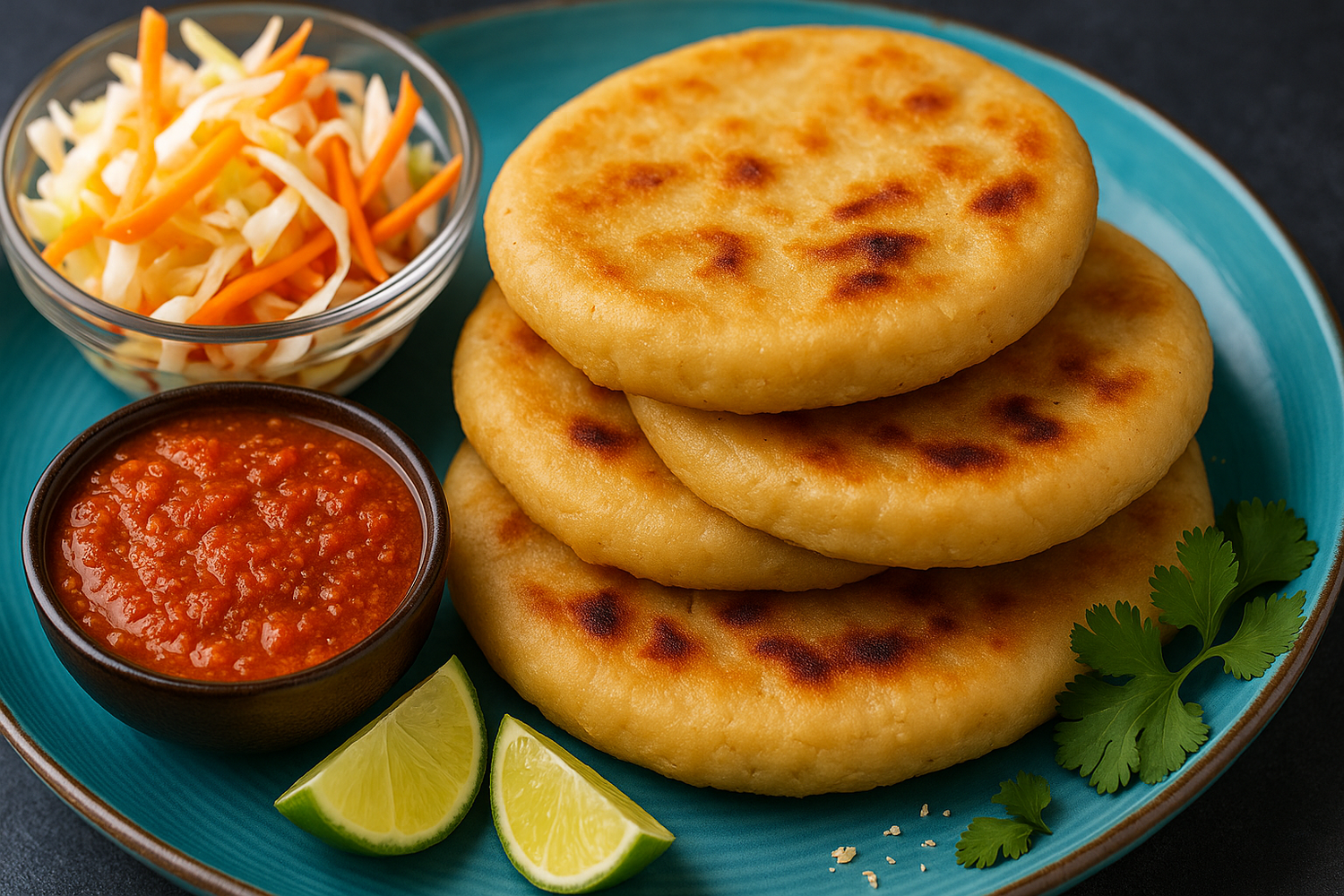
This Pupusas Recipe (Pork & Cheese) with Curtido & Salsa is one of those recipes you'll find yourself making over and over again. It's simple, delicious, and always gets rave reviews. Whether you're a beginner or a seasoned cook, you're going to love how easy and tasty this turns out!
About This Recipe
The masa harina you choose dramatically affects your pupusa's texture and flavor. Maseca brand isn't just marketing - it's specifically nixtamalized with cal (lime), creating a finer grind that holds together better when stuffed. Generic corn flour lacks this alkaline treatment, making dough that cracks when you press it. Here's what most home cooks miss: authentic pupuseras actually prefer slightly aged masa harina over fresh because the starches develop better binding properties. When shopping, look for the bag that feels firm, not soft - that indicates proper moisture content. The real game-changer? Add a tablespoon of the cheese brine to your masa. I learned this from a Salvadoran abuela in Washington Heights - the salt and acidity create stronger gluten-like bonds in the corn proteins, preventing blowouts when cooking. Your pupusas will puff beautifully instead of splitting open and losing that precious melted cheese filling onto your comal.
Ingredients for Pupusas Recipe (Pork & Cheese) with Curtido & Salsa
- 1 small white onion, sliced
- 2 medium carrots, grated
- 4 cups boiling water
- ½ cup distilled white vinegar
- 1 teaspoon dried Mexican oregano
- 1 ½ teaspoons salt
- ½ small head of green cabbage, thinly sliced
- 4 Roma tomatoes
- 2 cloves garlic
- ¼ small white onion
- 2 jalapeños (optional)
- ½ teaspoon dried oregano
- ½ teaspoon salt
- 3 cups instant corn masa flour (Maseca)
- 2 cups warm water (plus more as needed)
- ½ teaspoon salt
- 1 tablespoon vegetable oil
- 1 ½ pounds boneless pork shoulder, cubed
- 1 tablespoon achiote paste
- 2 Roma tomatoes, diced
- ½ medium onion, diced
- 2 cloves garlic, minced
- 1 teaspoon salt
- ½ teaspoon black pepper
- 2 cups water
- 2 cups shredded mozzarella or Oaxaca cheese
- Vegetable oil for cooking
How to Make Pupusas Recipe (Pork & Cheese) with Curtido & Salsa
- In a large bowl, combine cabbage, onion, and carrots. Pour the boiling water over the vegetables and toss. Let sit 10 minutes, then drain. Combine vinegar, oregano, and salt. Pour over the slaw and toss to coat. Chill at least 20 minutes, or overnight for best results.
- Add tomatoes, garlic, onion, jalapeños, oregano, and salt to a food processor. Process until smooth. Transfer to a skillet over medium heat and cook 5-6 minutes until some liquid reduces. Set aside.
- In a large bowl, combine masa flour, warm water, salt, and oil. Knead until smooth and pliable, about 2 minutes. The dough should feel like soft Play-Doh. Cover with a damp towel.
- In a pot, combine pork, achiote paste, tomatoes, onion, garlic, salt, pepper, and water. Bring to a boil, reduce heat, and simmer covered for 45 minutes until tender. Shred the pork and mix back into the reduced sauce.
- Take a golf ball-sized piece of dough and flatten it in your palm into a disc. Add a spoonful of pork and cheese in the center. Fold the edges up and over the filling, seal, and gently flatten into a thick disc about ¼ inch thick.
- Heat a lightly oiled griddle or skillet over medium heat. Cook pupusas 3-4 minutes per side until golden brown with light charring.
- Serve hot with curtido and salsa on the side.
What to Serve With Pupusas Recipe (Pork & Cheese) with Curtido & Salsa
These pupusas pair beautifully with a cold Salvadoran horchata or fresh tamarindo agua fresca. The creamy, sweet drinks help cool down your palate between bites of that rich pork and melted cheese, creating the perfect balance that makes you want to keep going back for more.
For something heartier, serve these alongside my Dominican-style black beans with a splash of lime. The earthy, smoky beans complement the pupusas' richness while adding protein and fiber to make this a complete, satisfying meal that'll keep everyone at the table happy.
Traditional Salvadoran coffee or a light Central American lager like Pilsener rounds out this feast perfectly. The coffee's slight bitterness cuts through the cheese beautifully, while the crisp beer cleanses your palate between the tangy curtido and savory pupusa filling.
Frequently Asked Questions
1. What is masa harina and where can I buy it?
Masa harina is corn flour made from dried corn kernels treated with lime (nixtamalization). Find it in the Latin foods aisle — Maseca is the most popular brand.
2. What is the difference between pupusas and tortillas?
Pupusas are thicker, stuffed with filling, and cooked on a griddle until crispy outside. Tortillas are thin, flat, and unfilled. Pupusas are from El Salvador, tortillas from Mexico.
3. What fillings are traditional for pupusas?
Revueltas (pork and cheese), frijoles con queso (beans and cheese), and plain queso are the three classic fillings. Loroco (a Central American flower bud) with cheese is also traditional.
4. How do I make curtido (Salvadoran cabbage slaw)?
Mix shredded cabbage, carrots, and onions with white vinegar, oregano, and salt. Let it ferment at room temperature for a few hours or overnight for the tangiest flavor.
5. Why are my pupusas cracking when I fill them?
The dough may be too dry. Add water a tablespoon at a time until the dough is smooth and pliable like Play-Doh. It should not crack when you press it flat.
6. How thick should pupusas be?
About ¼ to ⅓ inch thick. Too thin and they will tear when filled. Too thick and the inside will not cook through. Think slightly thicker than a tortilla.
7. What temperature should I cook pupusas at?
Medium heat on a lightly oiled griddle or comal. Cook 3-4 minutes per side until golden brown spots appear and the cheese is melted inside.
8. Can I make pupusa dough ahead of time?
Yes, wrap the dough in plastic and refrigerate for up to 24 hours. Bring to room temperature before shaping, and add a splash of water if it has dried out.
9. What is the red sauce served with pupusas?
Salsa roja — a simple Salvadoran tomato sauce made by blending roasted tomatoes, garlic, and chili peppers. It is thinner than Mexican salsa and mildly spicy.
10. Can I freeze uncooked pupusas?
Yes, place assembled pupusas on a parchment-lined baking sheet, freeze until firm, then transfer to a freezer bag. Cook from frozen with an extra minute per side.
Pupusas Recipe (Pork & Cheese) with Curtido & Salsa Video
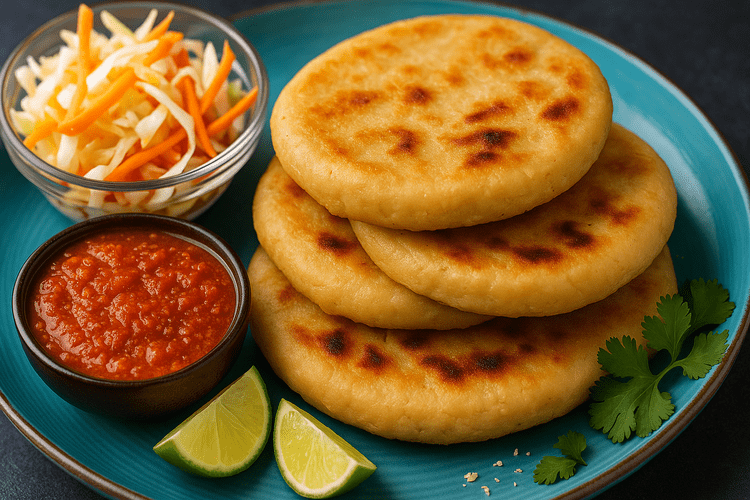
Pupusas Recipe (Pork & Cheese) with Curtido & Salsa
Ingredients
Method
- In a large bowl, combine cabbage, onion, and carrots. Pour the boiling water over the vegetables and toss. Let sit 10 minutes, then drain. Combine vinegar, oregano, and salt. Pour over the slaw and toss to coat. Chill at least 20 minutes, or overnight for best results.
- Add tomatoes, garlic, onion, jalapeños, oregano, and salt to a food processor. Process until smooth. Transfer to a skillet over medium heat and cook 5-6 minutes until some liquid reduces. Set aside.
- In a large bowl, combine masa flour, warm water, salt, and oil. Knead until smooth and pliable, about 2 minutes. The dough should feel like soft Play-Doh. Cover with a damp towel.
- In a pot, combine pork, achiote paste, tomatoes, onion, garlic, salt, pepper, and water. Bring to a boil, reduce heat, and simmer covered for 45 minutes until tender. Shred the pork and mix back into the reduced sauce.
- Take a golf ball-sized piece of dough and flatten it in your palm into a disc. Add a spoonful of pork and cheese in the center. Fold the edges up and over the filling, seal, and gently flatten into a thick disc about ¼ inch thick.
- Heat a lightly oiled griddle or skillet over medium heat. Cook pupusas 3-4 minutes per side until golden brown with light charring.
- Serve hot with curtido and salsa on the side.
Nutrition
Notes
Buy your curtido cabbage from Asian markets where it's stored refrigerated, not room temperature like most supermarkets, because cold storage keeps the cell walls firm for that essential crunchy bite that contrasts the soft pupusa. Rest your filled pupusas seam-side down for 5 minutes before cooking because this allows the masa to naturally seal and prevents the pork fat from leaking out when it renders on the hot comal. Press pupusas with your palms, not fingertips, keeping steady pressure from center outward because uneven pressing creates thin spots where filling bursts through, and thick edges that stay raw inside. Toast whole cumin seeds for 30 seconds before grinding for your salsa because pre-ground cumin loses its volatile oils, but fresh-toasted releases earthy aromatics that complement the pork's richness perfectly.

Leave a Reply