
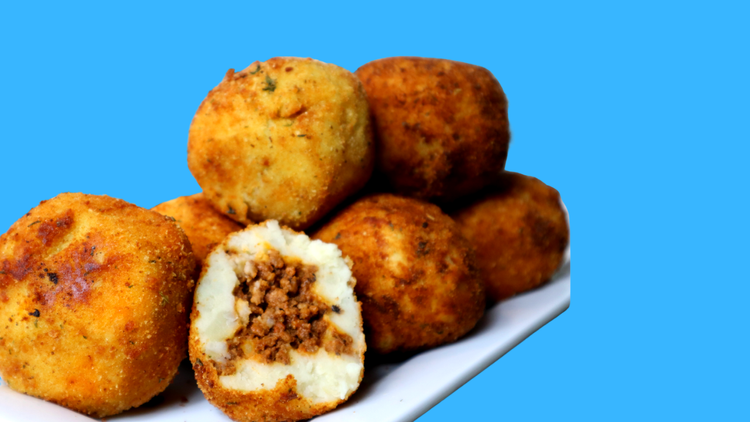
This Rellenos de Papa Puerto Rican Style is one of those recipes you'll find yourself making over and over again. It's simple, delicious, and always gets rave reviews. Whether you're a beginner or a seasoned cook, you're going to love how easy and tasty this turns out!

About This Recipe
Here's what most people don't realize about rellenos de papa: the magic happens when starch molecules in your potato coating gelatinize at exactly 140-160°F, creating an invisible protein network that locks onto your filling. This is why abuela always said to work the mashed potatoes while they're still warm but not hot - you're literally activating those starch chains to form stronger bonds. In the Caribbean humidity where this dish originated, this technique becomes even more critical because moisture in the air can prevent proper adhesion. The surprising part? Adding that tiny bit of sofrito to your potato mixture isn't just for flavor - the acidity actually helps tighten those starch bonds, creating a shell that won't crack during frying. This is pure Dominican kitchen chemistry passed down through generations, and it's why your rellenos hold together perfectly when done right.
Ingredients for Rellenos de Papa Puerto Rican
- 2 Lbs of Potatoes.
- 1 Lb of Picadillo or Cooked ground beef
- 1 Tbs of corn starch
- 1 teaspoon of salt
- 3 eggs
- Italian style bread crumbs
- Frying oil
Substitutions & Variations
- Picadillo: Substitute with shredded chicken seasoned with sofrito, or use longaniza dominicana crumbled and cooked. This creates a more traditional Dominican flavor profile with the smoky, garlicky notes of our beloved sausage.
- Regular potatoes: Use ñame (yautía) or yuca boiled and mashed instead for a more Caribbean twist. These root vegetables add a slightly nuttier flavor and denser texture that's common in island cooking.
- Italian breadcrumbs: Replace with finely crushed plantain chips or cassava crackers (casabe). This gives the coating a distinctly Caribbean crunch and subtle sweetness that pairs beautifully with the savory filling.
- Ground beef picadillo: Mix in diced queso de freír or queso blanco into your filling for extra richness. The cheese melts slightly during frying, creating pockets of creamy texture that complement the meat perfectly.
- Plain corn starch: Use flour seasoned with a pinch of sazón or achiote powder for binding. This adds a subtle orange color and earthy flavor that's signature to Dominican and Puerto Rican cooking.
- Deep frying: Try baking at 400°F after brushing with oil for a lighter version. You'll lose some of that crispy exterior, but the rellenos will still be golden and much less heavy.
How to Make Rellenos de Papa Puerto Rican
- Boil potatoes with 1 TSB of salt, until soft and tender
- Once the potatoes are done, make mash potatoes
- let the potatoes cool off for 25 minutes in the fridge
- Once the potatoes are cool to the touch, add 1 Tsb of starch and 1 raw egg
- mix it well and form the potato into round spheres one at a time in your hands
- After shaped into a ball, make a dent and stuff with ground beef "picadillo"
- Have your egg wash ready with 2 eggs and your bread crumbs in a mixing bowl
- coat each potato ball with your egg wash, then move each one at a time into your bread crumbs
- Fry them on medium-high heat until golden brown.
- Enjoy your Rellenos de Papa Puerto Rican Style
- A serving of potato salad with mayonnaise, chopped potatoes, and small pieces of red onion in a white, square bowl on a black surface.
- Pasta Salad
- Pernil Roasted Pork Shoulder
What to Serve With Rellenos de Papa Puerto Rican
These crispy potato rellenos shine alongside a fresh watercress and avocado salad dressed with lime and olive oil. The peppery greens and creamy avocado create the perfect cooling contrast to the rich, golden exterior and savory filling of these beloved fritters.
For an authentic Dominican feast, pair these with my Pollo Guisado - the tender, softer stewed chicken balances beautifully against the crispy exterior of the rellenos. This combination is pure comfort food that reminds me of Sunday dinners at my abuela's table in the DR.
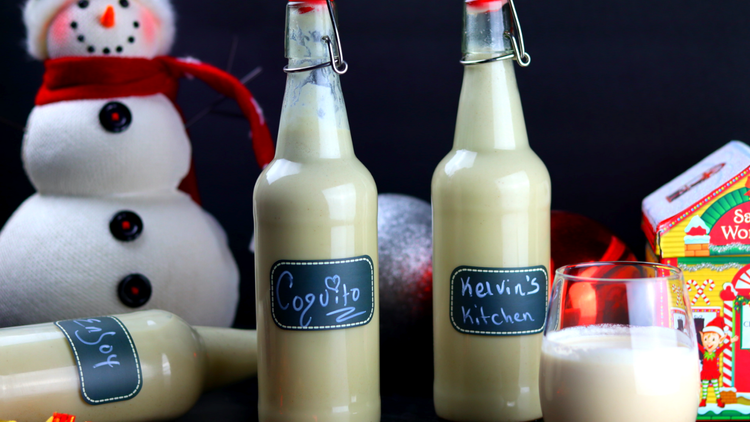
A cold glass of morir soñando completes this meal perfectly, especially during hot Caribbean afternoons. The creamy, citrusy sweetness of this traditional Dominican drink cuts through the richness of the fried potatoes while honoring the island flavors that make this dish so special.
Frequently Asked Questions
1. What are rellenos de papa?
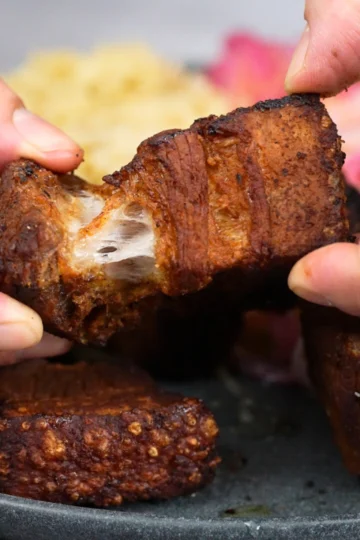
Rellenos de papa are Puerto Rican stuffed potato balls — mashed seasoned potato formed around a savory ground beef filling, breaded, and deep-fried until golden and crispy.
2. What type of potatoes work best?
Russet potatoes are ideal because they mash smoothly and form a cohesive dough that holds its shape during frying. Yukon Golds are too waxy and can crack.
3. What is the traditional meat filling?
Ground beef seasoned with sofrito, sazon, tomato sauce, olives, and capers (picadillo). The filling should be well-seasoned and cooled completely before stuffing into the potato.
4. How do I shape rellenos de papa without them falling apart?
The mashed potato must be thick and dry — no milk or cream. Flatten a portion in your palm, add a spoonful of filling, then carefully shape into a ball, sealing any cracks.
5. Why is my potato dough too sticky?
Too much moisture in the mashed potato. Cook the potatoes longer to evaporate water, or spread the mash on a sheet pan and bake at 300 degrees for 10 minutes to dry it out.
6. What is the breading process?
Dip each formed potato ball in beaten egg, then roll in fine breadcrumbs or flour. Some recipes double-bread for a thicker, crunchier shell.
7. What oil temperature for frying?
350-365 degrees for 3-4 minutes until deep golden brown. The potato and filling are already cooked, so you are just crisping the exterior and heating through.
8. Can I bake rellenos de papa instead of frying?
Brush with oil and bake at 400 degrees for 20-25 minutes, turning once. They will not be as crispy as fried but are a lighter alternative.
9. What dipping sauce goes with rellenos de papa?
Mayoketchup (mayo mixed with ketchup and garlic) is the classic Puerto Rican dipping sauce. Hot sauce or a garlic mojo sauce are also popular choices.
10. Can I freeze rellenos de papa?
Freeze breaded, uncooked balls on a tray then transfer to bags. Fry from frozen adding 2 extra minutes. They keep for up to 3 months and make excellent party appetizers.
Rellenos de Papa Puerto Rican Video
Ingredients
Method
- Boil potatoes with 1 TSB of salt, until soft and tender
- Once the potatoes are done, make mash potatoes
- let the potatoes cool off for 25 minutes in the fridge
- Once the potatoes are cool to the touch, add 1 Tsb of starch and 1 raw egg
- mix it well and form the potato into round spheres one at a time in your hands
- After shaped into a ball, make a dent and stuff with ground beef "picadillo"
- Have your egg wash ready with 2 eggs and your bread crumbs in a mixing bowl
- coat each potato ball with your egg wash, then move each one at a time into your bread crumbs
- Fry them on medium-high heat until golden brown.
- Enjoy your Rellenos de Papa Puerto Rican Style
Nutrition
Notes
Use Yukon Gold or red potatoes instead of russets because their lower starch content prevents the coating from becoming gluey, and their natural moisture helps the filling adhere without adding extra liquid that could make them fall apart. Never skip mashing a small piece of ají dulce directly into your potato mixture - the capsaicin compounds create micro-bonds with the starch that actually strengthen the shell while adding that authentic Dominican flavor profile you can't get from powder. After years of making these, I've learned to test the oil temperature with a small ball of the potato mixture first - if it bubbles gently and holds its shape, you're at the perfect 325°F that cooks through without bursting. Roll your formed rellenos in fine breadcrumbs mixed with a pinch of sazón, then let them rest for 10 minutes before frying - this creates a double barrier that prevents oil penetration and gives you that golden crispy exterior every time.
Tried this recipe?
Let us know how it was!Filed Under

Leave a Reply