We’ve all been tempted to skip it. You turn on the oven, toss in your food, and figure it’ll “just heat up together.”
But here’s the truth: not preheating your oven can ruin your food.
Let’s break down what really happens — and why preheating makes all the difference in both baking and savory cooking.
🔥 What Preheating Really Does
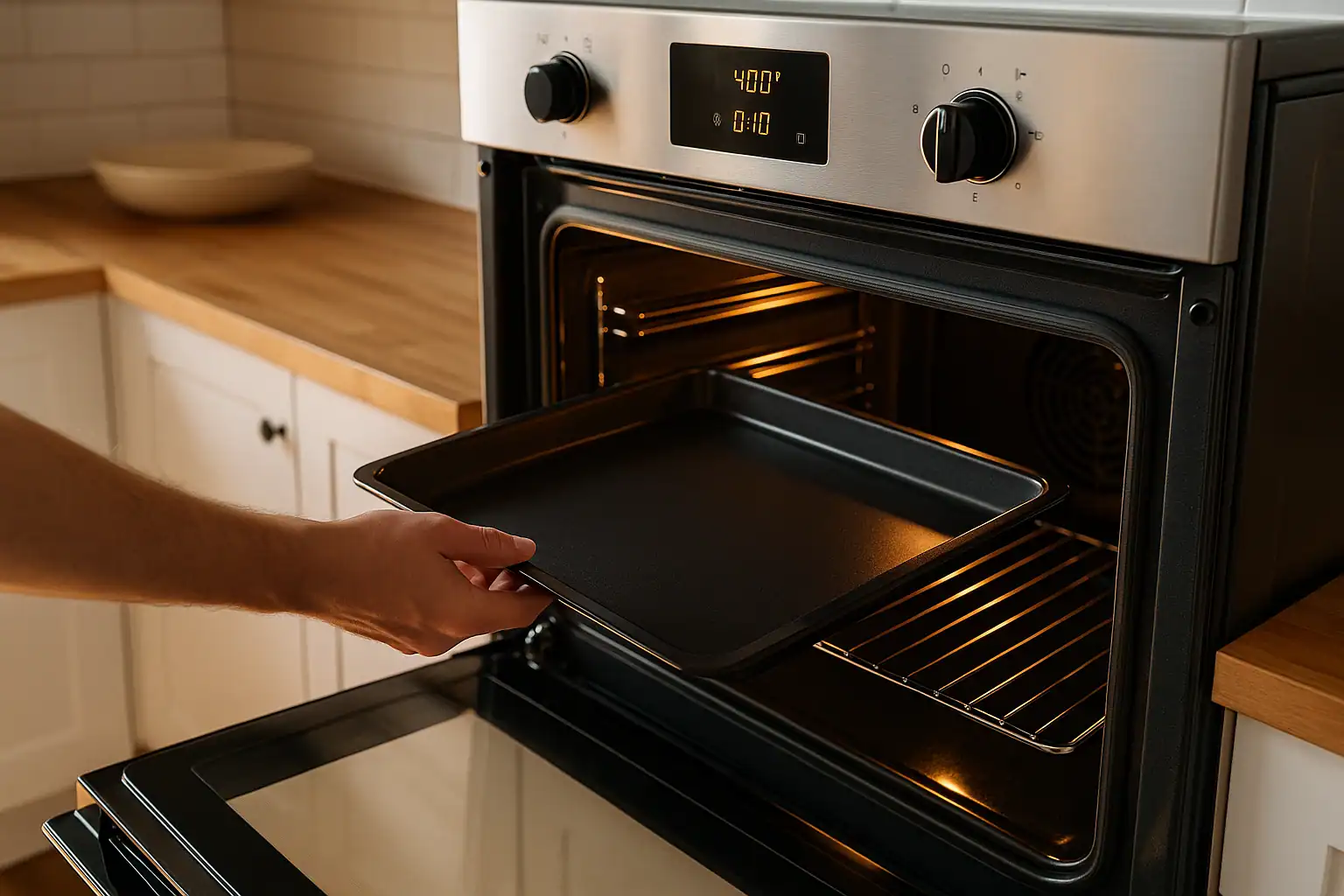
When a recipe says “Bake at 400°F,” it assumes the oven is already at 400°F before the food goes in.
Preheating ensures:
Consistent cooking time
Proper texture and browning
Safe internal temps (especially for meat)
Rise in baked goods (baking soda/powder activate early)
Without preheating? Things get unpredictable — and often disappointing.
🍪 Why It Matters in Baking
Timing is everything in baking.
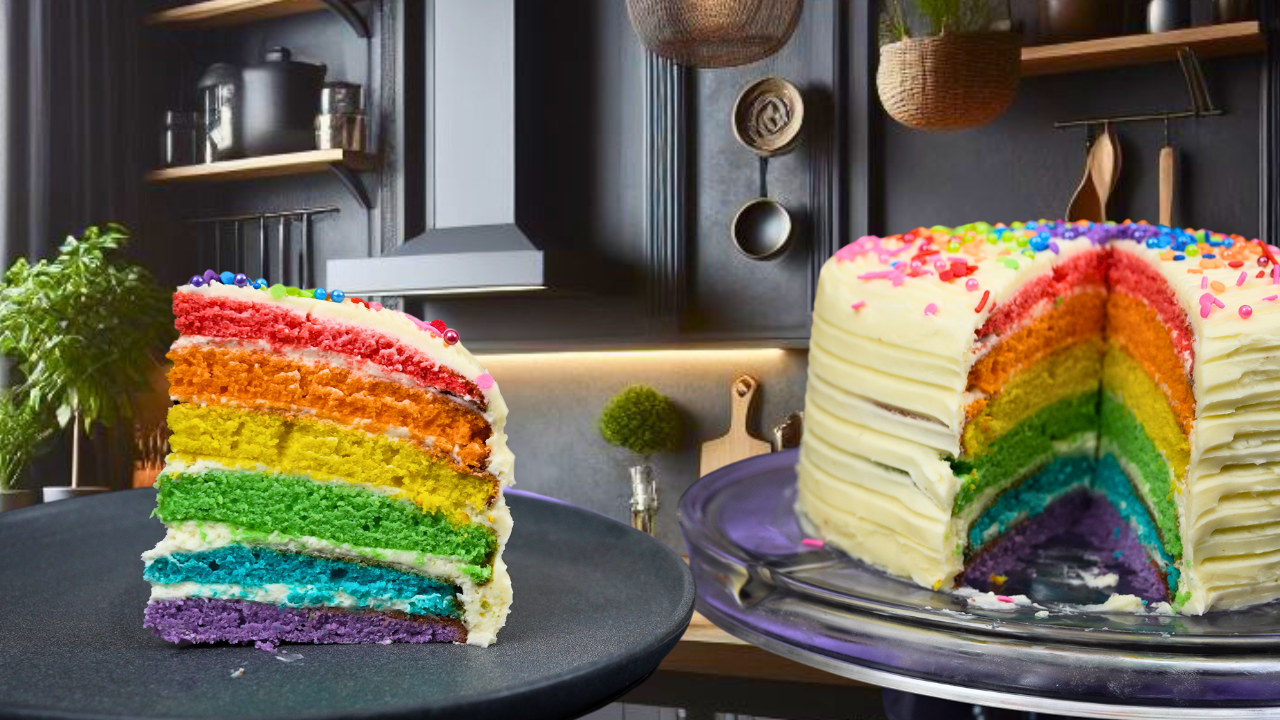
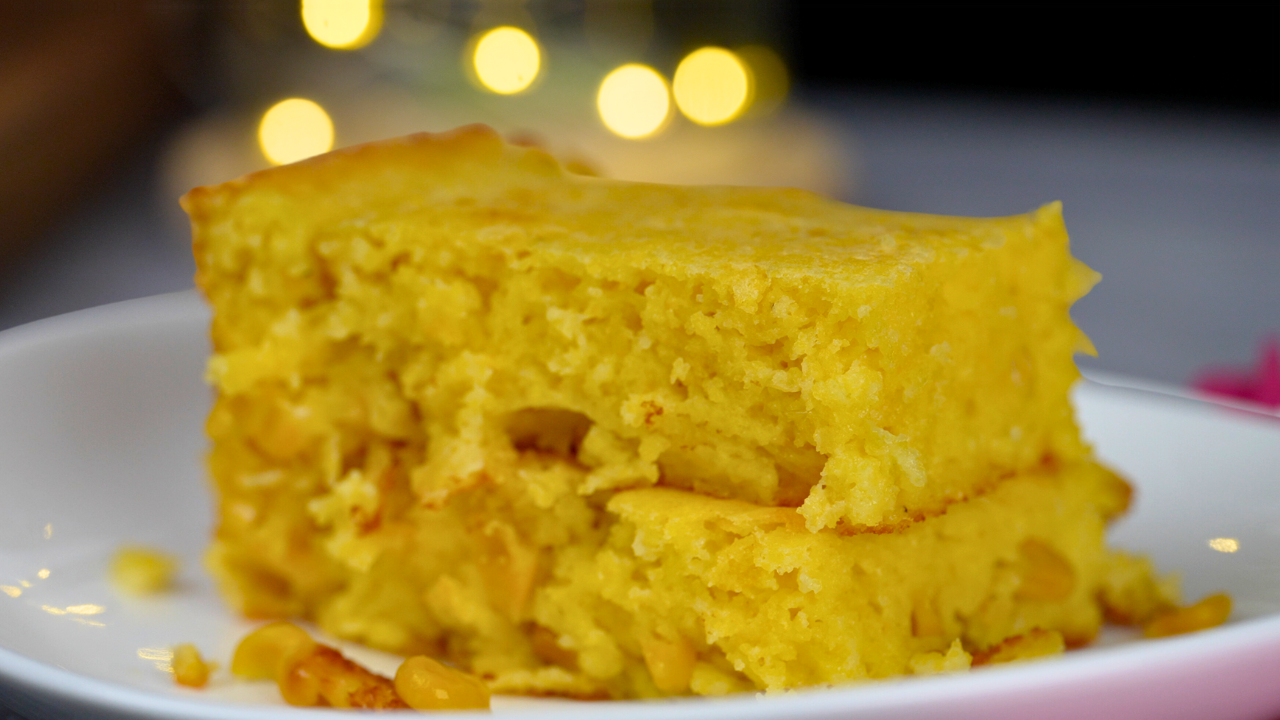
Muffins won’t rise properly if the oven is cold
Cookies can spread too far before setting
Cakes might dome unevenly or stay dense
Most baked goods depend on the chemical reaction that happens in the first few minutes of heat. No preheat = no reaction.
🍗 Why It Matters for Roasting or Meat
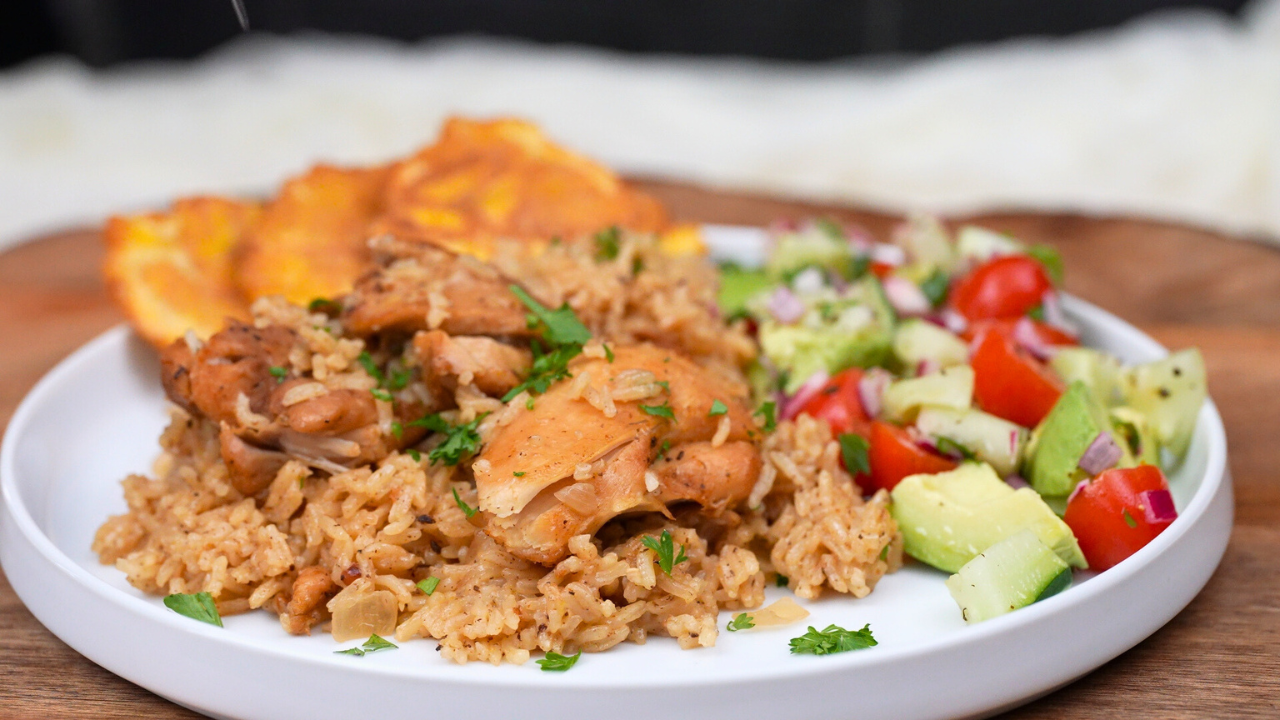
If you're roasting chicken or cooking a casserole:
You want that initial blast of heat to start browning and crisping
Cold ovens = soggy veggies, rubbery skin, longer cooking time
This can also lead to dry meat, because you end up cooking it longer trying to get it done.
💡 But Are There Times You Don’t Need to Preheat?
Yes, sometimes:
Slow roasting large cuts of meat (brisket, pork shoulder) — starting in a cold oven can help cook more evenly
Certain breads (like focaccia) — may benefit from slow initial rise
Reheating leftovers — especially in covered dishes
But unless the recipe says otherwise, always preheat.
⏱️ How Long Does It Take?
Most ovens take 10–15 minutes to fully preheat.
Don’t trust the “beep” — some beep at 300°F. Use an oven thermometer if you want accuracy (and your cookies to stop lying to you).
👨🍳 Final Thoughts
Preheating is like warming up before a workout. It might feel like a delay, but it sets you up for success.
So yes, preheat the oven — and your food will thank you.
👇 Recipes That Rely on Preheating:
Perfect Baked Mac and Cheese
Crispy Roasted Chicken Thighs
Vanilla Cupcakes
🔍 FAQ
What if I forget to preheat?
If it's early in the bake (within 5 minutes), you can pull the dish and wait. If not, just keep going and check doneness a bit later.
Can I use convection settings without preheating?
Same rules apply — preheat even for convection ovens.
Is it safe to preheat with a baking dish inside?
Only if the dish is oven-safe and designed for thermal shock (like metal or tempered glass).
📌 Preheating is the first ingredient in almost every recipe. Don’t skip it.