
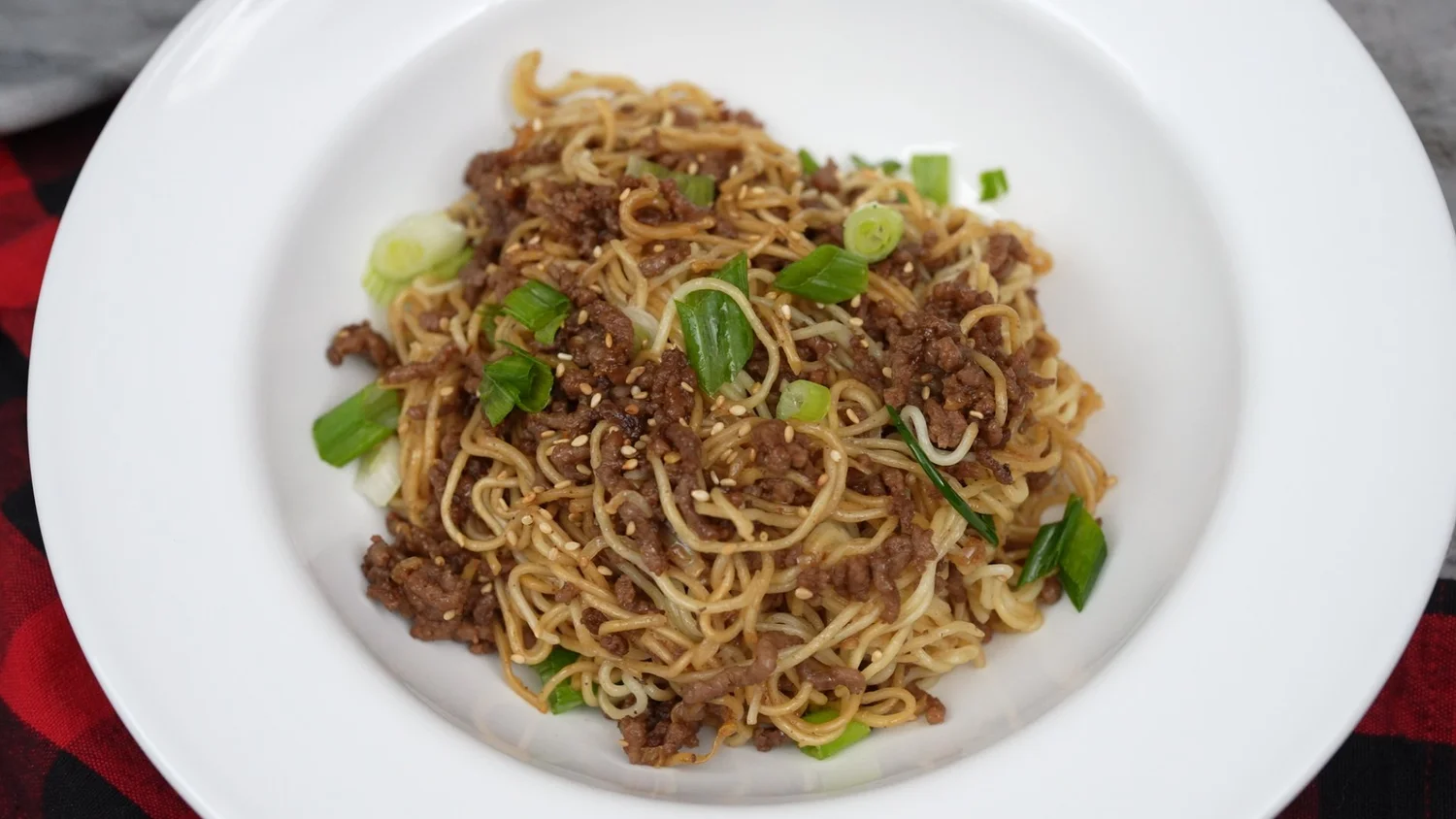
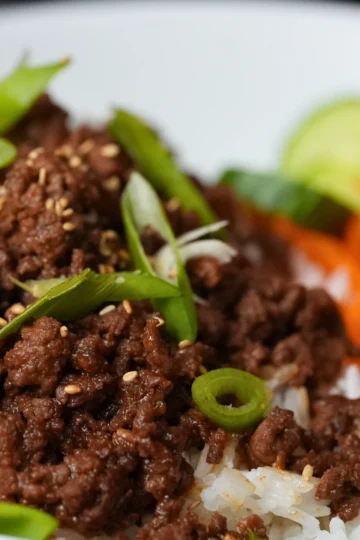
This Mongolian Ground Beef Noodles | Easy 20-Minute Dinner Recipe is creamy, comforting, and absolutely delicious. It's one of those recipes that feels indulgent but is surprisingly easy to pull together on a weeknight. Your family is going to love this one!
About This Recipe
Here's a chef secret that transforms this dish: the key to authentic Mongolian beef noodles isn't in the sauce—it's in creating what we call 'wok hei' with ground beef. Most home cooks stir constantly when browning ground meat, but you need to let it sit undisturbed for 2-3 minutes to develop those crispy, caramelized bits called 'fond.' This technique, borrowed from professional kitchens, creates layers of umami that mimic the intense heat and smokiness of a restaurant wok. When you finally break up the beef, those golden-brown clusters become flavor bombs that coat each noodle. The contrast between the tender beef and these crispy edges is what separates restaurant-quality Mongolian noodles from the mushy, one-note versions most people make at home. Trust the process—resist the urge to move that meat around, and you'll taste the difference immediately.
Ingredients for Mongolian Ground Beef Noodles | Easy 20-Minute Dinner
- 1 lb ground beef
- 8 oz noodles — lo mein, ramen, or spaghetti
- 1 tablespoon sesame oil — or any neutral oil
- 4 garlic cloves — minced
- 1 inch fresh ginger — grated
- ½ cup low-sodium soy sauce
- ¼ cup brown sugar
- 1 tablespoon hoisin sauce — optional but recommended
- 1 teaspoon cornstarch + 1 tablespoon water — for slurry
- ½ teaspoon crushed red pepper flakes — adjust to taste
- 3 green onions — sliced
- Toasted sesame seeds — optional, for garnish
How to Make Mongolian Ground Beef Noodles | Easy 20-Minute Dinner
- Cook the noodles according to package directions. Drain and set aside.
- In a large skillet or wok, heat oil over medium-high heat. Add ground beef and cook until browned, about 5–6 minutes.
- Add garlic and ginger. Cook for 30 seconds until fragrant.
- In a bowl, whisk together soy sauce, brown sugar, hoisin sauce, and red pepper flakes. Pour into the skillet.
- Add the cornstarch slurry and simmer for 2–3 minutes until the sauce thickens.
- Toss in the cooked noodles and stir well to coat.
- Turn off the heat, garnish with green onions and sesame seeds, and serve hot.
What to Serve With Mongolian Ground Beef Noodles | Easy 20-Minute Dinner
The bold, savory flavors of this Mongolian beef pair beautifully with my crispy coconut rice - the tropical sweetness cuts through the rich soy-based sauce while adding textural contrast. It's an unexpected fusion that really works, bringing a Caribbean twist to this Asian-inspired dish.
Balance out all that hearty beef with some fresh, crunchy vegetables on the side. Quick-pickled cucumber salad or blanched bok choy dressed with sesame oil provide that clean, crisp bite your palate needs between forkfuls of those saucy noodles.
For drinks, reach for something that can stand up to those intense umami flavors - a cold beer or even iced green tea works perfectly. The bitterness helps cleanse your palate, while the carbonation or astringency cuts through the richness of the beef and noodles.
Frequently Asked Questions
1. What makes this Mongolian-style beef?
The sweet-savory sauce of soy sauce, brown sugar, garlic, ginger, and a touch of hoisin creates the signature Mongolian beef flavor profile — sweet, salty, and deeply savory.
2. Why use ground beef instead of sliced flank steak?
Ground beef cooks in half the time and absorbs the Mongolian sauce more thoroughly. It is more budget-friendly and does not need marinating or slicing.
3. What noodles work best for this recipe?
Lo mein egg noodles, udon, or ramen noodles all work great. For a quick substitute, spaghetti or linguine tossed with sesame oil mimics the texture.
4. How do I make the Mongolian sauce thicker?
Mix 1 tablespoon cornstarch with 2 tablespoons cold water and stir it into the sauce. It will thicken within 1-2 minutes of simmering.
5. Can I make this less sweet?
Reduce the brown sugar by half and increase the soy sauce slightly. The sweetness is traditional but adjustable to your preference.
6. What vegetables can I add to Mongolian beef noodles?
Green onions are traditional. Broccoli, snap peas, bell peppers, and shredded carrots all make excellent additions — add them with 3 minutes left.
7. Is this recipe spicy?
The base recipe is not spicy. Add red pepper flakes, sriracha, or sambal oelek to the sauce if you want heat. Start with ½ teaspoon and adjust up.
8. Can I use ground turkey or chicken instead?
Yes, ground turkey or chicken both work. They have less fat than beef so the dish will be lighter. Add a tablespoon of sesame oil for extra richness.
9. How fast does this recipe come together?
About 20 minutes from start to finish — 5 minutes to brown the beef, 5 minutes for the sauce, and 10 minutes for the noodles. It is a true weeknight dinner.
10. How do I reheat Mongolian beef noodles?
Reheat in a hot skillet or wok with a splash of soy sauce and water. The noodles absorb sauce as they sit, so extra liquid prevents them from drying out.
Mongolian Ground Beef Noodles | Easy 20-Minute Dinner Video
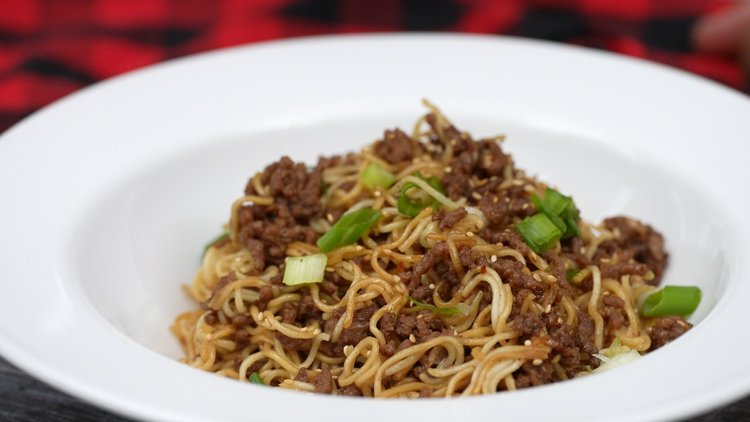
Mongolian Ground Beef Noodles | Easy 20-Minute Dinner Recipe
Ingredients
Method
- Cook the noodles according to package directions. Drain and set aside.
- In a large skillet or wok, heat oil over medium-high heat. Add ground beef and cook until browned, about 5–6 minutes.
- Add garlic and ginger. Cook for 30 seconds until fragrant.
- In a bowl, whisk together soy sauce, brown sugar, hoisin sauce, and red pepper flakes. Pour into the skillet.
- Add the cornstarch slurry and simmer for 2–3 minutes until the sauce thickens.
- Toss in the cooked noodles and stir well to coat.
- Turn off the heat, garnish with green onions and sesame seeds, and serve hot.
Nutrition
Notes
Use 80/20 ground beef instead of lean varieties because the fat renders out to create a rich base for your sauce while keeping the meat incredibly tender and flavorful throughout the quick cooking process. Cook your noodles 1 minute less than package directions, then finish them directly in the beef mixture—they'll absorb the sauce while reaching perfect texture, preventing the mushy disaster of overcooked pasta. Add your garlic and ginger only after the beef has fully browned and you've pushed it to one side of the pan, because direct contact with hot oil for just 30 seconds releases maximum flavor without burning. Double your scallions and add half during cooking for sweetness, half raw at the end for sharp bite—this two-stage technique gives you complex onion flavors that make the dish taste like it simmered for hours.

Leave a Reply