
This Lemon Garlic Shrimp and Grits is light, flavorful, and comes together in no time. Perfect for a healthy weeknight dinner or when you want something a little more elegant, this recipe never disappoints. Fresh, simple, and absolutely delicious!

About This Recipe
Here's something most people don't realize about shrimp and grits: the dish changes completely depending on which part of the South you're in. In South Carolina's Lowcountry, families use stone-ground white corn grits and add country ham or bacon fat for depth. But head to Georgia, and you'll find creamier yellow grits with heavy cream folded in. The Mississippi Delta version often includes andouille sausage alongside the shrimp. What really surprised me when I started perfecting this dish is that traditional coastal families never add cheese to their grits – that's actually a modern restaurant invention. The old-school way relies on proper technique: slowly cooking the grits with milk or cream, then mounting with cold butter at the end for silky richness. This matters because when you understand that grits are meant to be a creamy, luxurious base – not a thick porridge – you cook them completely differently. You're looking for a consistency that flows like loose polenta, creating the perfect canvas for those bright, garlicky shrimp to shine.
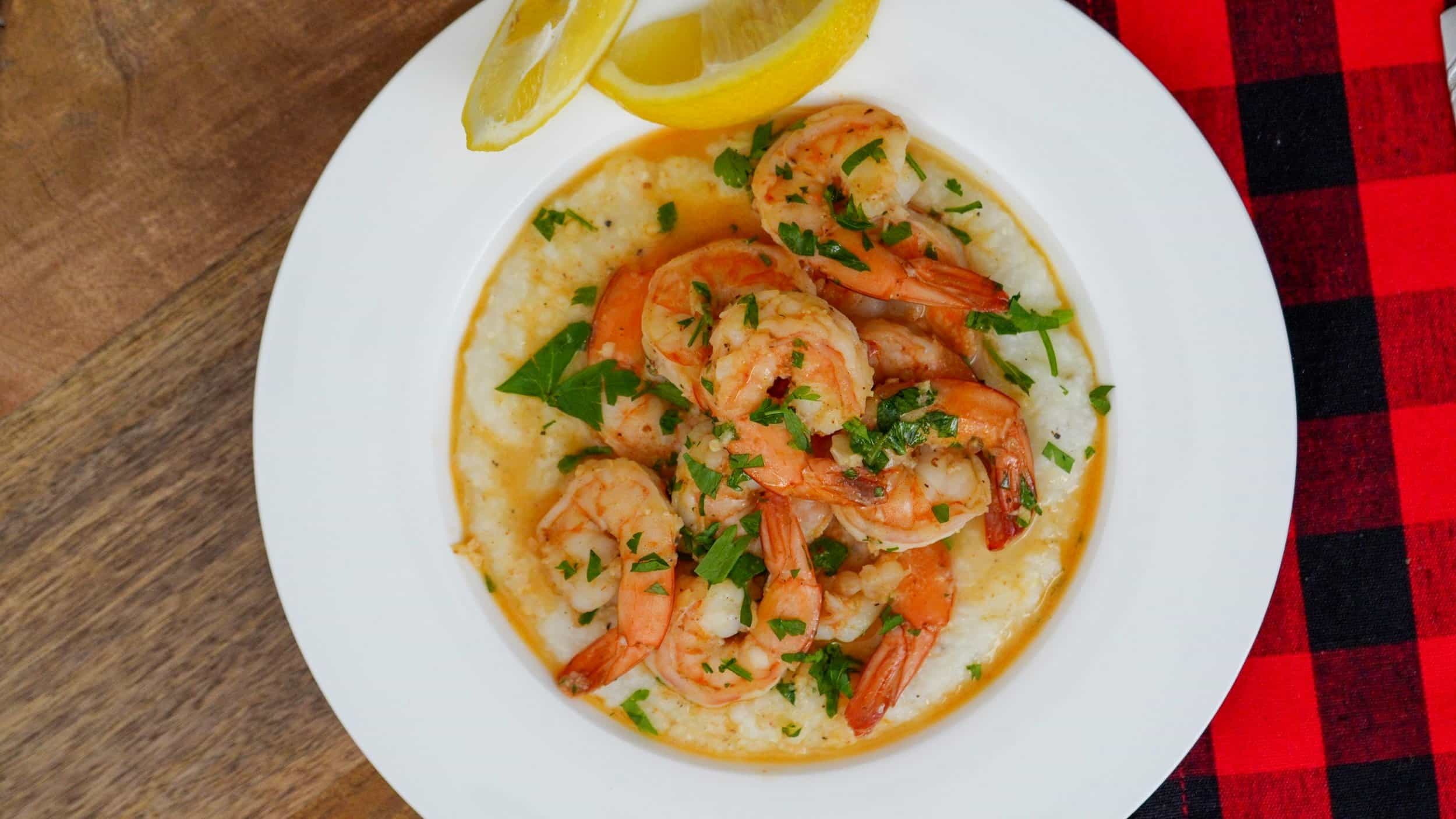
Ingredients for Lemon Garlic Shrimp and Grits
- ¾ cup instant grits
- Kosher salt and freshly ground black pepper
- ¼ cup grated Parmesan cheese
- 3 tablespoons unsalted butter
- 1 ¼ pounds medium shrimp — peeled and deveined, tails intact
- 3 large cloves of garlic — minced
- Pinch cayenne pepper — optional
- Juice of ½ lemon — plus wedges for serving
- 2 tablespoons roughly chopped fresh parsley
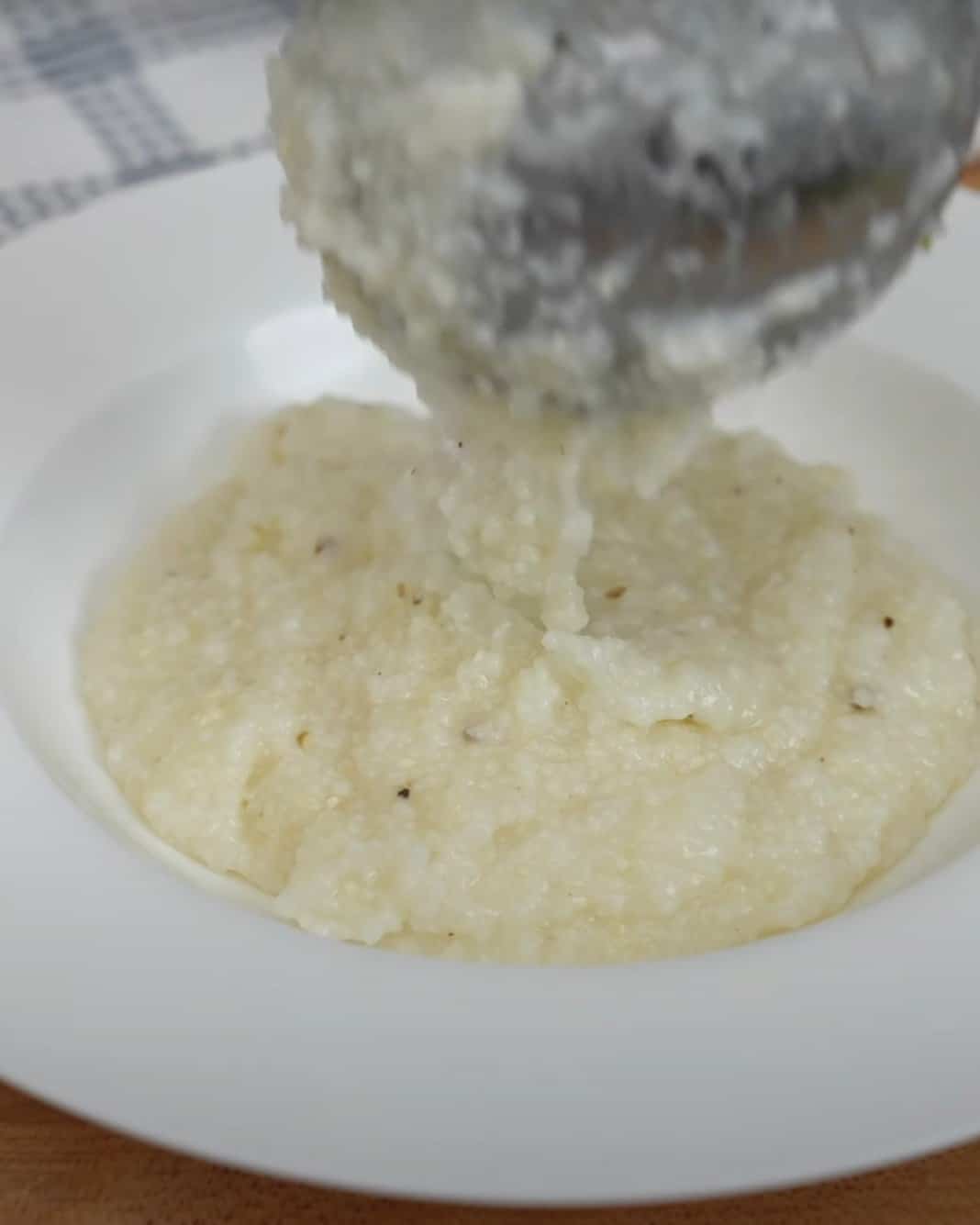
Substitutions & Variations
- Instant grits: stone-ground grits or Caribbean cornmeal porridge - This creates a creamier, more authentic texture with deeper corn flavor that takes 20-25 minutes to cook.
- Parmesan cheese: aged white cheddar or Dominican queso blanco - The cheddar adds sharpness while queso blanco provides a milder, traditional Caribbean dairy flavor.
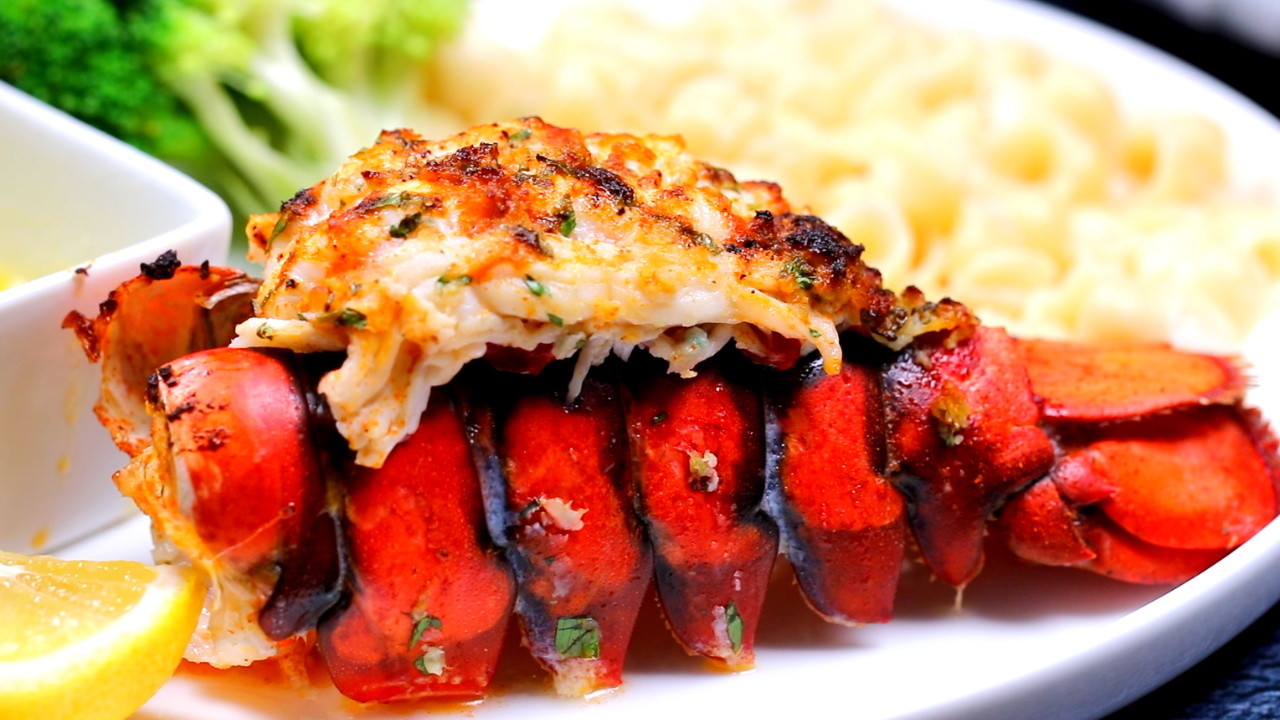
- Medium shrimp: lobster tail chunks or conch meat - Lobster elevates the dish to fine dining status, while conch adds authentic Caribbean flair with a slightly chewier texture.
- Cayenne pepper: scotch bonnet or habanero paste (use sparingly) - These Caribbean peppers bring fruity heat that complements seafood better than standard cayenne.
- Fresh parsley: cilantro or culantro leaves - Cilantro adds brightness familiar in Caribbean cooking, while culantro provides a more intense, traditional Dominican herb flavor.
- Lemon juice: fresh lime juice or sour orange (naranja agria) - Lime is more common in Caribbean cuisine and provides sharper acidity, while sour orange adds complex citrus notes traditional to the region.
How to Make Lemon Garlic Shrimp and Grits
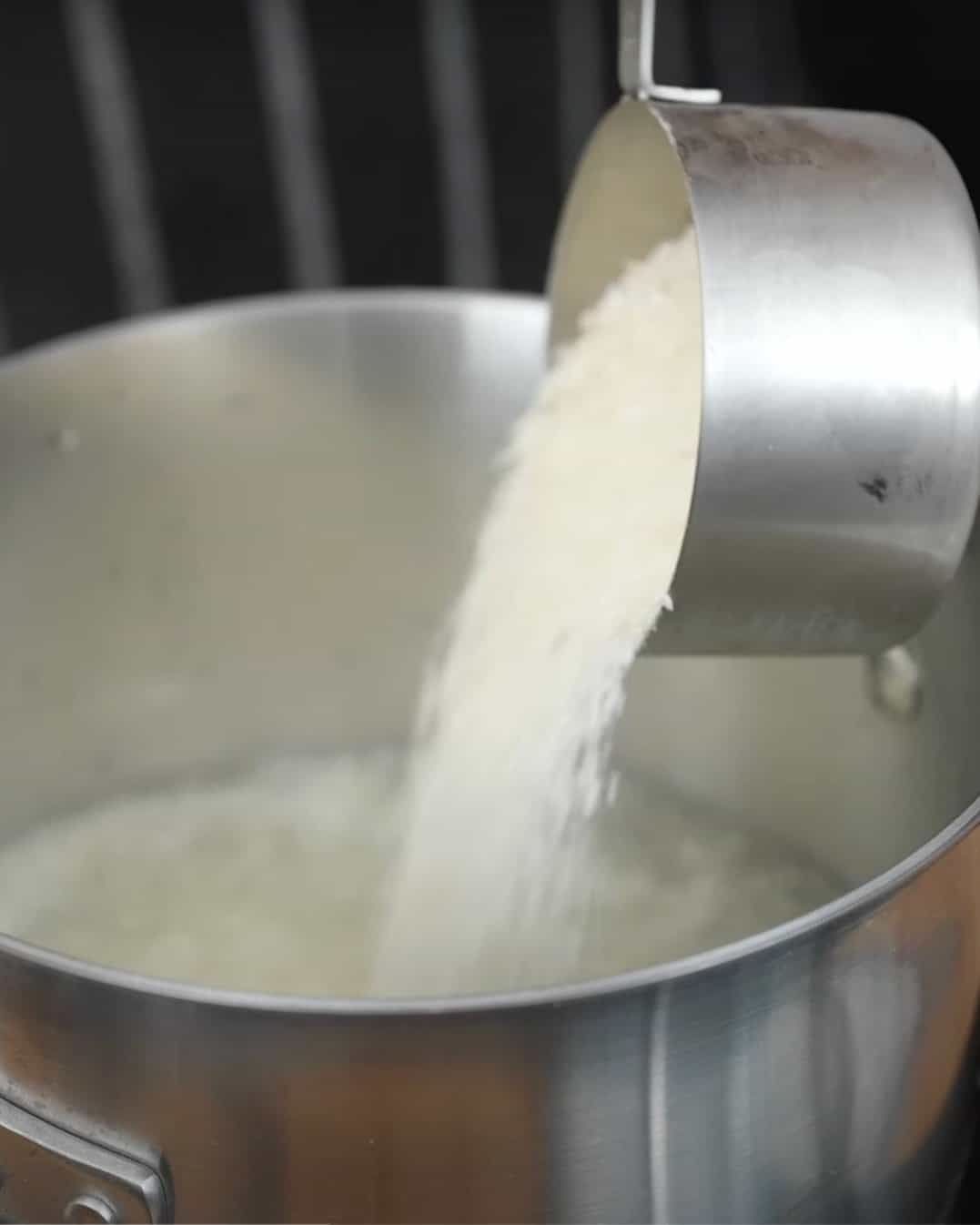
- Bring 3 cups of water to a boil in a medium saucepan over high heat, covered. Uncover and slowly whisk in the grits, 1 teaspoon salt, and ½ teaspoon pepper. Reduce the heat to medium-low and cook, stirring occasionally, until thickened, about 5 minutes. Stir in the Parmesan and 1 tablespoon of butter. Remove from the heat and season with salt and pepper. Cover to keep warm.
- Meanwhile, season the shrimp with salt and pepper. Melt the remaining 2 tablespoons of butter in a large skillet over medium-high heat. Add the shrimp, garlic, and cayenne, if using, and cook, tossing, until the shrimp are pink, 3 to 4 minutes. Remove from the heat and add 2 tablespoons water, lemon juice, and parsley; stir to coat the shrimp with the sauce and season with salt and pepper.
- Divide the grits among shallow bowls and top with the shrimp and sauce. Serve with lemon wedges.
What to Serve With Lemon Garlic Shrimp and Grits
My Dominican Garlic Tostones are the perfect companion here – those crispy, twice-fried plantains soak up every drop of that buttery lemon garlic sauce while adding the kind of satisfying crunch that makes this meal complete. It's how we'd serve this back home, balancing creamy grits with something you can really sink your teeth into.
The brightness of this dish practically begs for something green and fresh alongside it. A simple arugula salad dressed with lime vinaigrette cuts through all that rich butter and cream, while the peppery greens echo the garlic without competing with those tender shrimp.
Consider pairing this with sweet cornbread or buttermilk biscuits to lean into the Southern soul of those creamy grits. The slight sweetness plays beautifully against the savory garlic, and you'll want something to help you get every last bit of that incredible sauce.
Frequently Asked Questions
1. Can I use regular grits instead of instant grits?
Yes, you can use regular grits instead of instant. Follow the package cooking instructions and adjust seasoning and consistency as needed. Stone-ground grits have the best flavor.
2. Can I use frozen shrimp instead of fresh for shrimp and grits?
Yes, thaw the shrimp completely and pat dry with paper towels to remove excess moisture before cooking. This ensures they sear properly instead of steaming.
3. Can I make shrimp and grits in advance?
Grits can be made ahead and reheated with a splash of cream. Cook the shrimp fresh right before serving for the best texture — they overcook and become rubbery when reheated.
4. What makes the lemon garlic sauce for shrimp and grits?
Butter, minced garlic, lemon juice, chicken broth, and a touch of Cajun seasoning simmered until slightly reduced. The pan drippings from searing the shrimp add incredible depth.
5. What type of grits are best for shrimp and grits?
Stone-ground grits have the best corn flavor and creamy texture. Quick-cook grits work in a pinch. Avoid instant grits if possible — they lack the authentic Southern texture.
6. How do I make grits creamy?
Cook low and slow with a combination of water, milk, and butter. Stir frequently to prevent lumping. Finish with sharp cheddar and extra butter for the richest, creamiest grits.
7. What size shrimp works best?
Large (21-25 count) or jumbo (16-20 count) shrimp give the most impressive presentation over the grits. They cook in just 2-3 minutes per side.
8. Is shrimp and grits a Southern dish?
Yes — it originated in the coastal Lowcountry of South Carolina and Georgia as a simple fisherman's breakfast. It has since become one of the most iconic Southern restaurant dishes.
9. What Cajun seasoning should I add?
A blend of paprika, cayenne, garlic powder, onion powder, and dried thyme adds the classic Cajun flavor. Start with 1 teaspoon and adjust to your heat preference.
10. What should I serve alongside shrimp and grits?
Cornbread, collard greens, a simple side salad, or crusty bread. Shrimp and grits is a complete meal on its own — sides are optional but appreciated.
Lemon Garlic Shrimp and Grits Video
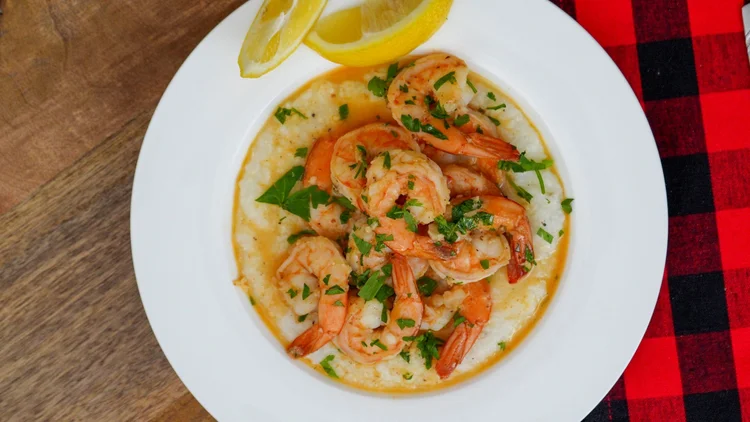
Lemon Garlic Shrimp and Grits
Ingredients
Method
- Bring 3 cups of water to a boil in a medium saucepan over high heat, covered. Uncover and slowly whisk in the grits, 1 teaspoon salt, and ½ teaspoon pepper. Reduce the heat to medium-low and cook, stirring occasionally, until thickened, about 5 minutes. Stir in the Parmesan and 1 tablespoon of butter. Remove from the heat and season with salt and pepper. Cover to keep warm.
- Meanwhile, season the shrimp with salt and pepper. Melt the remaining 2 tablespoons of butter in a large skillet over medium-high heat. Add the shrimp, garlic, and cayenne, if using, and cook, tossing, until the shrimp are pink, 3 to 4 minutes. Remove from the heat and add 2 tablespoons water, lemon juice, and parsley; stir to coat the shrimp with the sauce and season with salt and pepper.
- Divide the grits among shallow bowls and top with the shrimp and sauce. Serve with lemon wedges.
Nutrition
Notes
Buy your shrimp with shells on and peel them yourself – save those shells to make a quick stock by simmering them with garlic and bay leaves for 15 minutes, then use that liquid in your grits instead of plain water for incredible depth. Cook your grits low and slow with a 4:1 liquid ratio, stirring every few minutes but not constantly – over-stirring develops too much starch and makes them gluey instead of creamy, which I learned after ruining too many batches early on. Don't cook the shrimp longer than 2 minutes per side – they'll continue cooking from residual heat in that hot garlic butter, and overcooked shrimp turns rubbery and loses that sweet, delicate flavor you're paying good money for. Add your lemon juice off the heat after the shrimp are cooked – high heat breaks down the citric acid and makes it taste flat instead of bright and zesty, plus it prevents the shrimp from getting tough.
Tried this recipe?
Let us know how it was!Filed Under
Leave a Reply