
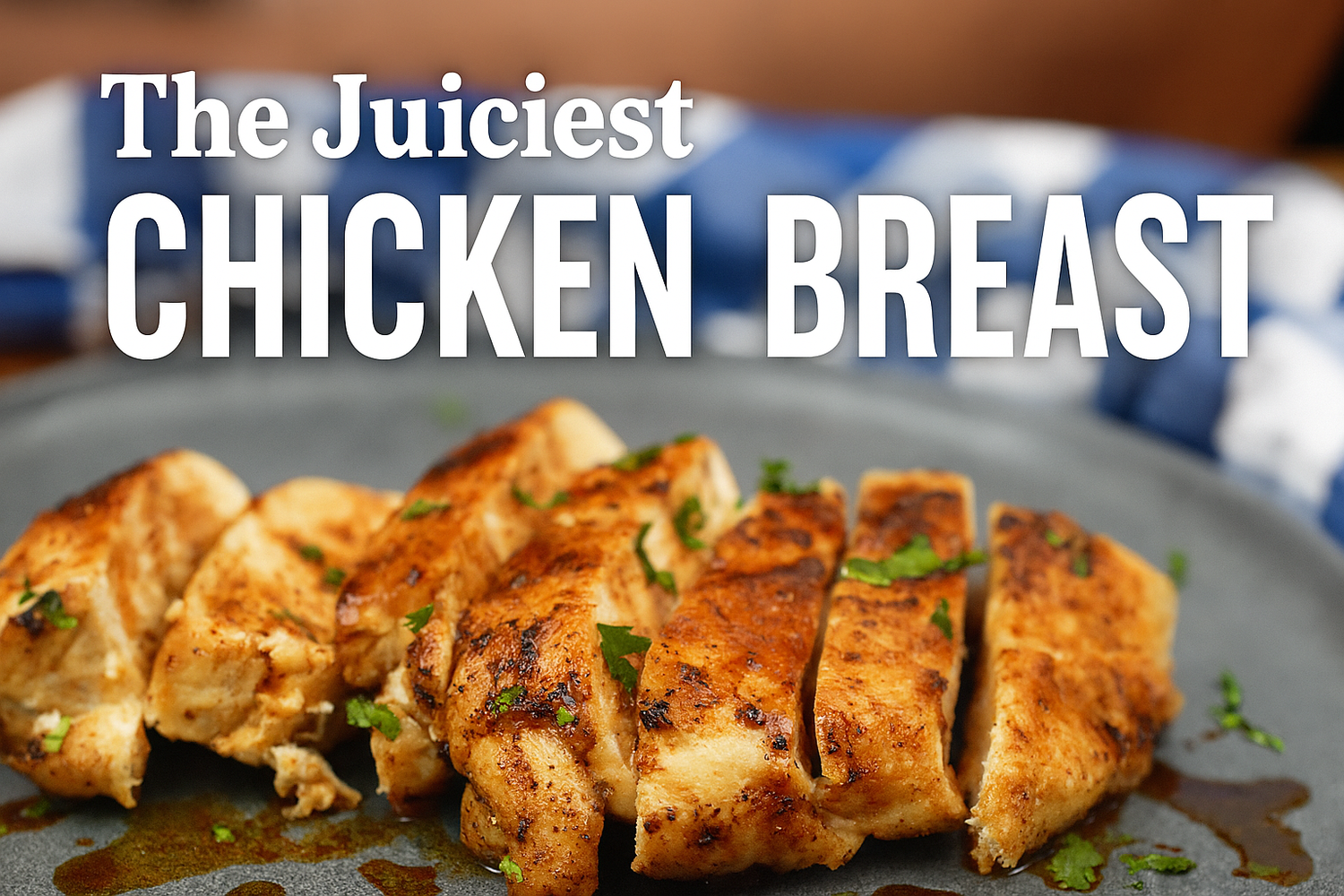
This Ultimate Juicy Chicken Breast (Boneless & Skinless) is juicy, flavorful, and incredibly easy to make. Whether you're cooking for the family or meal prepping for the week, this recipe delivers every single time. It's about to become one of your go-to favorites!
About This Recipe
Here's something that changed my chicken game completely: not all salt is created equal for brining boneless, skinless breasts. I always use kosher salt — specifically Diamond Crystal if I can find it — because its flaky crystals dissolve faster and penetrate more evenly than table salt. But here's the kicker most home cooks miss: kosher salt is about 40% less concentrated than table salt by volume. So when you see recipes calling for "1 tablespoon salt," they're usually assuming kosher salt. Use table salt in that same amount and you'll over-salt your chicken into leather. For this recipe, I stick with kosher salt because boneless, skinless breasts are already prone to drying out — they need that gentle, even seasoning penetration that only comes from properly dissolved kosher salt crystals working their way through the lean meat fibers.
Ingredients for Ultimate Juicy Chicken Breast (Boneless & Skinless)
- 4 cups cold water
- 2 tablespoons kosher salt
- 1 tablespoon sugar — optional, for balance
For the Brine
- 4 cups cold water
- 2 tablespoons kosher salt
- 1 tablespoon sugar — optional, for balance
For the Chicken
- 2 boneless, skinless chicken breasts — 8 oz each
- 1 tablespoon olive oil
- 1 teaspoon garlic powder
- ½ teaspoon smoked paprika
- ½ teaspoon onion powder
- ½ teaspoon black pepper
- Optional: ¼ teaspoon cayenne — for heat
- Fresh thyme or rosemary sprigs — optional for garnish
How to Make Ultimate Juicy Chicken Breast (Boneless & Skinless)
- In a large bowl, dissolve salt (and sugar if using) in the water. Submerge the chicken breasts completely. Let them soak for 15–30 minutes at room temperature.
- After brining, pat dry thoroughly with paper towels. Place each chicken breast between two pieces of plastic wrap or parchment paper and pound to an even half-inch thickness using a meat mallet or rolling pin.
- Drizzle with olive oil, then sprinkle both sides with garlic powder, paprika, onion powder, black pepper, and optional cayenne. Rub it in well.
- Place a large oven-safe skillet (like cast iron) on the stovetop. Add the seasoned chicken breasts to a cold pan with no preheat. Turn heat to medium-high. Let it heat gradually, flipping every 90 seconds until both sides are lightly golden (about 6–8 minutes total).
- Transfer the skillet to a preheated 425°F (220°C) oven and bake for 6–10 minutes, or until the internal temp hits 160°F. Remove and let rest for 5–10 minutes (carryover cooking will take it to 165°F).
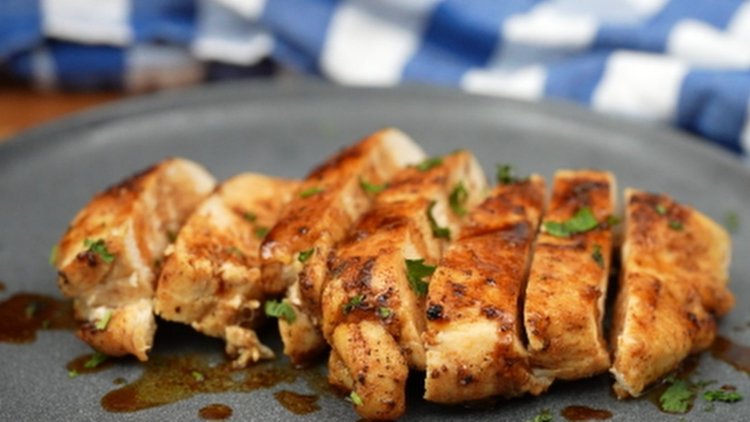
- Slice against the grain. Serve with a squeeze of lemon or fresh herbs if desired. Pair it with rice, roasted veggies, or a salad.
What to Serve With Ultimate Juicy Chicken Breast (Boneless & Skinless)
My go-to pairing is fluffy white rice with black beans - it's pure Dominican comfort that soaks up every drop of those chicken juices. The creamy beans add richness while the rice provides that perfect neutral base that lets the seasoned chicken shine through completely.
For something with more personality, try my garlic mashed yuca alongside sweet plantains. The earthy, slightly nutty yuca contrasts beautifully with the chicken's herbs, while those caramelized plantains bring just enough sweetness to balance the savory elements perfectly.
A crisp avocado and tomato salad with lime dressing cuts through the richness like a dream. The cool, creamy avocado and bright acidity wake up your palate between bites, making each piece of that juicy chicken taste even more incredible.
Frequently Asked Questions
1. Why are my chicken breasts always dry?
Most people overcook them. Pull chicken at 160°F internal temperature and let it rest — carryover heat brings it to a safe 165°F while keeping the juices inside.
2. Should I pound the chicken breast flat before cooking?
Yes, pounding to an even ¾ inch thickness is the number one trick. Uneven thickness means the thin end overcooks before the thick end finishes.
3. What is the best way to season chicken breast?
Season generously on both sides with salt and pepper at minimum. For extra flavor, add garlic powder, paprika, and Italian herbs. Let it sit 15-30 minutes before cooking.
4. What is the ideal internal temperature for chicken breast?
165°F is the USDA safe temperature. However, pulling at 160°F and resting for 5 minutes will reach 165°F through carryover cooking and produce juicier results.
5. Should I cook chicken breast on high or low heat?
Medium-high heat for stovetop searing (to get a golden crust), then finish on medium or in a 400°F oven. Blasting on high heat the entire time dries it out.
6. Does brining really make a difference?
Absolutely. Even a quick 30-minute brine in salted water increases moisture by 10-15%. A dry brine with just salt rubbed on the surface overnight works even better.
7. How long should I let chicken breast rest after cooking?
Rest for 5-8 minutes loosely tented with foil. Cutting too soon releases all the juices onto the cutting board instead of staying in the meat.
8. Can I cook chicken breast from frozen?
It is not recommended for stovetop cooking. For oven baking, add 50% more time and verify the internal temperature reaches 165°F. Thawing first gives much better results.
9. What cooking oil is best for searing chicken?
Avocado oil or vegetable oil work best because of their high smoke points. Butter burns easily at searing temperatures — add it at the end for flavor.
10. How do I slice chicken breast for maximum tenderness?
Always slice against the grain — the lines of muscle fiber visible on the surface. Cutting against the grain shortens those fibers and makes each bite more tender.
Ultimate Juicy Chicken Breast (Boneless & Skinless) Video
Ultimate Juicy Chicken Breast (Boneless & Skinless)
Ingredients
Method
- In a large bowl, dissolve salt (and sugar if using) in the water. Submerge the chicken breasts completely. Let them soak for 15–30 minutes at room temperature.
- After brining, pat dry thoroughly with paper towels. Place each chicken breast between two pieces of plastic wrap or parchment paper and pound to an even half-inch thickness using a meat mallet or rolling pin.
- Drizzle with olive oil, then sprinkle both sides with garlic powder, paprika, onion powder, black pepper, and optional cayenne. Rub it in well.
- Place a large oven-safe skillet (like cast iron) on the stovetop. Add the seasoned chicken breasts to a cold pan with no preheat. Turn heat to medium-high. Let it heat gradually, flipping every 90 seconds until both sides are lightly golden (about 6–8 minutes total).
- Transfer the skillet to a preheated 425°F (220°C) oven and bake for 6–10 minutes, or until the internal temp hits 160°F. Remove and let rest for 5–10 minutes (carryover cooking will take it to 165°F).
- Slice against the grain. Serve with a squeeze of lemon or fresh herbs if desired. Pair it with rice, roasted veggies, or a salad.
Nutrition
Notes
Always brine your chicken breasts for exactly 30 minutes before cooking — any longer and the salt starts breaking down the proteins too much, making the meat mushy instead of tender and juicy. Look for chicken breasts that are similar in thickness throughout, around 6-8 ounces each, because uniform size means even cooking and no dry spots while other parts stay undercooked. After years of making this dish, I've learned to let the chicken come to room temperature for 20 minutes after brining because cold meat hitting hot oil creates uneven cooking from outside to inside. Use a meat thermometer and pull the chicken at exactly 160°F, not 165°F, because carryover heat will bring it to safe temperature while keeping the meat incredibly moist and tender.
Leave a Reply